





 Portuguese
  English
  Spanish
  2 min of reading
  2 comments


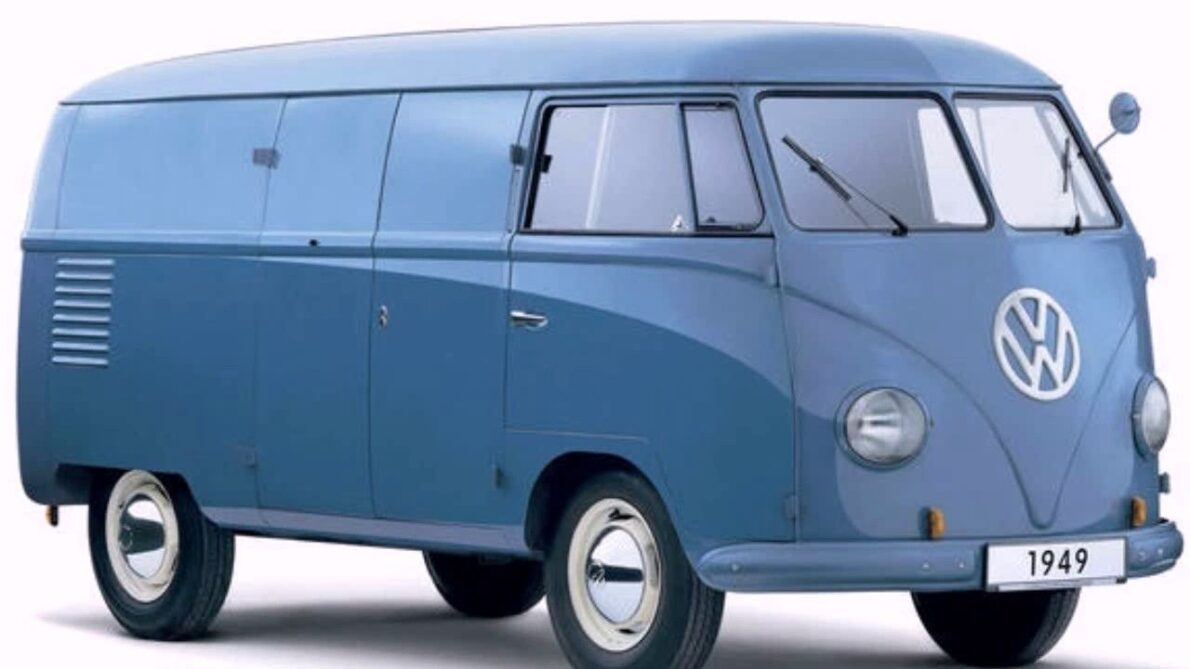

The Volkswagen Kombi, Known for Its Versatility and Charm, Had a Remarkable Journey in the Automotive Industry, Especially in Brazil. This Iconic Van, Which Went Through Several Versions and Improvements Over the Decades, Ended Its Production Due to New Safety Requirements That Its Structure Could Not Withstand.
The Volkswagen Kombi, known for its versatility and charm, had a remarkable journey in the automotive industry, especially in Brazil. This iconic van ended its production due to new safety requirements that its structure could not withstand.
The Volkswagen Kombi began its history in Germany in 1950, as a utility vehicle based on the Beetle chassis. It was envisioned by Dutch importer Ben Pon, who saw potential in a transport model within the Volkswagen factory. The first prototype of the Kombi had poor aerodynamics, but after three years of adjustments, the Kombi was launched as Type 2.
Kombi Arrived in 1950 Through the Importer Bras Motor, Before Volkswagen Established Its Own Factory


In Brazil, the Kombi arrived in 1950 through the importer BrasMotor, before Volkswagen established its own factory. The van quickly stood out for its cargo capacity and mechanical reliability, winning the national market.
-
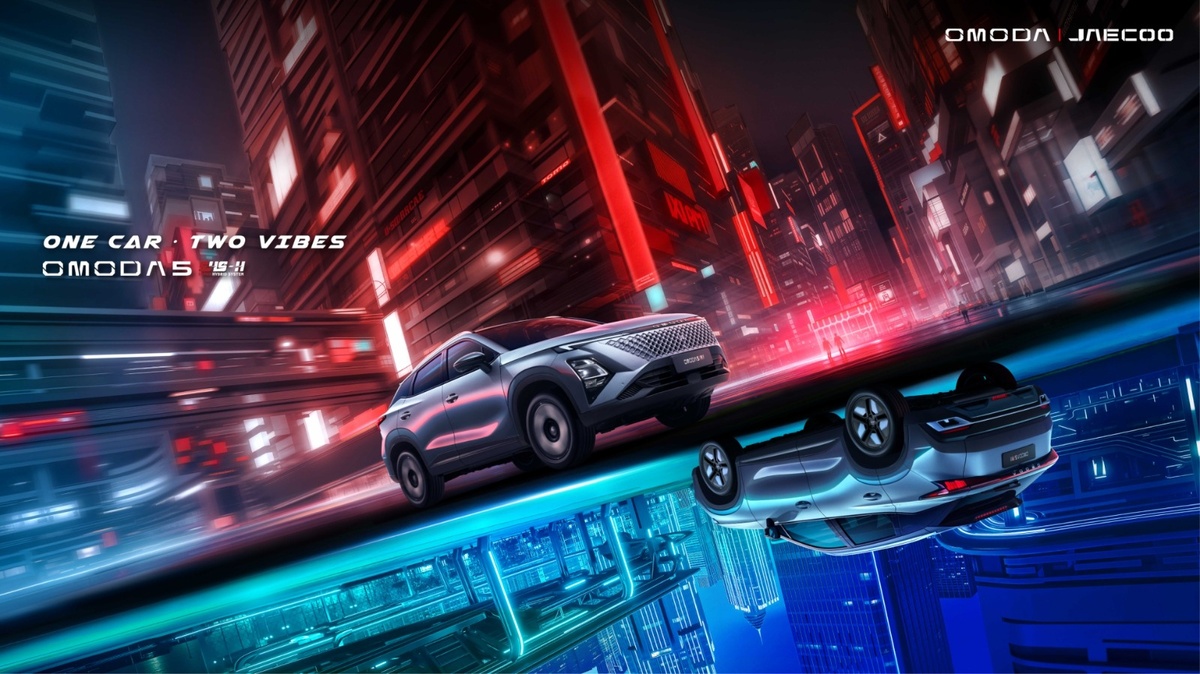
OMODA & JAECOO grows in Europe in 2026 with an integrated strategy of sales, innovation, local production, and technological advancement in the United Kingdom, Italy, and Spain.
-
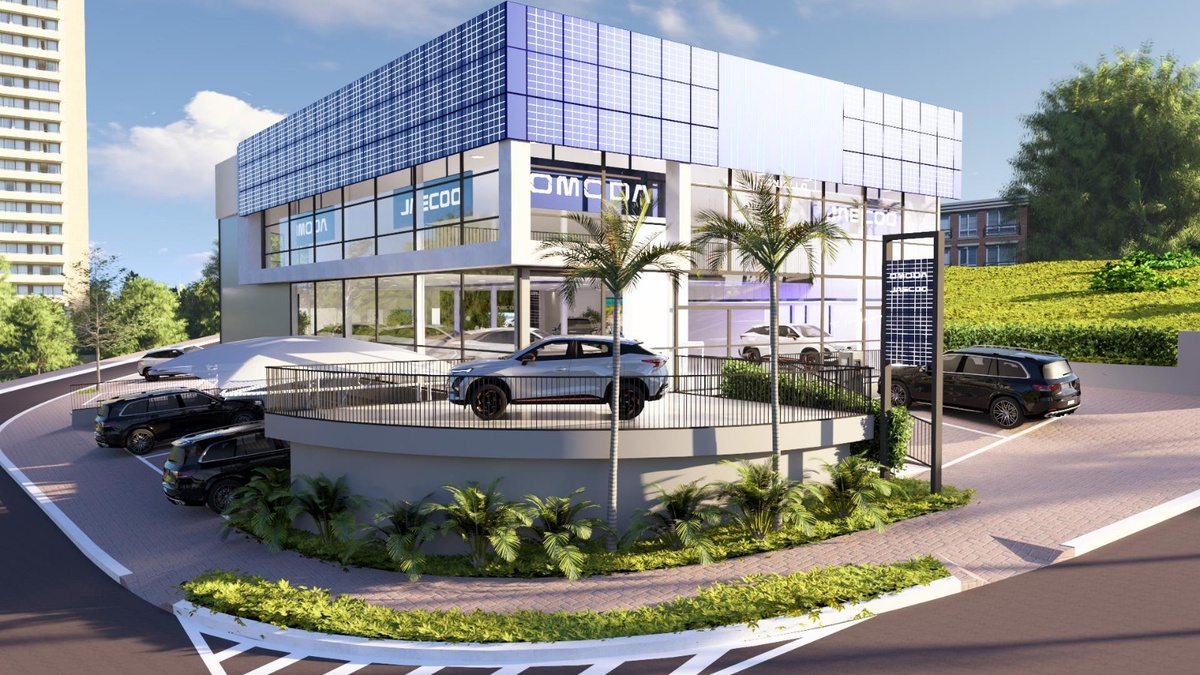
OMODA & JAECOO expands after-sales service in Brazil with competitive maintenance, a 7-year warranty, and high availability of parts for technological SUVs.
-
OMODA & JAECOO appoints Alessandra Souza as executive marketing director in Brazil and accelerates brand expansion with a focus on innovation, networking, and hybrid portfolio.

-
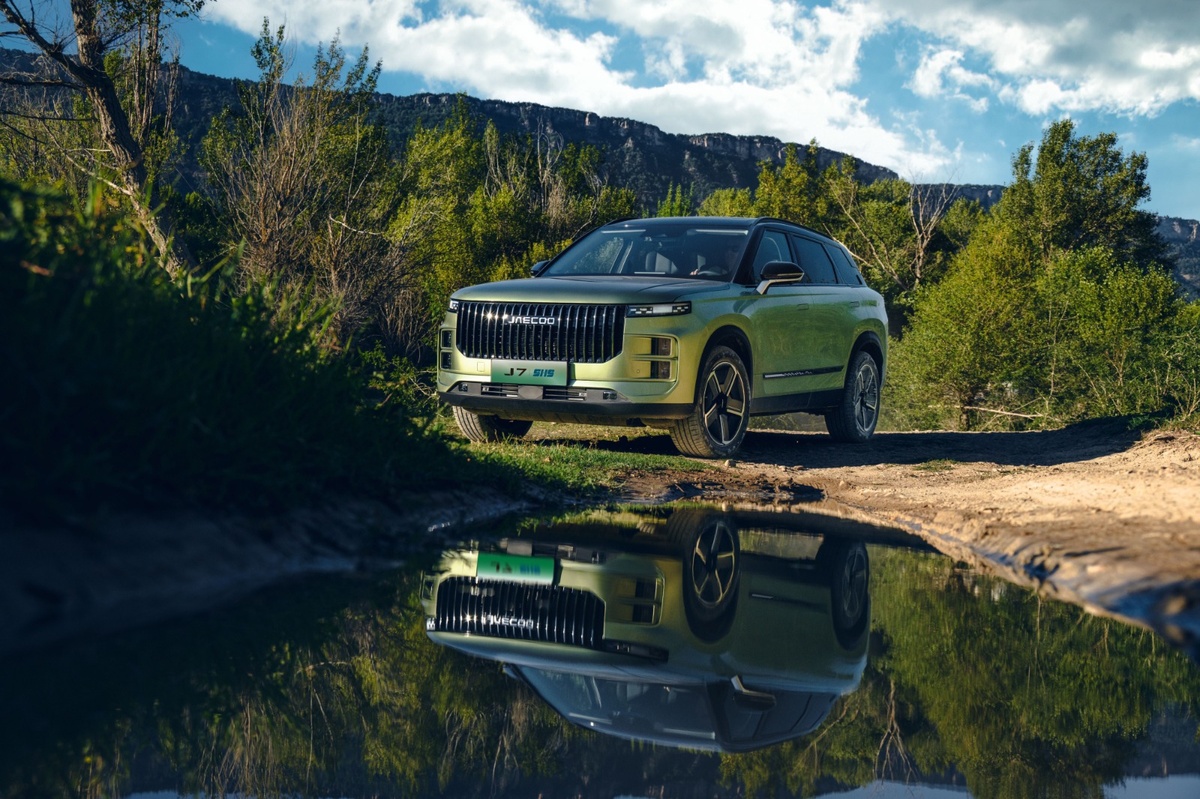
Jaecoo 7 with super hybrid SHS system exceeds 1,200 km of combined range with a 1.5 turbo engine, high-density battery, and intelligent energy management.

Over the decades, the Kombi underwent several redesigns and mechanical improvements. In 1957, the Kombi began to be manufactured in Brazil with 50% of domestic parts. In 1976, the van received a significant redesign, gaining a more modern look with a single windshield and new taillights. In 1981, the rare diesel version appeared, which faced problems due to engine overheating.
In 2013, the Last Special Series, Last Edition, Was Launched to Celebrate the End of Production
The 2000s marked the end of production for the Kombi with the air-cooled boxer engine. In 2005, Volkswagen launched the Kombi Silver Series to mark the end of this era. In 2013, the last special series, Last Edition, was launched to celebrate the end of production.
The journey of the Kombi ended because the vehicle could not be adapted to meet new safety regulations that required airbags and ABS brakes. Thus, production was officially ceased, leaving a legacy of nostalgia and functionality in the memory of many. The Volkswagen Kombi, with its various versions and innovations, remains an automotive icon, remembered for its robustness, low maintenance cost, and excellent cargo capacity.






Acabou porque no Brasil tudo é “sobra” mais fácil acabar que investir a Kombi teve mais de 10 versões pelo mundo, no Brasil foram 2 e 1/2, só pesquisar sua história, em décadas… Brasileiro gostava sim mas que era melhor no era mesmo!
Muito bem respondido! Trocando miúdos, imprensa querendo fabricar próprias histórias!