





 Portuguese
  English
  Spanish
 4 min of reading
  0 comments



Minas Gerais Is Far From the Beach, But One Day It Was Underwater and Rich in Iron That Turned Red. The Rocks and Fossils of This Brazilian State Tell the Giant Turn in the History of the Earth.
Have you ever looked at a map of Brazil and thought, “Poor Minas, not even a little beach to call its own?” Well, hold on to this: the Brazilian state of Minas used to have beaches, and not just once. In different chapters of geological time, areas that are now mountains, caves, and mines were once shallow seas.
And, in an even older past, these seas carried so much iron dissolved that the water could take on a red sea hue. It sounds like a movie script, but it’s written in stone. Literally.
Minas Was Once a Sea, and That’s No Exaggeration!
Let’s break it down. Long before Brazil existed, and even before the Atlantic Ocean opened up the way we know it today, much of what would become Minas was connected to ancient continents and supercontinents like Gondwana.
-
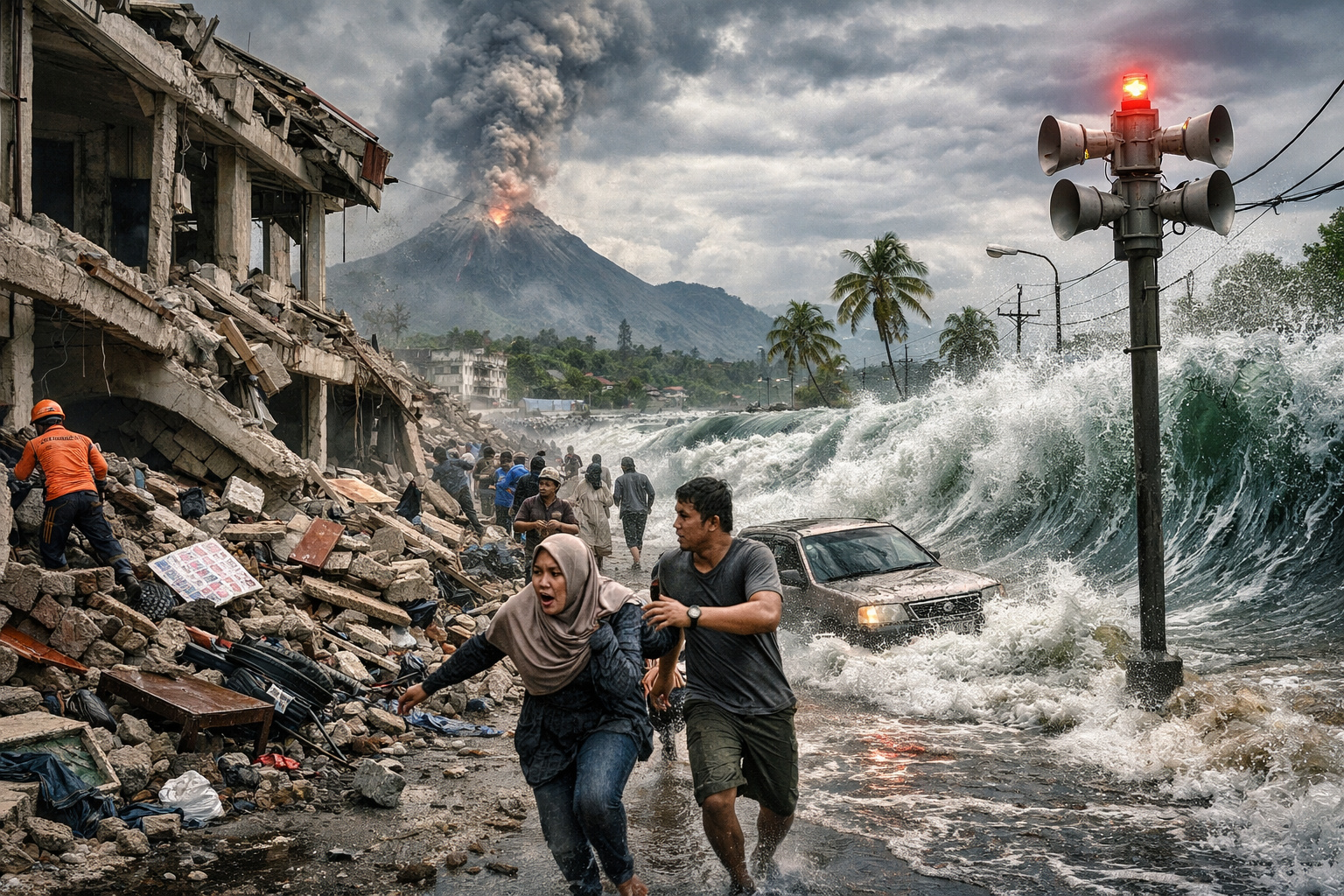
A strong earthquake in Indonesia affects houses and schools, causes panic, triggers a tsunami alert, and records a rise in sea level of up to 30 centimeters in some areas.
-
The Argentine government celebrates the lowest poverty rate in 7 years, but experts warn that the methodology has changed, real wages have fallen, unemployment has risen, and the number of people on the streets of Buenos Aires has increased by 57% since Milei took office.

-
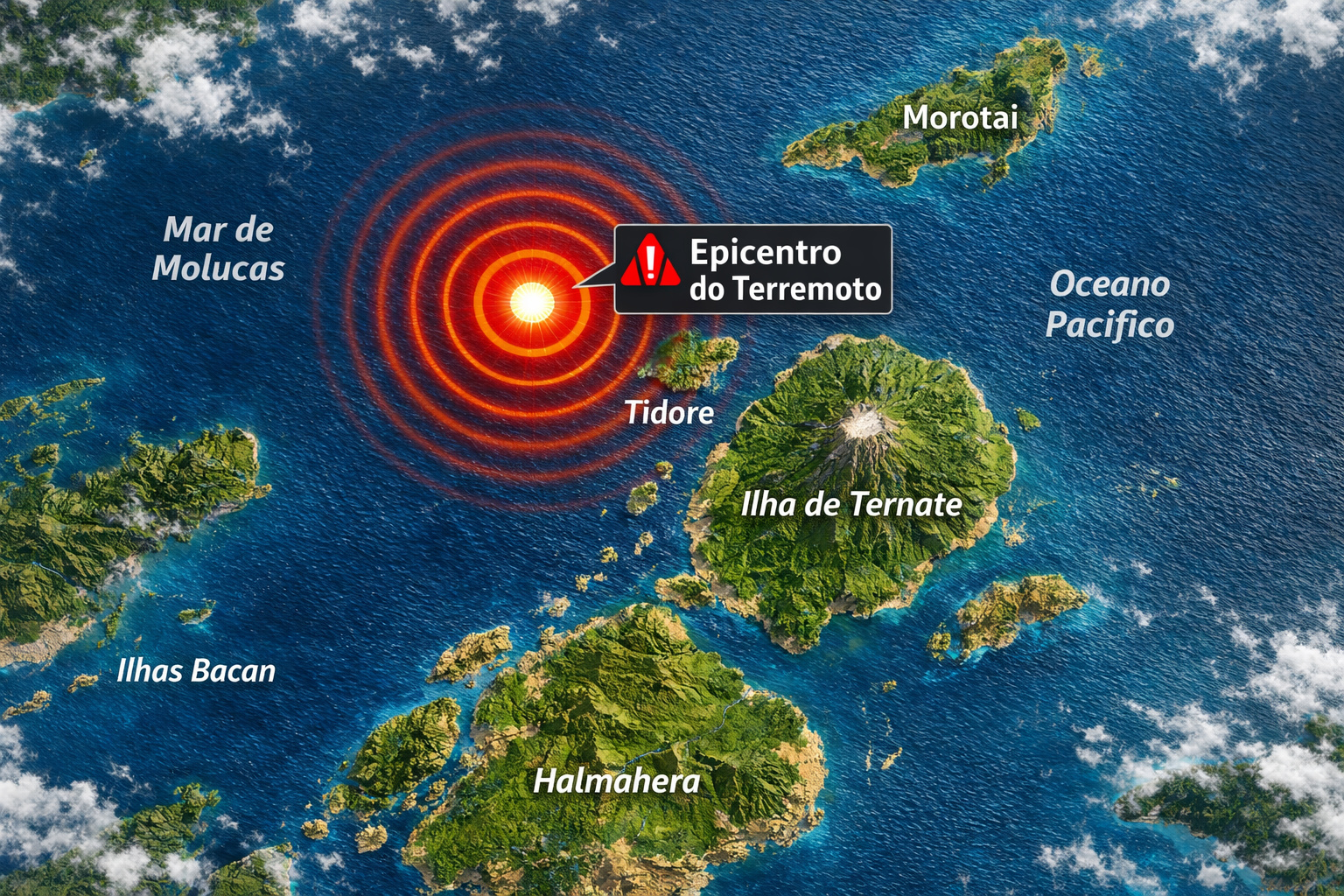
7.8 magnitude earthquake in Indonesia frightens the population, triggers tsunami alert, and hits an island with over 200,000 inhabitants this Thursday.
-
Google will finally let you change that embarrassing Gmail address you created in your teenage years without losing any accounts, logins, or old emails: the feature is already available in the United States.


During phases of the Neoproterozoic/Ediacaran, around 600 to 540 million years ago, the northern and central parts of the state were submerged under shallow seas, like warm and shallow platforms.
This sea left a clear record in the Bambuí Group, especially in the Sete Lagoas Formation, full of carbonates and typical structures of shallow marine environments after a major transgression.
The “Last Coastal Area of Minas” Is in Januária
The most popular (and easiest to imagine) evidence of this sea comes from Januária, in northern Minas. There, researchers found fossils of Cloudina and Corumbella, marine creatures from the end of the Ediacaran period. In other words: that stone wall in the interior used to be the seafloor.
The very FAPESP Research describes this scenario as the “last coastal area of Minas,” because these marine fossils mark a shallow sea that covered the area about 550 million years ago.
And there’s a great quote to humanize this: geologist Lucas Warren (Unesp) explained that these little creatures “only lived in shallow seas” and appear in various parts of the world always in marine rocks.
But What About the “Red Sea”? That’s Much Older
Now comes the part that sounds like science fiction.
Billions of years ago, the Earth’s oceans were practically devoid of free oxygen and full of dissolved iron. The water was a chemical “brew.” But photosynthesizing microorganisms (like cyanobacteria) began to produce oxygen. This O₂ reacted with the iron in the water, forming oxides like hematic and magnetite, which precipitated to the ocean floor.
What was the result?
- the iron left the water and ended up on the ocean floor;
- the water turned reddish in many places due to excess minerals;
- and gradually, oxygen stopped being “used up” by iron and began to accumulate in the atmosphere.
This is a central piece of the Great Oxygenation Event, around 2.4 billion years ago, a watershed moment for life to move beyond microscopic and gain complexity.
Quadrilátero Ferrífero: The Ancient Sea Turned Mountain… and Ore
So where does Minas fit into this global “red sea”? In the rocks.
The Quadrilátero Ferrífero holds some of the most important banded iron formations (BIFs) on the planet.
These are the alternating layers of iron oxides and silica that settled on the floors of primitive seas.
In Minas, after metamorphism, they appear as itabirites, the basis of the state’s major iron deposits.
A study from UFMG emphasizes the nature of these rocks and shows how the itabirite of the Quadrilátero is highly oxidized, dominated by hematite.
How the Sea Disappeared and the “Mine Beach” Became a Mountain
After these sediments accumulated on the ocean floor, the Earth’s game board changed again. Tectonic plates shifted, continents collided, and what was ocean bed was folded, lifted, and exposed. With millions of years of erosion, it turned into the mountainous terrain we know today.
This uplift had a gigantic side effect: it brought iron to the surface. And this is where the modern economic relevance of Minas comes in: these ancient marine layers now support one of the world’s largest mining hubs.
If this time travel surprised you, comment below: And if you know someone who swears that Minas “never had a sea,” send this text to that person.






-

-

-

7 pessoas reagiram a isso.