





 Portuguese
  English
  Spanish
  7 min of reading
  6 comments


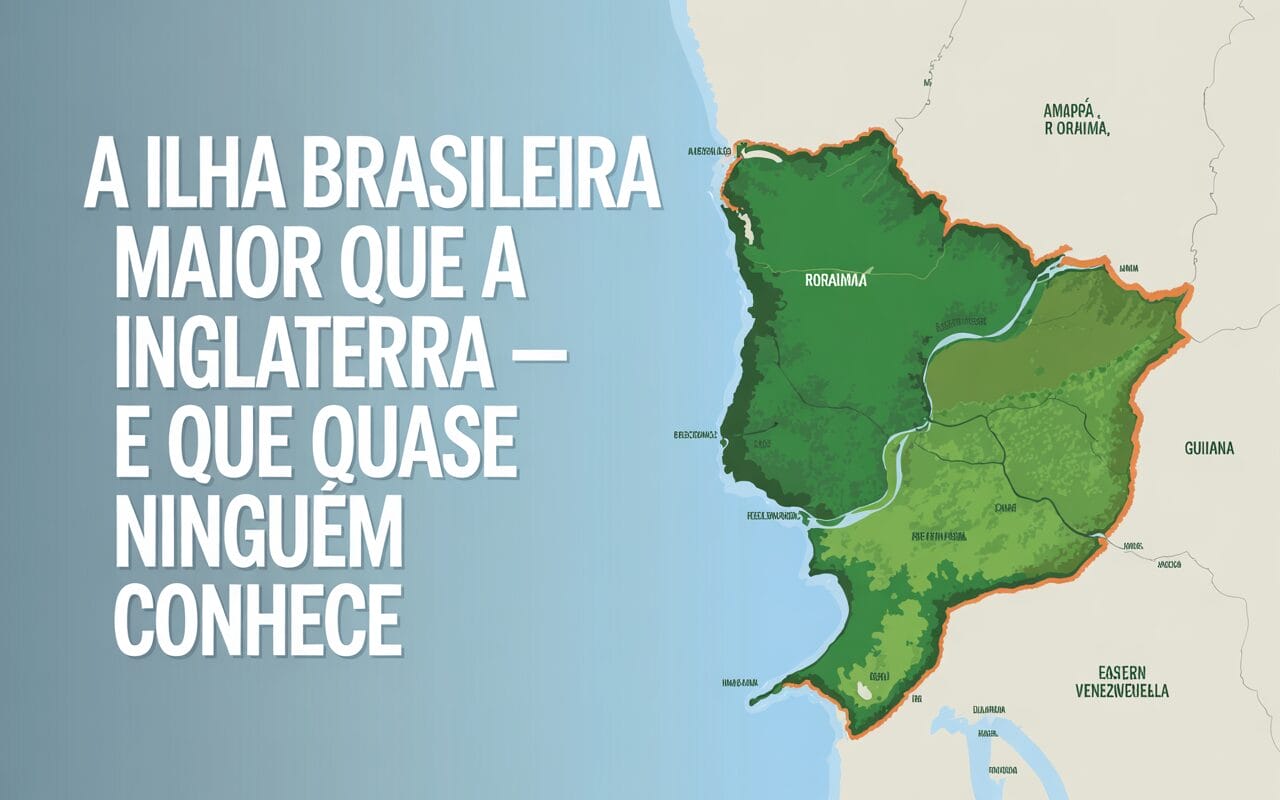

With a Territory Larger Than England, an Unmatched Biodiversity, and Unique Geographical Importance, the Guiana Island is a Gigantic Brazilian Island That Still Lives on the Margins of National Recognition — Despite Its Environmental, Cultural, and Economic Relevance.
The geography holds surprises as grand as they are ignored. One of them is the Guiana Island, a natural formation that extends over a vast area of South America and that, to the astonishment of many, includes considerable parts of Brazilian territory. Classified by hydrologists and geographers as a fluvio-maritime island, it is surrounded by both fresh and saltwater, with its borders delineated by important waterways and the Atlantic Ocean. Despite its colossal size — larger than all of England — this giant Brazilian island is unknown to a large part of the population. It hosts entire states, millions of inhabitants, and one of the greatest biodiversities in the world, yet it is rarely mentioned in school books, government plans, or national media reports.
Size Comparison of the Brazilian Island: Guiana Island vs. England
| Region | Approximate Area | Notes |
|---|---|---|
| Guiana Island | ≈ 1,650,000 km² | Includes parts of Brazil (Amapá, Roraima, Amazonas), Guyana, Suriname, French Guiana, and eastern Venezuela |
| England | ≈ 130,000 km² | Part of the United Kingdom; does not include Scotland, Wales, or Northern Ireland |
What Does This Comparison Reveal?
- The Guiana Island is approximately 12.7 times larger than England.
- While England has an area slightly larger than the state of Ceará (in terms of extension), the Guiana Island is equivalent to almost 20% of all Brazilian territory.
- The population of England is dense, with over 56 million inhabitants, whereas the Guiana Island is marked by low population density, vast areas of forest and rivers, and a significant presence of traditional and indigenous communities.
Where Is It and Why Is It Considered an Island?
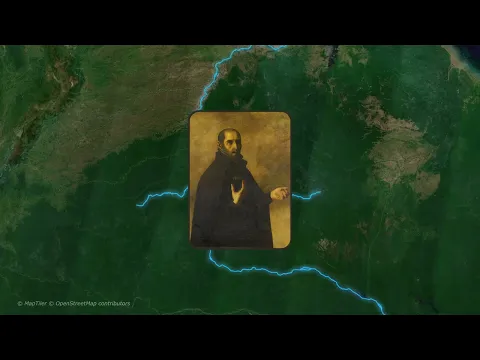

What defines an island is the presence of water surrounding it. The Guiana Island fits this definition perfectly, despite its irregular and colossal shape. Its outline is traced, to the north, by the waters of the Atlantic Ocean; to the west, by the Orinoco River in Venezuela; to the south, by the Negro River and the Cassiquiare Canal; and to the east, by the left bank of the Amazon River. This set of natural boundaries geographically isolates the region from the rest of the continent, forming a continental-scale fluvial and maritime island.
On the Brazilian side, this island encompasses the entire state of Amapá, almost all of Roraima, and a good portion of Amazonas, also including populous cities like Macapá, Boa Vista, and Manaus. Outside Brazil, the Guiana Island comprises Guyana, Suriname, French Guiana, and part of eastern Venezuela.
-
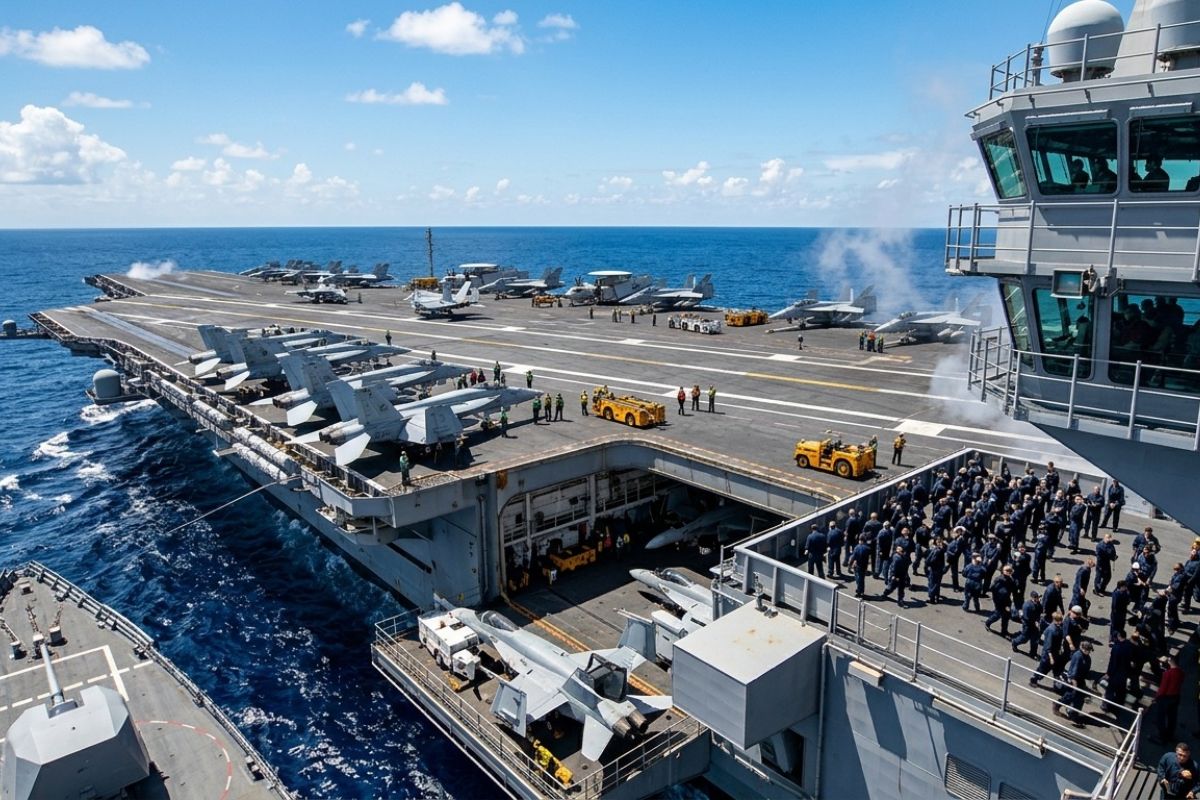
USS Gerald R. Ford: the floating city of $13 billion where 5,000 sailors serve 17,000 meals a day, sleep in stacked bunks, take 10-liter showers, and keep 75 fighter jets ready.
-
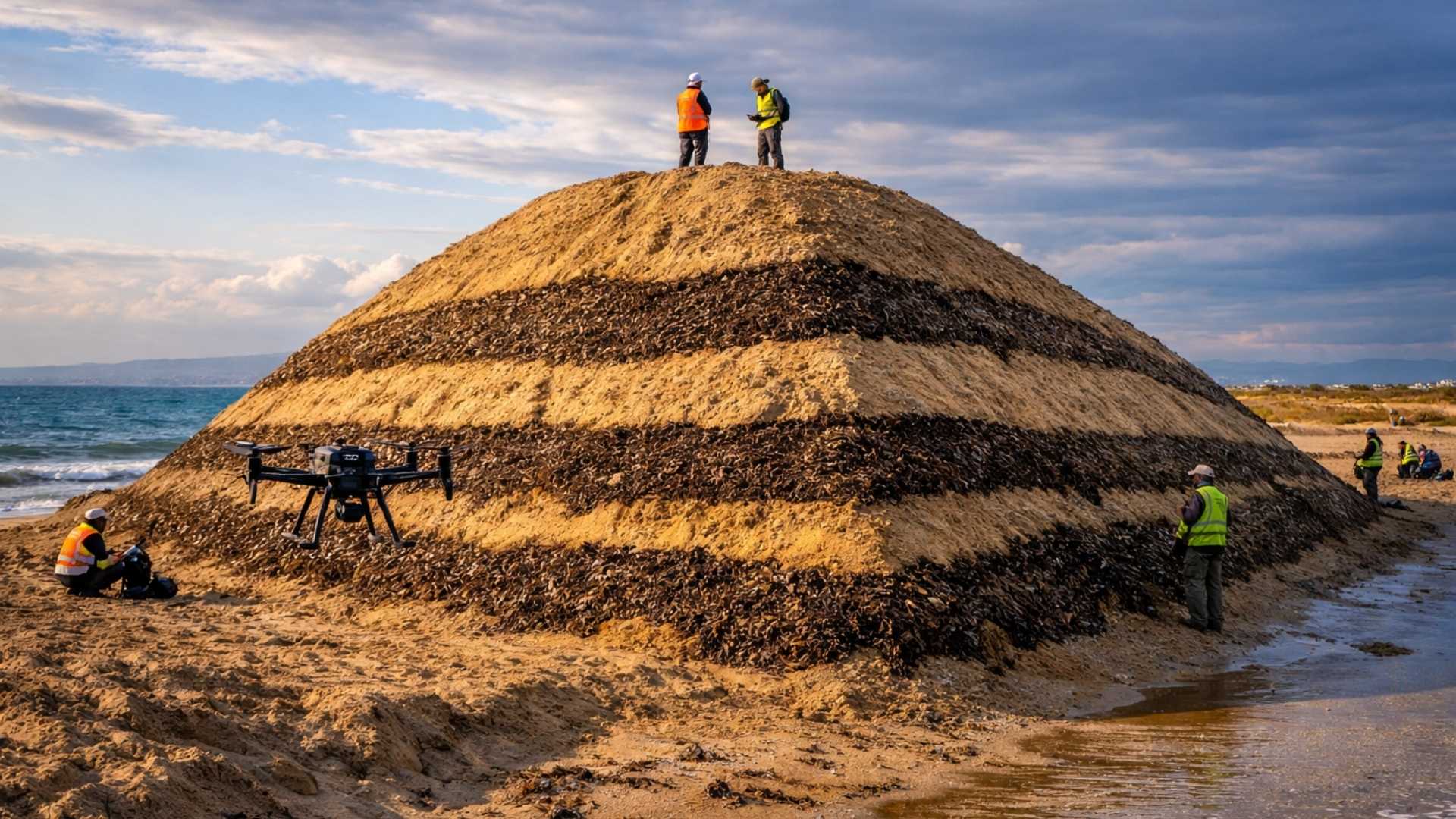
Spain surprises the world by erecting 62 artificial dunes, mixing sand with natural remains of posidonia, and causing the structure to lose only 1.4% of its volume in 1 year.
-
Meta and YouTube condemned for addiction to social media: ruling links the operation of the platforms to the worsening of anxiety and depression.

-
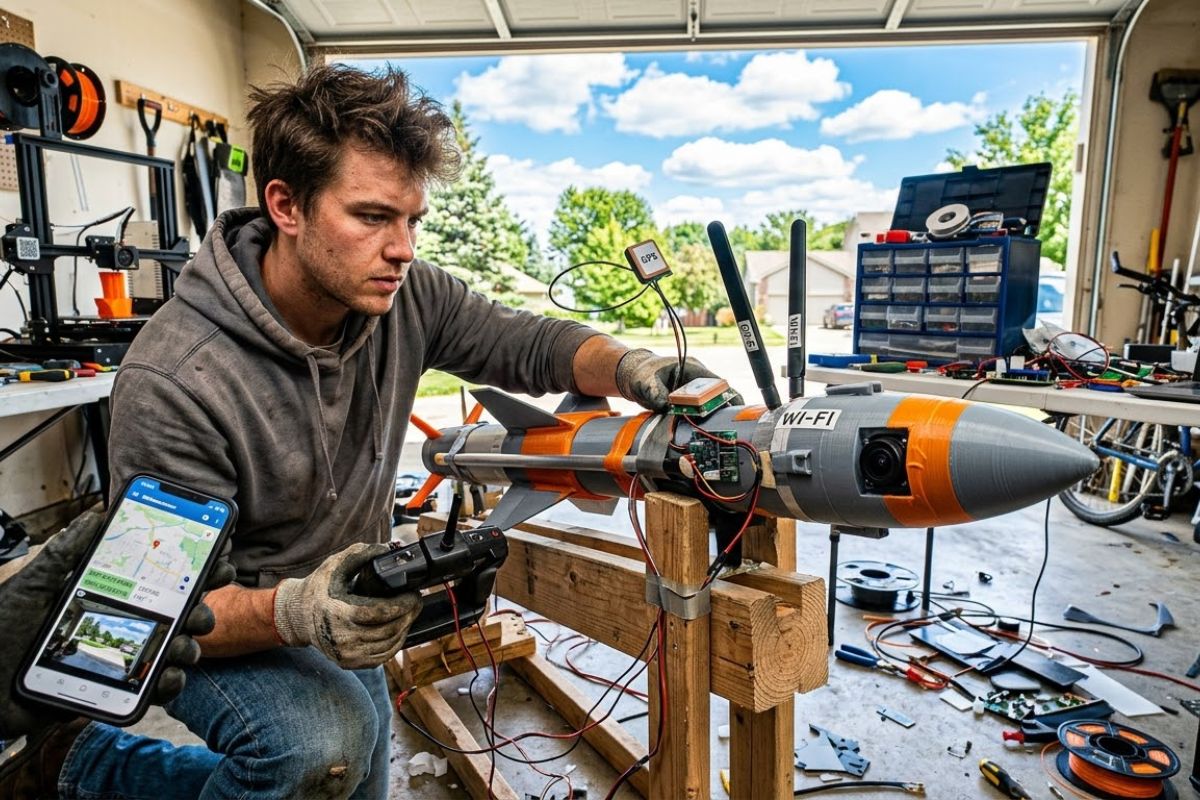
For just 96 dollars and with a 3D printer, an amateur created a prototype of a homemade guided missile with GPS, camera, and Wi-Fi tracking system, and this raised the debate about printed weapons to a frightening level.

It is such a vast territory that, if it were a country, it would rank among the 15 largest in the world by land area. And yet, very few Brazilians know that this island exists.
The Brazilian Island That Is an Overlooked Environmental Treasure
The Brazilian island larger than England is not just a geographical curiosity: it represents one of the most important environmental heritages on the planet. A significant part of the Amazon rainforest lies within this region, which hosts hundreds of thousands of species of plants, birds, reptiles, fish, and mammals.
Scientists estimate that a large portion of the species of the Guiana Island has yet to be cataloged. The region is considered, by institutions such as UNESCO and the National Institute for Amazon Research (INPA), one of the most strategic biodiversity centers for global climate stability.
Furthermore, the rivers that surround and cross the island are not merely natural barriers — they are sources of life, transportation, culture, and economy. The Amazon River, for instance, which helps define the eastern edge of the island, is the largest in terms of freshwater volume in the world and directly influences the rainfall regime of the entire South American continent.
A Human Diversity as Vast as the Natural
The giant forgotten island of Brazil is also a cultural powerhouse. It is home to indigenous, quilombola, and riverside communities, as well as descendants of European and Asian immigrants. In Suriname and Guyana, for example, descendants of Hindus, Africans, Dutch, and Chinese coexist. In Brazil, the island is home to part of the Yanomami people, one of the most traditional in the Amazon.
This mixture of ethnicities, languages, and traditions transforms the Guiana Island into a cultural melting pot, with ancestral knowledge that has survived for centuries. Many of these communities live in harmony with the forest, developing sustainable practices that have been internationally recognized as models of coexistence between humans and nature.
At the same time, these peoples face growing threats from illegal mining, the advance of agribusiness, land grabbing, and the environmental destruction caused by predatory economic activities.
Isolated Economy and Underutilized Potential
Even with all its environmental, cultural, and geographical wealth, the Guiana Island has not yet translated into effective economic integration. Isolated by large rivers, dense forests, and the lack of transportation infrastructure in various stretches, this immense island coexists with social inequalities, low human development indexes, and a lack of structural investments.
In Brazil, cities like Macapá and Boa Vista face logistical difficulties typical of real islands: limited road access, dependence on river and air transportation, and high costs of product distribution. The lack of physical connectivity between urban centers and neighboring regions reinforces the historical isolation of the area.
Some initiatives have sought to change this scenario. One of them is the Guiana Island Route project, which aims to promote commercial integration between Northern states and neighboring countries, encouraging ecological tourism, family farming, and controlled mining. However, progress remains timid, especially in the face of the enormous potential of the island.
Geographical Invisibility and Absence in School Curricula
One of the greatest paradoxes of the Guiana Island is its cartographic and pedagogical invisibility. Even as a formation of continental relevance, it rarely appears in textbooks and geography materials used in Brazilian schools. This contributes to the perpetuation of widespread ignorance among the island’s very inhabitants.
This invisibility has real implications: it hinders the formulation of integrated public policies, weakens the sense of belonging, and contributes to the abandonment of the region in terms of infrastructure and political representation.
Experts argue that officially recognizing the existence of the Brazilian island larger than England is a fundamental step towards changing this reality. With the support of agencies such as IBGE, the Foreign Office, and the Ministries of Education and the Environment, it would be possible to promote educational campaigns and curriculum reformulations that give visibility to the territory.
Impressive Comparisons
By way of comparison, the estimated area of the Guiana Island exceeds 1.6 million km², placing it among the largest island formations on the planet. It is larger than Madagascar, Japan, and much bigger than England, whose territory is about 130,000 km².
And still, it is so little recognized that it does not appear on official lists of islands, nor as a geographic item referenced in most encyclopedias.
An Environmental Heritage Under Threat
The neglect towards the Guiana Island affects not only geographical knowledge. It has direct consequences for the environment and for the planet’s climate security. In many areas of the island, especially on the Brazilian side, the lack of oversight and effective public policies fosters the advance of illegal activities, such as mining on indigenous lands and land grabbing of public areas.
This silent degradation process puts entire biomes and communities at risk. The destruction of vegetation cover compromises the water cycle, raises local temperatures, increases carbon emissions, and jeopardizes the health of local populations.
Protecting the island means protecting not just Northern Brazil — it means protecting the planet. It ensures that one of the last large-scale natural strongholds remains alive and functional in the face of global climate change.
The Brazilian Island That Needs to Be Seen, Studied, and Protected
Recognizing the Guiana Island as a real, living, and strategic territory is more than a geographical curiosity. It is an act of justice towards the northern region of the country, towards traditional peoples, towards biodiversity, and towards Brazil’s environmental future.
The forgotten Brazilian island, larger than England, exists — and cries out for visibility. Knowing that it is there, housing millions of Brazilians and thousands of species, is the first step towards valuing and protecting it. May the next generation grow up knowing the giant forgotten island of Brazil not merely as a footnote but as one of the greatest natural and cultural heritages of the South American continent.






Parabéns ao jornalista que escreveu essa matéria 👏👏👏👏
Essas ilhas não são brasileiras!!! Não escreva se não tem informação correta e não faça anúncios falsos!
Se Maduro a tivesse tomado…eu nem saberia que é nossa 😦🔦 Desculpe!