





 Portuguese
  English
  Spanish
  3 min of reading
  0 comments


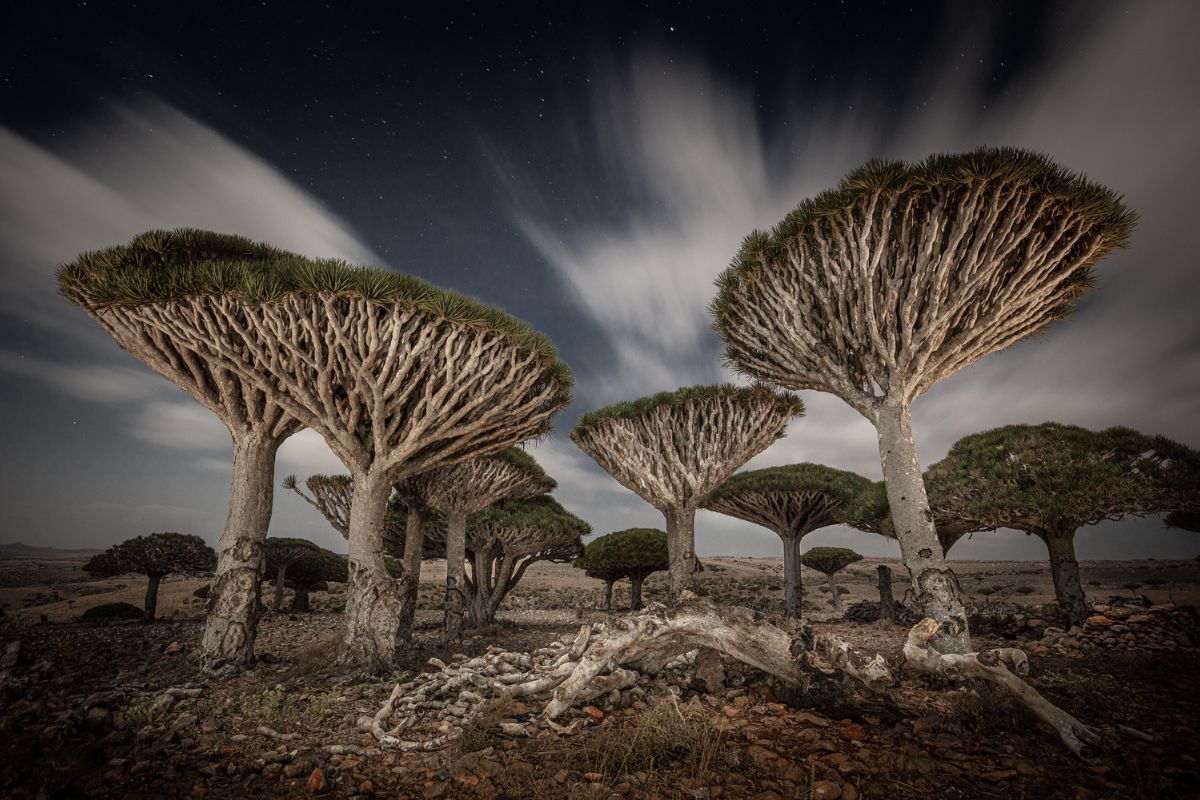
In The Indian Ocean, Socotra Island In Yemen Boasts A Flora And Fauna So Unique That It Really Makes It A “Island That Looks Like It Came From Another Planet”. Discover This Treasure Of Global Biodiversity Isolated For Millions Of Years.
The Island That Looks Like It Came From Another Planet, Part Of An Archipelago In Yemen, Often Evokes The Sense Of A “World That Looks Like It Came From Another Planet”. This Remote Location Is A Sanctuary Of Unique Biodiversity, The Result Of Millions Of Years Of Geological Isolation, Housing Plants And Animals That Do Not Exist Anywhere Else On Earth.
This Article Unveils The Wonders Of Socotra, From Its Iconic “Dragon’s Blood” Trees To Its Ancestral Culture And The Challenges It Faces To Preserve Its Invaluable Natural Heritage.
The “Dragon’s Blood” Trees And Other Unique Plants Of Socotra
The Flora Of Socotra Is Perhaps Its Most Emblematic Feature. The Iconic Dragon’s Blood Tree (Dracaena Cinnabari), With Its Umbrella-Shaped Canopy And Crimson Resin, Is An Adaptation To Capture Moisture From The Fog And Provide Shade. Its Resin, Known As Dragon’s Blood, Has Been Used For Centuries In Traditional Medicine And As A Dye.
-
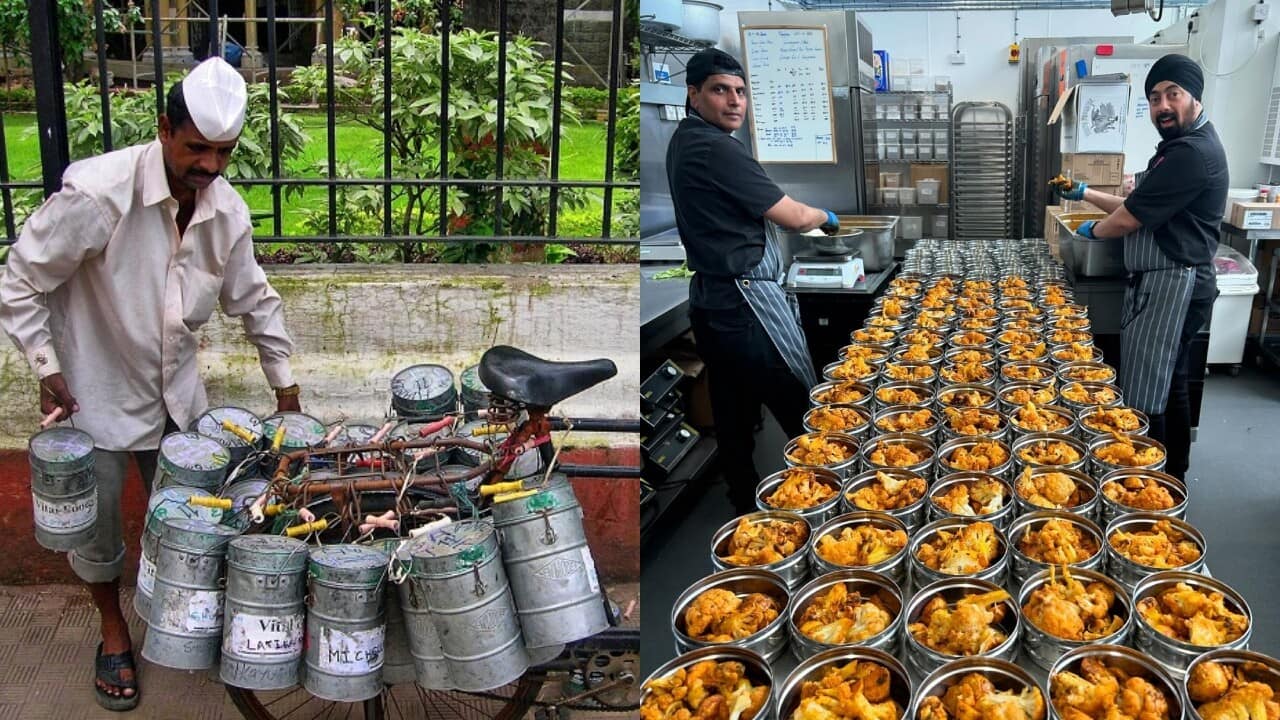
How 5,000 Indian dabbawalas manage to deliver around 200,000 lunchboxes a day in Mumbai for over 130 years using bicycles, crowded trains, and a manual system that continues to operate with impressive accuracy.
-
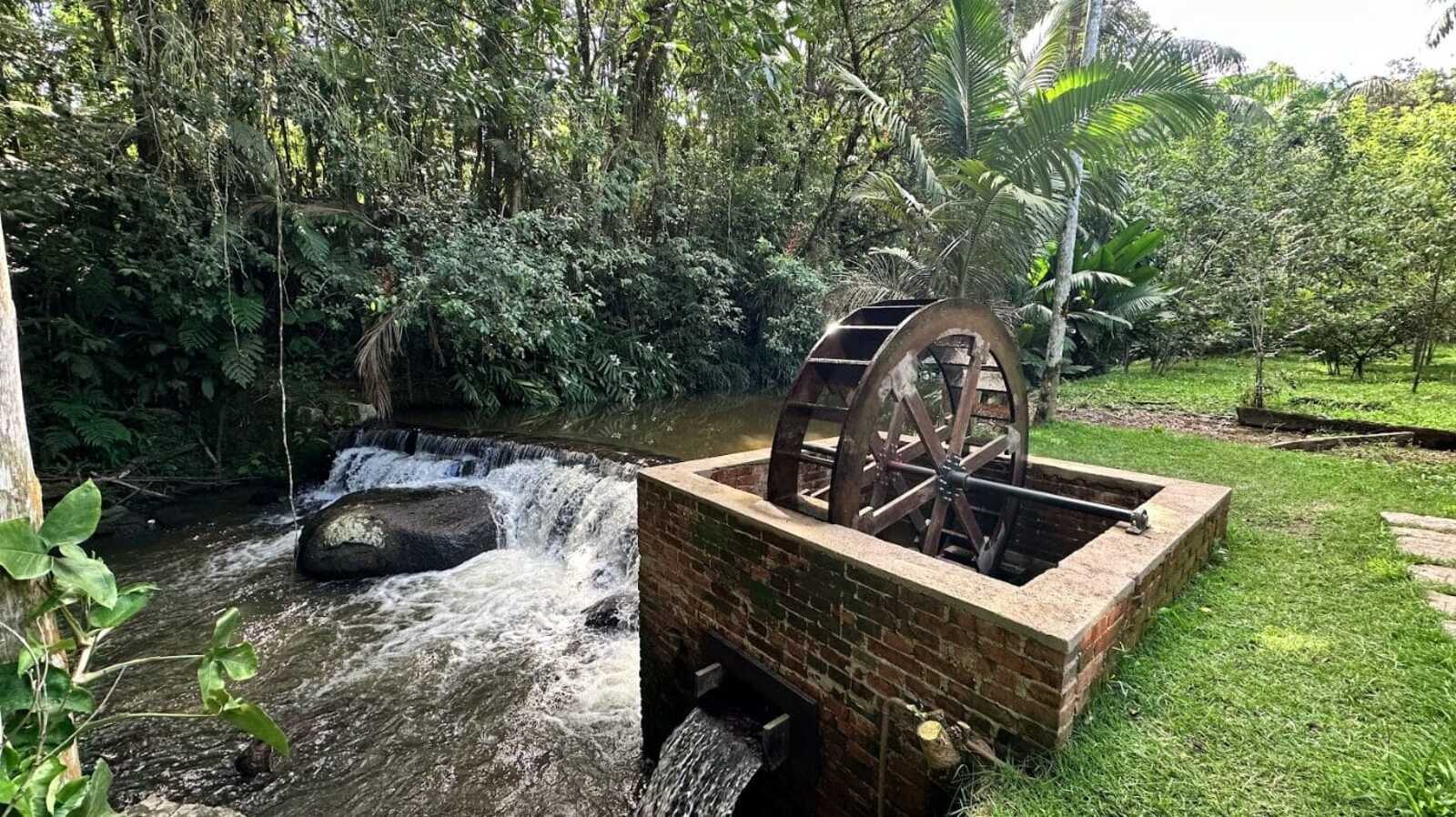
While restoring a historic mansion from 1910, a brick structure with an old turbine that generated energy from the Rio do Testo emerged, along with a hidden door and a rare floor concealed under layers of wax.
-
Italian researchers have detected what appears to be a second Sphinx buried under the sands of Egypt, and satellite scans reveal a gigantic underground megastructure hidden beneath the Giza Plateau for over 3,000 years.

-
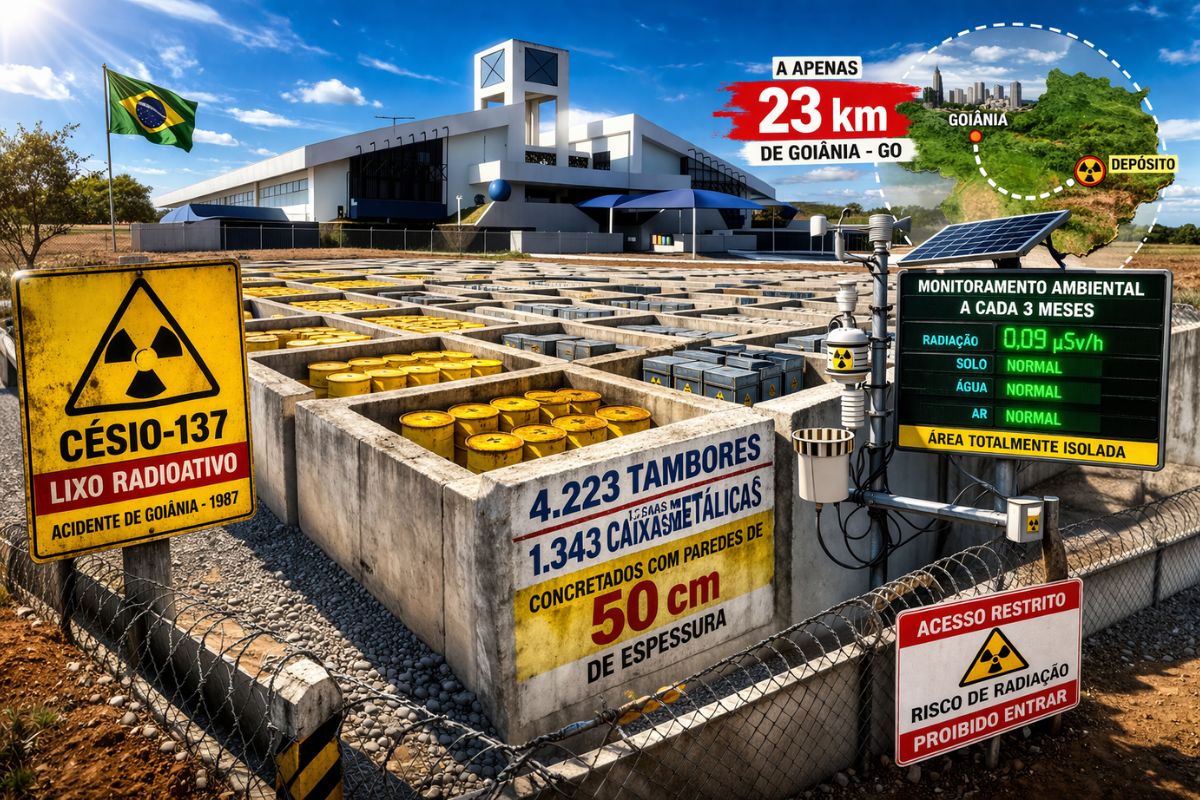
There are 4,223 drums and 1,343 metal boxes concreted with 50-centimeter walls that store the radioactive waste from Cesium-137 in the worst radiological accident in Brazil, just 23 kilometers from Goiânia, with environmental monitoring every three months.

Other Bizarre Plants Include The Bottle Tree Or Desert Rose (Adenium Obesum Socotranum), With Its Swollen Trunk To Store Water, And The Cucumber Tree (Dendrosicyos Socotranus), The Only Tree Species In The Gourd Family. The Island Is Also A Center Of Diversity For Frankincense (Boswellia Spp.). Approximately 37% Of The 825 Species Of Vascular Plants In Socotra Are Endemic, Meaning They Exist Only There.
Unique Fauna: A Living Laboratory Of Evolution With Endemic Reptiles And Snails

Socotra Is Often Called The “Galápagos Of The Indian Ocean” Due To Its Exceptional Animal Endemism. About 90% Of Its 34 Species Of Reptiles Are Endemic. Among The Land Snails, The Endemism Is Even More Staggering: 95% Of The 96 Species Are Exclusive To The Archipelago. The Island Also Has Approximately 600 Species Of Insects And 190 Species Of Butterflies, With Around 90% Endemism In Both Groups.
Six Species Of Land Birds Are Endemic, And The Island Is Vital For Migratory Birds, Hosting The Known Highest Density Of Egyptian Vultures. The Native Terrestrial Mammal Fauna Is Limited To Bats And The Pygmy Shrew. The Waters Around Socotra Are Also Rich, With Over 730 Species Of Coastal Fish And 253 Species Of Reef-Building Corals, Including Five Endemic Ones.
The Ancestral Culture And The Soqotri Language In An Isolated Environment
The Population Of Socotra, Estimated Between 44,000 And 50,000 Inhabitants, Has An Ancestral Culture Shaped By Isolation. The Soqotri Language Is An Ancient Unwritten Semitic Gem That Is Seriously Endangered, Distinct From Arabic, With A Rich Vocabulary That Reflects The Pastoral Way Of Life And Traditional Ecological Knowledge. The Soqotri Poetic Tradition Is A Vital Way To Preserve The Language.
Myths And Legends Are Abundant, Many Related To The Unique Flora, Such As Those Telling Of The Origin Of The Dragon’s Blood Tree From The Blood Of A Dragon Or A Biblical Conflict. Historically, The Soqotris Lived From Semi-Nomadic Pastoralism, Fishing, And Gathering Natural Products, Developing Sustainable Practices That Now Face The Pressure Of Modernization.
Threats To The Unique Biodiversity Of The Island That Looks Like It Came From Another Planet
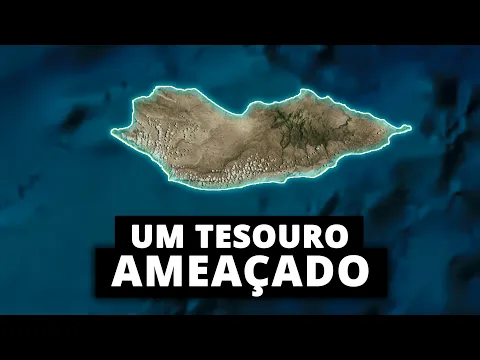

In 2008, The Socotra Archipelago Was Inscribed As A UNESCO Natural World Heritage Site. Despite This, This “Island That Looks Like It Came From Another Planet” Faces Serious Threats. Climate Change Has Intensified Cyclones And Droughts, Devastating Vegetation And Infrastructure. Invasive Exotic Species, Such As Non-Native Goats (Causing Severe Overgrazing That Prevents The Regeneration Of Flora) And The Red Palm Weevil (Which Attacks Crucial Date Palms), Are An Increasing Danger.
Habitat Degradation From Unsustainable Resource Use (Deforestation For Firewood, Overfishing), Uncontrolled Infrastructure Development, And The Impact Of Regional Instability Due To The Conflict In Yemen (Economic Isolation, Weakened Governance For Conservation) Complete The Picture Of Vulnerability. Conservation Efforts Are Underway, Involving Reforestation, Invasive Species Management, And Promotion Of Sustainable Livelihoods, With Support From Entities Such As UNDP-GEF And UNESCO.







-

Uma pessoa reagiu a isso.