





 English
  Francês
  Alemão
  Italiano
  Japonês
  Norueguês
  Portuguese
  Spanish
 4 min of reading


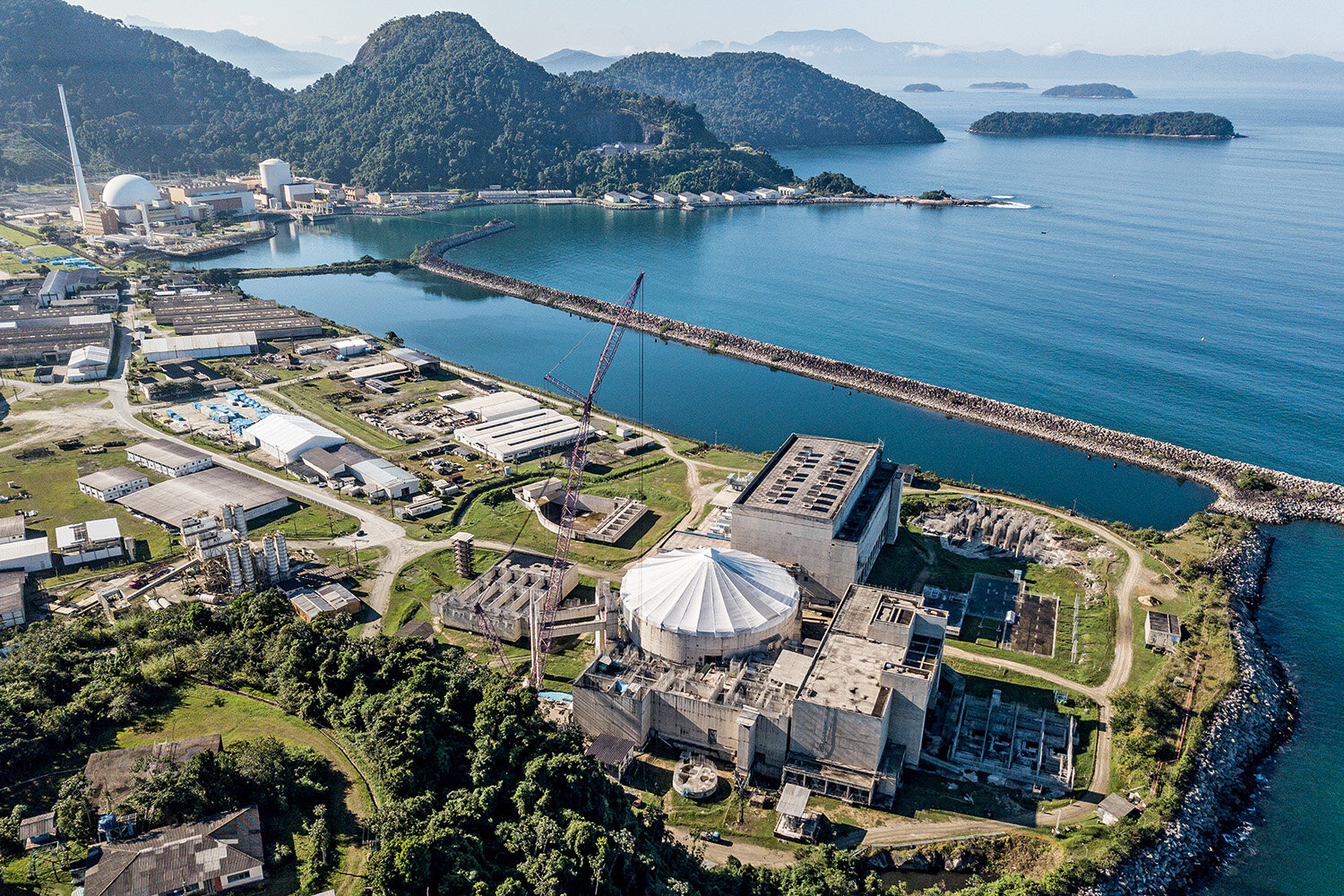
Event in Rio to Discuss the Potential of Nuclear Energy to Reduce Pollution and Promote Industrial Development
The Minister of Science, Technology, and Innovations, Paulo Alvim, participated in the opening of the XIII International Nuclear Energy Seminar (SIEN), held this Tuesday (11/08) at the headquarters of the Federation of Industries of the State of Rio de Janeiro (Firjan), in downtown the state capital. This edition of the event is themed “Nuclear Technology – Friend of the Climate, Humanity, and the Planet.”

The meeting brings together experts to discuss nuclear energy and its potential to drive the development of the Brazilian industry and reduce the emission of greenhouse gases. The minister emphasized that public-private partnerships are the main strategy to encourage increased supply. “More than energy transition, we are talking about energy sovereignty. And nuclear energy plays a fundamental role in this. It is a state project,” he stated.
The Role of Nuclear Energy in Brazil’s Energy Transition
Organized by Casa Viva Eventos, the Seminar will run until Friday (11/10) and will address topics such as the role of nuclear energy in the energy transition of the country and the world, its contribution to reducing CO2 emissions, the rigorous safety standards for its production, and the business opportunities and job creation that the sector can bring to the country. During the panel “Cost of Nuclear Energy vs. Climate Change – For a More Collaborative Matrix,” Eletronuclear nuclear engineer Leonam Guimarães criticized the perception of nuclear energy as a commodity.
-
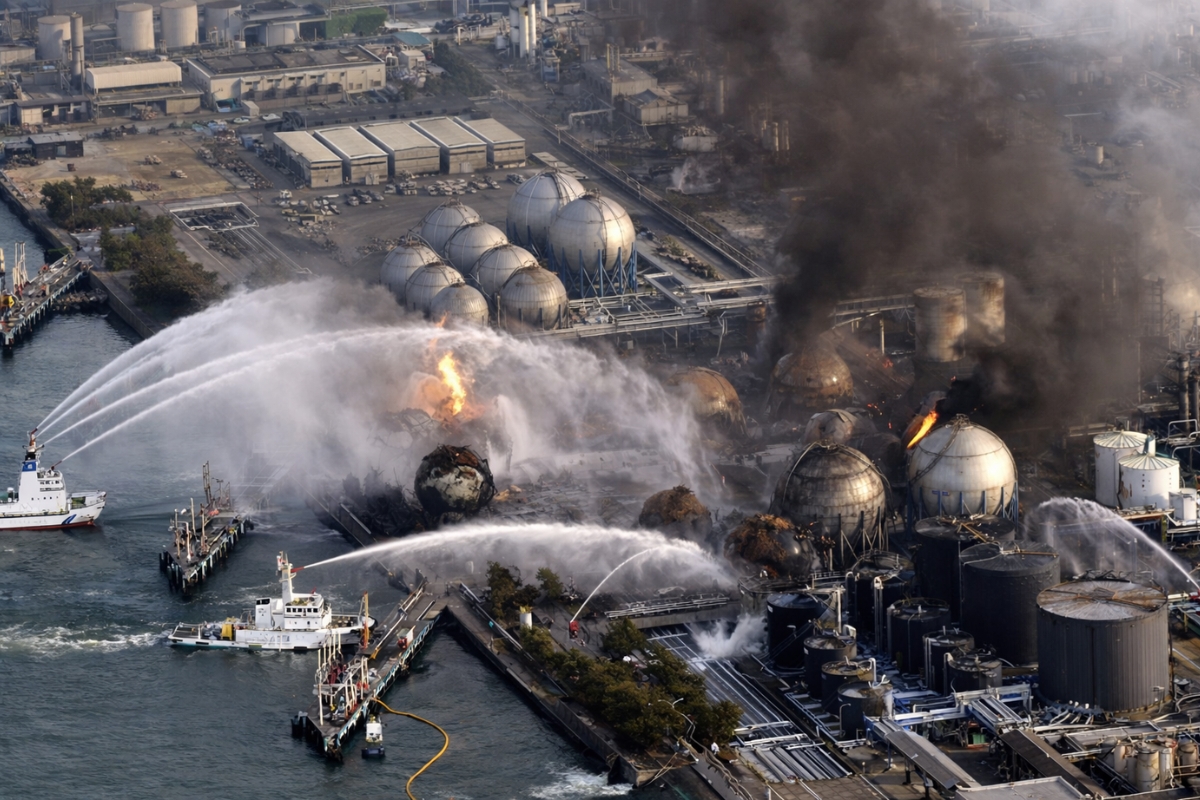
Fukushima Marks A Turning Point In Japan’s Energy Policy: After The Disaster, The Country Shut Down Its 54 Nuclear Reactors And, 15 Years Later, Only A Small Portion Have Returned To Operation
-
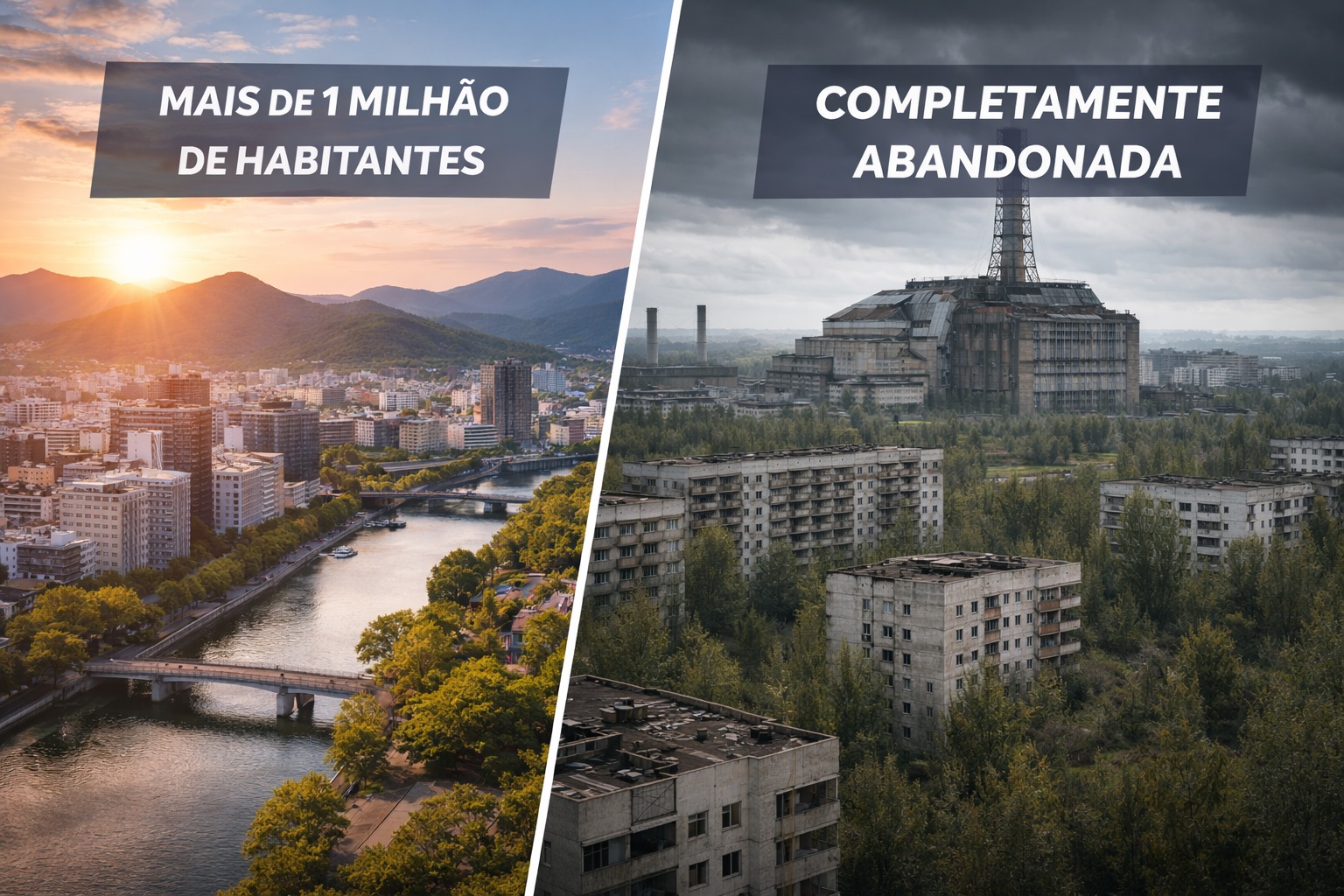
How Japan Overcame The Nuclear Bomb And Now Houses Millions In Hiroshima, While Ukraine Lost Chernobyl?
-
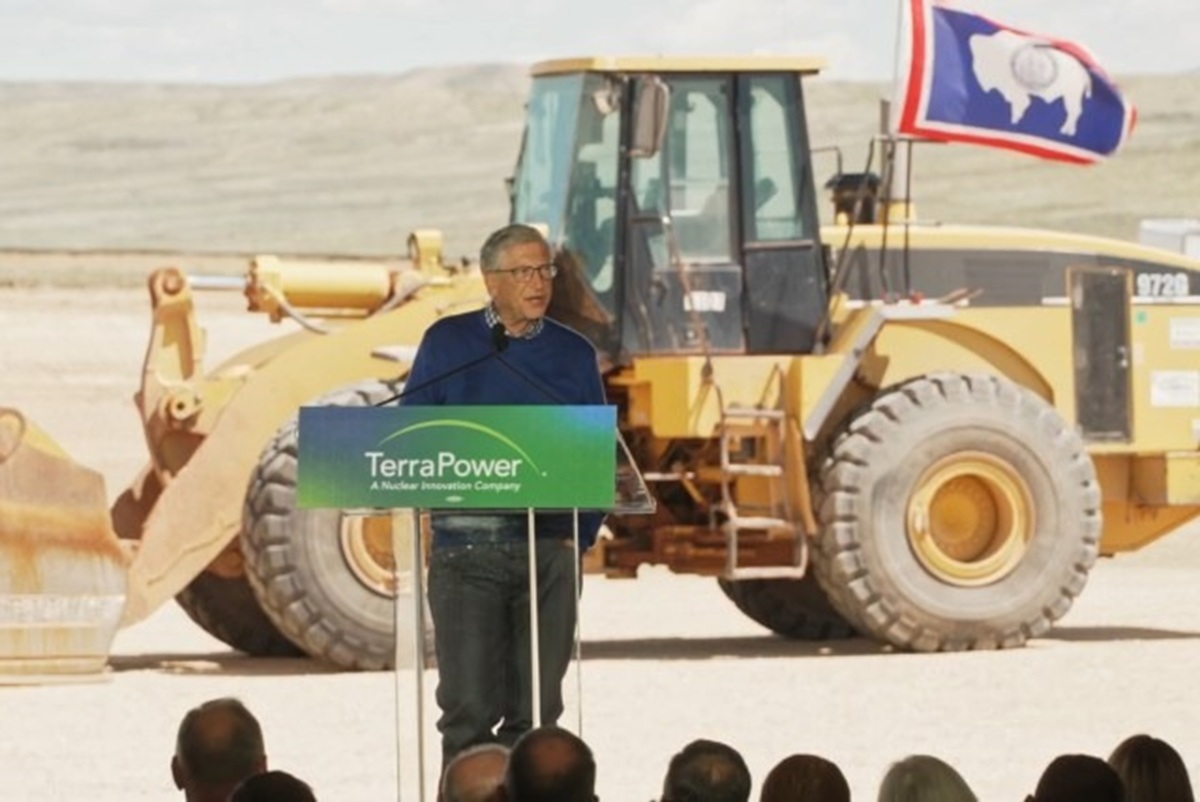
Bill Gates Receives Historic Approval to Build Giant 345 MW Nuclear Plant in the U.S. and Promises to Generate Up to 500 MW of Energy with Innovative Technology
-
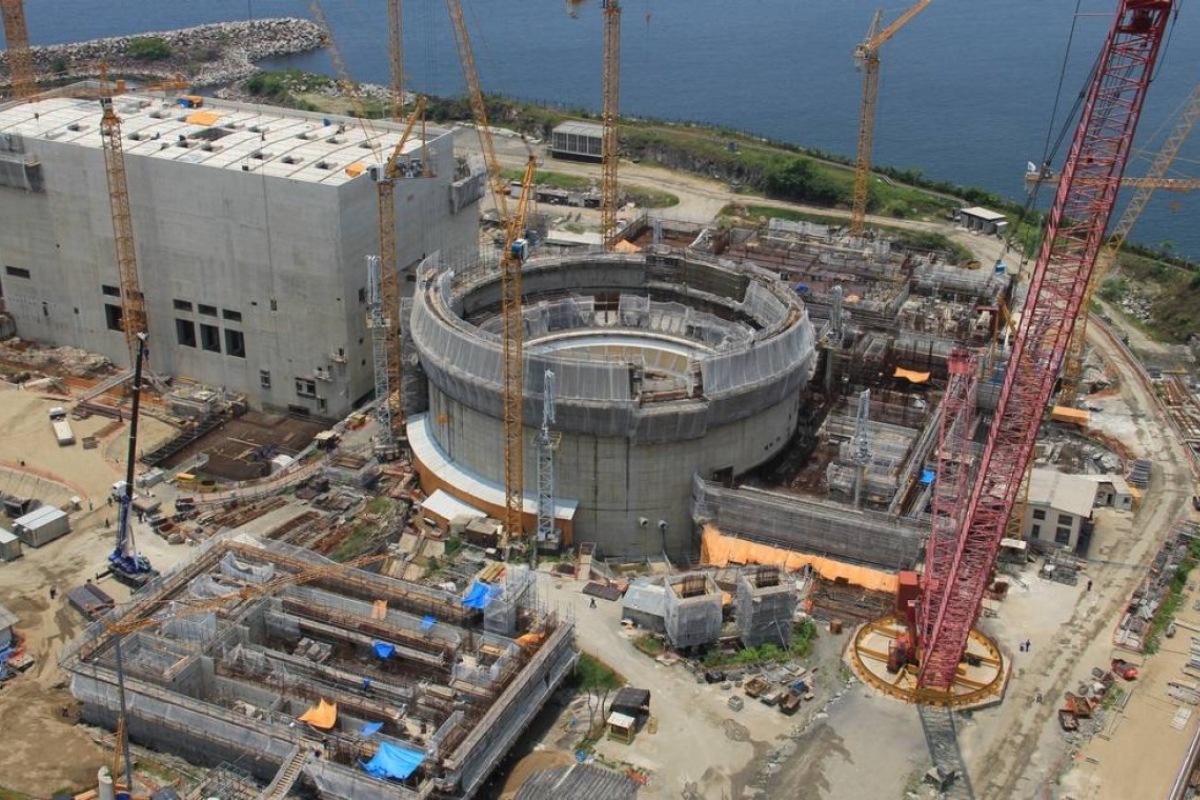
India Opens Nuclear Energy to Private Capital to Accelerate Projects and Attract Billions, While Brazil Remains Stalled at Angra 3 and Discusses Who Will Foot the Bill for Completion

“There is a misunderstanding about the cost of nuclear energy. There are many variables to calculate the cost of energy. The cost is not a measure of the product’s value. The service provided by a wind farm is different from that offered by a hydroelectric plant. They cannot be compared,” he explained, noting that a production and distribution system with low diversity has little reliability.
The challenge faced to restart the Angra 3 plant project was the subject of the debate “Angra 3 – The Mark of Resumption – Contract Model and New Business Opportunities.” Marcelo Gomes, head of the Science, Technology, Innovation, and Generation Expansion Advisory at Eletronuclear, shared that in 2018 a group was created within the company to evaluate the continuation of the works.
BNDES Can Help Enable Nuclear Energy Projects in Brazil
They also decided to contract BNDES to advise on creating a model that fits within a specific financial, legal, and regulatory framework. “The major problem was risk allocation. The partnership with BNDES was crucial to get this modeling on track. There are already people at the construction site pouring concrete,” he celebrated.
Jairo Bastos, an industrial technician and engineer who has worked for Nuclep (the company that manufactures equipment for Angra’s nuclear plants) for 27 years, believes that out of the 17 goals for the millennium set by the UN to improve life on the planet, 11 can be achieved with the help of sustainable industrial development. But for that, clean energy is essential.
In his lecture, he informed that for every R$ 1 invested in the construction of a nuclear plant, R$ 2 returns to the federal government. And these companies can be equipped with Brazilian machines and equipment. “The option would be to import, creating jobs abroad and spending in dollars. The issue is not how much it costs to master a technology. It is how much that mastery is worth, which belongs to a few countries,” he said.
According to the National Energy Balance report from the Energy Research Company (EPE), in 2021, Brazil used 44.7% renewable energy and 55.3% non-renewable energy. Nuclear energy accounts for 1.3% of the total Brazilian energy matrix and reaches 5% worldwide.
The event features participants from the leading companies in the nuclear sector, experts and authorities, such as ABDAN (Brazilian Association for the Development of Nuclear Activities); the Deputy Director General and Head of the Nuclear Energy Department of the International Atomic Energy Agency – IAEA, Mikhail Chudakov; the presidents of ENBPar, Ney Zanella; of CNEN, Paulo Roberto Pertusi; of Eletronuclear, Eduardo de Souza Grivot Grand Court; of NUCLEP, Carlos Seixas; and of INB, Carlos Freire; and the Technical Director of Amazul, Carlos Alberto Matias.
Source: Nelza Oliveira | Primeira Linha Comunicações







Seja o primeiro a reagir!