Portuguese
  Spanish


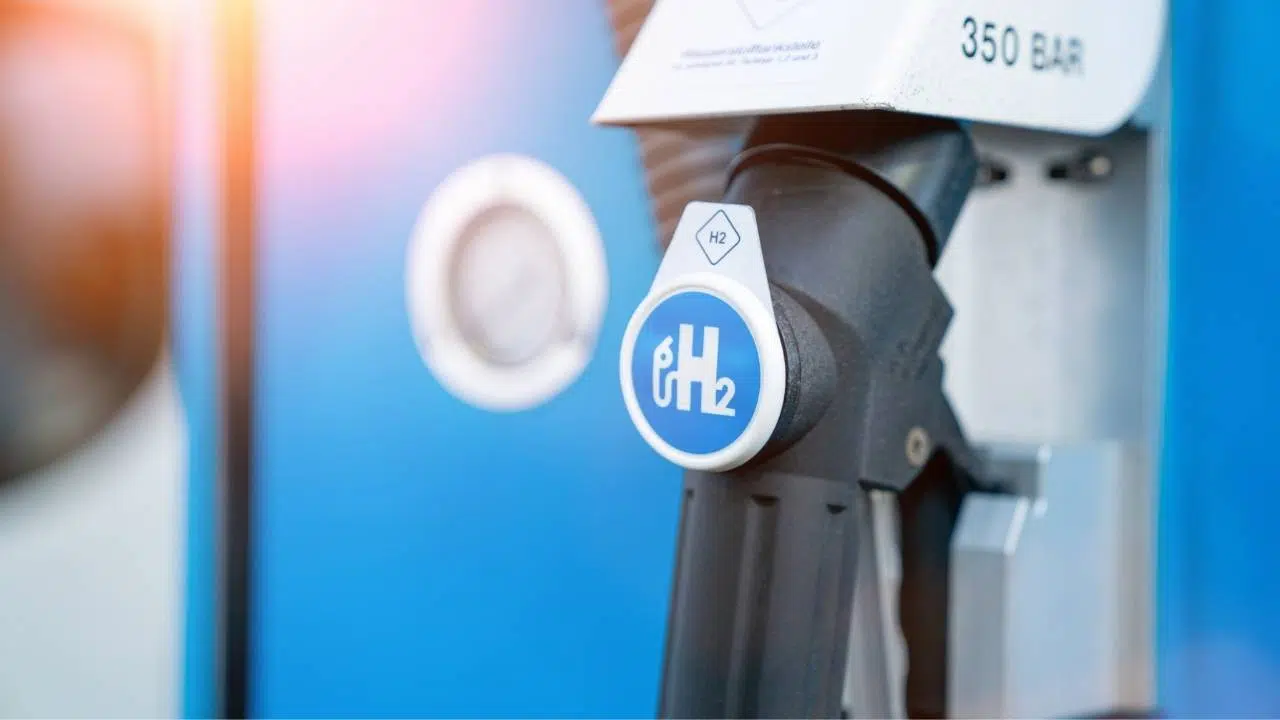


Today, we can say that there are several challenges to making liquid hydrogen a green energy source and an effective alternative to fossil fuels. One of the major challenges is its abundance, as there is little pure liquid hydrogen on Earth, since most of it is contained in water.
However, a new development has emerged in the scientific community. A team of scientists has managed to produce liquid hydrogen from air, generating the substance through renewable energy. The study was published in a paper on hydrogen in Nature Communications. Unlike other raw materials like oil and natural gas, the combustion of hydrogen does not produce carbon dioxide, the gas responsible for advancing the greenhouse effect, producing only water. Thus, hydrogen is an excellent alternative as a green fuel.
However, obtaining liquid hydrogen is still a significant challenge. This is because it is part of the composition of water (H2O) and compounds such as oil and natural gas. Therefore, a chemical process is needed to extract that element from the compounds, which requires energy and incurs a high cost for the project’s developers. On the other hand, there is also a problem, as obtaining hydrogen from fossil fuels also generates carbon dioxide; therefore, these sources remain ineffective in producing clean energy, serving as a pillar for the advancement of the greenhouse effect on the planet.
Liquid Hydrogen Is a Great Option to Combat the Greenhouse Effect
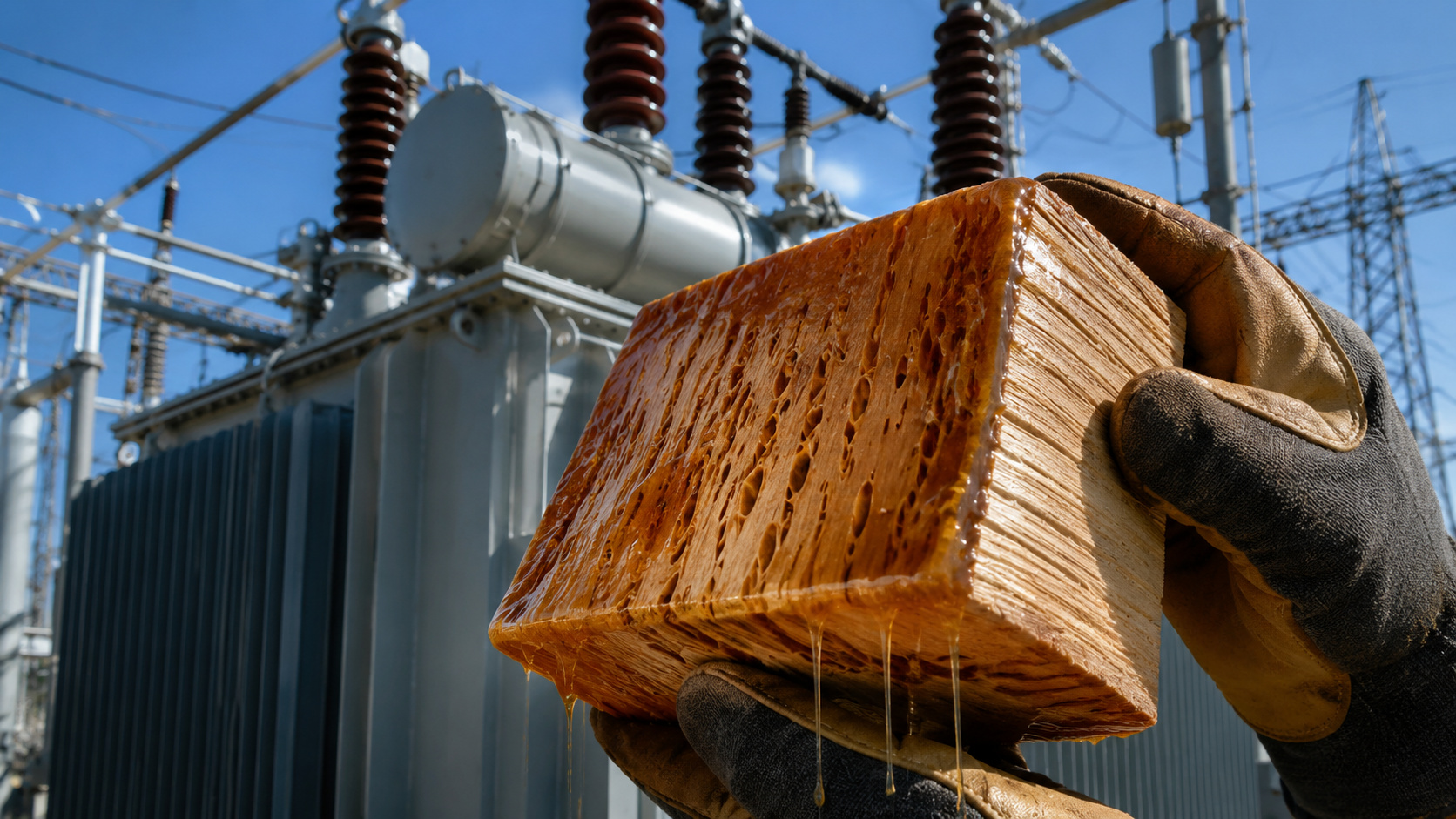
To produce liquid hydrogen from water, a process known as electrolysis is used. Basically, electric current is used to split water molecules into hydrogen and oxygen. This process was the cornerstone of the project led by Gang Kevin Li, who works in the Chemical Engineering Department at the University of Melbourne in Australia. However, to differentiate the project, instead of using water in its liquid state, the scientists managed to collect moisture from the air to produce liquid hydrogen. To do this, they used a type of sponge equipped with substances capable of absorbing moisture from the air, such as sulfuric acid, for example.
-
Fired during apartheid and with a little borrowed money, an electrician started with a borrowed truck and transformed electrical services into a group connected to energy, real estate, and infrastructure in South Africa.

-
Wood has ceased to be just a construction material in Yale research and has become insulation for electrical transformers that face intense heat, aging, and increasing pressure from the renewable energy-powered grid.
-
More than 1,000 residents of a remote island in Kiribati now have clean water and electricity with solar systems operated by the community itself.
-
Corn ethanol attracts R$ 23 billion in 21 new plants and prepares for a nearly 50% jump in Brazilian production by 2027, even with high interest rates.




Then, with the help of electricity from renewable sources, such as wind or solar energy, they used electrolysis to split water molecules, obtaining gaseous hydrogen. In an article published in New Scientist, Gang Kevin Li, the project coordinator, stated that this is the first technology capable of producing highly pure hydrogen directly from the air, making it possible to carry out the process anywhere on Earth, as long as there is enough energy. The scientist stated that the process occurs even in atmospheric conditions of 4% humidity, equivalent to a very low concentration of water in the air.
Liquid Hydrogen Can Be Produced Anywhere on Earth
The new process allows for the production of liquid hydrogen in areas with great scarcity of liquid water, such as in desert environments, but that have an endless source of renewable energy, like solar energy. The device assembled by the scientist’s team uses solar panels, which are capable of operating for 12 consecutive days. Thus, the team estimates that it is possible to obtain 745 liters of liquid hydrogen per square meter in just 24 hours, from the material that absorbs moisture from the air. Basically, liquid hydrogen requires little energy to ignite. Therefore, it is worth mentioning that it has the capacity to become flammable according to the trend of changing physical states, especially when, during the change, the gas mixes with the air.