





 English
  Francês
  Alemão
  Italiano
  Japonês
  Norueguês
  Portuguese
  Spanish
 4 min of reading


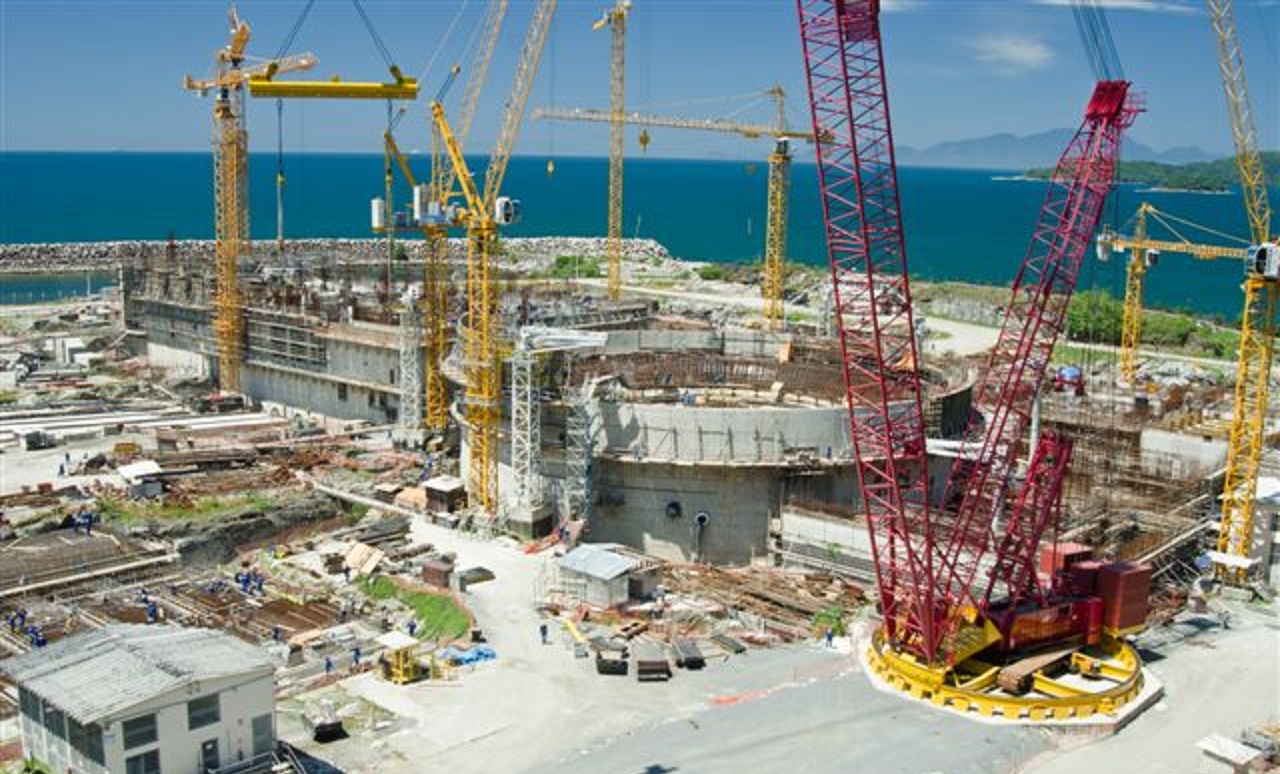
The Nuclear Sector Has Potential to Contribute to a Cleaner World, as It Is the Second Largest Source of Low-Carbon Energy, and Represents 10% of Global Energy Production
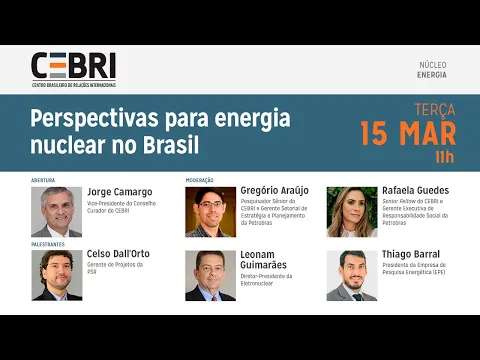
The prospects for nuclear energy and the importance of the sector in the transition to a more sustainable world were themes of a webinar hosted by the Brazilian Center for Public Relations (Cebri) this Tuesday (15). The meeting brought together experts from various institutions advocating for nuclear energy as a powerful source of cheaper electricity generation without greenhouse gas emissions.
See Also
- Strengthening Ties with Russia in the Nuclear Energy Sector, Brazil May Gain Promising Projects for Small Modular Reactors
- Nuclear Energy Is Better than Solar Energy Because It Pollutes Less, Says Expert
Nuclear energy accounts for 3% of the energy matrix in Brazil. This source of electricity, although it aligns with sustainability, is still viewed with prejudice due to past accidents in power plants. The most well-known case occurred in Chernobyl, Ukraine, in 1986, resulting in over 2.4 million deaths.
Present at the Cebri webinar, Leonam Guimarães, the CEO of Eletronuclear, stated in his opening remarks how nuclear energy can provide security for the energy sector, exemplifying the “oil crisis” that occurred in the 1970s and the fact that France today derives about 70% of its matrix from the sector.
-
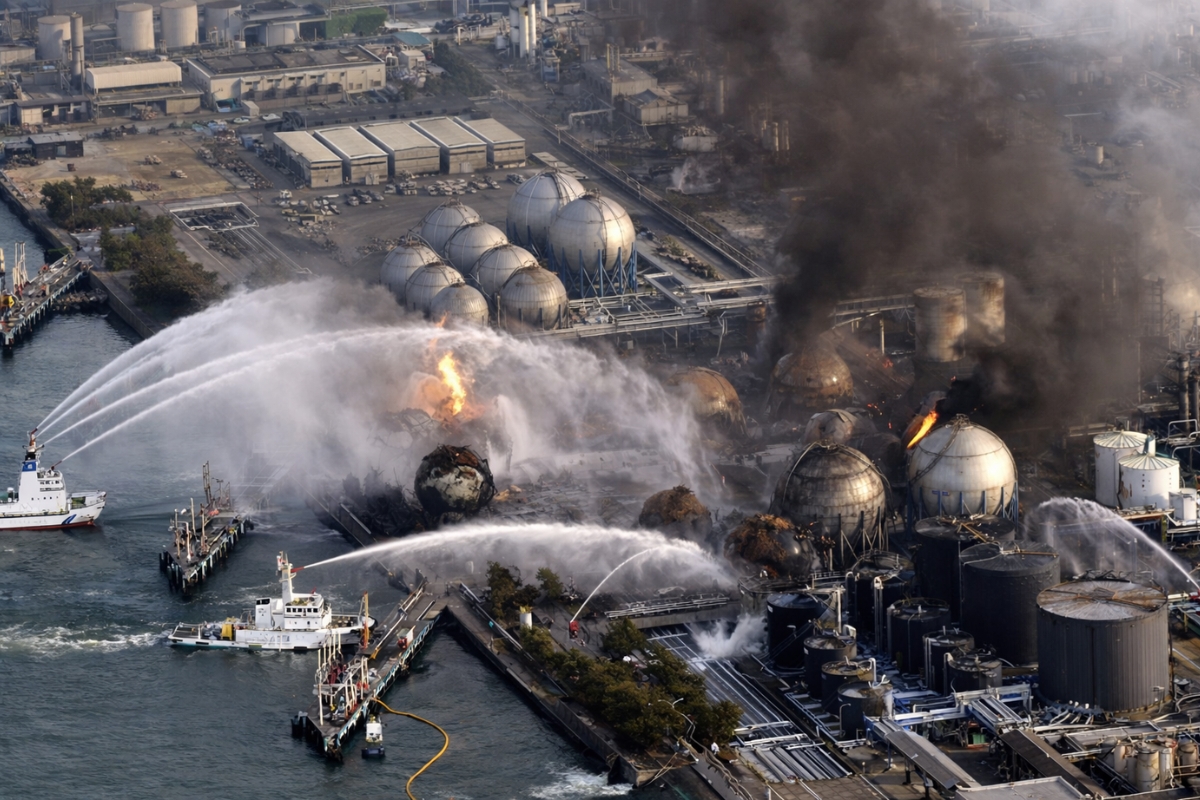
Fukushima Marks A Turning Point In Japan’s Energy Policy: After The Disaster, The Country Shut Down Its 54 Nuclear Reactors And, 15 Years Later, Only A Small Portion Have Returned To Operation
-
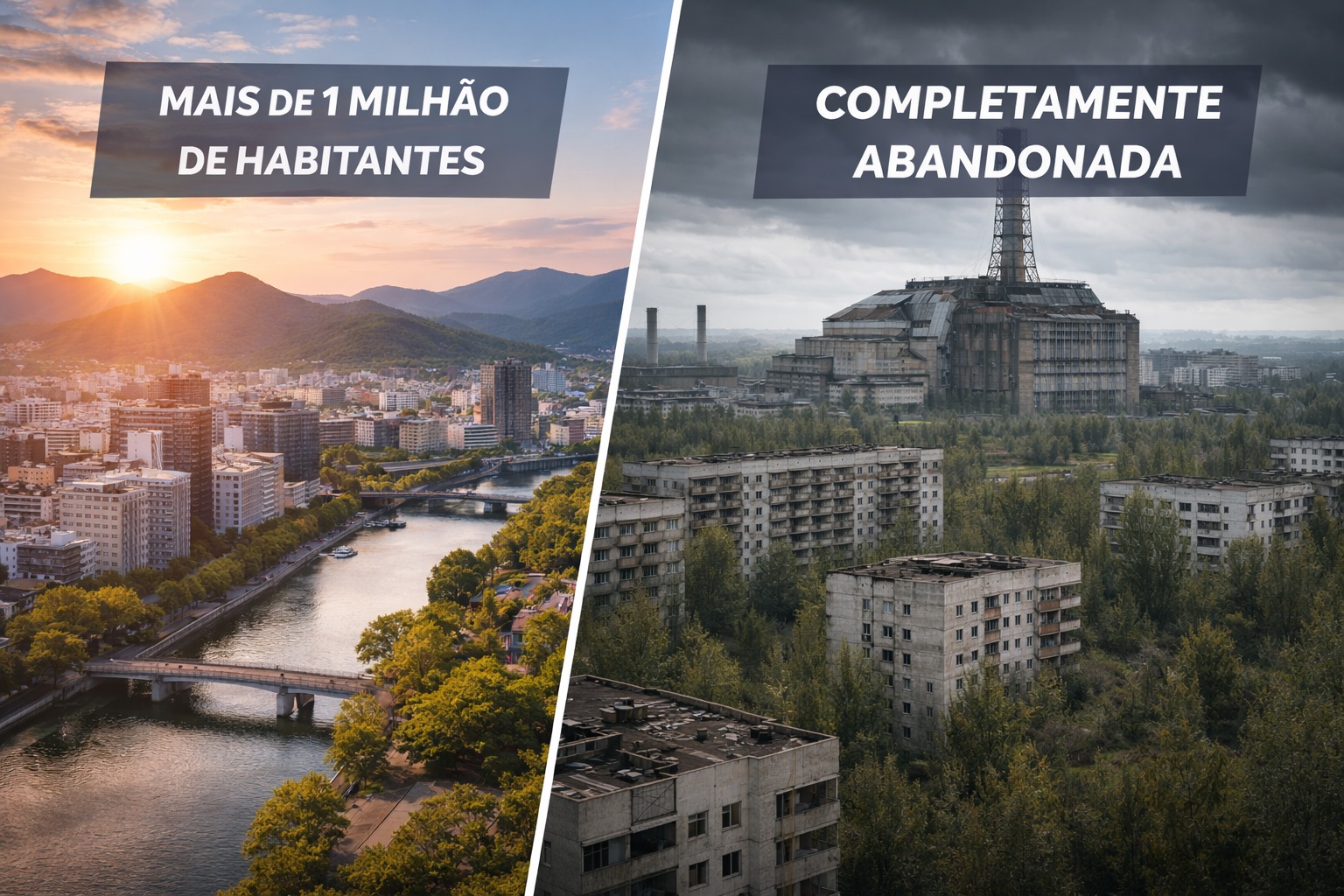
How Japan Overcame The Nuclear Bomb And Now Houses Millions In Hiroshima, While Ukraine Lost Chernobyl?
-
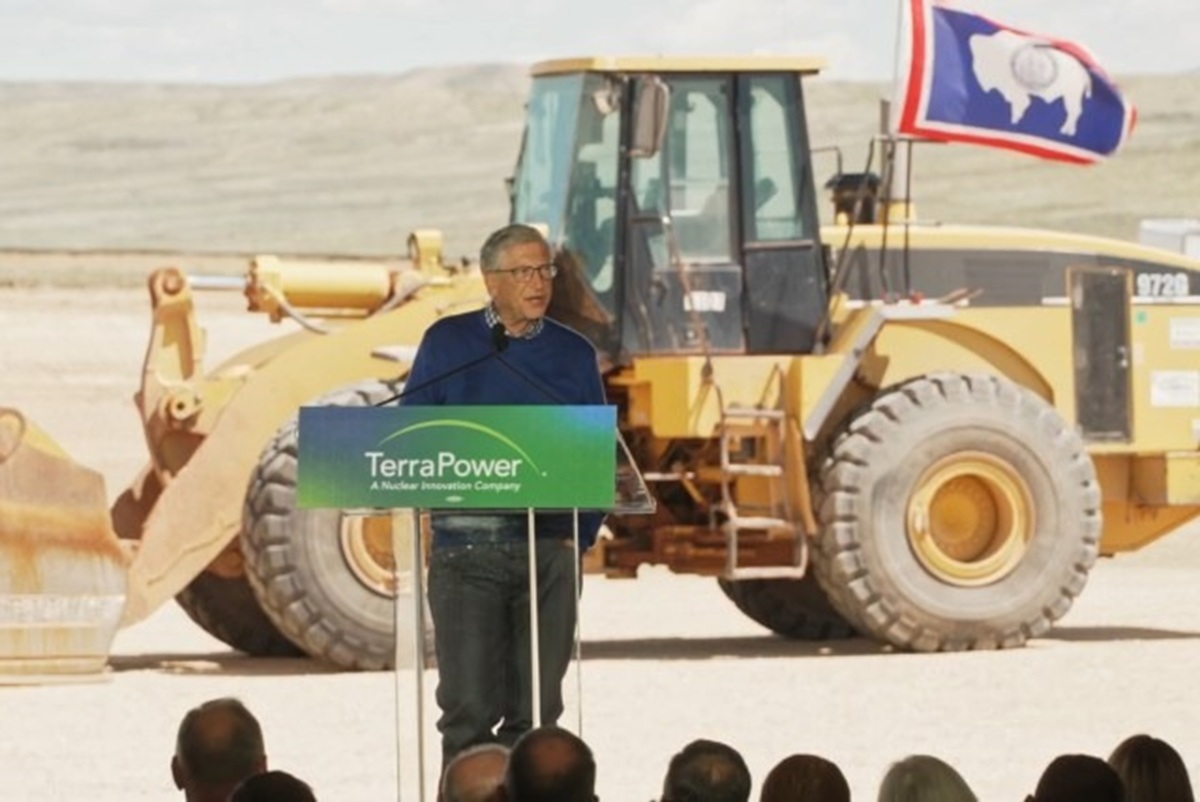
Bill Gates Receives Historic Approval to Build Giant 345 MW Nuclear Plant in the U.S. and Promises to Generate Up to 500 MW of Energy with Innovative Technology
-
India Opens Nuclear Energy to Private Capital to Accelerate Projects and Attract Billions, While Brazil Remains Stalled at Angra 3 and Discusses Who Will Foot the Bill for Completion


“Fear is Caused by Ignorance. Energy Security Is at the Core of the Evolution of Nuclear Energy Because It Has Been Strongly Associated with the Oil Crises of the 1970s (…) Nuclear Energy Has a Significant Effect in Terms of Increasing Energy Security.”
Leonam Guimarães – CEO of Eletronuclear
Still regarding energy security, the president of the Energy Research Company (EPE), Thiago Barral, pointed out that nuclear energy combines the imperatives of energy security with the pace of transition to decarbonization, stating that regarding the National Energy Plan 2050, the nuclear sector should minimize regrets about what Brazil has already established in expertise in energy production from other sources.
“Our Role Is Not the Lowest Cost, but Reducing the Cost of Regrets. Given a Huge Diversity of Scenarios, How Do We Make Choices That Do Not Put Us in ‘Dead Ends’? Over the Decades, Brazil Has Built Expertise, Accumulated Knowledge and Technology, So There Is All This Asset That Has Been Invested Over Many Years. If We Opt to Abandon This Energy, We Deconstruct This Asset, and Will This Generate a Regret Cost Down the Road When We Eventually Face a Tie in the Fuel Supply Chain?”
Thiago Barral – President of EPE
The War in Ukraine Could Not Be Left Out of the Energy Market Perspective
According to the project manager at PSR, Celso Dall’Orto, the impacts of the war between Russia and Ukraine are still uncertain, but there will indeed be impacts.
“We Know That Issues of Logistics, Immediate Prices and Fuel Prices Will Change, but the Duration of This War and the Outcome Will Have a Significant Impact on This Energy Issue Globally,” said Dall’Orto. “Technologies That Were Previously Seen as Expensive Are Taking on a New Perspective, and This Includes Nuclear Power Plants, Both Traditional and Small Modular Ones,” he added.
The Brazilian electric matrix is composed mainly of renewable sources, but it is quite dependent on hydrology. Currently, hydropower plants are going through a good period – after a prolonged drought that caused increased electricity bills for Brazilians – which somewhat reduces the impact of rising costs. “The Ideal in a Matrix Is the Construction of a Portfolio with Various Sources, with the Cheapest and Most Immediate Ones, to Ensure the Sovereignty of Energy Production,” commented Dall’Orto.
Nuclear Energy in Brazil: How Can the Sector Stop Being Viewed as a Villain to Become a Truly Clean Alternative?
Nuclear energy is viewed with considerable prejudice. As mentioned above, it was accidents at power plants and the creation of nuclear weapons in other countries that established the image of the sector as a poison for humanity.
Nuclear energy is gaining strength in the projects of various nations that aim to reduce electricity costs and meet environmental goals. Nuclear power plants are capable of producing electricity on a large scale and do not compromise efforts and targets for reducing greenhouse gas emissions and decarbonization. In Brazil, there are 2 nuclear power plants in operation: They are:
- Angra 1, the first Brazilian nuclear power plant, started operations in 1985
- Angra 2, which began operation in 2001.
The electricity generated by these two nuclear power plants supplies a region with around 3 million people. In total, there are 1,990 megawatts of capacity.
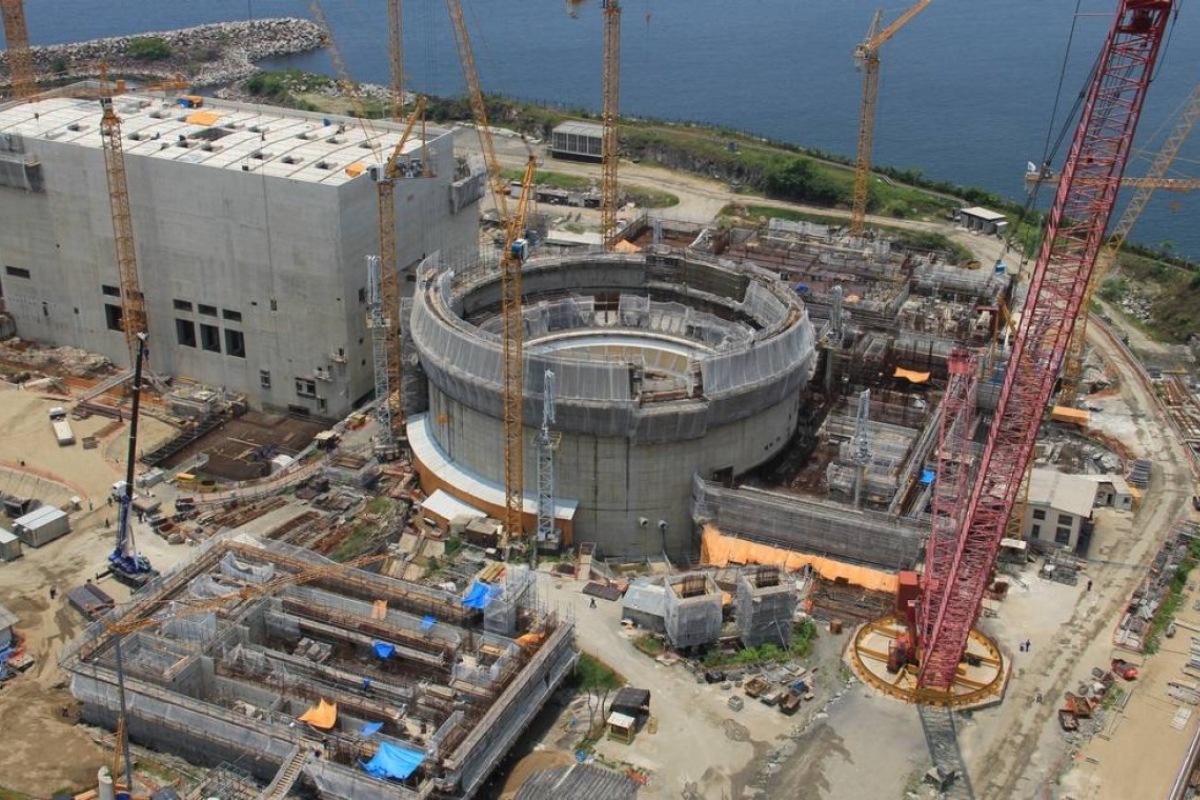
With about 70% of civil works completed and 75% of the plant’s equipment purchased, according to Eletronuclear, Angra 3 is expected to start operation in 2027. It should generate enough electricity to supply 4.5 million Brazilians, at 1.4 gigawatts.
The Minister of Mines and Energy, Bento Albuquerque, stated that the works for a 4th nuclear power plant in the country should begin even before the completion of Angra 3. The project is part of the Decadal Energy Plan 2031.








Seja o primeiro a reagir!