






 Portuguese
  Spanish


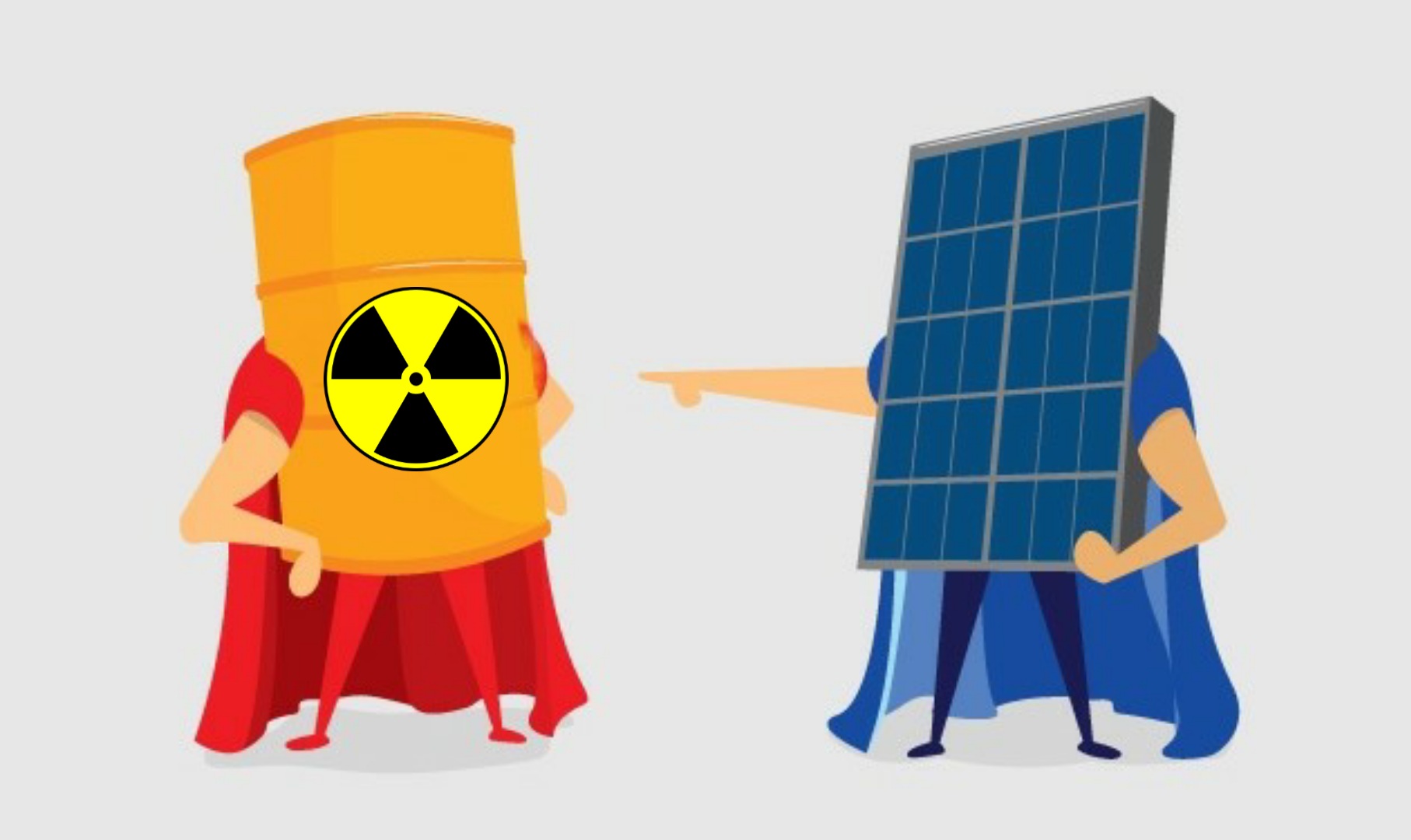

Renewable or Nuclear Alternatives, Which Is Better? Nuclear Energy or Solar Energy? This Is What Brazilian Journalist and Author Leandro Narloch Discussed in a Chat on Rede TV.
Nuclear energy and solar energy are the main competitors for low-carbon electricity in most countries. As renewable energy technologies have grown in volume and investment, and become much cheaper, nuclear proponents and climate science deniers have turned into deniers of renewable energy.
Also Read
- Capixaba Working in Offshore Oil in the Gulf of Mexico Reports That Brazilians Are Well Accepted by Drilling Companies
- Angra 3 Nuclear Plant, Even Incomplete, Has Costs Above US$ 10 Million Annually
- Bolsonaro Wants to Complete Angra 3 and Build Up to 8 Nuclear Plants
- Government Authorizes the Resumption of Construction of the Angra 3 Nuclear Plant in Rio de Janeiro
Why Are Nuclear Plants More Reliable?
Nuclear plants are typically used more frequently because they require less maintenance and are designed to operate for longer periods before refueling (usually every 1.5 or 2 years).
Natural gas and coal capacity factors are generally lower due to routine maintenance and/or refueling at these facilities.
-
At 14 years old, she worked in a factory in Hong Kong, studied economics abroad, and then entered the Chinese real estate market, which helped change the landscape of Beijing.

-
Fired during apartheid and with a little borrowed money, an electrician started with a borrowed truck and transformed electrical services into a group connected to energy, real estate, and infrastructure in South Africa.
-
Wood has ceased to be just a construction material in Yale research and has become insulation for electrical transformers that face intense heat, aging, and increasing pressure from the renewable energy-powered grid.
-
More than 1,000 residents of a remote island in Kiribati now have clean water and electricity with solar systems operated by the community itself.



Renewable plants are considered intermittent or variable sources and are generally limited by a lack of fuel (i.e., wind, sun, or water). As a result, these plants need a backup energy source, such as large-scale storage (currently not available at grid scale) – or they can be combined with a reliable baseload energy source like nuclear.
Nuclear Energy Is the Safest of All and Emits Zero Carbon into the Atmosphere – Says Leandro Narloch
Neither nuclear nor most solar energy technologies emit CO2 during operation. However, significant comparisons should compare entire life cycles, from raw material mining to waste management.
Nuclear energy physicist and nuclear supporter Manfred Lenzen found average lifecycle emissions for nuclear energy, based on high-grade uranium ore mining, of 60 grams of CO 2 per kilowatt-hour (g/kWh), for wind of 10-20 g/kWh and for natural gas 500–600 g/kWh.
‘’Solar energy takes up more space, and in terms of global warming, nuclear energy is undoubtedly better,” says Leandro.


Is It Better to Build More Solar Energy or Nuclear Power Plants?
While solar energy appears cheaper than its competitor, intermittency means that solar plants operate at 20 to 30% capacity. This is lower than the average of 90% for a nuclear plant.
But under current estimates, a nuclear plant is nearly 10 times more expensive to build than solar energy at a utility scale based on cost per KW, for this reason, some investors believe it is not worth it.
Ultimately, countries that have already adopted nuclear energy will likely maintain its use for now. Looking ahead, the eventual displacement of nuclear energy in favor of solar and wind energy seems increasingly likely. The massive price disparity in producing nuclear and green energy alone guarantees an eventual market transition.
By combining social and environmental impacts, it becomes clear that nuclear energy is quickly becoming obsolete, but it will hardly cease to be an alternative for most countries that use it.






