





 Portuguese
  English
  Spanish
  5 min of reading
  0 comments


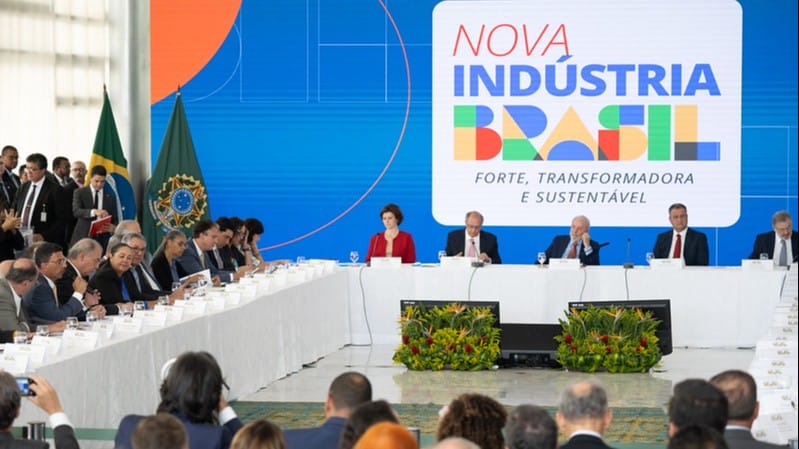
CNI President Discusses New Industrial Policy and Harvest Plan, with Fiscal Impact of R$ 246 Billion.
The industrial policy is fundamental for a country’s economic development. It encompasses a series of measures and strategies from the government to boost industrial production and stimulate economic growth. Through industrial policy, the state can implement tax incentives, financing, and public-private partnerships to strengthen the national industry and make it more competitive in the global market.
The debate surrounding state policy and the government’s role in promoting the country’s development is essential. The New Industry Brazil brings with it the proposal for a new industrial policy, focused on making the country more competitive and innovative. The effective implementation of New Industry Brazil can be a significant boost for the national economy and for job creation, promoting sustainable growth and the modernization of the national industry.
The Importance of New Industry Brazil in Brazilian Industrial Policy
After all, what is New Industry Brazil about, and what does it intend, and why should it be supported not only by the industry? In summary, its guiding thread is to align public and private agents to position Brazil in facing contemporary challenges. This is done through four transversal themes: innovation, productivity, decarbonization, and exports, with the industry as the central element in inducing a new cycle of economic and social development.
-
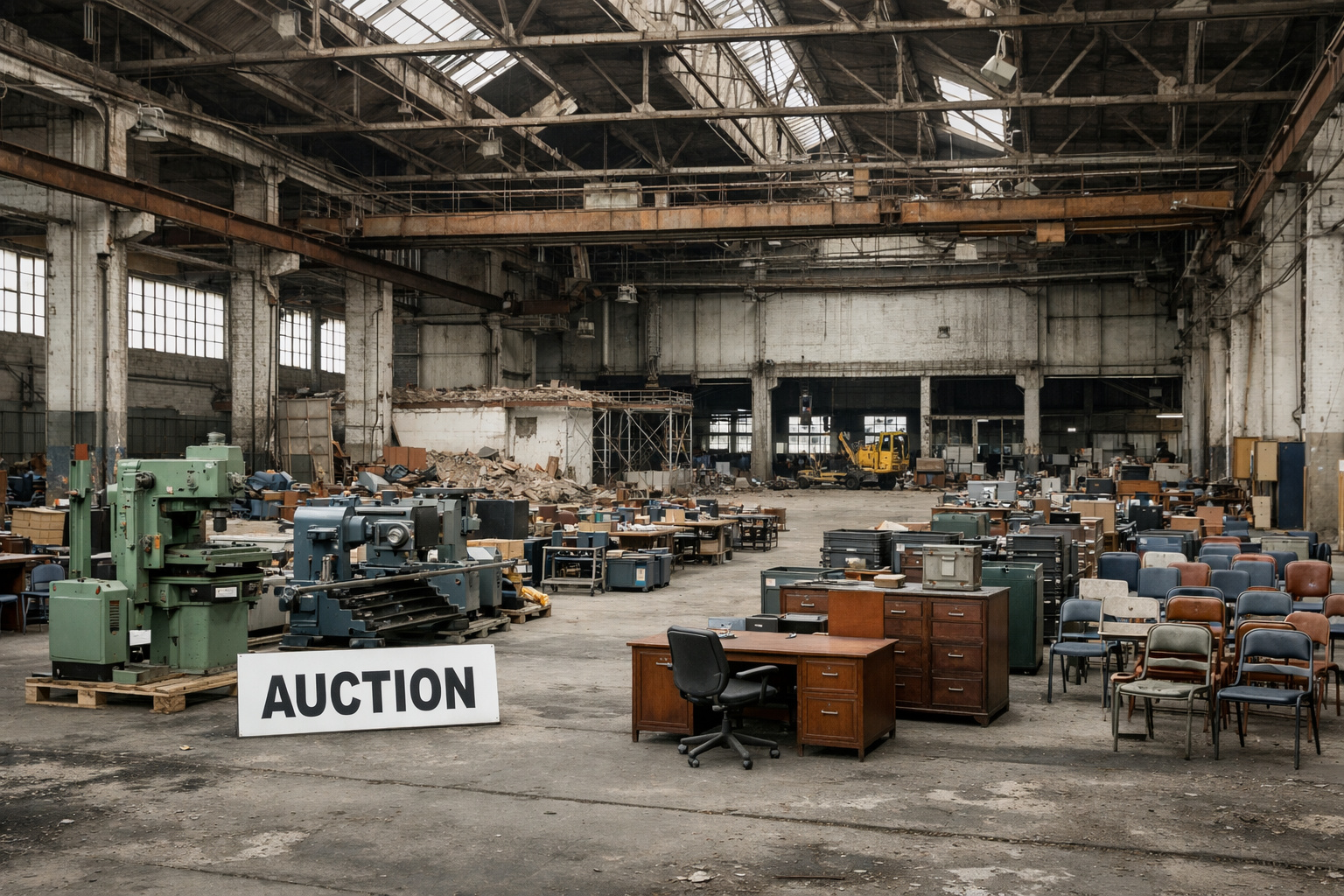
Historic bankruptcy of Centauro shocks the market, and the century-old company puts more than 500,000 products, machines, and complete infrastructure up for online auction.
-
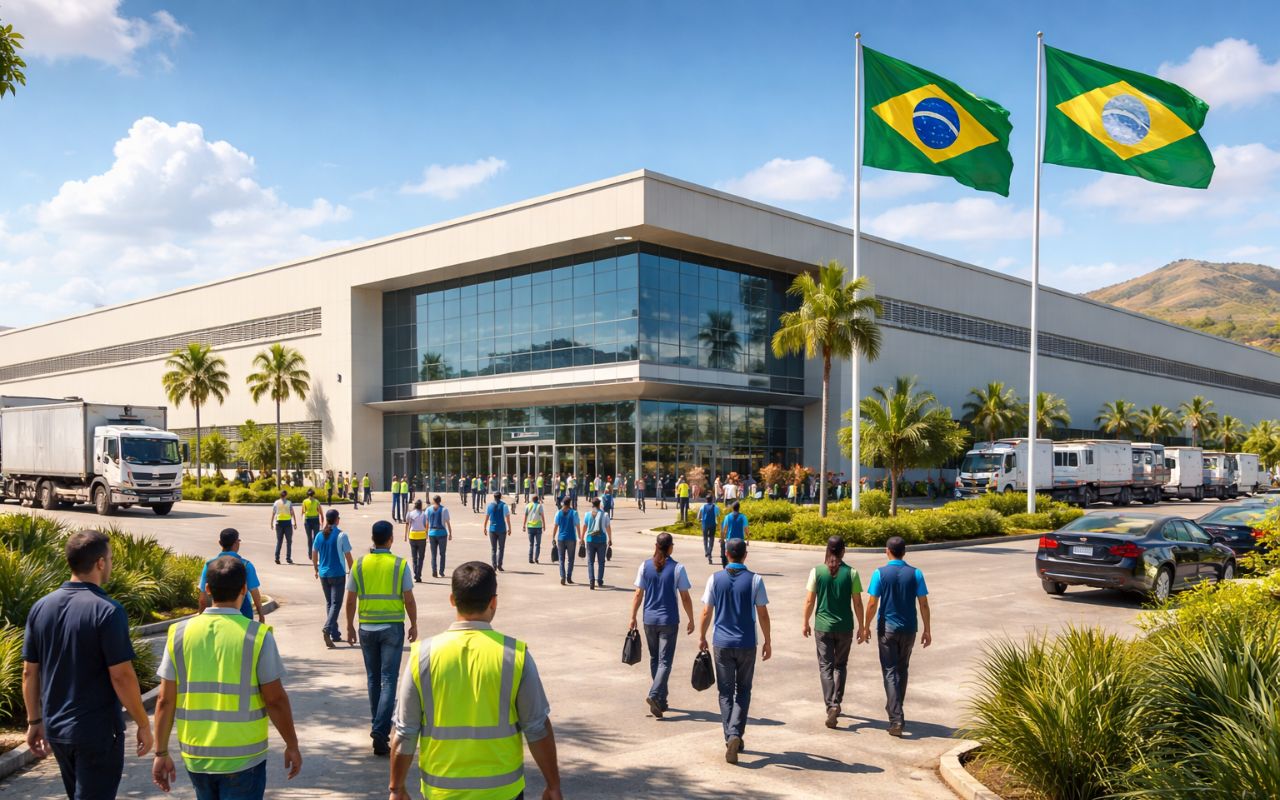
New shoe factory in Ceará is expected to create 400 jobs and strengthen the local economy.
-
No one imagined it, but a mixture of sawdust with a mineral that fights fires surprises scientists with a result that changes the course of fire-resistant construction.

-
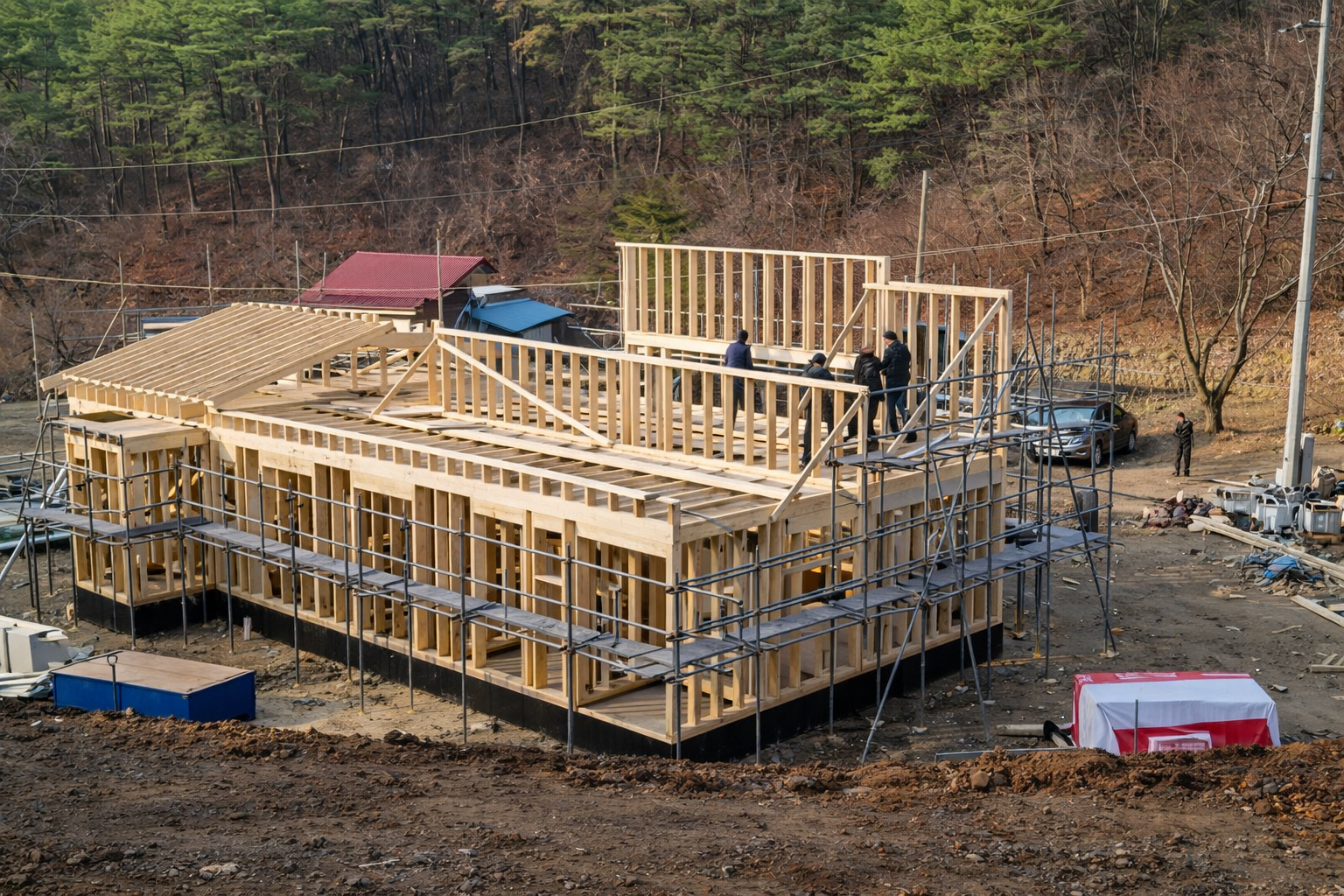
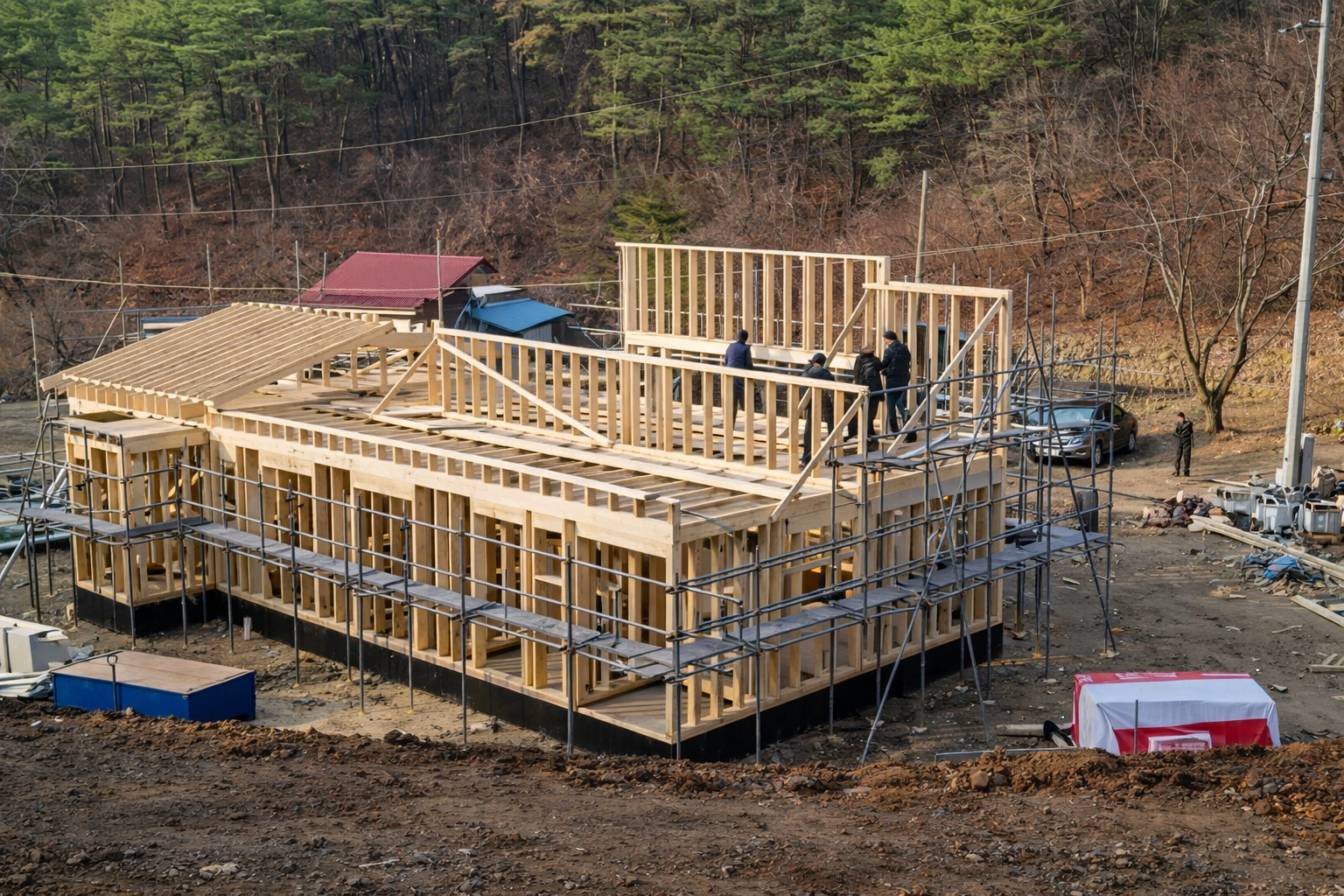
From empty land to a high-end house, wooden construction uses a lightweight system, metal structure for the foundation, ventilated ceramic cladding, and special windows to create an efficient and comfortable living space throughout the year.

The adoption of public policies focused on the industry has a simple explanation. Whether in the most developed economies or in Brazil, it is the industry that has the capacity to energize productive chains and other sectors of the economy. It is also in the industry that innovation is most supplied and consumed, where value is added to the national product and the best jobs are found.
The Role of State Industrial Policy in the Country’s Development
This modern reasoning shows an opportune connection between the design of the missions contained in the new industrial policy and the challenges of real Brazil. It is based on the premise that there are systemic problems affecting the productive sector and that, if solved, the entire society will reap the benefits of this effort. After all, if one economic sector grows, the economy grows in tandem, bringing positive effects on the labor market, income, and the citizen’s quality of life.
Take, for example, the old challenge of low productivity faced by the Brazilian industry, a problem that affects small and medium-sized enterprises even more intensely. It makes sense, therefore, that the axes More Productivity and More Innovation and Digitalization, from the More Production Plan, seek to direct and coordinate actions and resources to solve a transversal problem, with R$ 246 billion in financing.
The Impact and Importance of Industrial Policies for the National Economy
On the other hand, the effects of climate change affect us as a society. It is understandable, therefore, that the government seeks to coordinate public and private agents around structured actions to reduce greenhouse gas emissions, promote the transition to a cleaner and more efficient energy matrix, and develop the bioeconomy based on the wealth of natural resources.
Or, still, to strengthen the productive complex of health to reduce the vulnerability of the Unified Health System (SUS) in the face of the high concentration of medical and pharmaceutical supplies production in Asian countries. It is not difficult to remember the scarcity of basic products, such as hand sanitizer, latex gloves, and active pharmaceutical ingredients, when the COVID-19 pandemic caused a disruption in global production chains. Establishing an industrial policy mission with this focus and goal makes perfect sense, and New Industry Brazil correctly prioritizes this.
Examples of Impact of Industrial Policy on the Country’s Development
For those who evaluate New Industry Brazil looking in the rearview mirror, it is worth recalling good examples of industrial policy that contributed to solidifying important sectors of our economy. In the field of the health industrial complex, a recent and successful example of industrial policy guided by the mission concept is that of generic medicines, in the 1990s, which expanded the population’s access to cheaper drugs.
The Pró-Alcool program, on the other hand, in the 1970s, placed Brazil at the forefront of biofuels production and paved the way for a solid productive and research and innovation structure that is a global reference. Embraer, the third-largest commercial aviation company in the world, serves as an anchor for an advanced industrial base, both in civil and military aviation.
The Role of State Policy in the Development of the New Brazilian Industry
It is worth remembering that Brazil is an agro-industrial power because it understood, as state policy, that investing in innovation and technology is the way to promote the development of an economic sector as a whole. Just as the previous policies made Brazil a great reference in agribusiness, the new policy goes in the same direction but focuses on industry, transversally, with programs and actions aimed at the challenges posed by the current economic, environmental, and geopolitical scenario.
In response to this same scenario, industries in the United States, the European Union, the United Kingdom, and Japan are receiving US$ 6.8 trillion in industrial policies. If in these countries the objectives cannot be achieved alone, our situation is even more difficult since we start from a business environment that costs companies R$ 1.7 trillion a year due to Brazil’s Cost and a banking spread of 27.4%, compared to a global average of 7.3%.
In New Industry Brazil, R$ 300 billion is to be employed over four years, or R$ 75 billion a year, with zero additional fiscal impact. These are resources already included in the federal government’s budget, whether in the funds that will feed the program, such as FNDCT, FUST, and FAT, or through international fundraising – like that which occurred in November 2023, where the demand for the bonds exceeded the supply by three times.
The Industry’s Commitment to Productive Development
For these reasons, the industry is deeply engaged with this agenda. We will work to ensure that the resources employed translate into productive development, economic growth, jobs, and income for the Brazilian population.
*Ricardo Alban is a businessman and president of CNI.
The article was published in the newspaper Valor Econômico on 01/30/2024.
REPRODUCTION OF THE ARTICLE – The articles published by Industry News Agency have between 4,000 and 5,000 characters and can be reproduced in full or in part, as long as the source is cited. Possible changes for publication should be consulted beforehand.
Source: Industry Portal







Seja o primeiro a reagir!