






 Portuguese
  Spanish


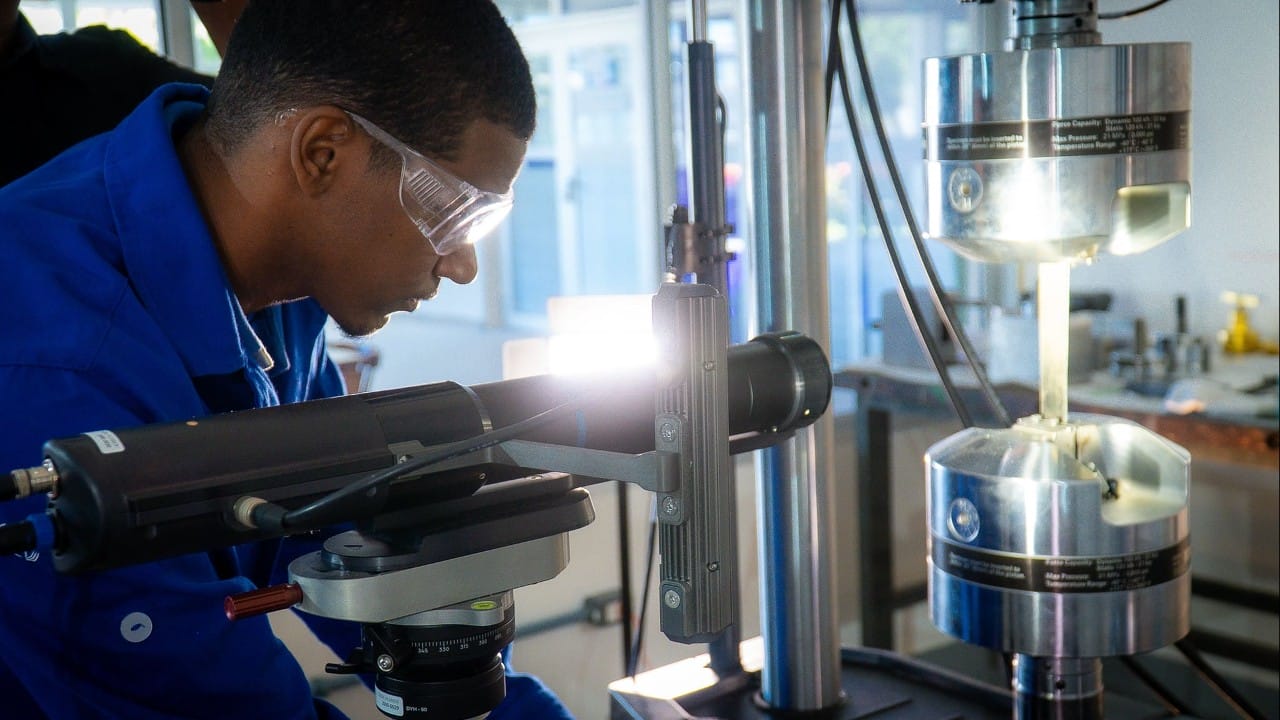

Council Leads New Industrial Policy Focused on Health, Decarbonization, and Digital Transformation to Promote Competitiveness and International Inclusion.
The National Council of Industrial Development (CNDI) was recently reactivated in 2023 to promote the discussion and implementation of an industrial policy in Brazil. This initiative, led by the Ministry of Development, Industry, Commerce, and Services (MDIC), aims to establish a series of guidelines and actions to promote the growth and competitiveness of the industrial sector in the country.
The thematic missions proposed by the CNDI encompass everything from sustainable agro-industrial chains to the digital transformation of industry, aiming to meet current and future market demands. The industrial development policy is essential to boost the economy and create new job and investment opportunities. Additionally, formulating a new industrial policy requires a careful process of analysis and planning to ensure its effectiveness and long-term sustainability.
Importance of Industrial Policy: Industrial Development Policy and New Industrial Policy
Globally, coordinated actions by national governments to direct industrial systems in response to major issues, such as digital transformation and decarbonization, are becoming increasingly common. Industrial policy is crucial for boosting the industrial sector, driving digital transformation, and promoting decarbonization, aiming for competitiveness, productive development, and international insertion.
-
France Revamps 530 Social Housing Units with Large Balconies and Glass Facades Without Demolishing Existing Buildings

-
10-Year-Old Max Makes History with Paris Fashion Show, Launches Own Brand, Hires Staff, and Sets World Record as Youngest Runway Designer

-
Bolivian Female Construction Workers Form Association to Combat Discrimination and 38% Pay Gap in the Industry
-
Near Amsterdam, residents buy land and discover they must also build streets, manage drainage, handle waste, and grow food on half their plot.




This is exemplified by the Energiewende, formulated by Germany and focused on energy transition with an emphasis on renewable sources. The mission involves targets for reducing energy consumption and greenhouse gas emissions and increasing the number of electric cars, among others. Actions include training producers of machines and electronic equipment and technological development of the electric mobility sector. The coordination of five mult-sector thematic platforms is governmental, and funding relies on public resources.
Contemporary policies seek not only to develop technological solutions or assist companies in capturing global markets but also to achieve relevant social goals, such as environmental preservation, public health, food and energy security, urban mobility improvement, and respect for the imperatives of national sovereignty.
Industry Recovery Plan and Challenges
In the Industry Recovery Plan, the National Confederation of Industry (CNI) identified opportunities and challenges, such as the need to develop a low-carbon economy and digital transformation capable of increasing productivity in companies. The plan proposes four missions: Decarbonization, Digital Transformation, Health and Public Health Security, and National Defense and Security.
Measures for Reducing the Brazil Cost
For them to advance, it is also necessary to address structural issues that hinder the competitiveness of the Brazilian productive sector, such as the Brazil Cost. The estimate is that this set of structural, bureaucratic, labor, and economic difficulties removes R$ 1.5 trillion per year from companies operating in the country, representing about 20.5% of GDP.
One of the proposals to tackle these barriers is the regulation of tax reform on consumption, the establishment of a carbon market, and the realization of trade agreements with strategic partners.
CNDI: Participants and Industrial Missions
In addition to the MDIC, the following ministries are part of the government: the Civil House, General Secretariat of the Presidency, Science, Technology and Innovation, Finance, Foreign Relations, Planning and Budget, and more. On the civil society side, there are 21 counselors, including the CNI, industrial sectors, the Institute for Industrial Development Studies (IEDI), the Association of National Technological Development and Innovation Companies (P&D Brazil), and several labor unions.
Principles of the New Industrial Policy
Neo-industrialization is one of the priorities of the multiannual plan from 2024 to 2027, present in 50 programs across 24 ministries. In addition to the organization in thematic missions, the principles of the new industrial policy are:
- Socioeconomic Inclusion;
- Equity, particularly in gender, race, and ethnicity;
- Promotion of decent work and income improvement;
- Productive and technological development and innovation;
- Increasing productivity and competitiveness;
- Reduction of inequalities, including regional disparities;
- Sustainability;
- Qualified international engagement.
Advances in Industrial Policy Since the Recreation of the CNDI
At the first CNDI meeting in July of last year, the federal government announced R$ 106.16 billion over the next four years as a way to stimulate its development in areas considered strategic for the country. The funds will come from BNDES, Finep, and Embrapii — most are credit lines or financing, and there are also funds to support innovation.
Source: Industry Portal








