Portuguese
  Spanish




Acelen Opens Office in Houston Targeting the U.S. Biofuels Market
Acelen, a giant in the Brazilian energy sector and part of the Mubadala Capital portfolio, marked a new chapter in its history with the opening of an office in Houston, Texas, one of the global energy capitals. This strategic move positions the company in the heart of the biofuels market in the United States, seeking to expand its influence in the international energy landscape.
In the past year, Acelen has taken decisive steps to reinforce its role in Brazil’s energy transition. The foray into the U.S. market represents a significant leap in the company’s efforts to establish itself as a global force in biofuels.
Strategic Partnership and Expansion in Brazil
Mubadala Capital, together with Petrobras, the Brazilian state-controlled company, signed a Memorandum of Understanding to explore joint opportunities in the biofuels sector. This agreement highlights Acelen’s commitment to developing an ambitious biofuels project in Brazil, consolidating a strategic partnership that could significantly transform the country’s energy landscape.
-
Fired during apartheid and with a little borrowed money, an electrician started with a borrowed truck and transformed electrical services into a group connected to energy, real estate, and infrastructure in South Africa.

-
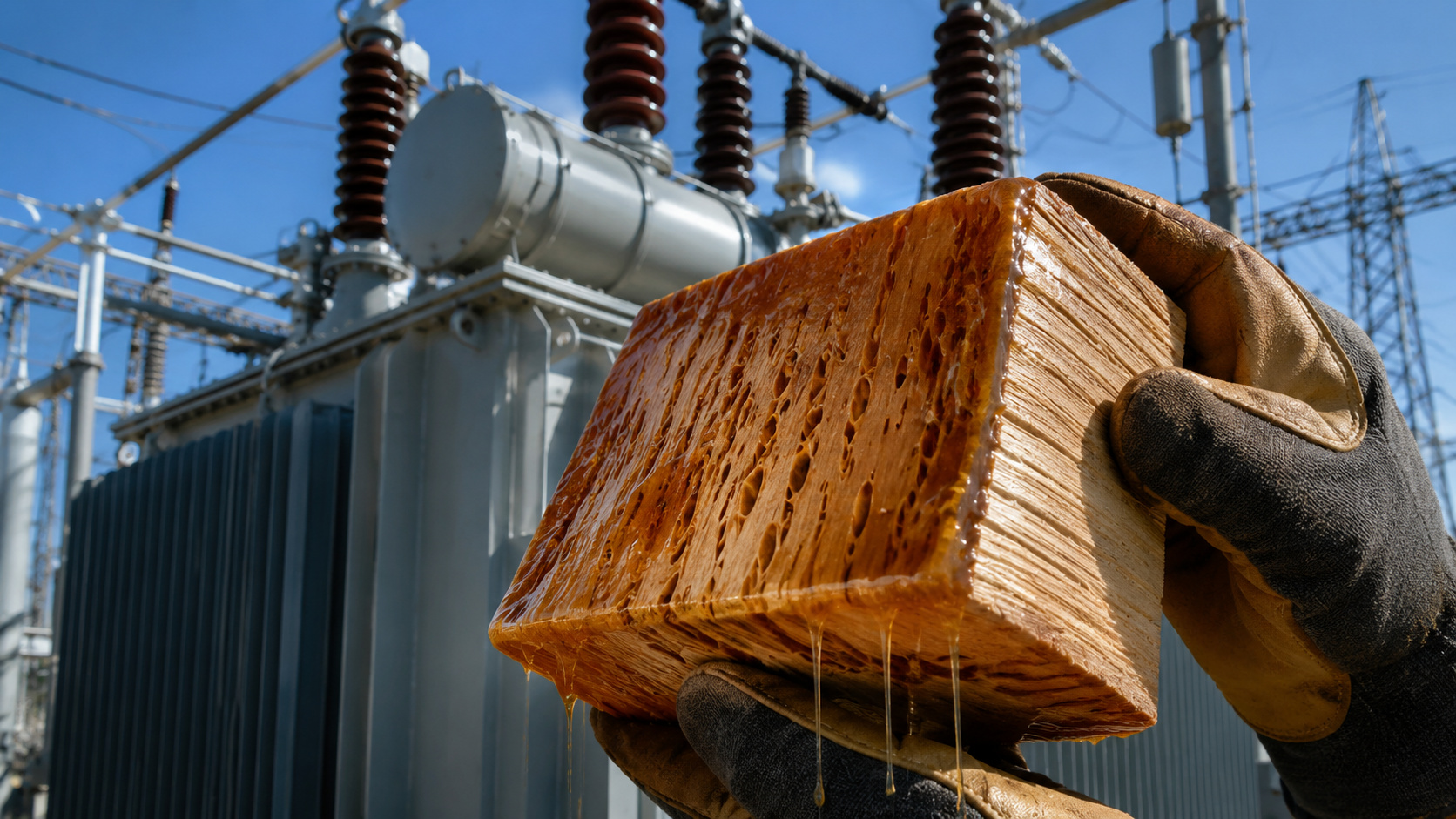
Wood has ceased to be just a construction material in Yale research and has become insulation for electrical transformers that face intense heat, aging, and increasing pressure from the renewable energy-powered grid.
-
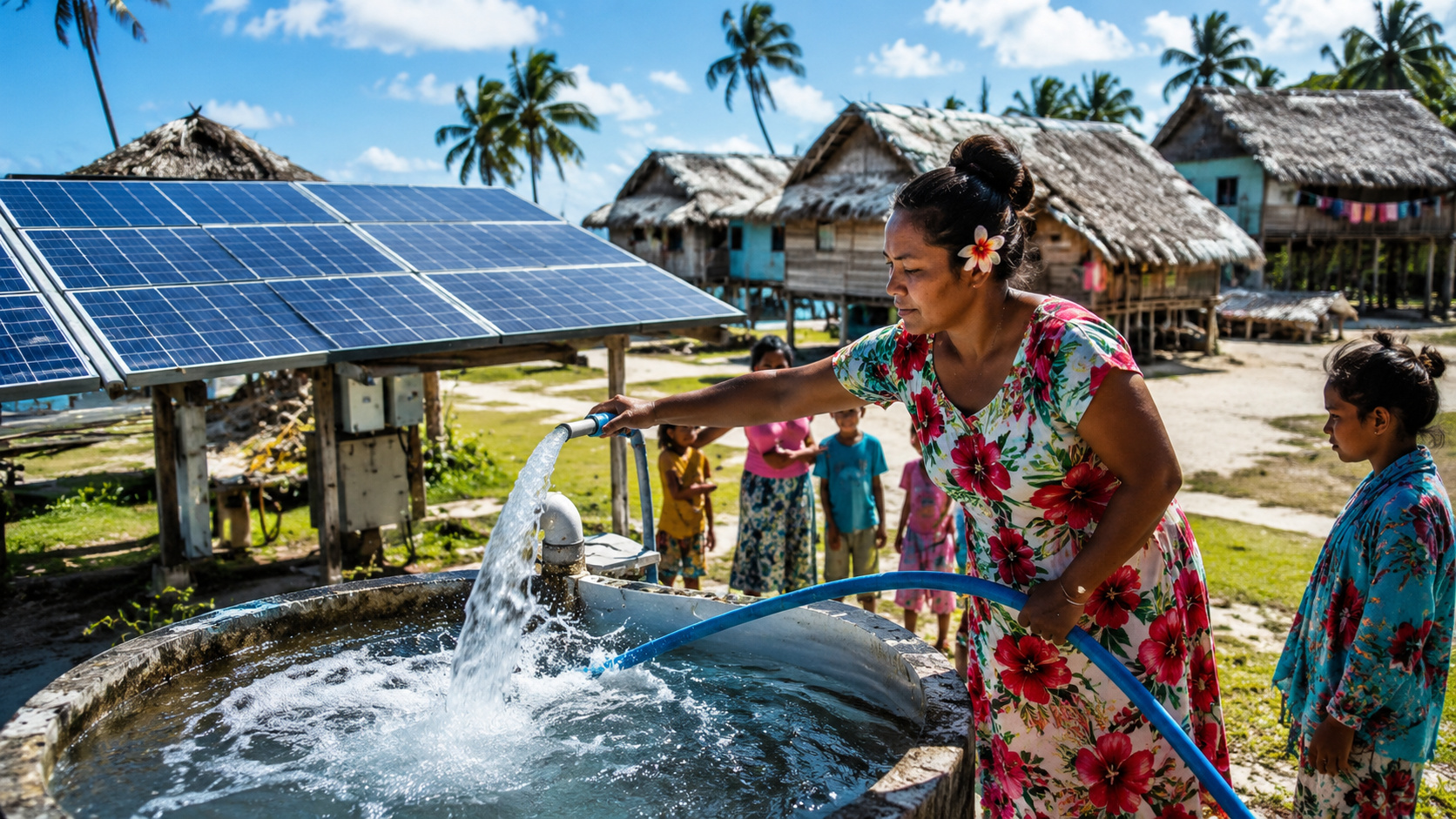
More than 1,000 residents of a remote island in Kiribati now have clean water and electricity with solar systems operated by the community itself.
-
Corn ethanol attracts R$ 23 billion in 21 new plants and prepares for a nearly 50% jump in Brazilian production by 2027, even with high interest rates.



Acelen’s projected investments exceed R$12 billion (approximately US$2.5 billion) over the next decade. This financial contribution has the potential to revolutionize the biofuels value chain, with an estimated annual production of one billion liters of SAF (Sustainable Aviation Fuel) and Renewable Diesel. The use of Macaúba, a native Brazilian tree, will be crucial in this process, with the planting of 200,000 hectares of this plant, as well as other native crops, on Brazilian land.
Economic and Environmental Impact
Acelen intends not only to stimulate the economy with an investment of R$85 billion (approximately US$17.3 billion) but also to create around 90,000 jobs. Additionally, the company aims to reduce CO2 emissions by up to 80%, demonstrating its commitment to sustainable practices and energy transition.
Luiz de Mendonça, CEO of Acelen, emphasized the company’s vision: “Our goal is to accelerate the energy transition in Brazil, positioning the country as a leader in biofuels production. We are committed to creating a sustainable future for the planet.”
Oscar Fahlgren, CIO of Mubadala Capital and head of the division in Brazil, highlighted the importance of the U.S. market: “The renewable energy sector is rapidly growing around the world, and the United States represents a key market to drive this change. Acelen’s presence in Houston is a strategic step for the company, aligning with its mission to lead the energy transition globally.”
Acelen, with the collaboration of the UAE-U.S. Partnership to Accelerate Clean Energy (PACE), aims to leverage the U.S. energy ecosystem to enhance the production and implementation of biofuels on a global scale. PACE, an agreement to mobilize US$100 billion in financing and investment for clean energy, aligns perfectly with Acelen’s goals to advance the energy transition and maximize climate benefits.
This new chapter in Acelen’s journey not only reinforces its leadership role in energy transition in Brazil but also signals its ambition to be a global reference in the biofuels sector. The opening of the office in Houston is a significant step towards a greener and more sustainable future.
Source: Rodrigo Borba Martins de Souza.