





 Portuguese
  English
  Spanish
  3 min of reading
  0 comments



Brazil Houses Many Ghost Towns, Locations That Were Once Bustling and Promising, but For Different Reasons Ended Up Abandoned. Among Them, Fordlândia Stands Out as One of the Most Curious Examples. Founded by Henry Ford in 1928, the City Located in the State of Pará Was Meant to Be a Rubber Production Pole to Supply the North American Automotive Industry. However, a Series of Environmental, Social, and Economic Challenges Led to the Project’s Failure, Transforming the Place into a Ghost Town.
Henry Ford, one of the most influential names in the automotive industry, envisioned Fordlândia to ensure a self-sufficient source of rubber for his vehicles. The city was built on the banks of the Tapajós River in Pará and designed to be a model of industrial development in the heart of the Amazon.
The idea was to create a large rubber plantation to produce latex on a large scale, reducing dependence on Asian rubber and ensuring an efficient supply chain for Ford. To achieve this, Ford invested in infrastructure, bringing in houses, schools, hospitals, and even strict living rules based on the American way of life.
The Challenges and Abandonment of Fordlândia


Despite the project’s ambition, Fordlândia faced difficulties from the start. The first major problem was the climate and soil of the region, which were not suitable for cultivating rubber trees in the format of large plantations. The trees became vulnerable to pests and diseases, making large-scale production unfeasible.
-
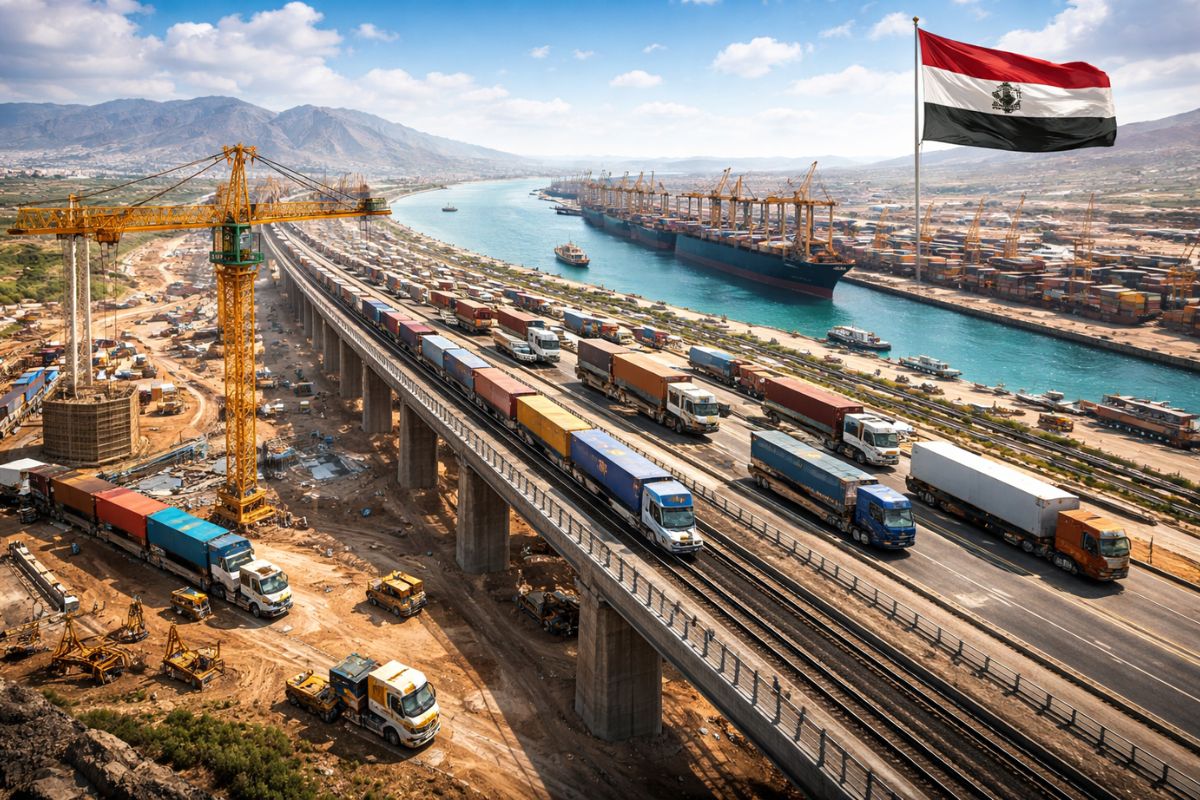
A megaproject worth R$ 89 billion is advancing in Iraq and promises to change the game in global trade by creating a new corridor between Asia and Europe, reducing traditional routes and repositioning the country as a logistics powerhouse.
-
Goodbye bedside table: floating shelves become a trend in 2026 by freeing up space in the bedroom, improving circulation, bringing visual lightness, and integrating technology without taking up floor space.

-
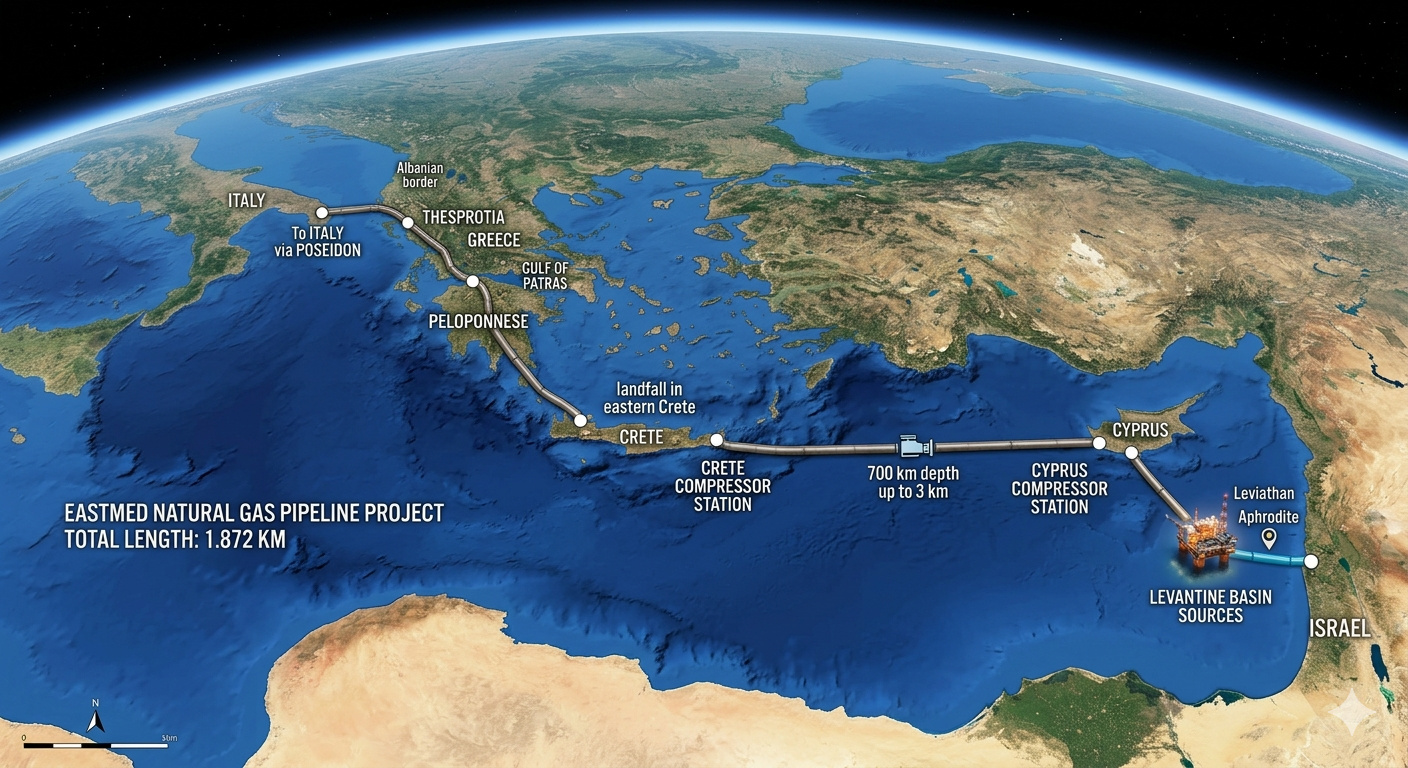
Israel, Greece, and Cyprus signed an agreement in 2020 to transport gas from the Mediterranean to Europe via a 1,872 km pipeline, but Turkey claimed sovereignty over part of the maritime route, and the project never materialized.
-
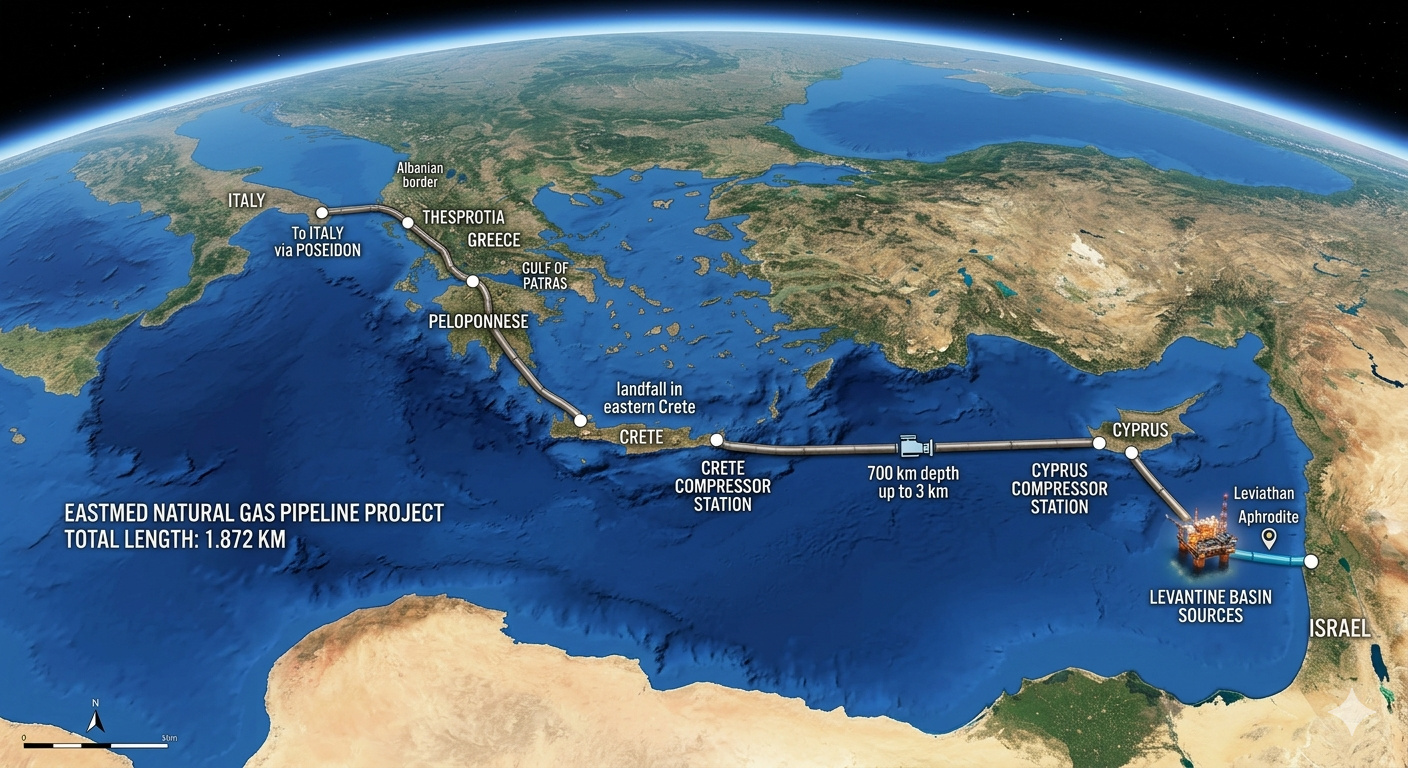
Israel, Greece, and Cyprus signed an agreement in 2020 to transport gas from the Mediterranean to Europe via a 1,872 km pipeline, but Turkey claimed sovereignty over part of the maritime route, and the project never materialized.

Another obstacle was the local workers’ resistance to the rules imposed by the American administrators. The standardized diet and strict discipline generated conflicts, resulting in labor revolts. In 1934, with the project’s economic infeasibility, Ford abandoned Fordlândia, leaving behind a nearly intact city, but with no function.
Characteristics of a Ghost Town
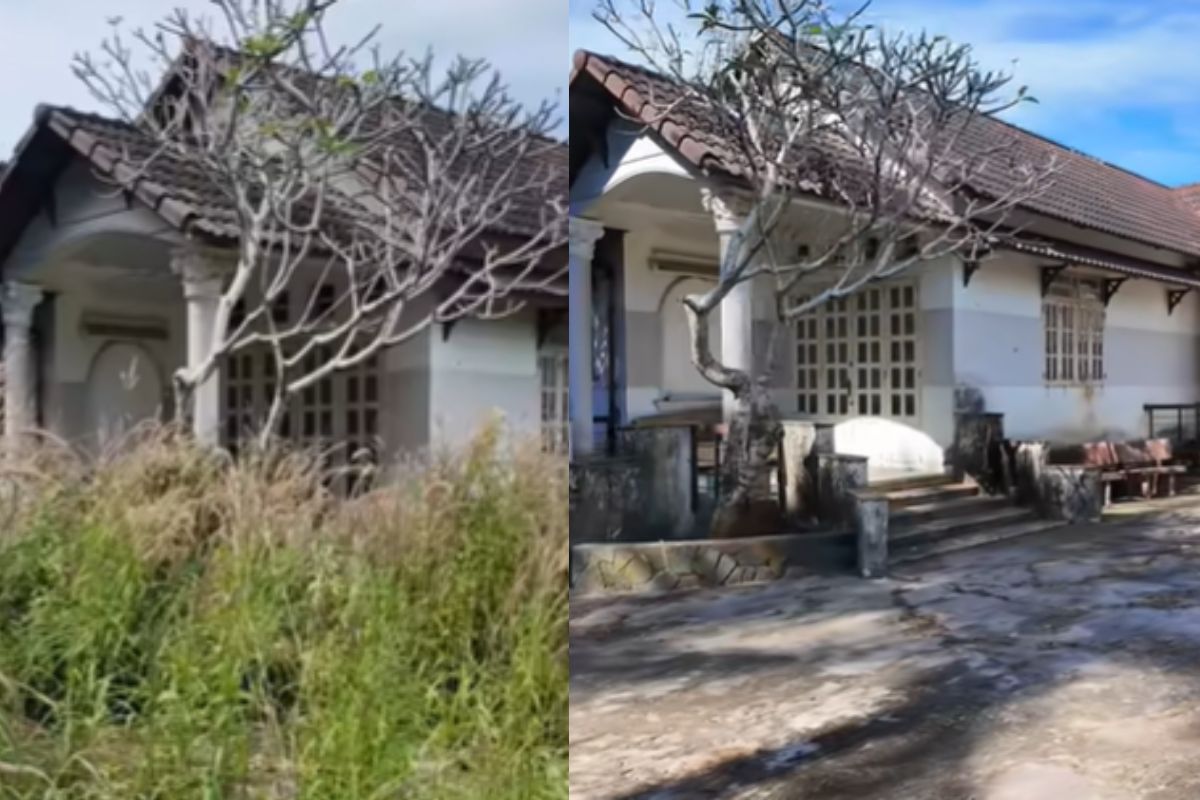
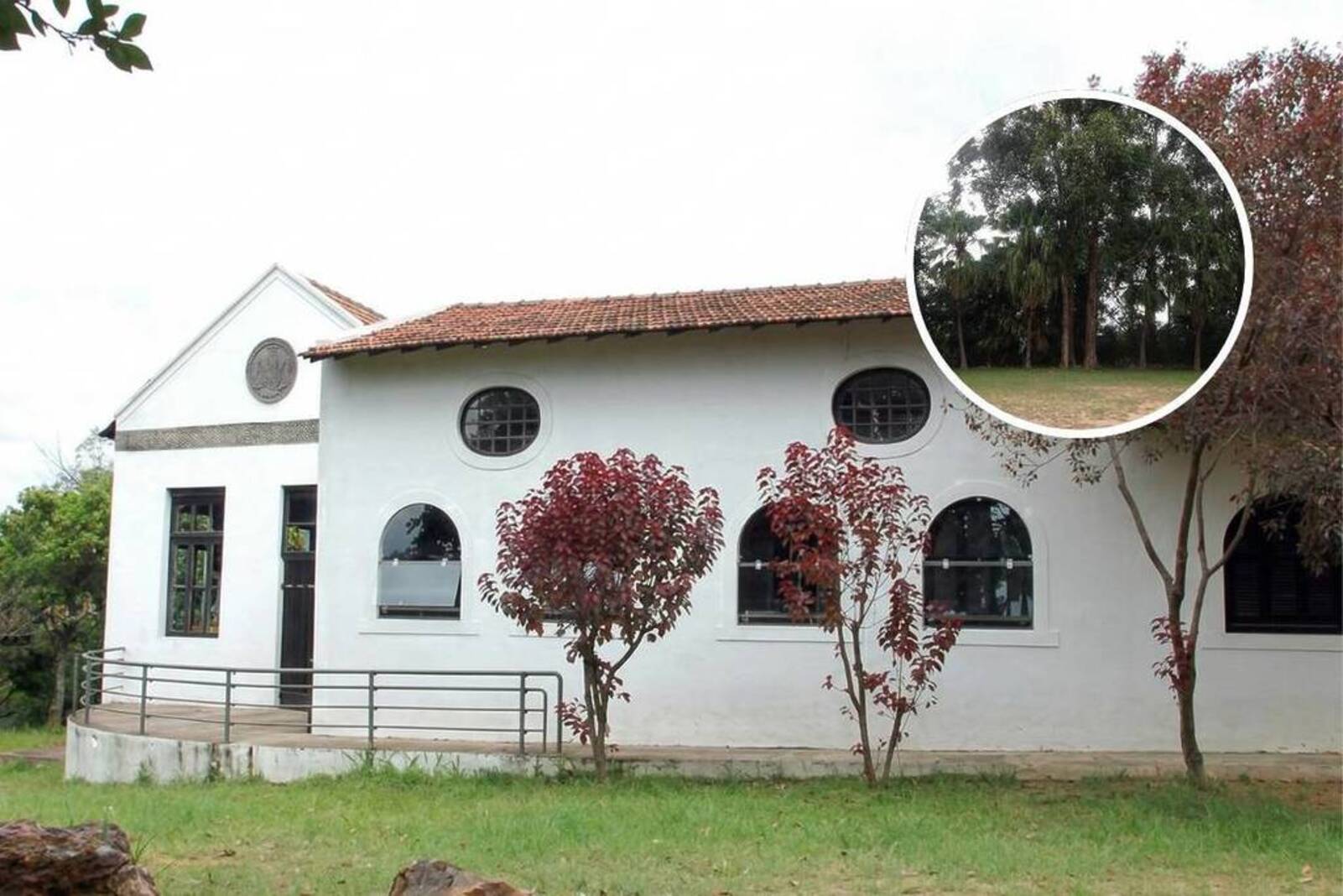
Fordlândia, like other ghost towns, exhibits striking features of this phenomenon. The urban structures, such as houses, hospitals, and factories, remain standing but without any residents. Over time, vegetation began to take over the buildings, creating a unique landscape where industrial past contrasts with nature’s strength.
The city has become a true open-air museum, preserving not only buildings but also the memory of a project that did not materialize. This aspect makes Fordlândia one of the most fascinating ghost towns in Brazil.
Fordlândia as a Tourist Destination
Although abandoned, Fordlândia attracts tourists and researchers interested in its history and ruins. The site allows a trip to the past, where one can walk through the industrial facilities, explore deserted houses and schools, and imagine what life was like in the city when it was still operational.
The growing interest in historical tourism has transformed Fordlândia into an alternative destination for those seeking unconventional experiences. The site serves as a study on the impact of industrialization in remote areas and the challenges that projects of this scale face.
Other Ghost Towns in Brazil
Fordlândia is not the only ghost town in Brazil. The country has other examples of locations that were abandoned for various reasons. Among them, we highlight:
- Ararapira (Paraná) – The city was abandoned due to advancing coastal erosion, which threatened its existence.
- Airão Velho (Amazonas) – Like Fordlândia, it suffered from the decline of the rubber economy and was gradually left behind.
- Cococi (Ceará) – The economic crisis and lack of opportunities led to a population exodus that emptied the town.
- Igatu (Bahia) – The decline of diamond mining resulted in the departure of residents and the transformation of the location into a ghost town.
Each of these ghost towns tells a unique story and serves as an example of the transformations Brazil has undergone over the centuries. They stand as silent witnesses to a past that did not come to fruition as planned.




-

-

12 pessoas reagiram a isso.