





 Portuguese
  English
  Spanish
  3 min of reading
  1 comment


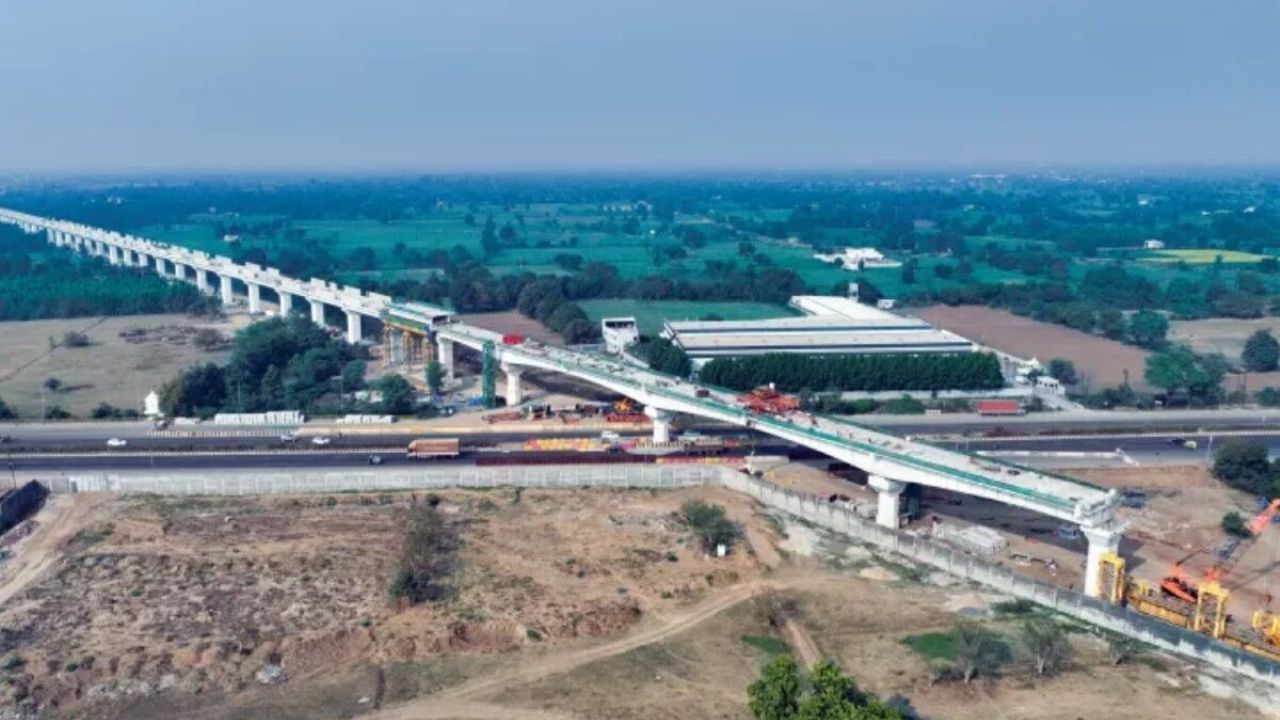


A Billion-Dollar Project With Cutting-Edge Technology, Undersea Tunnel, and Trains at 320 km/h on the New Railway
Modernizing railways has been a priority for Southeast Asian countries. Billion-dollar investments are being directed toward high-speed projects, aiming to make travel faster and more efficient. China, Japan, Vietnam, and South Korea are leading this railway revolution, and India is not far behind. The country is building a new railway that promises to transform the connection between two of its largest cities.
The Mumbai-Ahmedabad high-speed line is one of the boldest projects in India’s railway history. With an estimated cost of US$ 15 billion, this 316-mile (508 km) infrastructure has the potential to revolutionize transportation in the region, drastically reducing travel time and boosting economic development.
The Mumbai-Ahmedabad High-Speed Railway
This new railway will consist of twelve stations and will allow trains to reach speeds of up to 320 km/h. One of the highlights of the construction is the elevated structure, with tracks positioned 10 to 15 meters above ground. This approach not only optimizes urban space usage but also reduces environmental impacts and improves safety.
-
Scientists transform sawdust into fire-resistant panels, stabilize the compound with an enzyme extracted from watermelon seeds, and turn waste into promising material for construction.

-
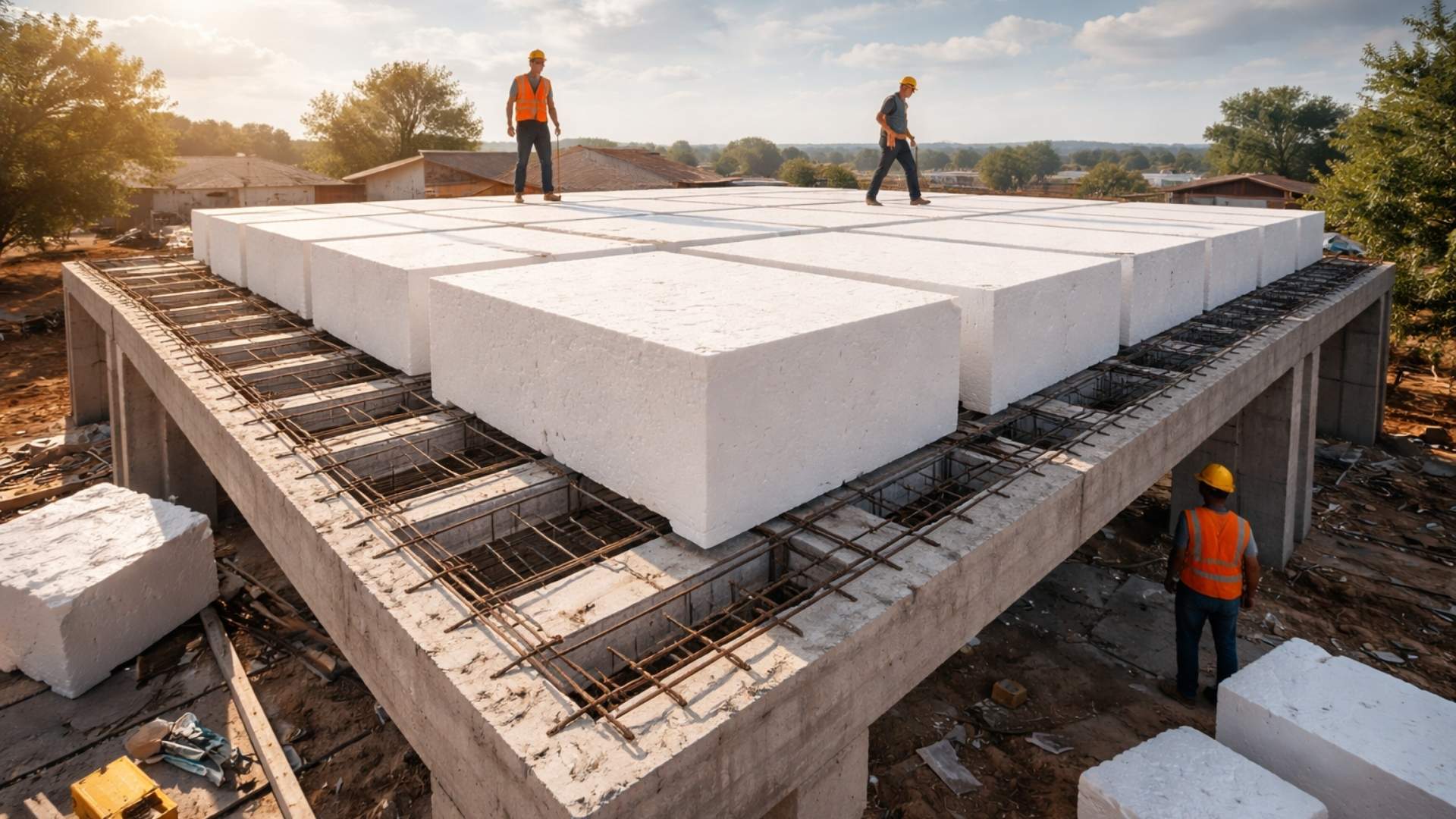
Forget concrete: architects are replacing tons of concrete with giant blocks of expanded polystyrene to build the roofs of houses and reduce structural weight by up to 50%, cut costs, improve thermal insulation, and speed up construction.
-
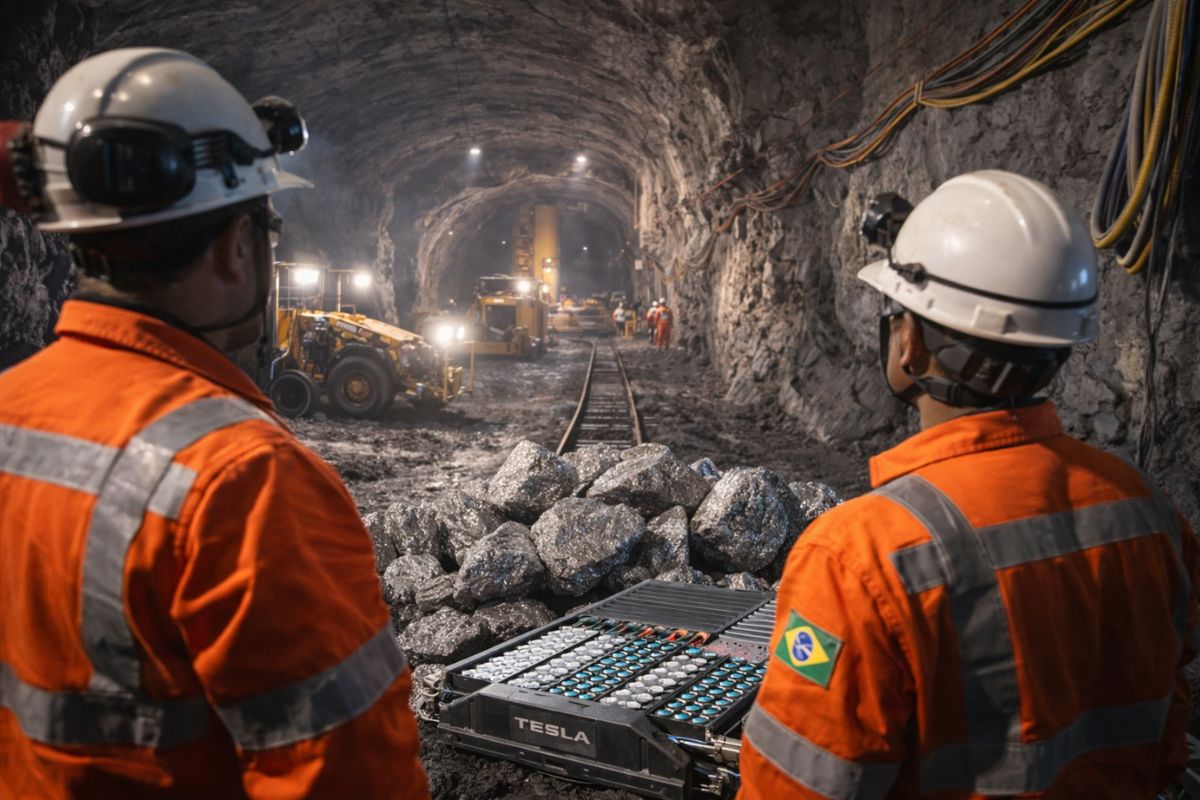
The Brazilian state enters the center of the global race for critical minerals by starting the construction of the largest underground nickel mine in Latin America, a mineral essential for electric car batteries that the entire world is competing for at this moment.
-
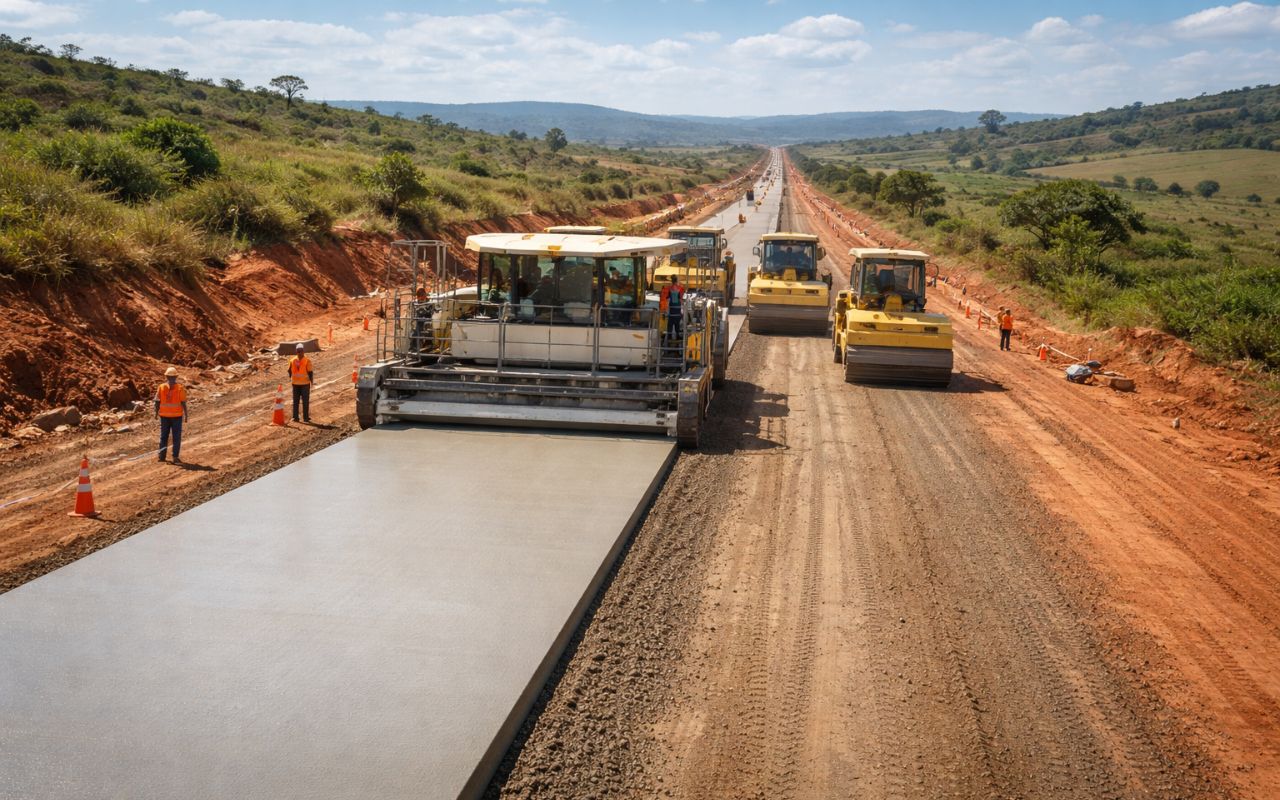
New CCR concrete paving technology promises roads up to 3x more durable, less maintenance, and cost reduction in Brazil.

The first section of the line is expected to become operational in December 2026. This advancement marks a significant step for India in adopting cutting-edge railway technologies.
The Impressive Undersea Tunnel Between Mumbai and Thane
One of the most challenging and innovative segments of the railway is the 1.9 km tunnel that runs beneath the sea between Mumbai and Thane. Three mega tunnel boring machines were used for its construction, capable of excavating and reinforcing the structure simultaneously. This tunnel was designed to withstand the high pressure of the marine environment and ensure a safe and efficient journey.
The implementation of this technology represents a milestone for Indian engineering, placing the country on par with other nations that have developed underwater railway projects.
Financing and Partnership With Japan
To make the new railway a reality, India secured US$ 12.5 billion in funding from Japan. This loan, with an interest rate of only 0.1% and a term of 50 years, exemplifies the strong partnership between the two countries. Repayment is scheduled to begin 15 years after the line is fully operational, allowing India to reap economic benefits before starting the payments.
The National High-Speed Rail Corporation Limited (NHSRCL) is the company responsible for implementing the project. Since the launch ceremony on September 14, 2017, significant progress has been made in the infrastructure, bringing the country closer to its first high-speed railway.
The Future of High-Speed Trains in India
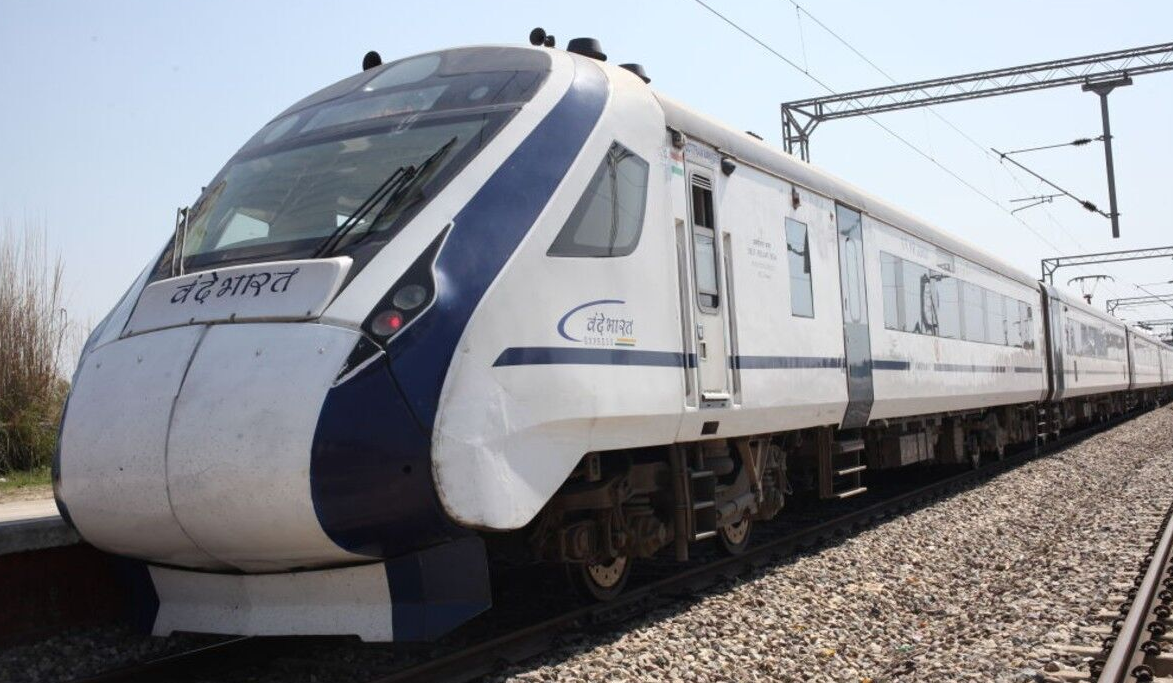
Initially, India planned to use Japanese Shinkansen E5 trains, known for their safety and speeds of up to 354 km/h (220 mph). However, recent discussions suggest that the country may opt for its own Vande Bharat high-speed trains, which reach 280 km/h (174 mph). This decision is under review, and reports indicate that Shinkansen trains may only be introduced to the railway corridor in 2032.
With the inauguration of the first phase of the railway set for 2026, India is preparing to join the select group of nations with high-speed rail networks. The new railway represents a leap into the future, connecting cities in a fast, efficient, and innovative manner.








Keep it up India.🇮🇳