





 Portuguese
  English
  Spanish
  2 min of reading
  0 comments


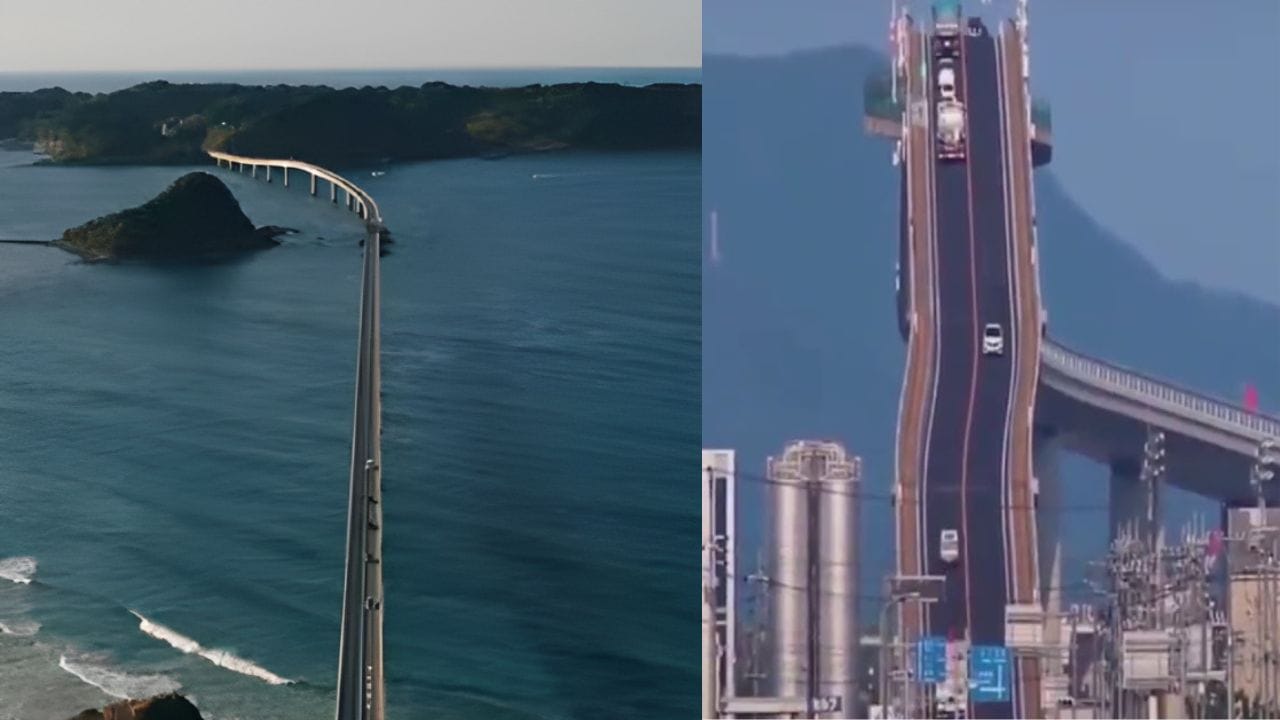
The Tsunoshima And Eshima Bridges Are Examples Of Japan’s Ability To Combine Practical Solutions And Advanced Technological Innovations, Respecting Deadlines And Budgets. They Symbolize The Country’s Capacity To Create Structures That Not Only Meet Functional Needs But Also Enrich The Landscape And Contribute To Tourism And The Local Economy.
Japan’s technology in bridge construction is undoubtedly a model of innovation and efficiency for the world. Known for its technological forefront, it has stood out in the construction sector with impressive megastructures, especially regarding bridge construction. Two of these structures, the Tsunoshima and Eshima bridges, are perfect examples of Japanese excellence in engineering and architecture.
Tsunoshima And Eshima Bridges: Beauty And Innovation
Inaugurated in 2000, the Tsunoshima Bridge cost approximately 130 million dollars and quickly became an icon of architectural beauty in Japan. Situated in a paradise-like setting, it connects the city of Shimonoseki to Honshu Island, crossing the Sea of Japan. The Eshima Bridge, on the other hand, required an investment of 200 million dollars and is known for its peculiar architecture, being the third largest bridge of rigid structure in the world.
Japan’s Technology And Challenges In The Construction Of These Megaprojects
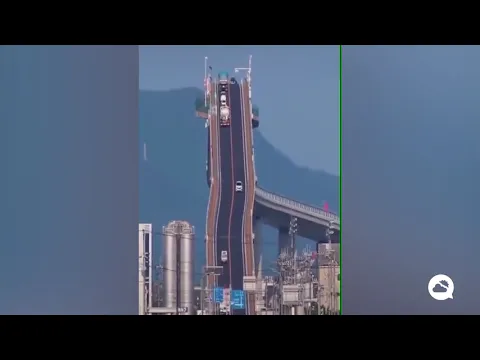

Japanese bridges are remarkable not only for their aesthetics but also for the technology employed in their construction. The Eshima Bridge, for example, was built using a cantilever construction method, allowing for the pier’s extension while balancing the left and right banks. Additionally, the foundation of the main pier utilized a metal sheet pile with a diameter of about 31 meters, one of the largest in Japan.
-
Florianópolis will receive a million-dollar BRT that will begin construction in 2026 with nearly 400 million in funding from the federal government and the Inter-American Development Bank, and the map already shows the routes for the exclusive bus corridors.
-
Without a blueprint, without an engineer, and using scrap from the dump, a father spends 15 years building an 18-room castle for his daughter, featuring tram tracks, 13 fireplaces, and over 700 m², which may now be demolished.
-
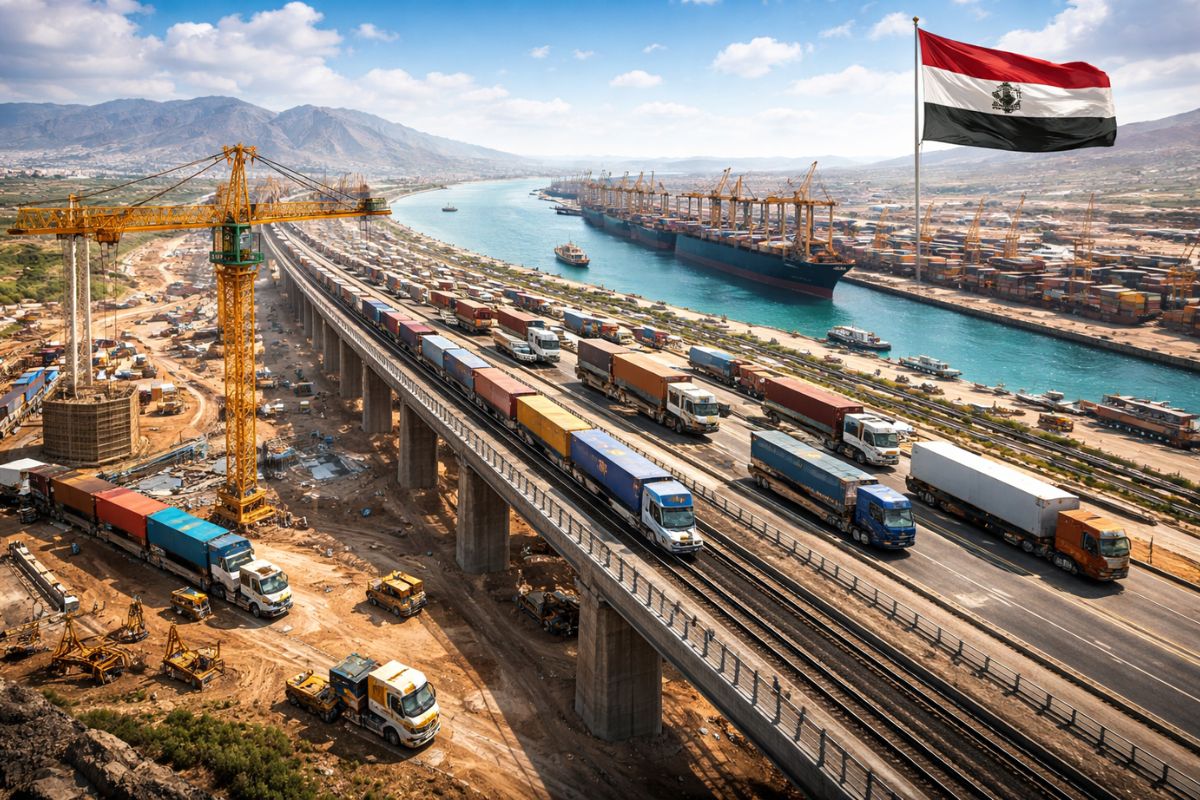
A megaproject worth R$ 89 billion is advancing in Iraq and promises to change the game in global trade by creating a new corridor between Asia and Europe, reducing traditional routes and repositioning the country as a logistics powerhouse.
-
Goodbye bedside table: floating shelves become a trend in 2026 by freeing up space in the bedroom, improving circulation, bringing visual lightness, and integrating technology without taking up floor space.


In addition to facilitating transport and trade, the Tsunoshima and Eshima bridges have become tourist attractions in their own right. The Tsunoshima, often referred to as the most beautiful bridge in Japan, attracts over 900,000 visitors annually. The Eshima, besides its crucial role in the local economy, has also gained prominence in television commercials, highlighting its steep incline and impressive architecture.








Seja o primeiro a reagir!