Portuguese
  Spanish


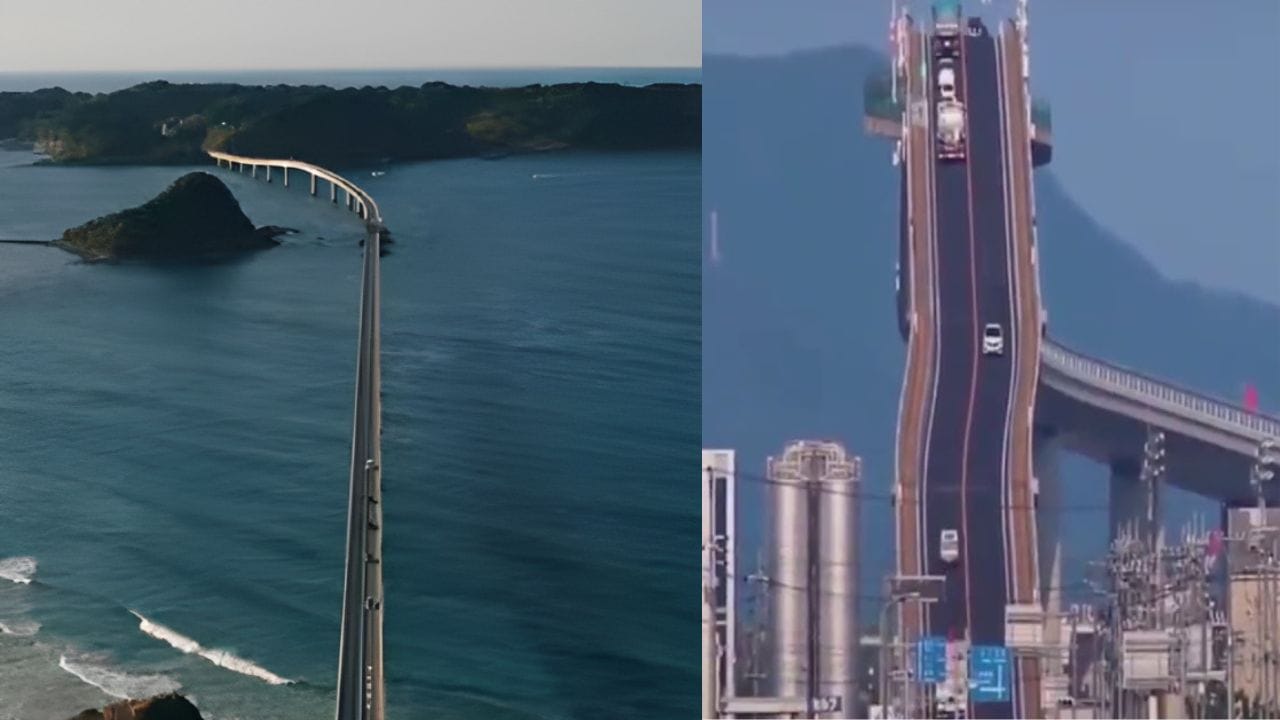

The Tsunoshima And Eshima Bridges Are Examples Of Japan’s Ability To Combine Practical Solutions And Advanced Technological Innovations, Respecting Deadlines And Budgets. They Symbolize The Country’s Capacity To Create Structures That Not Only Meet Functional Needs But Also Enrich The Landscape And Contribute To Tourism And The Local Economy.
Japan’s technology in bridge construction is undoubtedly a model of innovation and efficiency for the world. Known for its technological forefront, it has stood out in the construction sector with impressive megastructures, especially regarding bridge construction. Two of these structures, the Tsunoshima and Eshima bridges, are perfect examples of Japanese excellence in engineering and architecture.
Tsunoshima And Eshima Bridges: Beauty And Innovation
Inaugurated in 2000, the Tsunoshima Bridge cost approximately 130 million dollars and quickly became an icon of architectural beauty in Japan. Situated in a paradise-like setting, it connects the city of Shimonoseki to Honshu Island, crossing the Sea of Japan. The Eshima Bridge, on the other hand, required an investment of 200 million dollars and is known for its peculiar architecture, being the third largest bridge of rigid structure in the world.
Japan’s Technology And Challenges In The Construction Of These Megaprojects
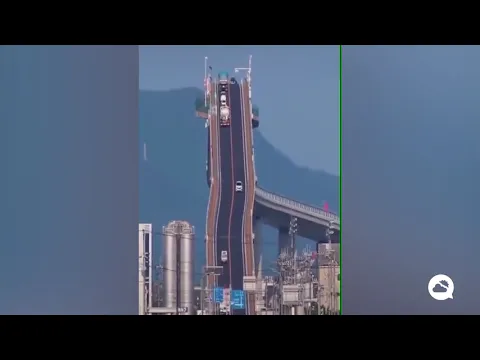

Japanese bridges are remarkable not only for their aesthetics but also for the technology employed in their construction. The Eshima Bridge, for example, was built using a cantilever construction method, allowing for the pier’s extension while balancing the left and right banks. Additionally, the foundation of the main pier utilized a metal sheet pile with a diameter of about 31 meters, one of the largest in Japan.
-
28-meter, 156-ton titans traveled 20,000 km from China to the port of Santa Catarina: Portonave received 7 fully electric megacranes, part of a R$ 210 million package, to double container handling.

-
They exchanged the idea of a large house for a 35 m² warehouse, spent US$ 12,000 on the structure, and created a tiny house in Colorado with space to live and work.

-
A newly opened terminal in the middle of the Amazon has begun transporting soy and corn through Amapá, eyeing the queue of ships that is congesting the ports in the South.

-
Goodbye to old tiles: renovation technique without construction transforms bathrooms in a few hours, eliminates debris, and reduces costs with coverings using special paints, high-resistance adhesives, and modern finishes that completely renew the space.


In addition to facilitating transport and trade, the Tsunoshima and Eshima bridges have become tourist attractions in their own right. The Tsunoshima, often referred to as the most beautiful bridge in Japan, attracts over 900,000 visitors annually. The Eshima, besides its crucial role in the local economy, has also gained prominence in television commercials, highlighting its steep incline and impressive architecture.