





 English
  Francês
  Alemão
  Italiano
  Japonês
  Norueguês
  Portuguese
  Spanish
  2 min of reading
  0 comments


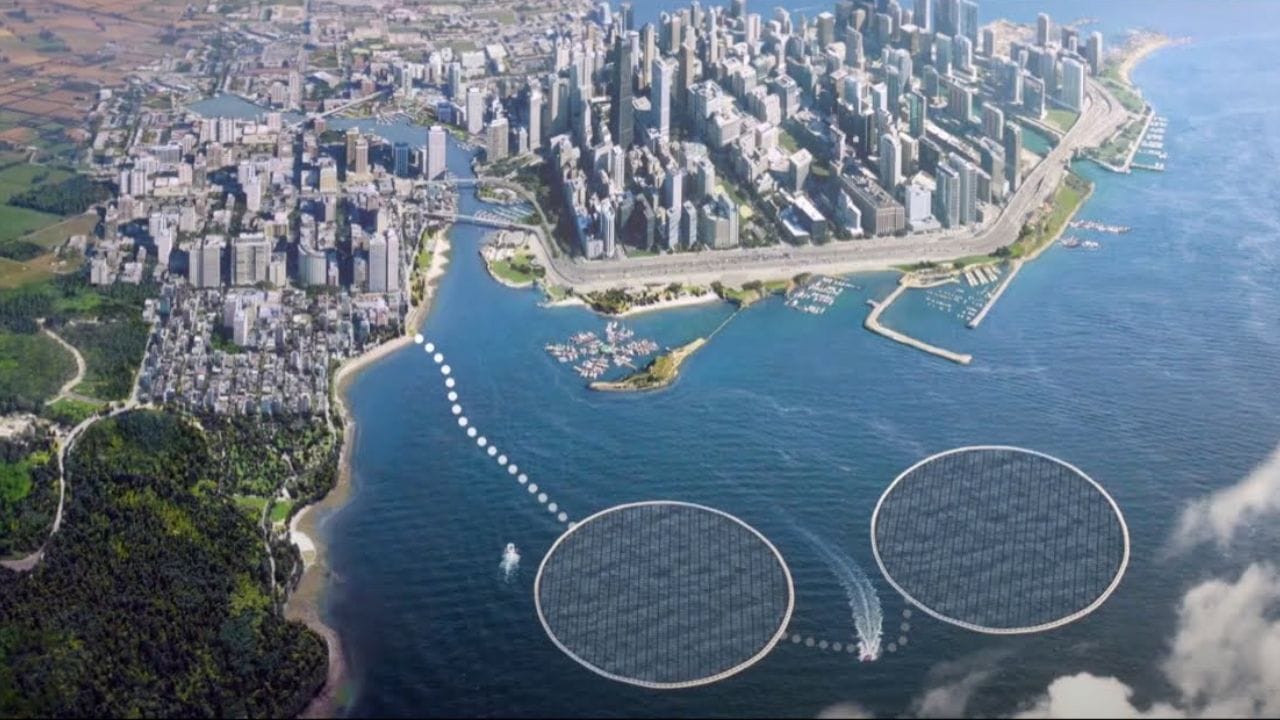
Floating solar farms represent a significant advance in renewable energy generation. While they face challenges, especially in marine environments, continuous innovation and technological development may allow them to overcome these obstacles.
With the potential to improve efficiency and reduce environmental impact, floating solar farms have a promising future in the renewable energy industry. These solar panels, designed to float on bodies of water such as rivers, reservoirs, and even oceans, represent a new branch in the solar industry known as floating photovoltaics.
Innovative Design and Enhanced Efficiency
Companies like Ocean Sun, from Norway, were inspired by the giant water lily to develop a solar system on a thin, flexible membrane that can withstand winds of up to 300 km/h and produce 6.6 kWh. Another company, HelioRec, installed a 25kW system that survived two storms. These panels not only float but are also cooled by water, increasing their efficiency and extending their lifespan, as overheating is a common problem that can damage solar panel components.
Floating solar panels offer several advantages. First, they free up land space, which can be used for other purposes, such as agriculture. Additionally, when installed on reservoirs, they protect the water from evaporation caused by the sun’s heat, benefiting communities that depend on these water sources. In Spain, for example, there are already water restrictions due to drought and a significant increase in evaporation from reservoirs, according to EuroNews.
-
A study reveals the expansion of renewable energy procurement in Brazil and shows how companies are taking advantage of opportunities to reduce expenses, ensure energy efficiency, and strengthen strategic environmental commitments.

-
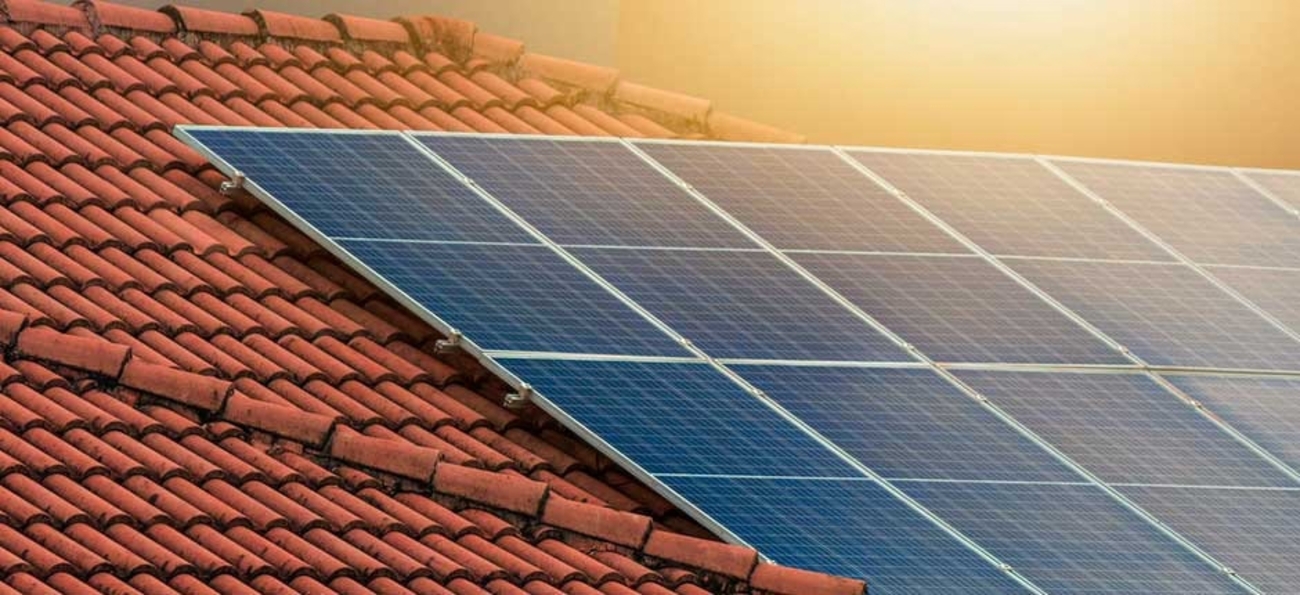
Roraima bets on the sun to escape high tariffs: Amid the energy crisis and price hikes, solar energy is growing in Roraima and transforming consumption in the North region.
-
Mato Grosso do Sul excels in the sugar-energy sector: the state reaches a milestone of 22 operating mills and accelerates the production of clean energy in MS with a focus on sustainability.

-
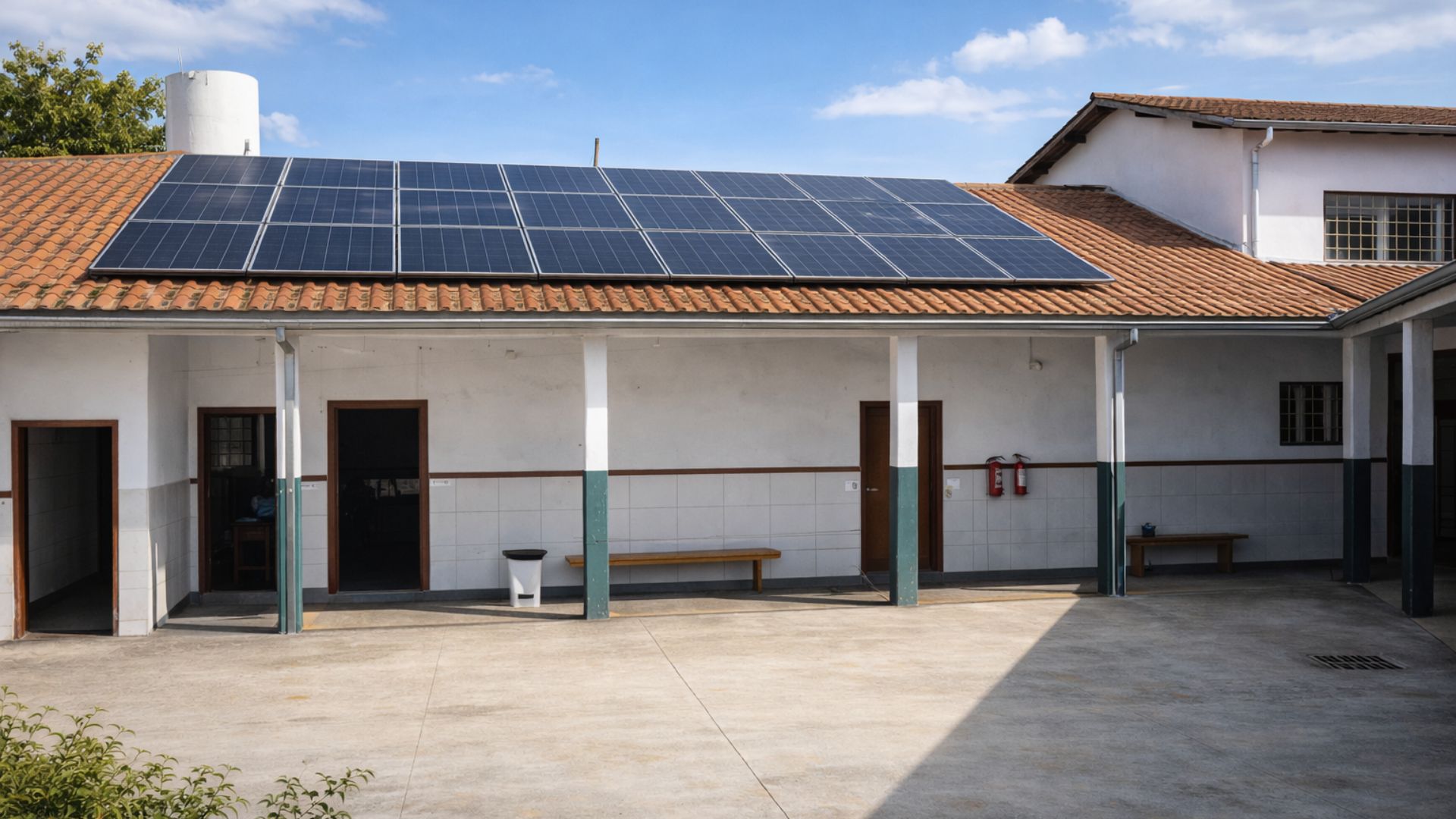
Copel boosts solar energy in Paraná and brings innovation to public schools, promoting savings on electricity bills, energy efficiency, and a direct impact on the quality of education.



Despite The Benefits, Installing Floating Solar Farms In Oceans Presents Significant Challenges
Exposure to saltwater increases the risk of metal corrosion, a problem also faced by vehicles and equipment on aircraft carriers, which need to be washed weekly to avoid damage. Clearly, the panels must be robust enough to withstand strong winds and waves, especially during storms. There are also environmental concerns, as the panels may negatively impact local ecosystems or become artificial habitats for marine life.
Despite these challenges, the history of offshore wind farms shows that it is possible to overcome these barriers. Just as wind farms have faced and overcome corrosion and wave damage issues, floating solar farms are also expected to be adapted to operate in challenging marine environments.








Seja o primeiro a reagir!