





 English
  Francês
  Alemão
  Italiano
  Japonês
  Norueguês
  Portuguese
  Spanish
  2 min of reading


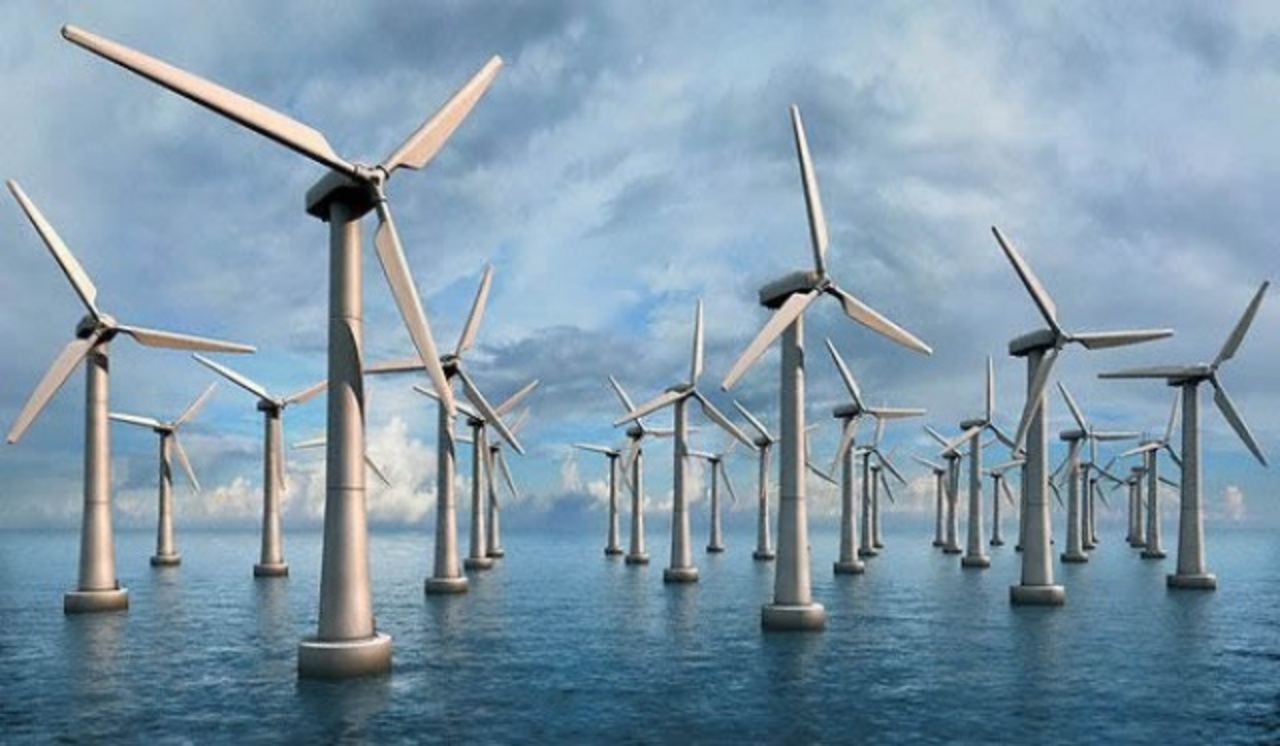
Integrating Offshore Wind Energy with Oil and Natural Gas Production May Soon Become a Reality in Brazil
The idea of integrating the offshore wind energy market with oil and natural gas is a thought for the future. After all, the offshore wind energy market is still maturing in Brazil and has a long way to go ahead.
Read Also
Letícia Andrade Participated in the Backstage Rio Oil & Gas This Tuesday. Watch the Full Interview in the Video Below
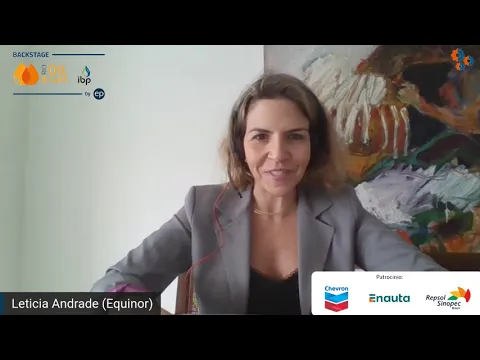

In Brazil, Equinor recently announced in an interview with Reuters that it is looking for investment opportunities in the Brazilian offshore wind market. To get started, the company has already requested licensing from IBAMA for the offshore wind farms Aracatu I and Aracatu II, totaling 4 GW, with 2 GW each and the possibility of expansion to 2.33 GW. These are two projects with great potential that may transition from pioneering to perhaps becoming the main driver of the offshore wind energy market in Brazil.
Partnerships, Support, and Scale Are Essential to Realize Offshore Wind Energy for Oil and Natural Gas
Offshore wind energy will play a central role in green hydrogen production and heavy industry decarbonization if oil and natural gas industry leaders along the value chain work together.
-
Brazilian giant expands borders in the Southeast: Petrobras confirms new oil discovery in ultra-deep waters in the pre-salt of the Campos Basin.

-
Alert in the global energy market: Severe tropical cyclone hits the coast and disrupts gas production at major plants in Australia, threatening global supply.

-
Rio Grande do Sul accelerates energy transition: State invests in renewable technologies and consolidates decarbonization strategies and pathways to attract billions in new industrial investments.

-
Petrobras finds high-quality oil in the pre-salt at 113 km from RJ and reignites expectations about strategic reserves in the Campos Basin.


If partnerships are established, it was suggested, and if there is sufficient support from governments, the cost of green hydrogen from offshore wind energy in the oil and natural gas market may decrease drastically, potentially to less than €2.0 / kg (US$ 2.40) by mid-2030, making it cost-competitive with carbon-based alternatives.
“We need to build value chains,” Ms. Nasse explained. “We need to understand the demand side and establish who needs green hydrogen and how much is needed. We need to determine what the cost impact might be of shifting steel production to green hydrogen or how much green hydrogen a railway network may require.






Seja o primeiro a reagir!