





 Portuguese
  English
  Spanish
  5 min of reading
  0 comments



Small and Indispensable, the Screw Anchor Has Survived Over a Century of Transformations, Passing Through Wars, Material Innovations, and the Contributions of Inventors Who Forever Changed the Construction Industry.
A Discreet and Ubiquitous Item in Construction, the Screw Anchor Was Born from Practical Needs of the 20th Century, Navigated Two Wars, and Evolved from Plant Fibers to Nylon.
The Journey Begins with the British John Joseph Rawlings (1911), Goes Through Industrial Improvements in Germany, and Culminates in 1958, When the German Artur Fischer (1919–2016) Registers the High-Strength Plastic Version That Would Become a Global Reference.
Before Plastic: How It Was Fixed to Masonry
At the Beginning of the 20th Century, Fixing Something to the Wall Required Opening a Groove in a Softer Mortar Joint, Inserting a Wooden Piece, and Only Then Screwing.
-
With over 14 million baskets of earth moved, an ancient North American metropolis built a monumental pyramid of 30 meters and established a city with 20,000 inhabitants nearly a thousand years ago.
-
A 1,900-year-old treasure emerges from a Roman house destroyed by fire and sealed since antiquity in Romania, with coins and metals fused among the ashes.
-
The Brazilian colonial city that stopped in time and shares territory with a rocket launch base.

-
79-year-old woman challenges limits, visits 193 countries in the world after 56 years of planning and reveals the behind-the-scenes of a global journey that few have managed to accomplish.

The Method Was Slow, Rough, and Restricted the Drilling Location to the Joints, Compromising the Finish.
It Was in This Context That Rawlings Introduced, in 1911, the First Industrial Model of Anchor for Masonry, Named Rawlplug.
Made with Fibers Bonded by Adhesive, the Cylindrical Anchor Was Inserted into the Hole and Expanded with the Screw, Improving the Anchoring.
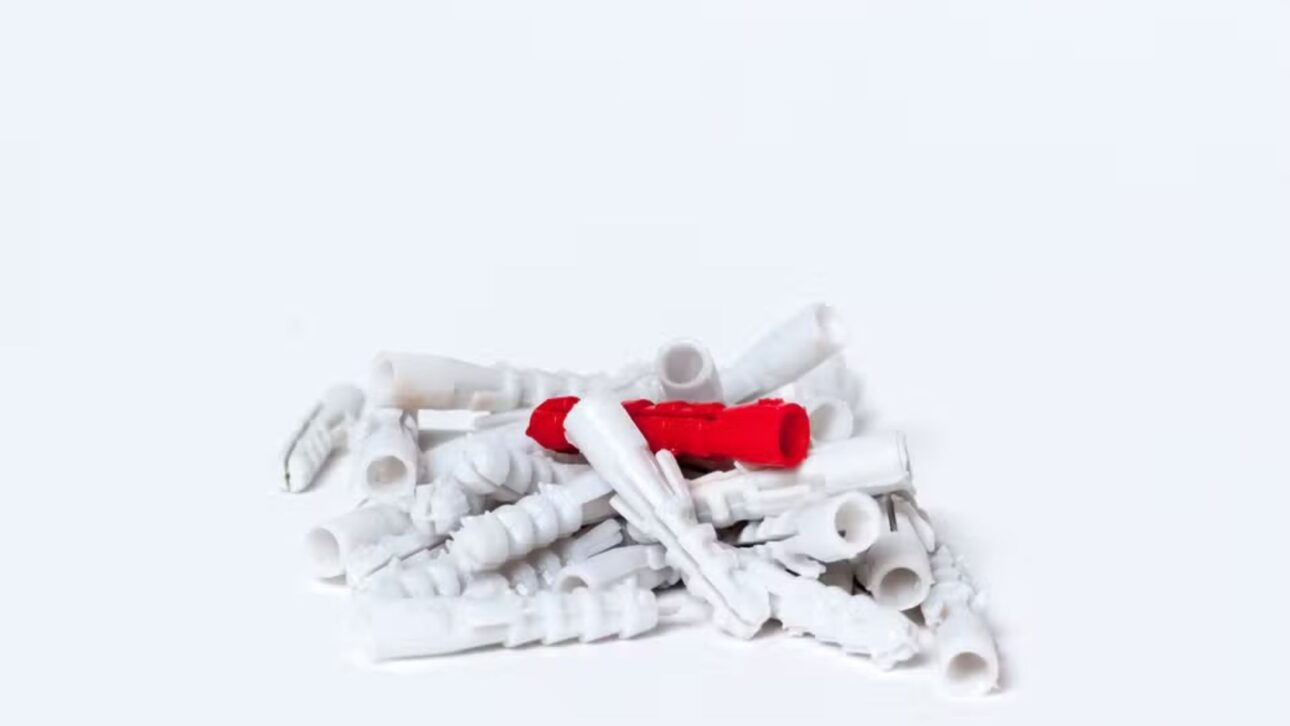
The Solution Gained Prominence After the First World War, When the Demand for Modernization of Facilities — Such as the Electrification of Old Buildings — Grew and Had Emblematic Use in the British Museum in London.
The Link with Wars: Demand, Materials, and Standardization
The Interwar Period Accelerated the Adoption of More Efficient Fastening Systems.
In Germany, the Expanding Electrical Industry Required Standardized Solutions.
In 1928, Engineer Fritz Axthelm Obtained a Patent for the Hülsenspreizdübel (Expanding Anchor).
Initially Produced in Metal, the Model Established a Controlled Expansion Mechanism That Improved Fixation in Masonry.
The Second World War and the Post-War Period Changed the Basis of Available Materials.
The Industrial Chain Began to Explore Polymers, and Axthelm’s Anchor, Once Metal, Migrated to Plastic in the Subsequent Period, Paving the Way for Lighter and More Versatile Versions.
Meanwhile, Solutions Using Plant Fibers — Such as Hemp and Jute — That Marked the Pioneering Phase Launched by Rawlings Were Still in Use.
Jute Fibers and the Performance Leap
The First Fiber Anchors — Frequently Described as Plant Strands Impregnated with Glue — Had the Merit of Expanding by Compression When Receiving the Screw.
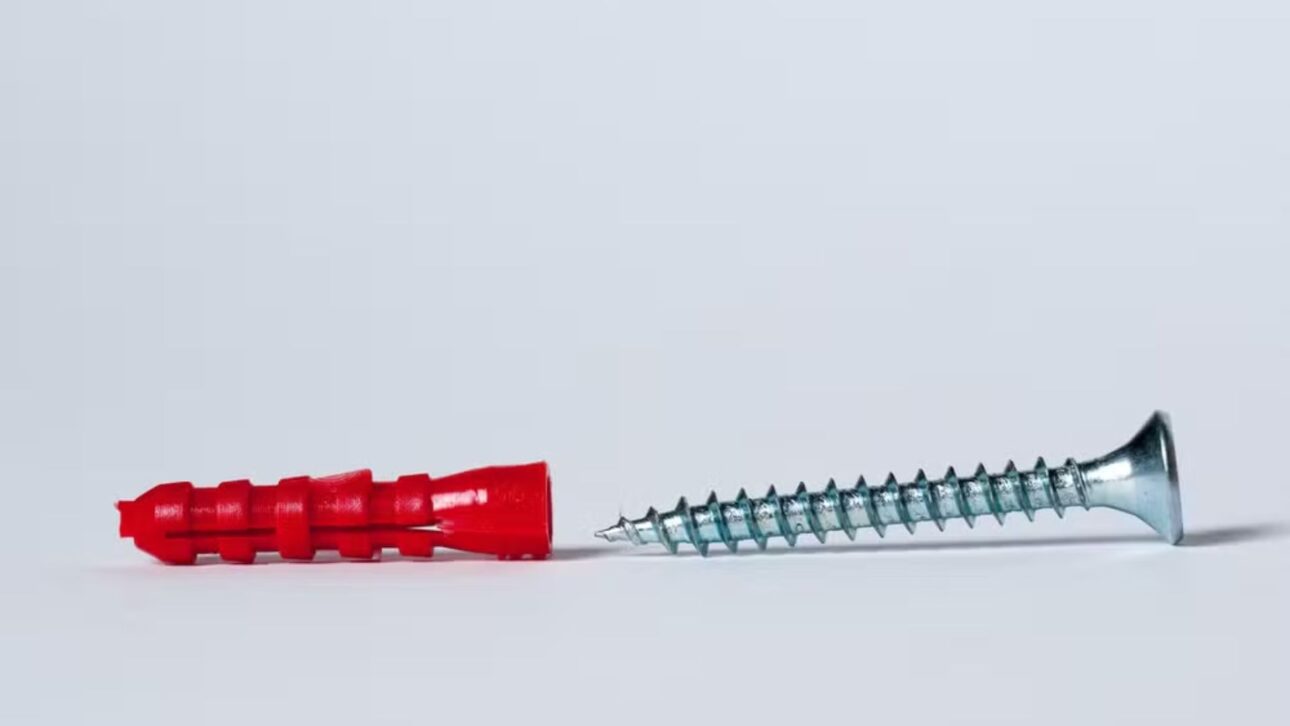
The Jute Stood Out for Providing Volume and Friction Inside the Hole, Generating an Efficient Tightening in Porous Materials.
Still, the Variation in Density of Masonry, Sensitivity to Moisture, and Lack of Standardization Limited Performance and Repeatability.
These Factors Stimulated New Patents and Tests with Metals and, Later, Plastics.
Colors, Sizes, and the Polymer Era
From the 1950s Onward, Plastic Anchors Established Themselves in the European Market.
In 1957, the Swede Oswald Thorsman Registered a Plastic Anchor and Popularized Color Coding to Differentiate Sizes, Making Selection in Construction and Retail Easier.
The Visual Coding Simplified the Installer’s Work and Helped Spread the Use of the Accessory in Light Installations, Especially with Plastics Such as Polyethylene and, Soon After, Polyamide (Nylon).
The Universal Nylon of Artur Fischer
The Next Step Came in 1958, When Artur Fischer Filed a Patent for a Plastic Anchor with a Design That Combined Controlled Expansion and Locks to Work on Different Substrates.
Made from Heat-Resistant Nylon, the Piece Better Absorbed Tightening Stresses and Kept the Screw Firm in Various Materials.
The Shape, with Notches That Open Under Torque and a Body That Prevents Rotation in the Hole, Became Synonymous with Versatility on the Job Site.
The Impact Was Immediate.
From the Late 1950s Onward, Plastic Anchors Began to be Mass-Produced, with Variations for Solid Brick, Hollow Block, Concrete, and Panels, as Well as Specific Versions for Medium Loads and Certain Hole Geometries.
Fischer’s Solution Spread the Concept of “Universal Application” and Helped Consolidate a Fastening Standard That Reduces Rework and Damage to Surfaces.
One of the Most Prolific Inventors
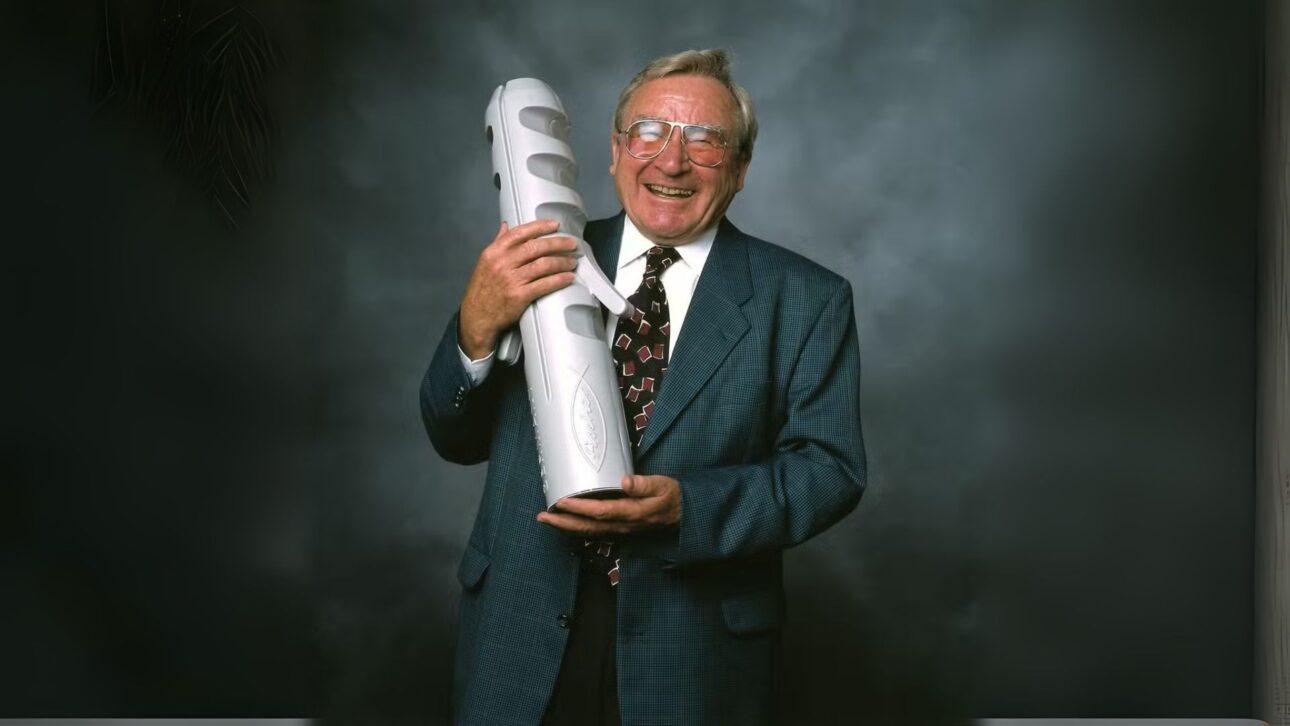
In Addition to the Anchor, Fischer Amassed an Extensive Body of Work in Practical Engineering.
Recognized for Over 1,100 Patent Applications and Utility Models, He Became One of the Most Productive Inventors of the 20th Century.
Among His Creations Are Also the Trigger for Synchronized Flash Photography and Educational Modular Systems That Explore Mechanical Principles.
However, the Nylon Anchor Is His Most Well-Known Mark, Combining Economic Manufacturing, Ease of Use, and Reliable Performance.
Essential Timeline of the Anchor
The Rawlplug (1911) Launched the Phase of Bonded Fibers for Expansion in the Hole, at a Time of Strong Demand for Electrical Retrofit in the Post-First World War.
In the 1920s, German Engineering Formalized Hülsenspreizdübel Mechanisms and Tested Metal Solutions Under Standardized Criteria.
The Post-Second World War Solidified Plastic as the Material of Choice, Thanks to its Availability, Molding Ability, and Cost.
Finally, the Patent from 1958 Brought the Nylon to a High-Performance Design with Wide Compatibility, Shaping the Global Market.
Why This Story Still Matters
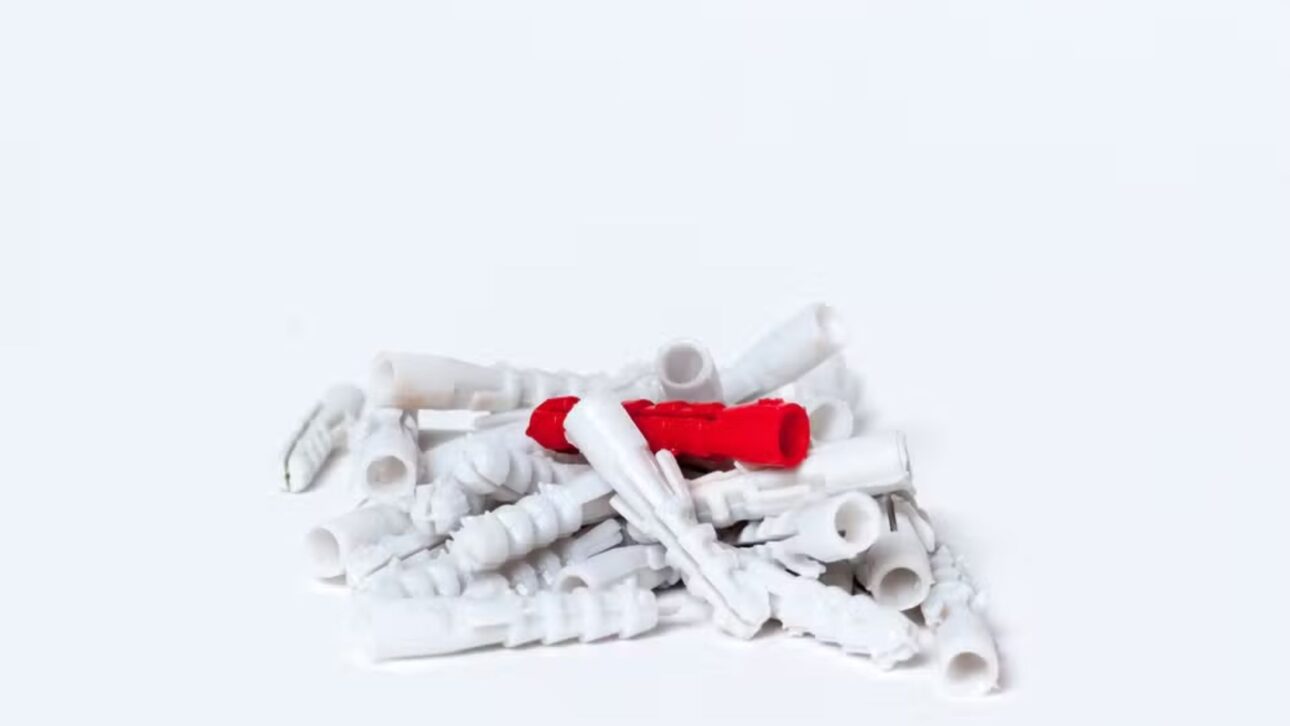
The Screw Anchor Illustrates How Material, Process, and Demand Feed Back into Each Other.
The Electrification of Historical Buildings, Post-War Reconstruction, and the Arrival of Polymers Created the Conditions for a Small Component to Solve a Big Problem: To Secure Fastening Without Destroying the Wall and Without Requiring Highly Specialized Labor.
Today, Standardization by Size, Color, and Geometry Allows for Quick Choices, While Nylon and Other Plastics Maintain Dimensional Stability, Even Under Temperature and Load Variations.
Even Though the Piece is Routine, Its History Connects the Museum That Avoided Breaking Walls, the Factory That Redefined Its Catalog in the Post-War Period, and the Inventor Who Transformed a Cylinder of Polyamide into a Solution for Almost Every Type of Wall.
What Else Does This Journey Reveal About How Engineering Responds to Crises and the Availability of Materials?







Seja o primeiro a reagir!