





 Portuguese
  English
  Spanish
  3 min of reading
  0 comments


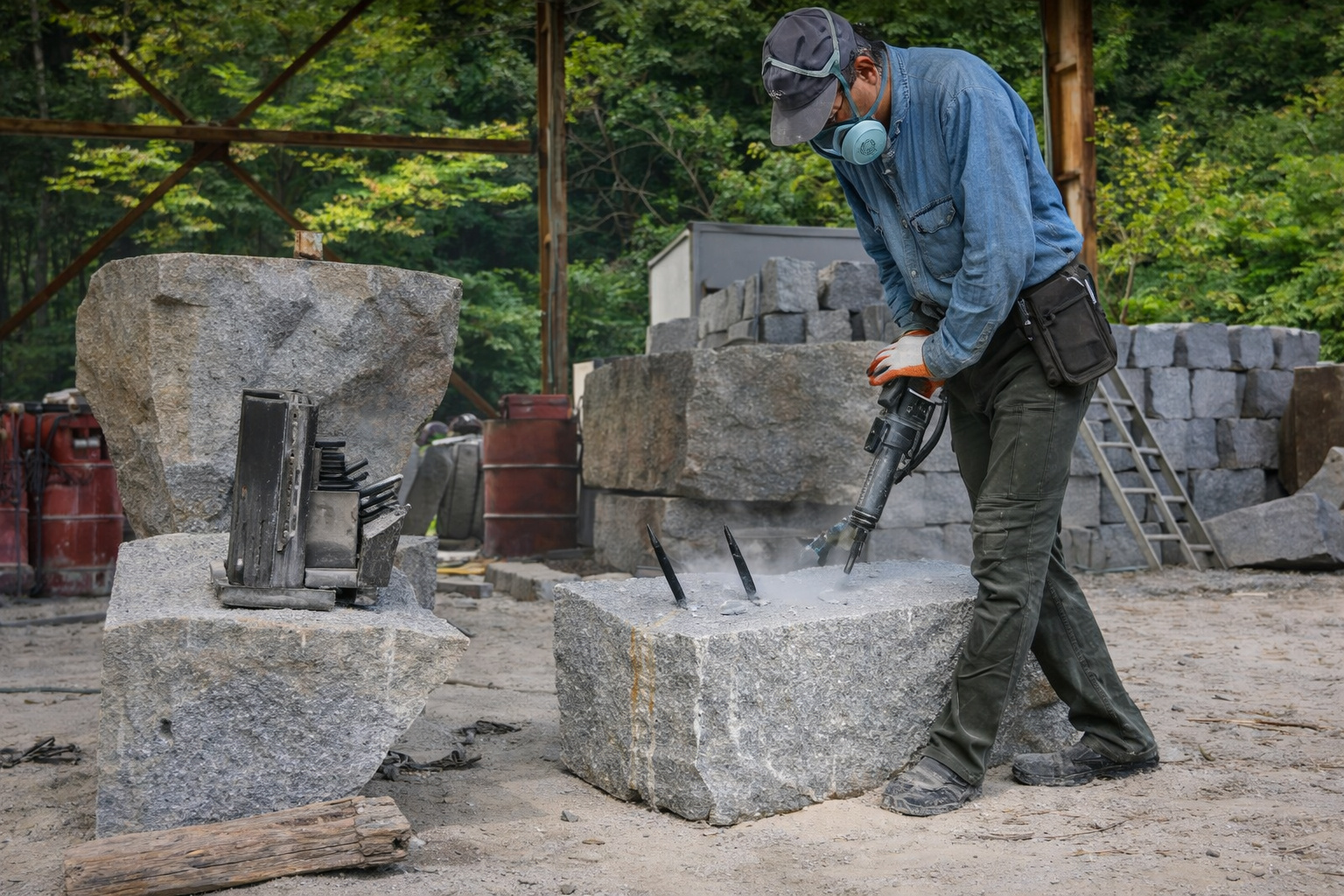
The artisanal production with raw granite showcases an ancient technique of a stonemason in Japan and a surprising transformation of stone into sophisticated pieces and utensils
A Japanese stonemason has been drawing attention by transforming raw granite into small cups and handcrafted utensils with refined finishing. The work begins with giant stones and ends with delicate pieces used in daily life.
The practice shows how a simple raw material can gain high value when it passes through experienced hands. The process involves patience, technique, and knowledge accumulated over decades.

Okazaki region concentrates tradition and stone specialists
The city of Okazaki has become a reference in the production and manufacturing of stone items in Japan. The location brings together high-quality granite and highly skilled professionals.
-
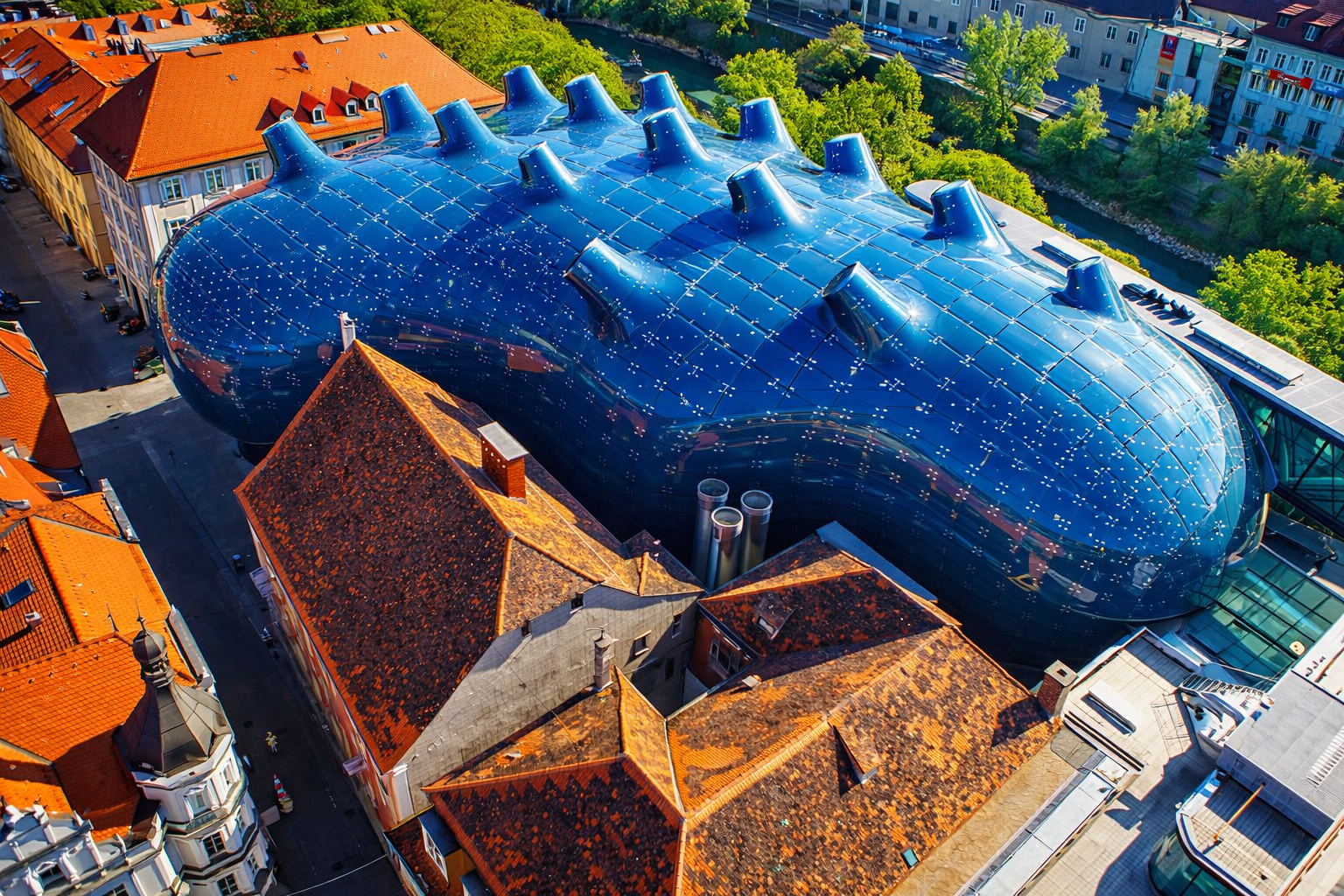
With 1,066 acrylic panels, the building known as the friendly alien is supported by a steel skeleton, has a façade that functions as a giant screen, and impresses the world without any internal columns.
-
Scientists warn that a comet about 1 km in size that has started to release gases may actually change direction in space. It was spotted by NASA and surprises with potential impacts near Earth.

-
These living root bridges and ladders are over 700 years old and help indigenous people survive in one of the rainiest regions in the world.

-
From sertanejo star to international investor: Ana Castela invests millions in a mansion in the USA, creates a themed accommodation in Orlando, and shows that the “boiadeira” also wants to grow away from the stage.


Artisans and stonemasons master advanced techniques that allow them to transform heavy blocks into small and functional objects. This knowledge is passed down from generation to generation, keeping a century-old tradition alive.
The report was published by Inagaki Sekizaiten Co., Ltd., a Japanese stone processing company that operates directly in this type of artisanal production.

Rare granite stands out for its shine and unique composition
The material used draws attention for its appearance. The granite has a balanced combination of light and dark minerals, which creates an intense shine on the surface.
This type of stone is considered rare and difficult to find in other regions of the world. This increases the value of the produced pieces.
Nakane Stone, a Japanese company specialized in granite extraction, detailed that this material has been mined for about 70 years, reinforcing the tradition and quality of the extraction.
Everything begins with giant stones taken from nature
The process begins with the removal of large stone blocks. These rocks are carefully selected, as the quality of the granite defines the final result.
After being transported, the stones undergo an initial cut. This stage reduces the size of the blocks and prepares the material for detailed work.
Even at this initial stage, the control is strict to avoid flaws and preserve the natural characteristics of the stone.
Cutting and shaping require precision and experience
With the block already reduced, shaping begins. The granite is cut according to the size of the final piece, which can be a small cup or utensil.

Next, internal holes and sculpture of the central part are made, creating the functional space of the piece. This work requires skill, as any mistake can compromise the entire structure.
The base also receives special attention, ensuring stability and uniform finishing.
The artisanal process reveals details that make a difference
Each stage is crafted with extreme care. The final finishing highlights the natural shine of the stone and showcases the manual work.
Even though it is a rigid material, granite takes on smooth and elegant shapes. This shows how technique can transform something raw into a sophisticated object.
Inagaki Sekizaiten Co., Ltd., a Japanese stone processing company, emphasizes that the value of these pieces is directly linked to the level of detail and dedication involved.
Transformation impresses and values manual work
The final result is surprising. What was once a common stone becomes a refined utensil, with high aesthetic and functional value.

This type of production also highlights the importance of artisanal work in an increasingly automated world. Each piece carries the identity of its creator.
The transformation of granite shows that technique, patience, and tradition can reveal the true value of the raw material.
If this type of process impresses you, leave your comment and share it with those who also enjoy discovering how amazing objects are created.








Seja o primeiro a reagir!