





 Portuguese
  English
  Spanish
  4 min of reading
  0 comments



ANP’s R&D Clause Requires Oil Companies to Invest 1% of Gross Revenue in Research and Has Mobilized Over R$ 34 Billion Since 1998, Funding Robots That Operate Wells Alone, Generative AI That Reads Millions of Documents in Seconds, Cameras That Detect Danger in Real Time, and Digital Twins That Predict Failures Before They Occur on Platforms in the Brazilian Pre-Salt.
There is a law in Brazil that no one knows that requires all oil companies operating in the country to invest billions in technology every year. Therefore, it is not a choice — it is a contractual obligation.
The R&D clause of the ANP mandates that concessionaires invest 1% of the gross revenue from fields that pay Special Participation in research, development, and innovation.
Since 1998, this mechanism has mobilized over R$ 34.4 billion. Petrobras accounts for R$ 27.2 billion (79%) and another 16 companies for R$ 7.2 billion.
-
For the first time in history, a probe photographed the Sun’s pole outside the orbital plane of the solar system and discovered that the star’s magnetic field is disorganized, a revelation that forces scientists to rethink the models used to predict solar storms capable of knocking out satellites, GPS, and electrical grids on Earth.

-
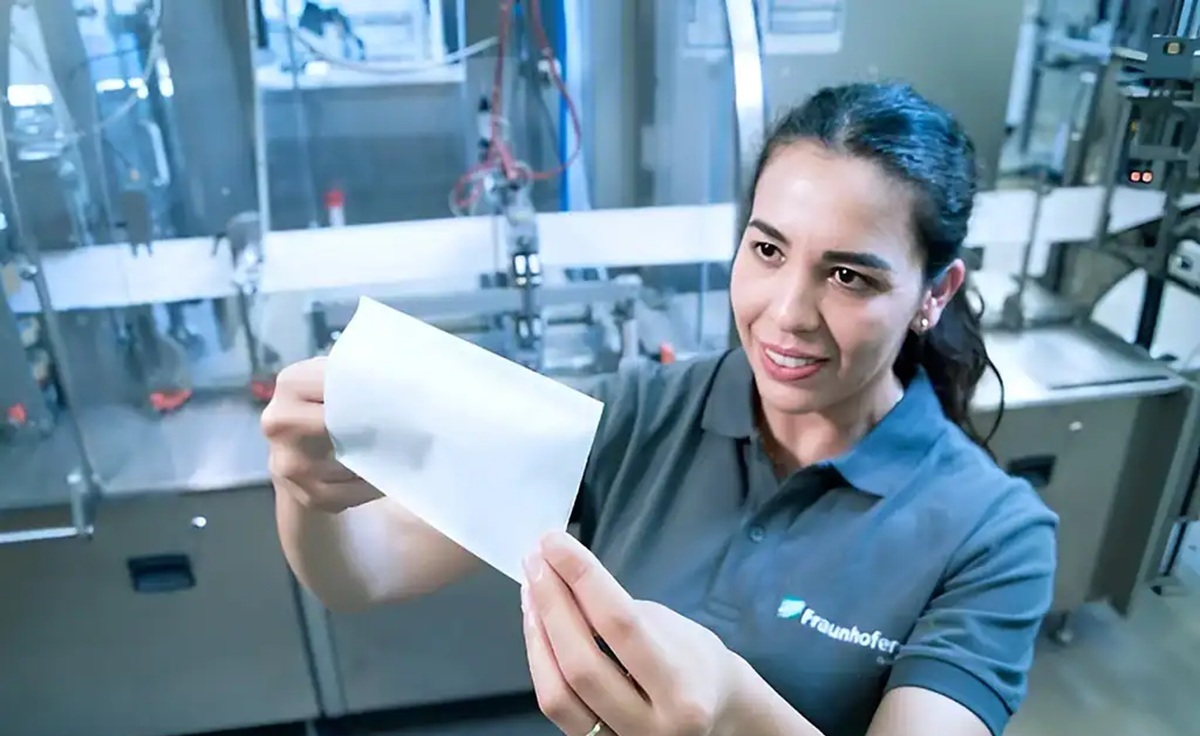
End of glue: this new laser uses the paper’s own composition to bond layers without external glue and could solve one of the most hidden problems of packaging recycling.
-
In Antarctica, scientists from Cambridge propose to install a tube on the bottom of the Amundsen Sea to release billions of bubbles and block the warm water that melts the Thwaites Glacier, an unprecedented attempt to contain ocean currents that could raise sea levels by meters, but which is still considered a scientific unknown.

-
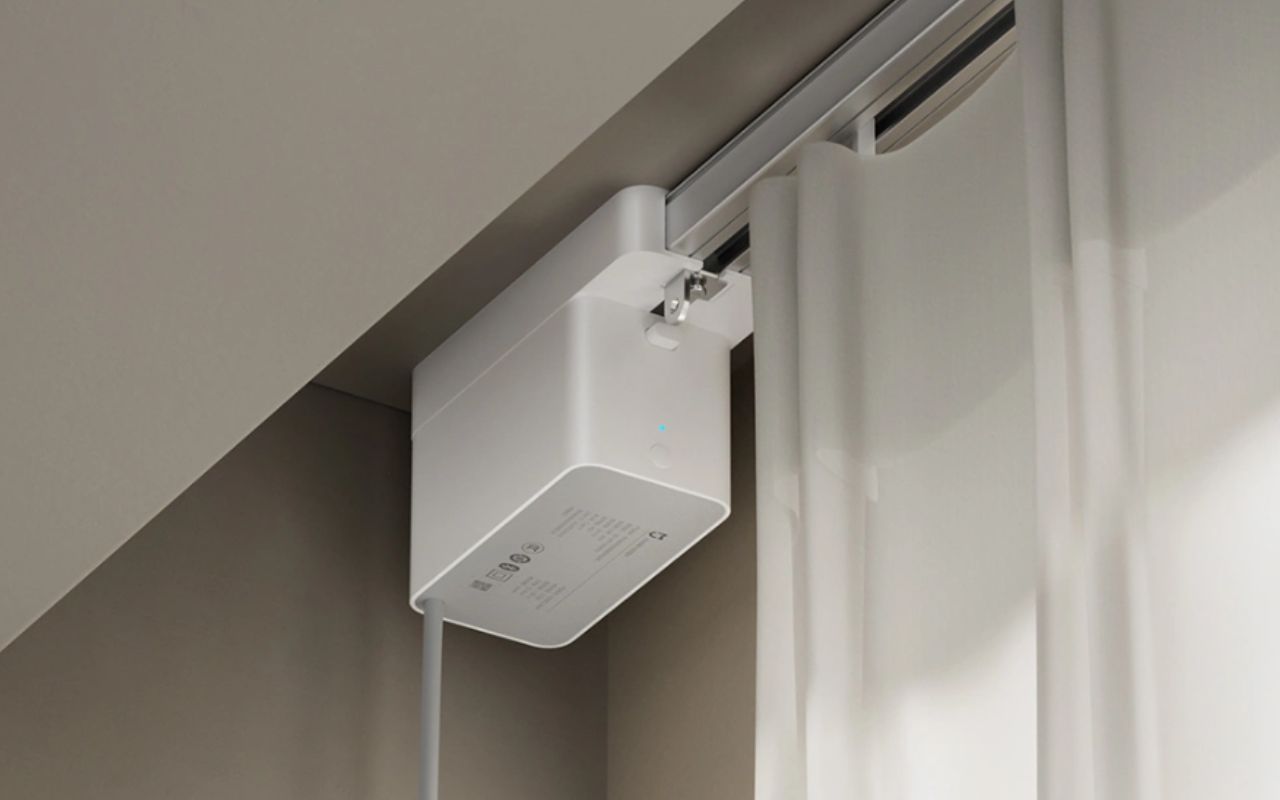
New dual motor technology from Xiaomi features silent operation and voice control: meet the Mijia Smart Curtain 3 Pro.
Additionally, just in 2024, the investment obligation reached R$ 4.2 billion. In 2023, 6,143 new projects were initiated with an expected R$ 5.8 billion in investments.

Petrobras Created a Robot That Operates an Oil Well Alone Like an Autonomous Car
One of the most impressive results of this law is the WellBot, developed by Petrobras. It functions like an “autonomous car” for oil wells.
The system uses AI algorithms and predictive control to operate wells autonomously in unstable zones. Therefore, it seeks maximum production without direct human intervention.
The WellBot was awarded the ANP Award for Technological Innovation 2019.
Each avoided intervention in offshore wells saves millions of dollars and reduces risks for workers in extreme conditions over 2,000 meters deep.
Petrobras’ Generative AI Reads Millions of Drilling Documents in Seconds
The Cortex Project is another direct result of the R$ 34 billion. Developed by Petrobras in partnership with UNESP and PUC-Rio, it uses generative AI applied to drilling, completion, and abandonment of wells.
Thus, the system analyzes millions of technical documents and responds to queries in seconds to support decisions that previously took days.
Professor Arnaldo Cândido from UNESP highlighted that Cortex “has a direct impact on the productivity of oil sector professionals.”

AI Cameras Detect Danger on Platforms Before Humans
Since 2019, Petrobras has used computer vision to analyze images of field tasks in offshore operations. However, the system goes beyond simple monitoring.
The AI detects in real time deviations such as improper use of PPE, obstruction of escape routes, and access to restricted areas. Therefore, it identifies dangers that the human eye may not perceive.
Additionally, a partnership with the startup Wiise, with an investment of R$ 11.2 million, uses digital twins and AI for risk analysis in offshore wells.
“AI will allow the automation of routine tasks, freeing engineers for strategic decisions,” said João Victor, an engineer at Wiise.

Brazilian Universities Receive Billions to Develop AI for Oil
The resources do not stay only with the oil companies. The ANP accredits universities across Brazil to receive part of this money.
Thus, UNESP, PUC-Rio, UFRJ, UFMG, and Unicamp develop everything from neural networks for seismic interpretation to autonomous systems for platforms.
The ALINE project uses a GPT-type model for natural gas detection in seismic data. Shell invested in the OD OBN system, which is expected to reduce costs by up to R$ 250 million over five years.

Aramco Projects US$ 5 Billion with AI and Brazil Has a Unique Mechanism in the World
The CEO of Aramco estimated gains of up to US$ 5 billion by 2025 with AI. McKinsey projects a 20 to 30% reduction in downtime with predictive maintenance.
However, Brazil has something that no other country possesses: a law that mandates investment. It does not depend on corporate goodwill.
According to the IBP, the mechanism “has already mobilized over R$ 34 billion, driving digital solutions, advanced automation, and AI in the sector.”

R$ 14 Billion in AI Projects Are Currently Underway in the Pre-Salt
The ANP’s 2024 Management Report indicates a portfolio of projects underway totaling R$ 14.1 billion. In the first three quarters of 2025, an additional R$ 3.4 billion in new obligations.
Petrobras’ Engineering Director, Renata Baruzzi, stated that the company needs to adapt to “an increasingly dynamic and technologically complex environment.”
To understand how robots are already taking over inspections on platforms, see the report. Also check how Petrobras invested US$ 180 million in underwater robots.
While the world debates whether AI will transform the oil industry, a Brazilian law that almost no one knows has already invested R$ 34 billion doing exactly that — and the results are operating alone in the middle of the ocean.





Seja o primeiro a reagir!