





 Portuguese
  English
  Spanish
  3 min of reading
  0 comments


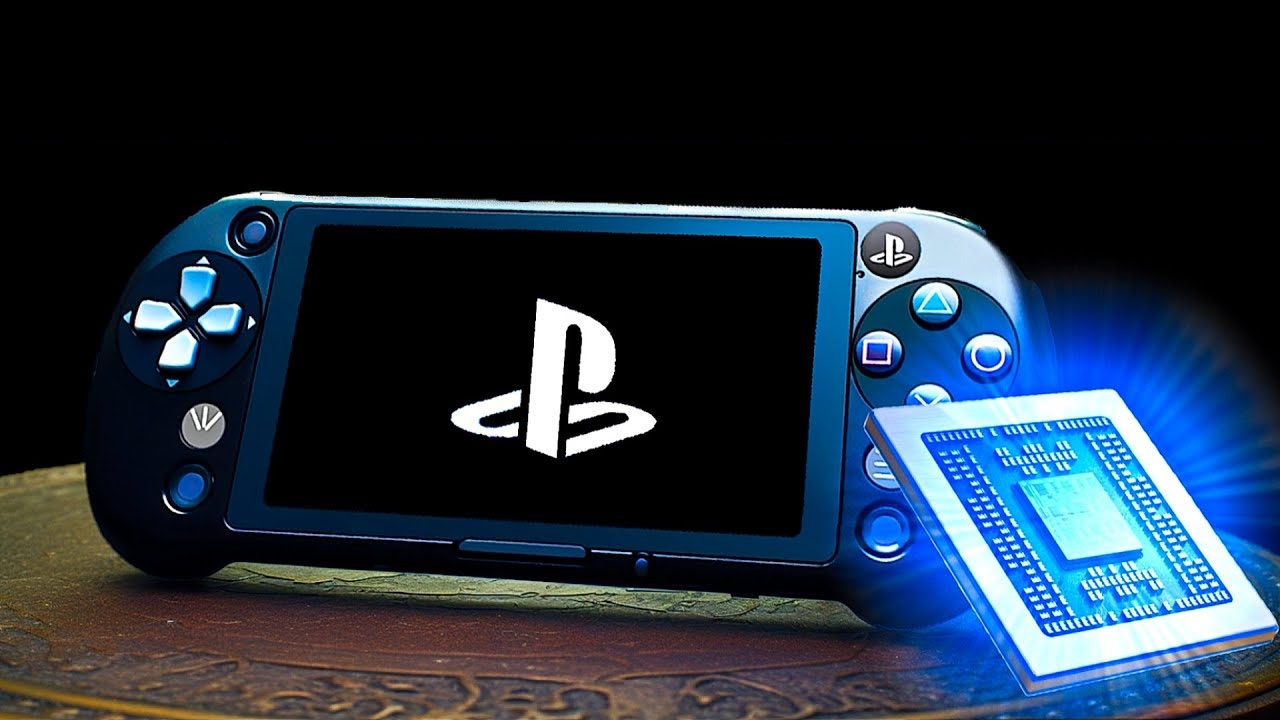
Sony accelerates preparations for the PlayStation 6 with a broad change in the brand structure, uniting home console and portable in the same ecosystem and aiming for 2027 as a starting point for a new phase of PlayStation, with games automatically adapted for each device
Sony is preparing a broad change for the PlayStation 6, with the creation of a unified ecosystem between home console and portable. The new phase of PlayStation and PS6 is expected to revolve around the PlayGo system, designed to automatically deliver the most optimized version of each game for each type of hardware.
The restructuring appears as part of the strategy to enable a new portable device capable of running current generation games natively and efficiently. Leaks indicate that this dedicated portable hardware is expected to debut in 2027, already within the successor project to the PlayStation 5.
PlayStation and PS6 in a unified ecosystem
Sony’s proposal is to integrate the devices into a single software structure, eliminating barriers between the experience on the home console and the portable. The PlayGo system would function as a response to Xbox’s Smart Delivery, automatically adjusting each title to the equipment in use.
-
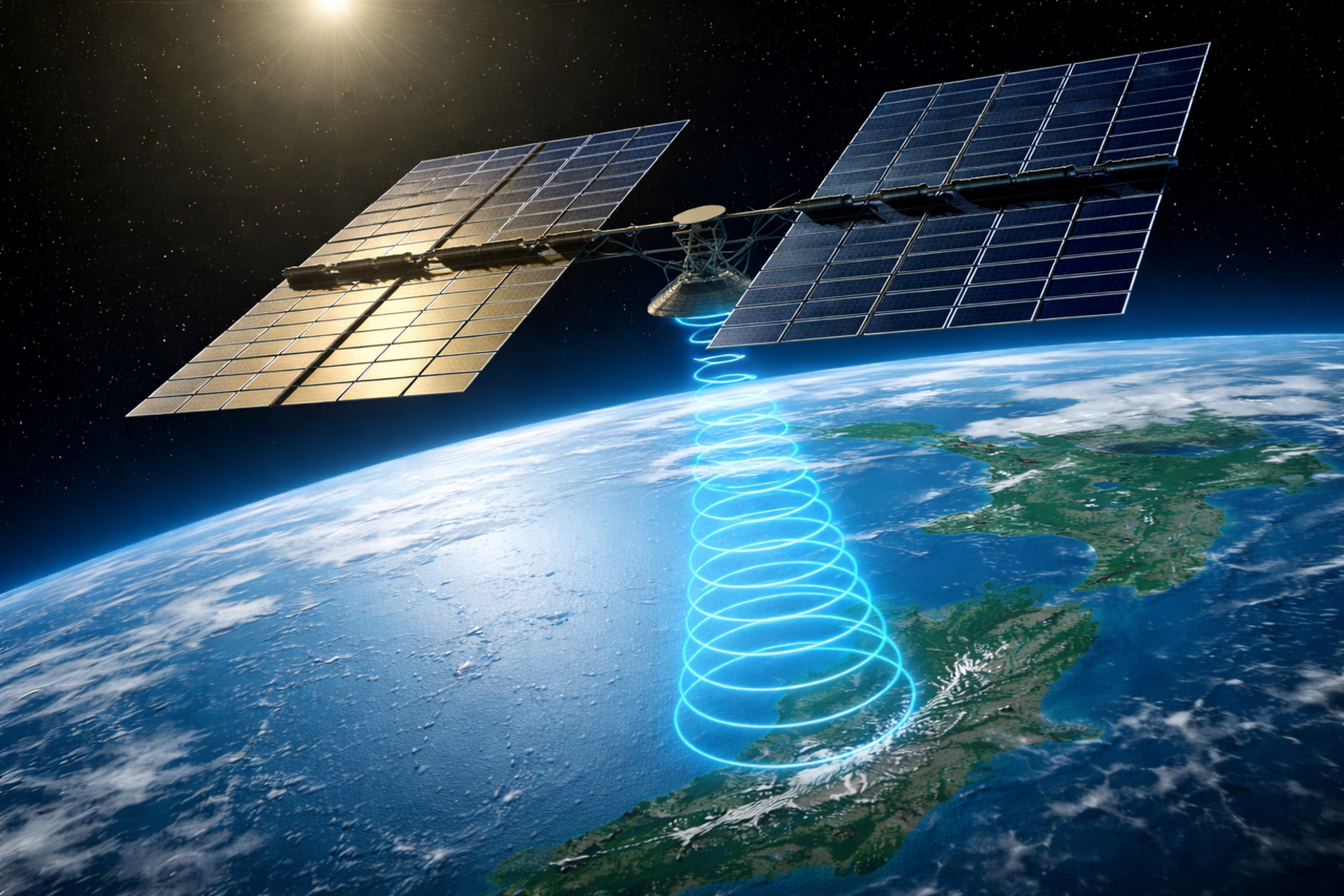
China’s space solar power station could function as a military weapon by transmitting microwaves with high precision, supporting electronic warfare and protecting communications, says a study.
-
Without rain, with reservoirs under pressure, countries are accelerating desalination and placing the sea at the center of water supply, but the advancement of this infrastructure requires a lot of energy and increases the disposal of brine.

-
NASA satellite images show a circular structure 13 km in diameter in Tocantins, with raised edges and a preserved interior: it is the Serra da Cangalha, the best-preserved meteorite impact crater in Brazil, formed 220 million years ago and overlooked by almost all Brazilians.

-
They spent up to 5 hours a day underwater, and their bodies changed because of it: discover how human populations developed impressive biological adaptations to survive in the most extreme environments on Earth.

This new portable would follow a different direction than that adopted by the PlayStation Portal. Instead of relying on streaming, the device would operate independently and share the same library as the main console, expanding the brand’s reach in a market currently driven by the Nintendo Switch 2.
The strategy aims to consolidate a single platform capable of catering to both traditional home use and the demand for mobility. With this, Sony seeks to reinforce its position in the high-performance segment while also regaining ground in the portable device sector.
Technical indications already appear on the PS5
Signs of this transition may have already emerged in the Power Saving Mode of the PlayStation 5. Developers have been instructed to optimize resources specifically for this mode, in a configuration whose specifications for cores and threads coincide with the hardware planned for the new portable.
Another important step was the creation of reduced asset packages within SDK 13. This measure facilitates the scalability of games across machines with different power levels, allowing the same project to function more efficiently on distinct platforms.
In practice, this prepares the ground for backward compatibility and for less costly production for studios. The modularity in packaging files also reinforces the intention to make the cross-gen development environment smoother in the next generation of PlayStation.
PlayGo will be the central piece of the new generation
PlayGo appears as the center of this mechanism by managing the intelligent download of textures and data according to the platform used. Thus, the PS6 portable would not need to download heavy 4K files intended for the home console, preserving storage space and improving performance.
This modular installation model helps adapt games without wasting resources. The logic also reduces the weight of transfers and reinforces the idea of a shared library among different hardware formats.
Launch window and generation change
Sony’s movement is also evident in the gradual phasing out of services related to the PlayStation 4 within the PSN. Partners have been informed that projects submitted from spring 2026 must follow more modern standards of connectivity and development.
Historically, cuts in legacy resources usually precede the announcement of new hardware by a few months.
Even with debates about the final format of the device, whether a hybrid console or a high-performance standalone accessory, the direction taken for PlayStation and PS6 points to a total integration between devices, with a start expected in 2027.








Seja o primeiro a reagir!