





 Portuguese
  English
  Spanish
  3 min of reading
  0 comments


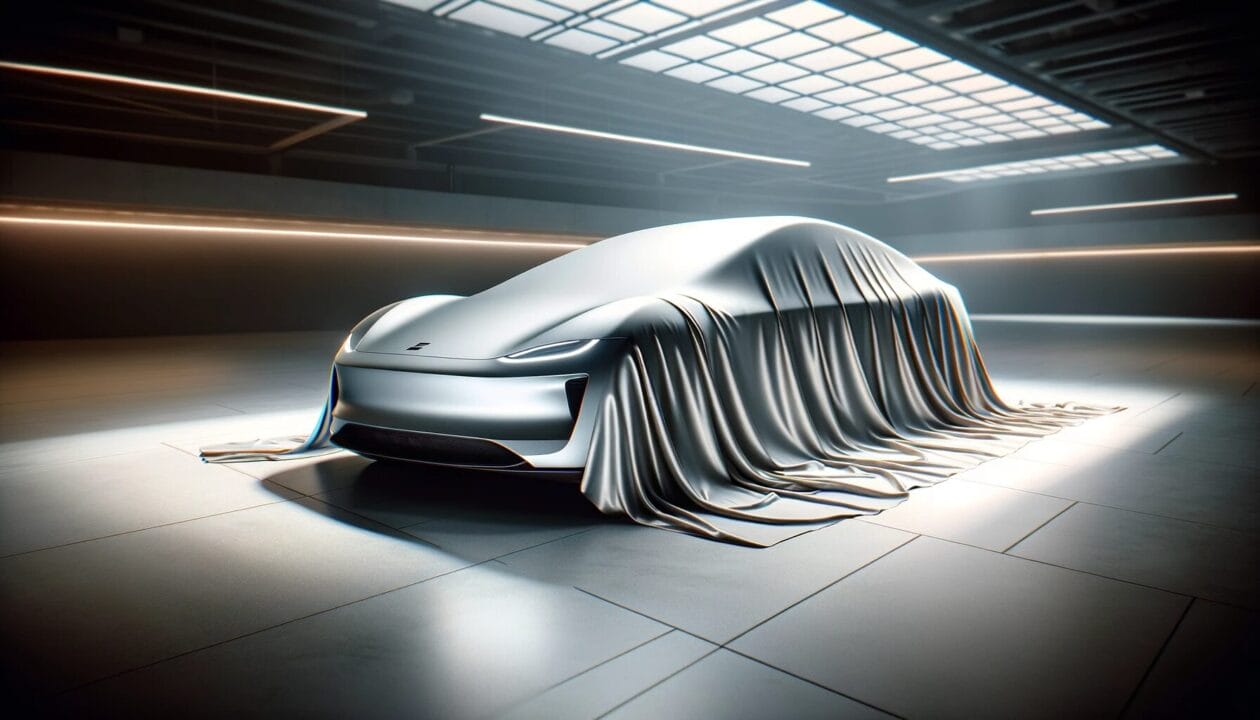
Renault Brings Back an Icon: The Popular Twingo, Now in Electric Version, Will Arrive in the National Market with an Estimated Price Starting at R$ 100 Thousand.
The Renault Twingo, a true icon among popular cars and an object of passion for many Brazilians, is returning to the market after a two-decade hiatus. Reinventing itself, the Twingo re-emerges as an electric vehicle, now with two additional doors, and is expected to arrive with an approximate price of R$ 100 thousand. This launch marks Renault’s commitment to combine nostalgia with innovation and sustainability.
Renault’s Popular Car May Arrive Costing 20 Thousand Euros
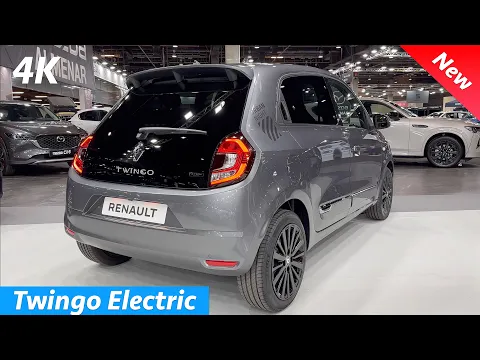

One of the most charismatic cars in history will return to the market with a retro look, reminiscent of the subcompact launched in 1992. The new popular Renault Twingo will be the cheapest electric car from the French manufacturer, positioned below the Renault 5, which is expected to cost around 25 thousand euros (R$ 130 thousand in direct conversion).
Thus, the expectation is that the new electric hatch will be launched in 2026 costing up to 20 thousand euros (R$ 105 thousand). Even though the released images show a conceptual version, Renault claims that the electric model will be very similar to this prototype.
-
A French brand placed a car on four huge red balloons to prove that its suspension made the vehicle “float,” and the surreal scene became one of the most iconic and unusual images in automotive history.

-
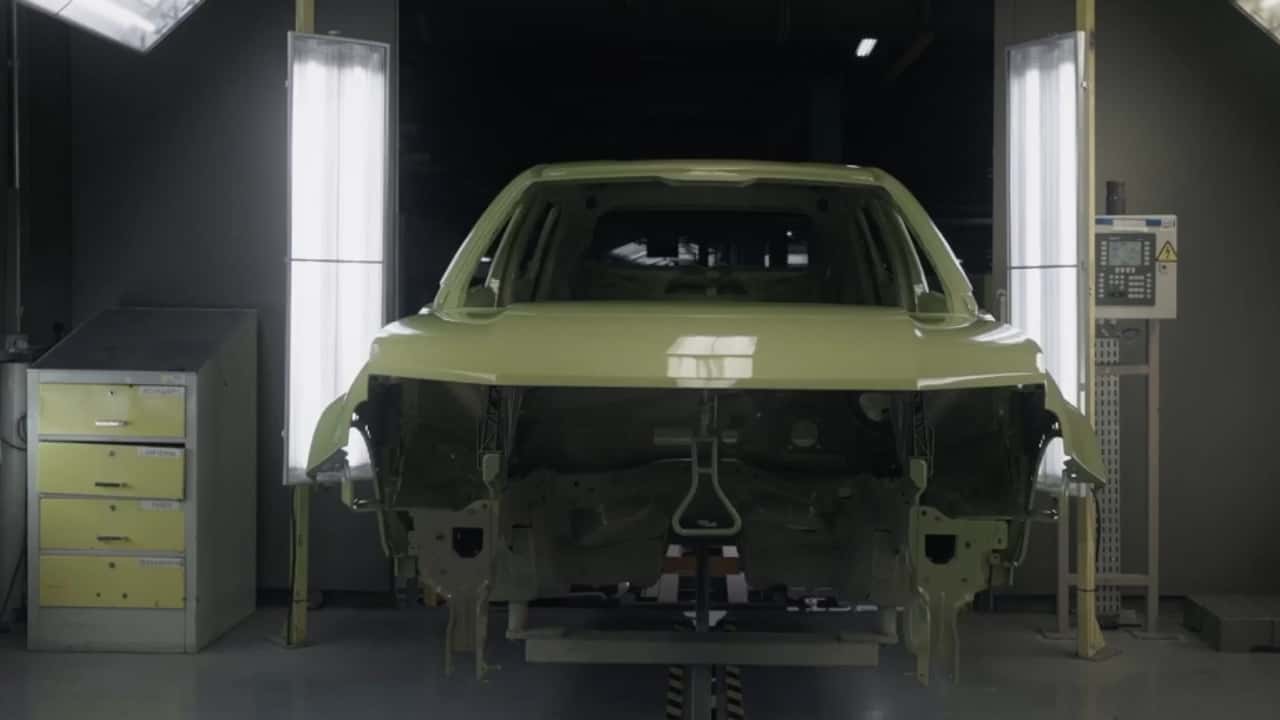
Jeep Avenger begins production in Brazil, debuting as the brand’s new entry-level SUV and inaugurating an unprecedented phase by becoming the first national Jeep manufactured outside of Goiana, as part of a R$ 3 billion plan.
-
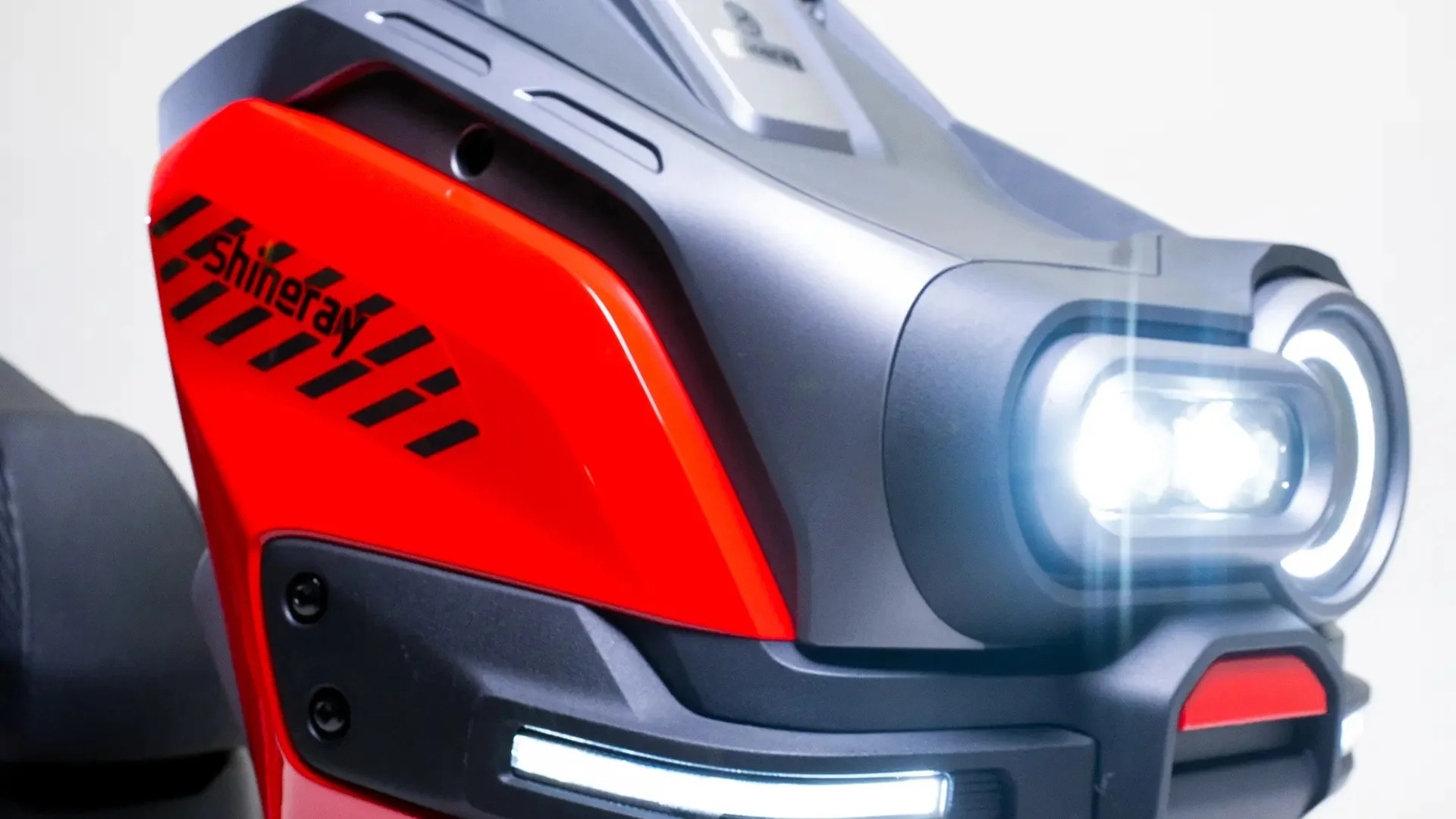
Costing R$ 12,490, the new Shineray Urban Lite 150 “cheap one” arrives in Brazil with a CVT transmission, digital dashboard, and LED lights, making it more affordable than the Biz and targeting those who want to abandon the bus.
-
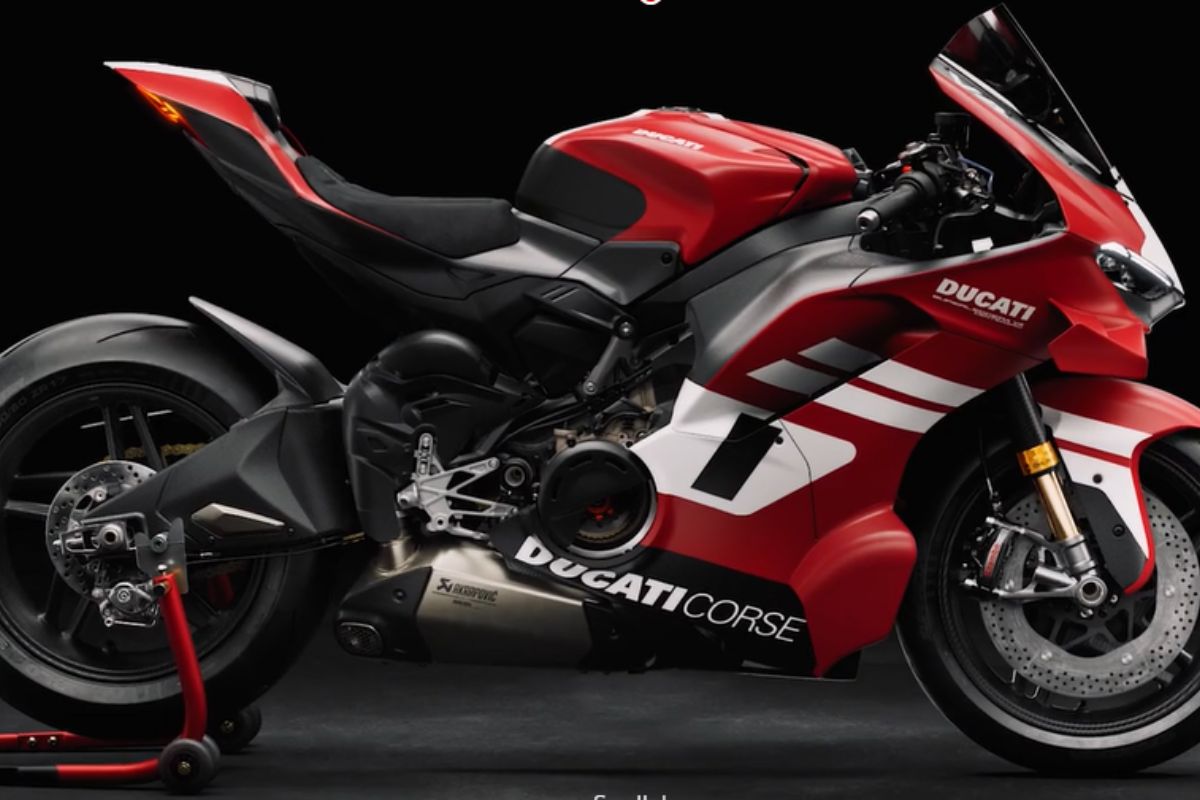
Ducati brings to Brazil the Superleggera V4 Centenario: 228 hp that become 247 with a track kit, carbon fiber and carbon-ceramic brakes, estimated price between R$ 1.5 and 2 million, deliveries only in 2027.

In fact, this is the second remake of a classic car from the manufacturer as an electric model. The Renault 5 itself was sold by the brand between 1972 and 1996, and its renewed version keeps the style of the old hatch. Although the Renault Twingo is a faithful reimagining, Renault has taken some liberties to update it.
The electric version features four doors, while the classic model only had two. In all other respects, the Twingo incorporates vintage elements. The shape of the popular car’s body is practically the same, with a short hood and a high roof to benefit interior space.
Renault Twingo Will Feature the Best Energy Efficiency in Its Class
The LED signature in a crescent shape and the discreet front grille unmistakably indicate a reimagining. The same shape has been incorporated into the taillights, with a simple LED strip complementing the design. There is a kind of black frame surrounding the rear glass. Moreover, the door handles are hidden in a lit circle.
The brand has not disclosed much information about the electric motor and battery. However, the brand guarantees that the Twingo will have the best energy efficiency in its category, at around 10 kWh for every 100 km traveled.
In comparison with a combustion electric model of the same class, the new popular car will be 75% less polluting. It is worth noting that several countries in Europe burn coal to generate electricity. The Renault Twingo will be built on the CMF-BEV platform. In 2024, this base will also equip the new generation of the electric Nissan March. The main rivals of the new popular car in Europe will be the new VW ID.1, Fiat Panda, and Citroën e-C3.
Discover the History of the Renault Twingo
The Renault Twingo completes over 30 years since its debut to the world at the Paris Motor Show in 1992. However, it was launched in 1993 and arrived in Brazil only in 1994. Officially coming to the national market from France with a 1.2 engine of 55 horsepower, the model had distinguishing features like the sliding and foldable rear seat, which allowed for better use of interior space.
The first generation of the model was produced between 1993 and 2007 in Europe and had over 2 million units sold during its 14 years.
In Brazil, the popular car was sold between 1994 and 2003, having sold 12 thousand units during that period. The second generation was on the European market between 2007 and 2014, while the current generation, sold in Europe, was released in 2014.









Seja o primeiro a reagir!