





 Portuguese
  English
  Spanish
  4 min of reading
  0 comments


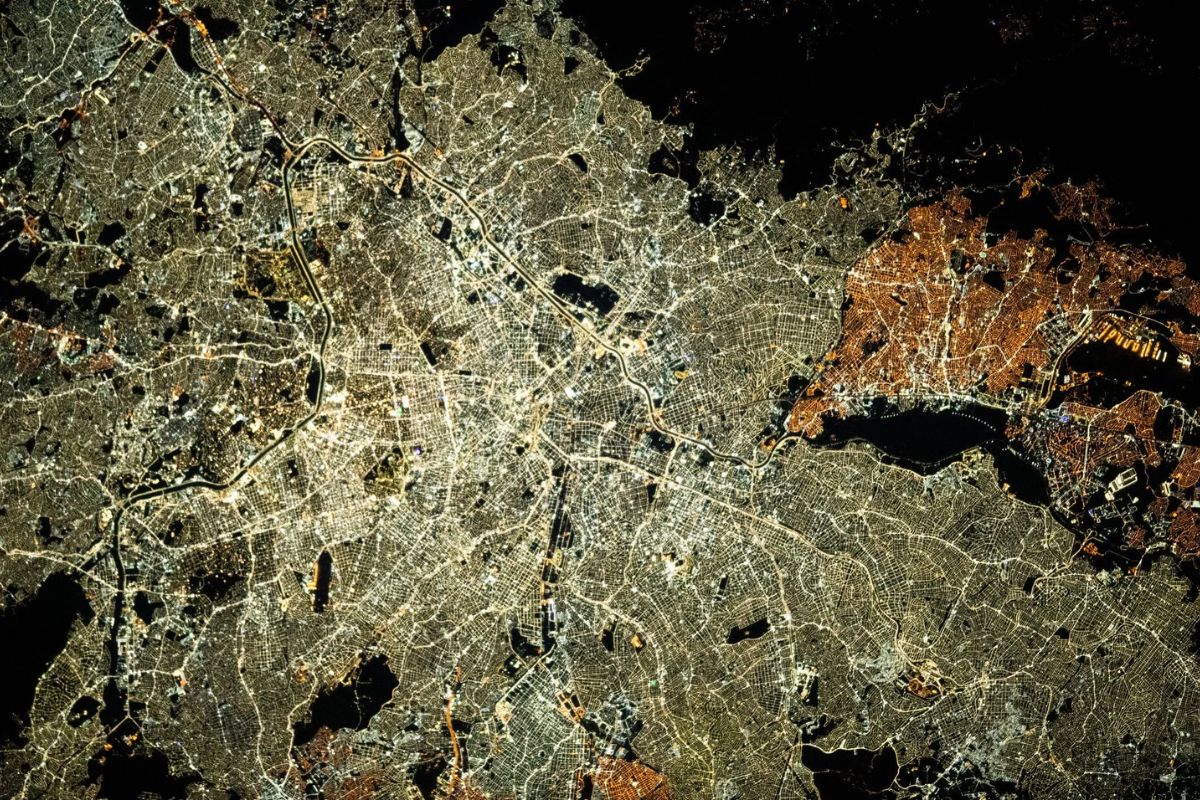
The Paulista Metropolis, An Important Brazilian City, Faces A Chronic Air Pollution Crisis, Mainly From Vehicle Emissions. The Health Of The Population Is Severely Impacted, Requiring Immediate Actions.
São Paulo, the largest Brazilian city, fights a daily battle against a silent and dangerous adversary: air pollution. Millions of inhabitants breathe a mixture of fine particles and toxic gases, often imperceptible, which seriously compromise public health and quality of life.
This scenario of atmospheric contamination transcends the environmental sphere, posing a critical challenge for this Brazilian city. The so-called “invisible pollution” is responsible for reducing life expectancy and worsening various diseases, a heavy burden for its citizens.
The Sources Of Contamination In The Paulista Metropolis, A Reference Brazilian City
The pollution hanging over São Paulo is a complex cocktail of toxic substances. Although not always visible, it silently penetrates the body. The main components of this threat include fine particulate matter (PM2.5), tropospheric ozone (O3), and nitrogen dioxide (NO2).
-
The U.S. Army surprises the world by presenting the UH-60MX Black Hawk helicopter capable of flying without pilots, controlled by a tablet, featuring the MATRIX system, smart sensors, and full autonomy in real combat and rescue missions.

-
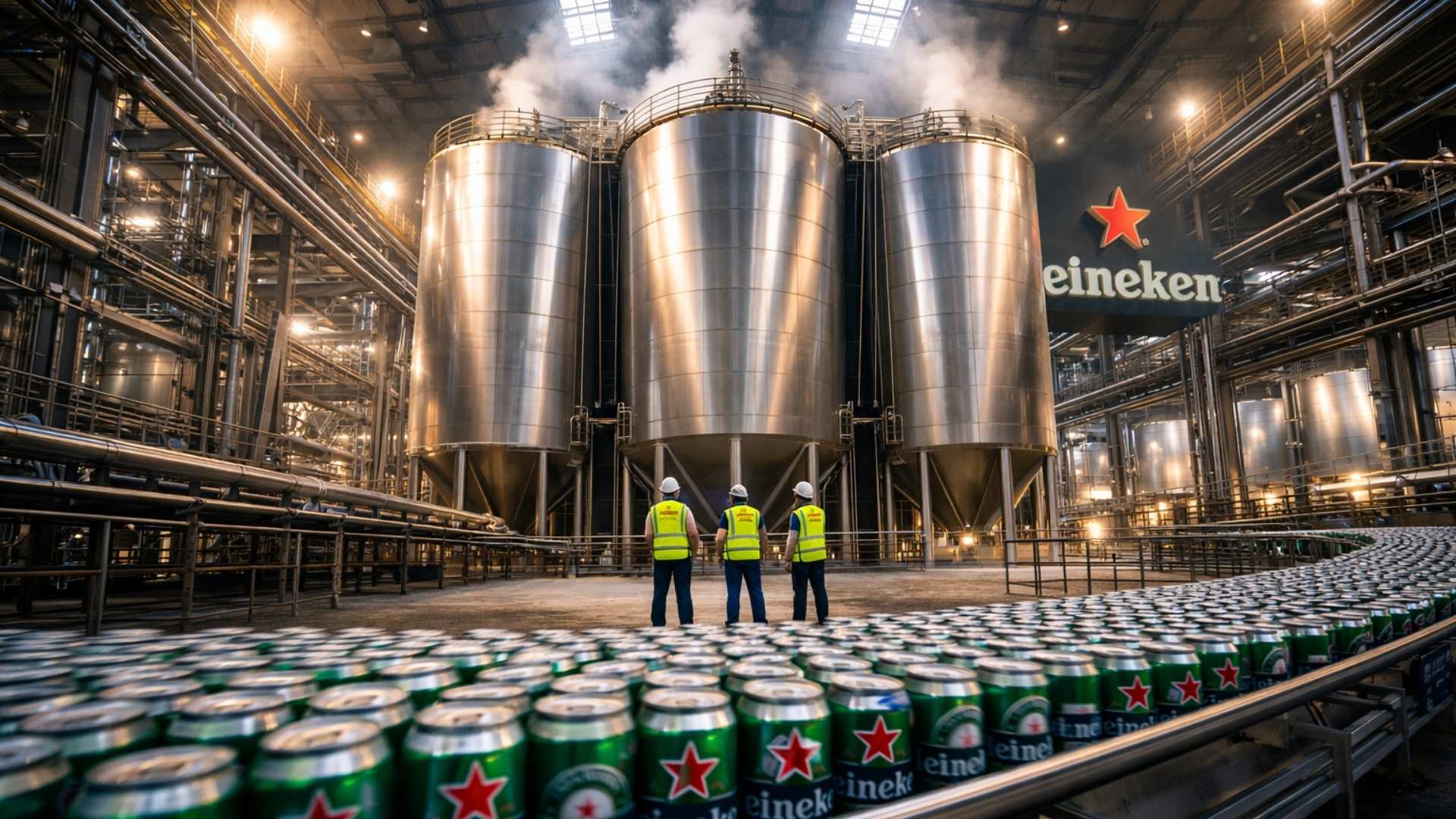
Heineken’s factory in Brazil produces 300 million beer cans in just 4 months, reaches 1 million hectoliters, received R$ 2.5 billion, and is already projecting an annual capacity of 5 million with sustainable technology.
-
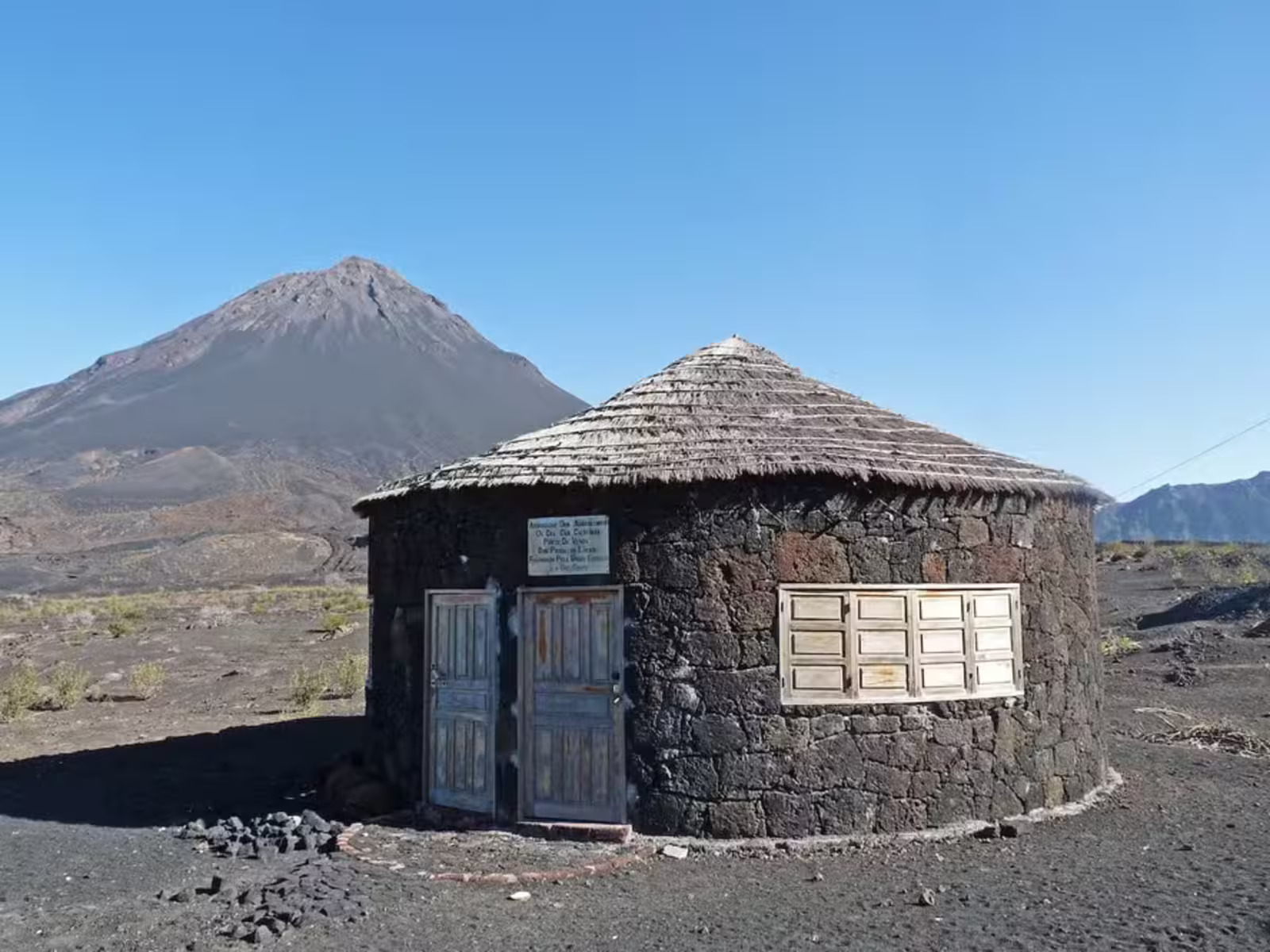
Inside an active volcano in Africa, residents use volcanic rocks to build houses in an impressive setting.
-
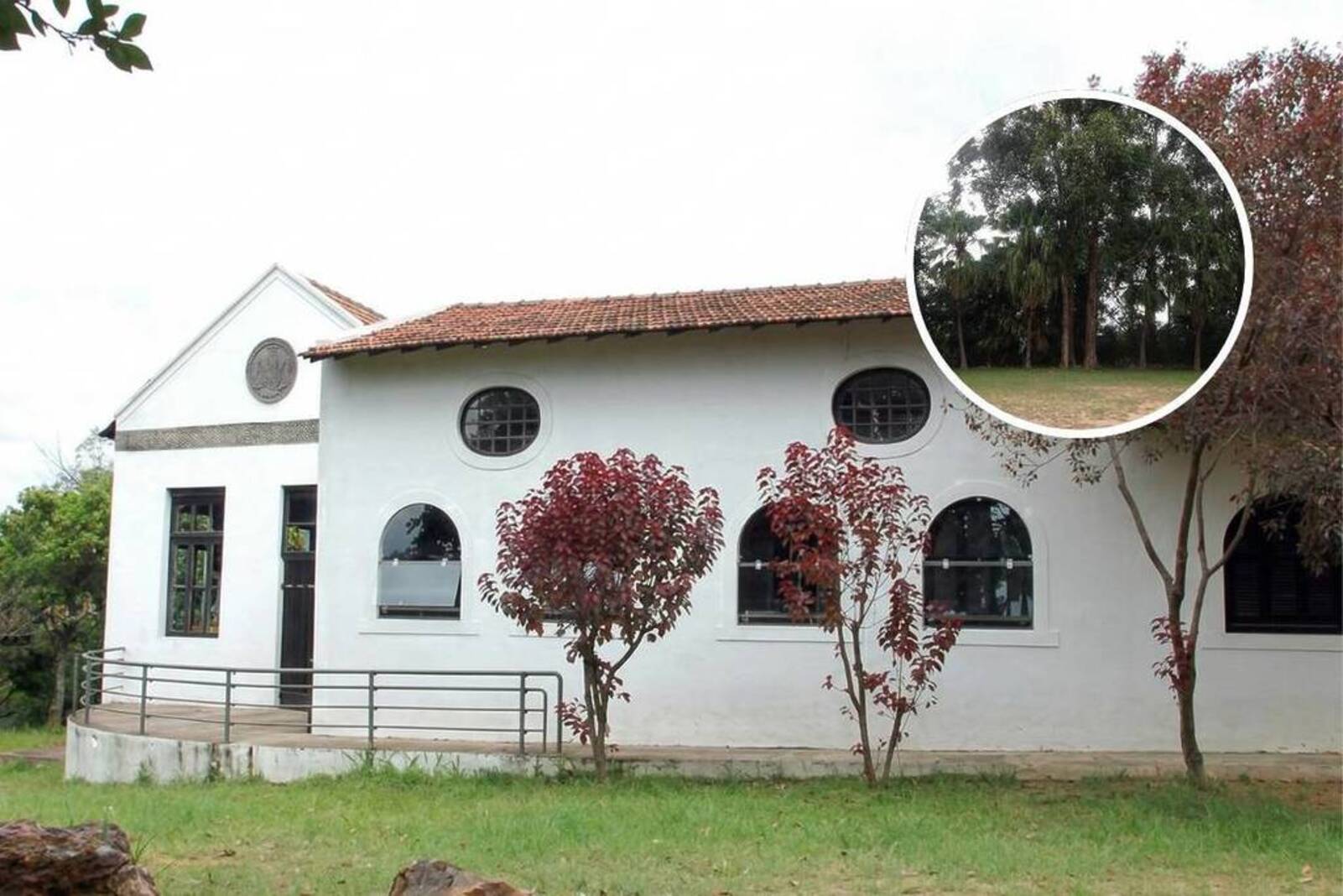
After 14 years of waiting, a rammed earth mansion built in 1702 in the North Zone of São Paulo will become a park with leisure facilities and green areas, with a million-dollar investment.

One of the main villains of air quality in São Paulo is vehicles. Heavy traffic is the primary cause of poor air quality in the São Paulo Metropolitan Region (RMSP). Cars, motorcycles, trucks, and buses release a large portion of PM2.5. This emission occurs due to fuel combustion and the wear of tires and brakes. Vehicles are also significant emitters of NO2 and volatile organic compounds (VOCs), precursors of ozone. Studies in the RMSP indicate that motor vehicles were responsible for over 76% of hydrocarbon emissions and over 50% of nitrogen oxides, both ozone-forming.
Despite the dominance of vehicles, industrial activity and other contributions also add to the pollution in São Paulo. Industrial activities are still relevant sources of particulate matter and other pollutants in São Paulo. Stationary sources, such as industries, contribute to VOC emissions. Other sources, such as resuspension of dust from roads and construction sites, add to the pollutant load that challenges this large Brazilian city.
A Critical Challenge For The Brazilian Metropolis
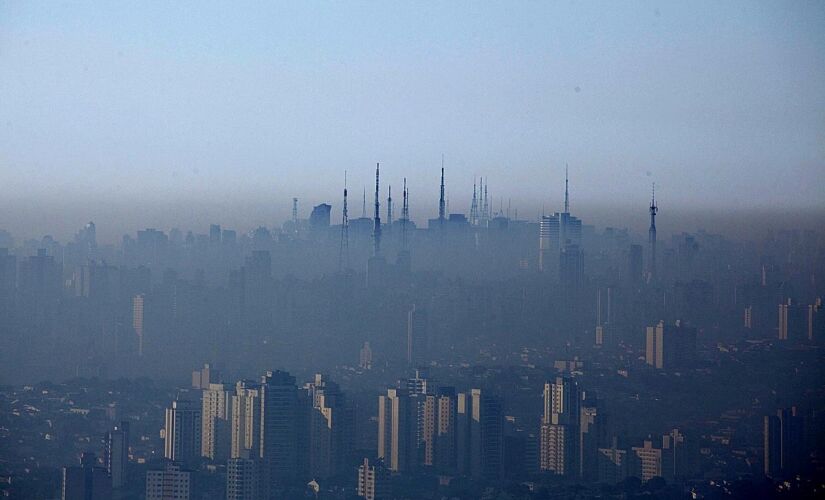
Continuous exposure to pollutants in São Paulo comes at a high cost to health. The impacts range from acute discomfort to serious chronic diseases, directly affecting life in the Brazilian city.
A growing burden for Paulistanos are respiratory and cardiovascular diseases. The respiratory system is severely affected. Asthma attacks, bronchitis, and the development of Chronic Obstructive Pulmonary Disease (COPD) are common. In São Paulo, a 10μg/m³ increase in PM10 levels has been associated with a 4.6% increase in asthma hospitalizations in children and a 4.3% increase in COPD hospitalizations in the elderly. Cardiovascular damage is also severe. Pollution raises the risk of heart attack, stroke, and high blood pressure. Studies in the city have shown that PM10, carbon monoxide (CO), and NO2 have significant associations with hospitalizations for cardiovascular causes, especially among the elderly. Air pollution is also classified as carcinogenic, associated with lung cancer.
There is also an invisible price, with the reduction in life expectancy and significant economic costs. Air pollution in São Paulo “steals years of life”. Globally, exposure to fine particles can reduce life expectancy by up to 2.2 years. The economic costs are substantial, including healthcare expenses and productivity losses. Estimates for São Paulo indicate that mortality and morbidity due to pollution generate a cost of up to US$208 million per year.
Air Monitoring In São Paulo
Monitoring air quality is essential to protect public health in the paulista metropolis, a Brazilian city facing complex challenges.
In this context, the role of CETESB and the critical levels of pollutants in the city stand out. The Environmental Company of the State of São Paulo (CETESB) is responsible for monitoring in the RMSP. However, several stations in the region frequently exceed daily PM10 and PM2.5 standards. The O3 standard has been exceeded at many stations in the state, and some in the RMSP have violated the annual NO2 standard. These data indicate that despite monitoring, air quality remains concerning in this Brazilian city.
Moreover, alarming episodes occur, with São Paulo topping global pollution charts at certain times. In September 2024, the city of São Paulo was identified as the city with the worst air quality globally for five consecutive days. This alarming event highlights the severity and persistence of the problem, even in a center with monitoring capabilities. Such a situation questions the effectiveness of current control policies.
Strategies For The Main Brazilian City


Confronting pollution in São Paulo requires coordinated and robust actions aimed at a healthier future for this Brazilian city.
There emerges the urgency of sustainable urban mobility. Given that vehicle emissions are the primary source of pollution in the RMSP, urban mobility policies are crucial. This includes restructuring mobility, promoting sustainable transportation alternatives. Prioritizing quality public transport and low emissions, along with infrastructure for cyclists and pedestrians, is essential.
Equally important is emission control and the need for effective public policies. Programs such as PROCONVE (Program for the Control of Air Pollution by Motor Vehicles) are important, but they need continuous improvement and rigorous oversight. It’s also essential to control industrial emissions and to adopt cleaner technologies. An urban planning that integrates air quality as a central criterion can reduce the need for motorized travel. Public awareness and social participation are vital to drive these changes and ensure a future with cleaner air for the largest Brazilian city.







-

Uma pessoa reagiu a isso.