





 Portuguese
  English
  Spanish
  3 min of reading


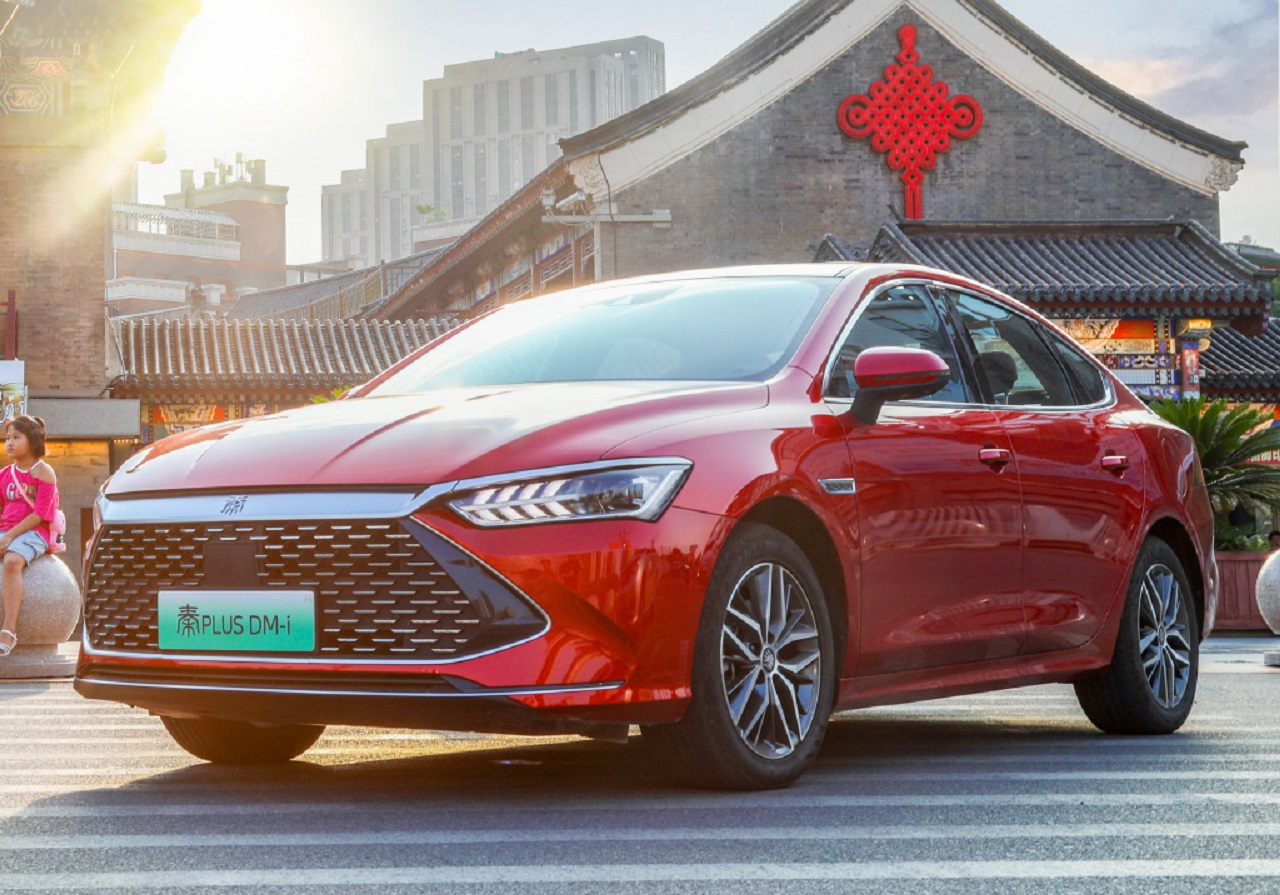
BYD Is Betting Heavily on Brazil with Its Electric Cars and Other Segments. In Addition to Job Creation, the Automaker Aims to Overcome Brazilians’ Prejudice Against Chinese Brands.
About 10 years ago, the Brazilian public witnessed the arrival of several Chinese automakers in the country. At the time, the focus was on the mass market, with goals of cheap and complete models; however, these brands faced harsh criticism for their vehicles due to quality. As a result, few Chinese brands remain in Brazil, and one of them is emerging on the horizon ready to compete on equal footing with global giants. This company is BYD, which is in Brazil offering its electric cars and generating numerous jobs in its facilities.
BYD Will Open 45 Dealerships in Brazil
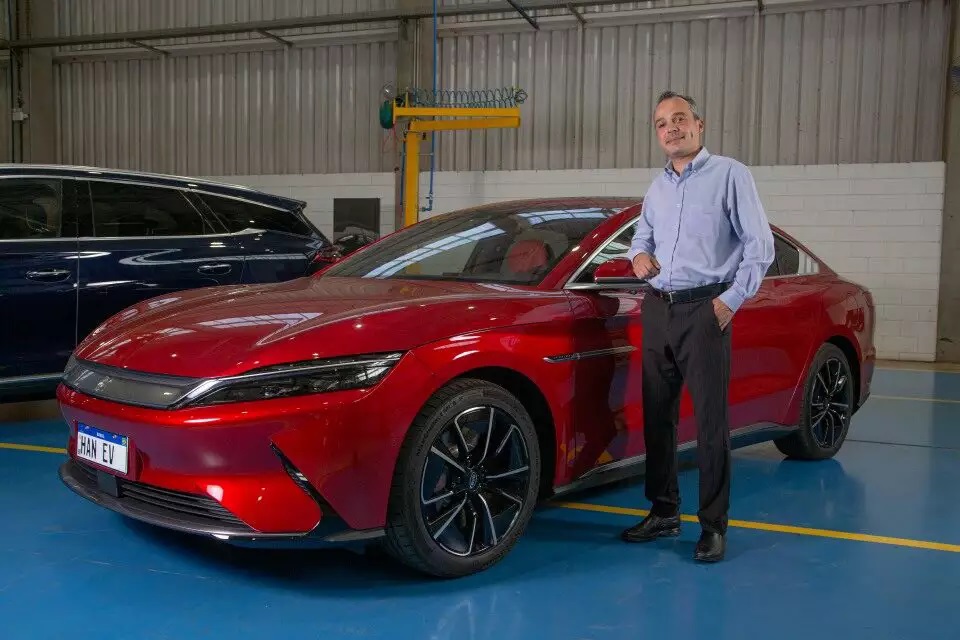
The brand has gained prominence in the country, especially in recent months. Since it decided to enter the light electric vehicle market in Brazil at the beginning of the year, the automaker, which already operates in the bus sector and other divisions focused on electricity, has introduced two models and announced it will open 45 dealerships in the country, generating numerous jobs.
According to the Sales Director of BYD Brazil, Henrique Antunes, the company initially focused on work areas, such as business in buses, solar energy, and forklifts. Electric cars were still something distant within the brand, which emerged with a stronger presence in 2015, but also focusing on these areas. Thus, models for taxis, vans, and patrols were developed.
-
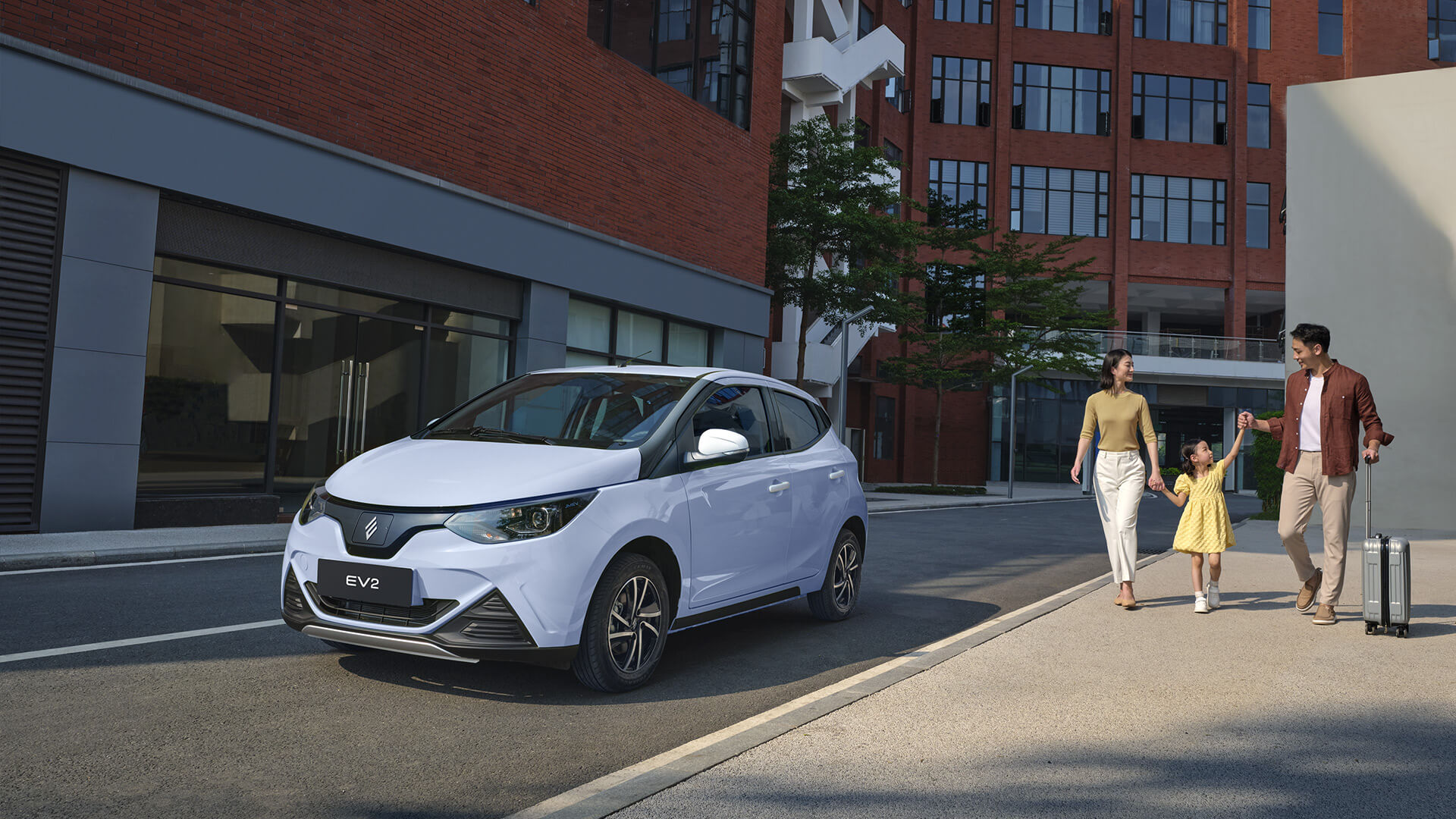
Goodbye expensive popular car: electric vehicle for less than R$ 70,000 starts being sold in Brazil with a range of 200 km and targets those looking to escape gasoline.
-
OMODA & JAECOO grows in Europe in 2026 with an integrated strategy of sales, innovation, local production, and technological advancement in the United Kingdom, Italy, and Spain.
-
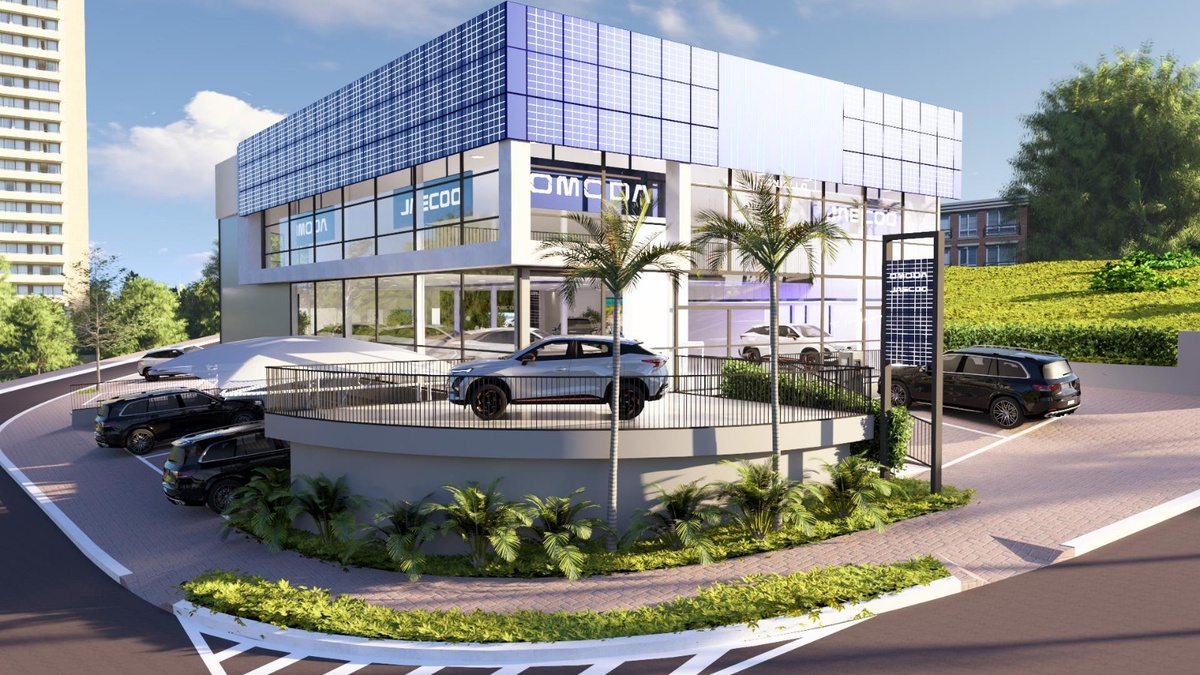
OMODA & JAECOO expands after-sales service in Brazil with competitive maintenance, a 7-year warranty, and high availability of parts for technological SUVs.
-
OMODA & JAECOO appoints Alessandra Souza as executive marketing director in Brazil and accelerates brand expansion with a focus on innovation, networking, and hybrid portfolio.

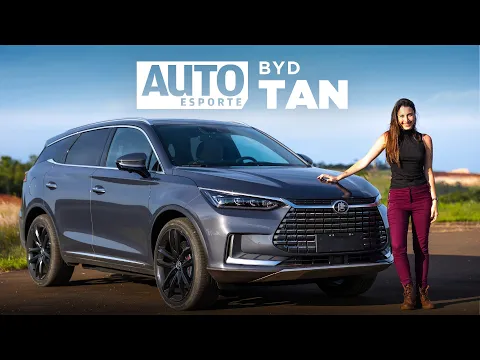
The executive states that in 2017, BYD decided to internationalize its products to compete globally. To this end, the multinational developed a design department and brought in top professionals from the industry. Therefore, the company began to revamp its lineup and enter the international market, and in 2018, it released the first of several electric cars, the first generation of the Tan, with the new version being the firstborn of Brazil and also heading to other markets.
Electric Car and Renewable Energy Company Will Operate in Two Fronts in Brazil

For the country, Antunes claims that BYD will operate in two fronts: the volume premium market and the luxury market. According to the director, electric cars will target luxury rivals, while hybrids will be the brand’s flagship in terms of sales volume.
Both segments will grow in the country, the luxury electric segment, which is more expensive, positioning the brand alongside its competitors, and the higher volume premium hybrids. The two initial models of the company in Brazil, the Tan and Han EV, have a luxurious focus; however, they may face prejudice from the public due to BYD being Chinese, as happened previously.
However, the company executive states that the Chinese are now better prepared to offer higher-quality products and position themselves in higher segments, beyond the entry-level market, which is the cheapest but a step up.
BYD Creates Hundreds of Jobs in Its Industrial Hubs in the Country
The executive highlights that the perception will expand with the arrival of the 45 stores expected to begin operations at the end of the year, resulting in the creation of many jobs. There will be 15 distinct groups covering 12 capitals plus the Federal District, in addition to points in the interior of the states.
Regarding the brand’s factories, BYD states that it already has three industrial hubs in Brazil in other areas, creating even more jobs. These areas are buses, photovoltaic panels, and batteries. According to the director, a vehicle factory is on the company’s radar, but there is no timeline for its establishment yet.
Finally, the BYD executive states that, after the electric cars already launched, it will be the hybrids’ turn to arrive here, already in the second half of this year. The vehicles are already in the homologation phase.







Seja o primeiro a reagir!