





 Portuguese
  English
  Spanish
  4 min of reading
  0 comments


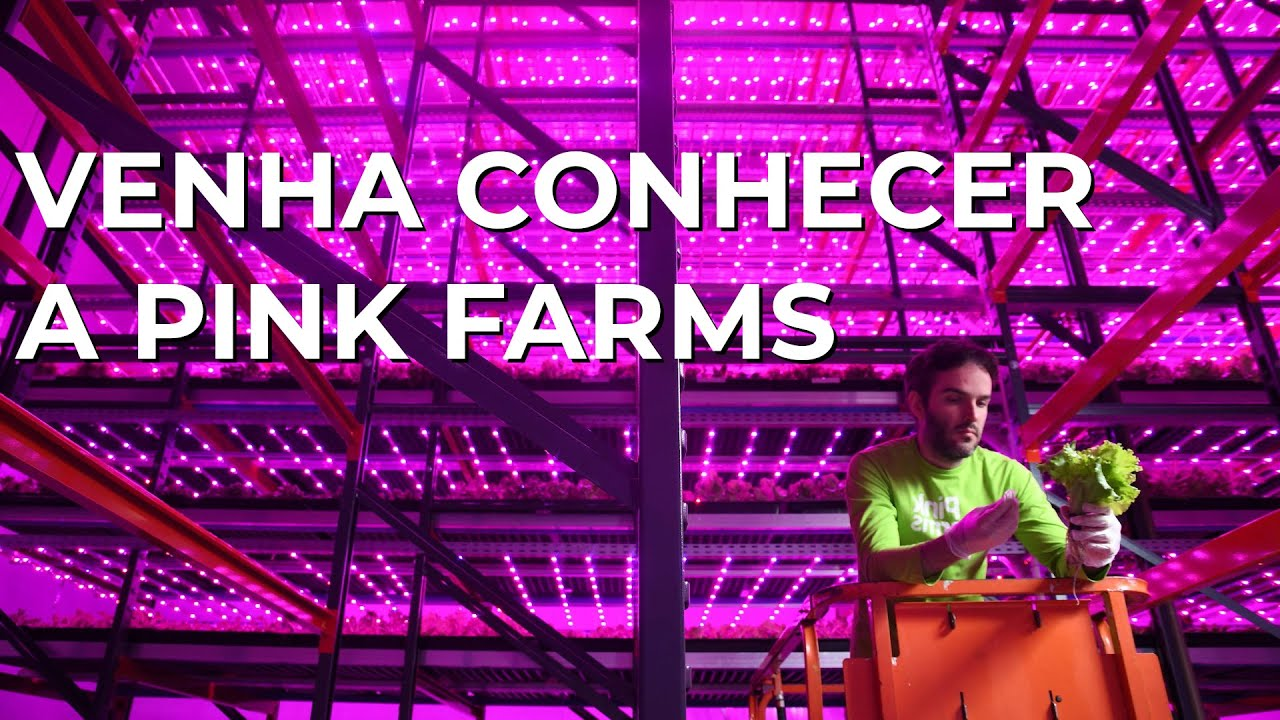
Pink Farms, The Largest Vertical Farm in Latin America, Uses Technology and Science to Produce Fresh Food in São Paulo.
In the heart of São Paulo, an innovation that promises to transform the way we produce food is in full operation. Pink Farms is the largest vertical farm in Latin America and, since its founding in 2017, has been showing how agriculture can be more efficient, sustainable, and close to consumers.
The idea of a vertical farm in the heart of a large city, with lettuce, arugula, and basil growing in ten-story towers, is a true revolution in the agricultural sector.
In this model of vertical farming, food production adapts to urban space, using technology to create a controlled and optimized environment for food cultivation.
-
Historic bankruptcy of Centauro shocks the market, and the century-old company puts more than 500,000 products, machines, and complete infrastructure up for online auction.

-
New shoe factory in Ceará is expected to create 400 jobs and strengthen the local economy.
-
No one imagined it, but a mixture of sawdust with a mineral that fights fires surprises scientists with a result that changes the course of fire-resistant construction.

-
From empty land to a high-end house, wooden construction uses a lightweight system, metal structure for the foundation, ventilated ceramic cladding, and special windows to create an efficient and comfortable living space throughout the year.


The Revolution of Agriculture in Vertical Farming
With the increase in the world population and the growing demand for fresh and healthy food, vertical farms are emerging as a viable solution to ensure the supply of quality food.
Unlike conventional agriculture, which relies on large tracts of land, vertical farms like Pink Farms utilize urban spaces, such as buildings and warehouses, to cultivate food in layers, making better use of space and resources.
Pink Farms is a pioneer in this concept in Latin America, using a 750 m² warehouse to grow a variety of vegetables, such as lettuce, arugula, and spinach.
The vertical farm at Pink Farms is an example of how new agricultural solutions are being creatively and efficiently implemented in Latin America.
This innovative system is much more efficient than traditional agriculture, especially regarding the use of natural resources.
Pink Farms, for instance, uses 95% less water than conventional farms and 60% less fertilizer, with a cultivation process that eliminates the need for soil and pesticides.
Production is aided by cutting-edge technology that controls factors such as temperature, humidity, and light, creating a perfect environment for plant growth.
The vertical farm at Pink Farms stands out for allowing year-round food production, regardless of weather conditions, which is a significant advantage for consumers and the food market.
The Technology of Vertical Farms
Pink Farms excels in using advanced technology to ensure the production of fresh and quality food.
The pink LED lighting, mixing with blue and red, mimics sunlight, accelerating photosynthesis and allowing for faster and more efficient production.
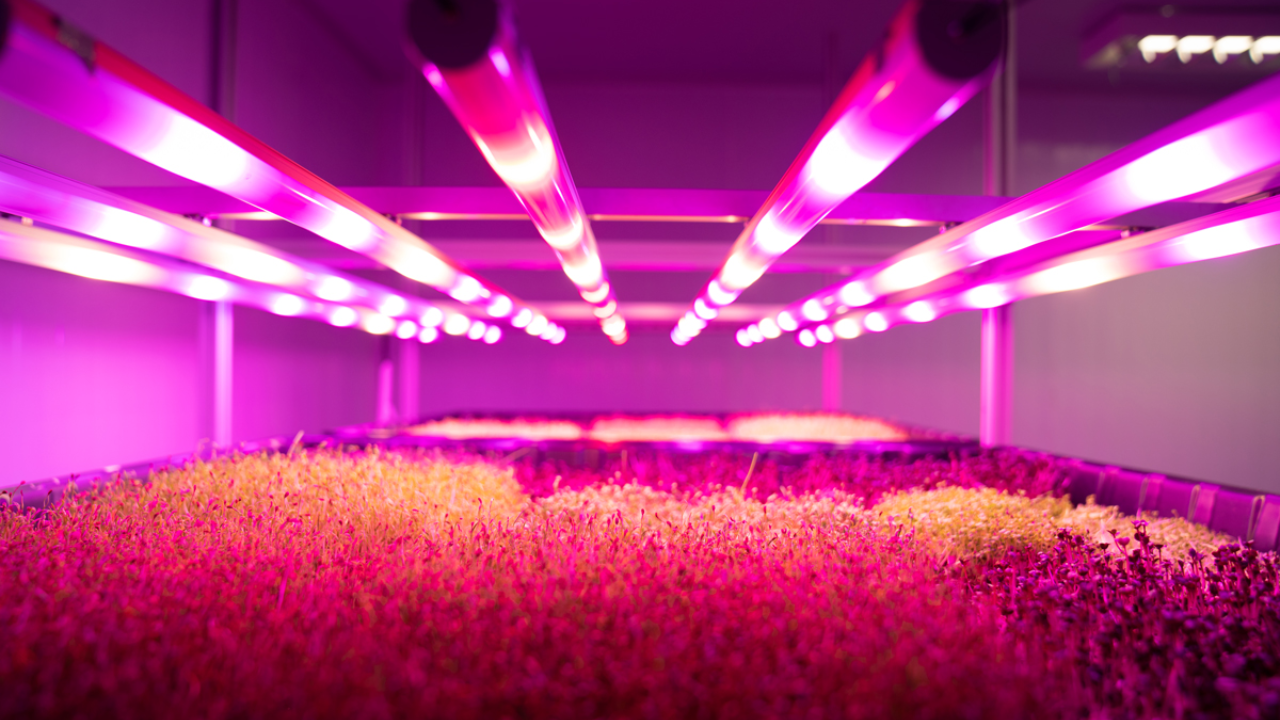
The hydroponic irrigation system utilized by the farm not only saves water but also eliminates the need for pesticides, providing healthier food for consumers.
This model of vertical farming also ensures much more efficient use of water, soil, and energy, making Pink Farms an example of how sustainability can be applied in food production.
Additionally, the vertical farm is located in a strategic point, allowing for quick delivery of fresh products, harvested just hours before reaching consumers’ tables.
This reduces waste, as food is delivered directly to the local market, and also minimizes environmental impact by decreasing greenhouse gas emissions from transportation.
Pink Farms, located in downtown São Paulo, is a perfect example of how vertical farming can benefit both consumers and the environment.
The Challenges for Vertical Farms
The concept of vertical farming is rapidly expanding and has great prospects for the future.
Pink Farms is planning to expand its production to other Brazilian cities, such as Rio de Janeiro, Brasília, and Belo Horizonte.
The market for vertical farms is growing rapidly around the world, and Latin America, with its increasing urbanization, has great potential to adopt this model.
Pink Farms is positioning itself as a leader in food production through vertical farms in Latin America and has plans to expand its presence in the fresh food market.
However, vertical agriculture faces challenges such as high implementation costs and energy consumption.
Additionally, in Brazil, there is currently no regulation that allows for the certification of products grown in vertical farms as organic, limiting the expansion of this model.
Despite these obstacles, the future of vertical farms looks promising, with the promise of transforming the way we consume food and helping to address global issues related to food security.

Vertical farms, like Pink Farms, represent a new path for food production in Latin America and can be an important part of the solution for the future of food.
With information from G1










-

-

6 pessoas reagiram a isso.