





 Portuguese
  English
  Spanish
  3 min of reading
  0 comments


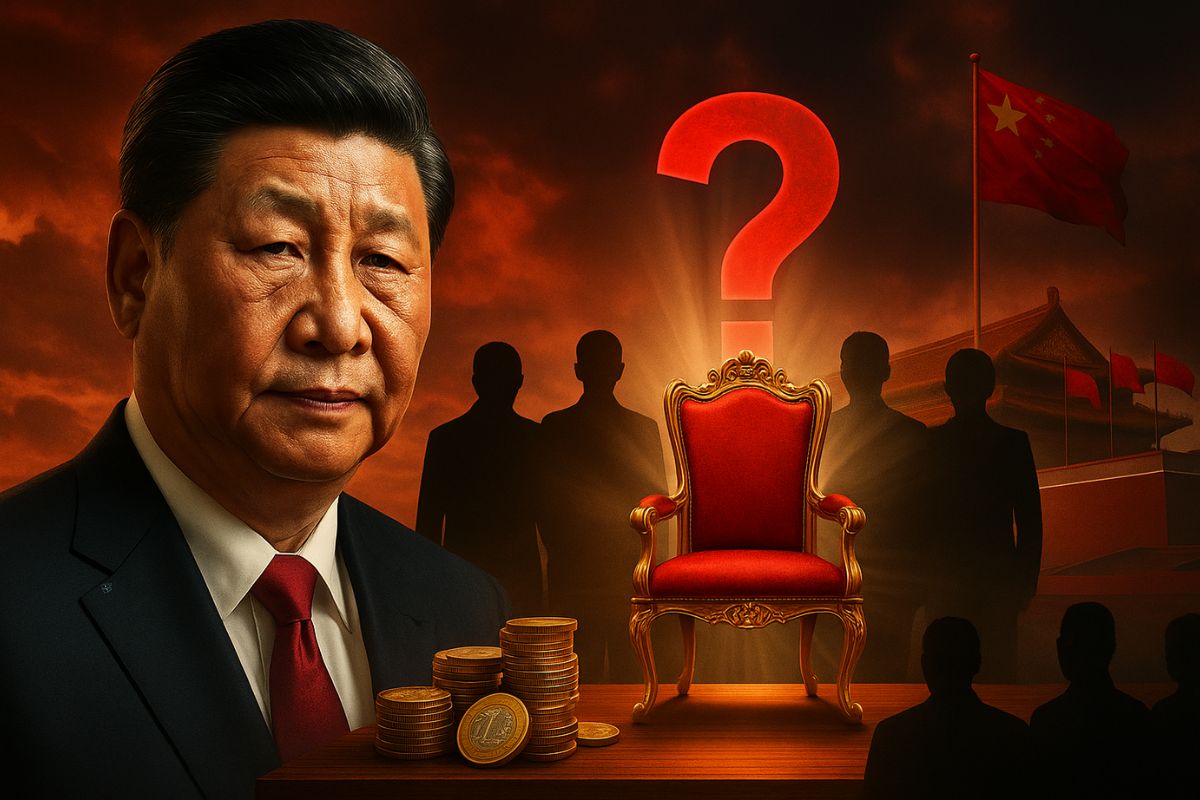
China After Xi Jinping: Successor Dispute Without Defined Heir Could Trigger Internal Crisis, Risk of War in Taiwan, and Global Impact
The succession of Xi Jinping is currently the biggest unknown in global geopolitics. The Chinese leader, in power since 2012, has established himself as the strongest figure since Mao Zedong. At 72 years old, Xi has governed China for over a decade without preparing an obvious successor, and this opens the space for internal power struggles. According to Professor HOC, this succession vacuum could trigger serious internal consequences and even influence a potential war in Taiwan.
In authoritarian regimes, the moment of transition is always a point of tension, and China would be no different. The question is not only whether China will change after Xi Jinping, but how this change will happen — and if there will be sufficient political cohesion to sustain the course of the second-largest economy in the world.
Who Can Inherit Xi Jinping’s Legacy
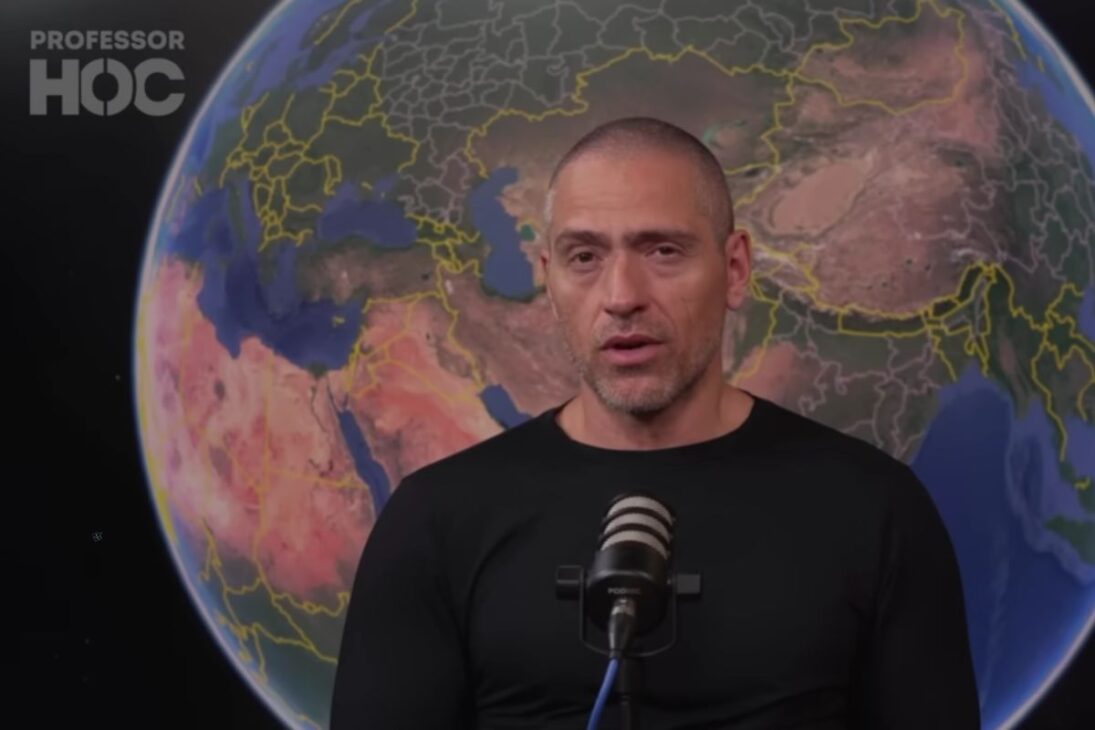
Xi’s dilemma is classic: to choose someone loyal enough to preserve his legacy, but also strong enough to withstand the internal struggles of the Communist Party.
-
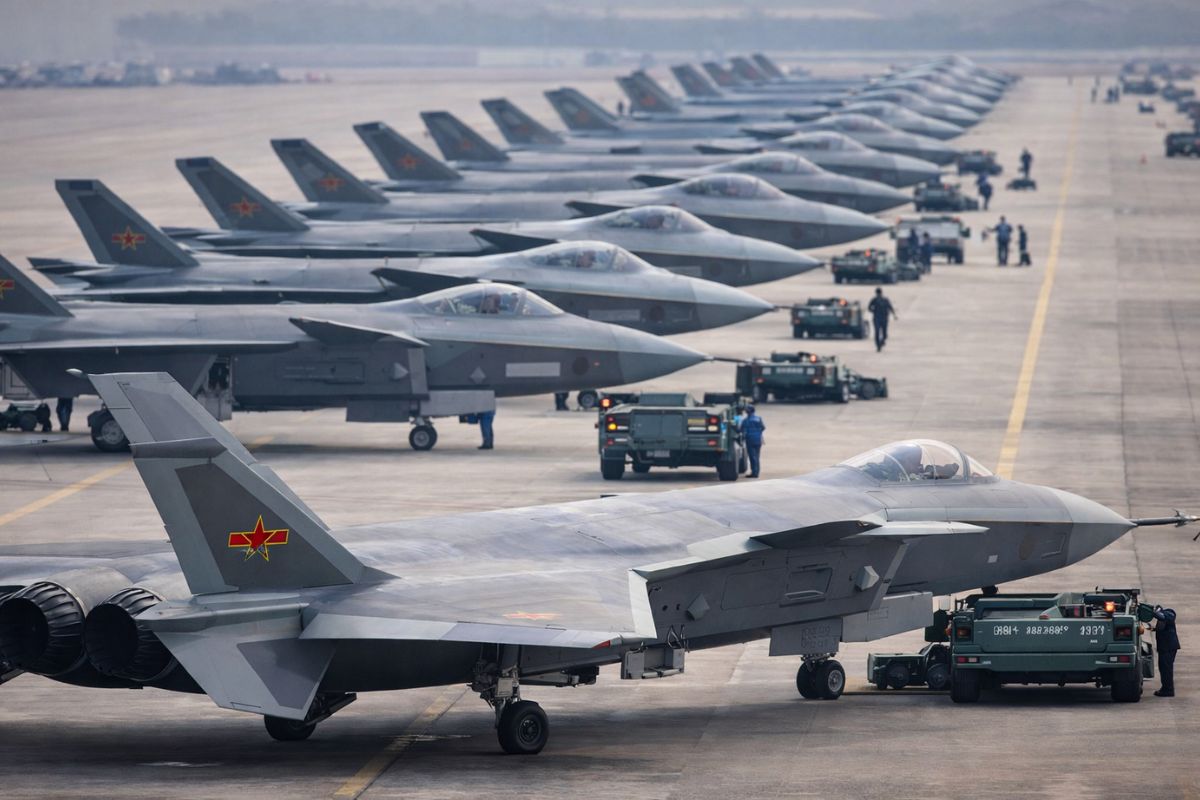
The United States has a serious problem with its F-35s: China is already producing fighters at a pace that exceeds American capacity and could manufacture up to 300 aircraft per year before the end of the decade, shifting the global military balance.
-
A retired IT professional built a 22-meter boat in his backyard in Oklahoma with a school bus engine, light pole masts, and handmade watertight doors to become the redneck version of Jacques Cousteau.

-
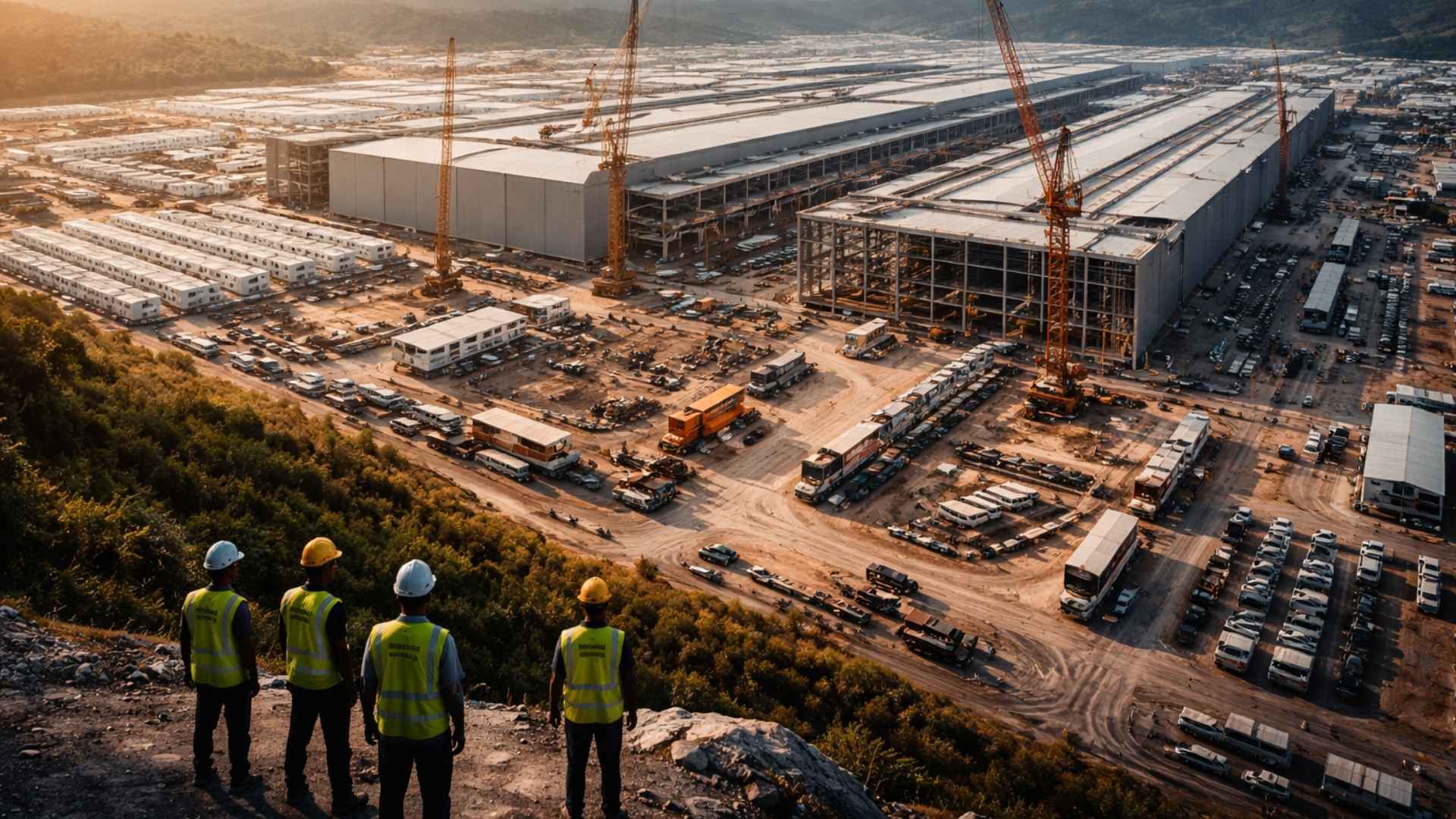
China is building a city in Brazil: a complex with an investment of R$ 5.5 billion comes to light, but allegations involving workers draw attention.
-
While Argentina buys old war equipment, Brazil is keeping an eye open and joins the select group of nations with advanced military technology by investing $5.2 billion, producing 36 Gripen fighters in the country, and reducing operational costs.

Recent history shows the risks: Mao left a weak successor, Hua Guofeng, who was quickly ousted;
Deng Xiaoping remained influential even without formal positions;
Jiang Zemin maintained control over the military after leaving power;
and only Hu Jintao was able to carry out a stable transition, handing everything over to Xi.
Without this backing, any successor risks losing legitimacy quickly.
How Long Can Xi Jinping Delay the Decision
If Xi chooses to delay the selection of a successor, the risk of internal chaos increases.
The current members of the Politburo Standing Committee, the most powerful body in China, are already relatively elderly.
By 2032, when Xi could leave power, many of them will be nearing 70 years old, making a long continuity of governance unfeasible.
This opens up two possibilities: Xi improvises a younger and unexpected successor, breaking tradition, or allows the country to plunge into an intense factional dispute.
The Professor HOC warns that this scenario not only threatens China’s political stability but could also compromise its economic growth and international confidence in the country.
Where the Impact Could Be Most Explosive
Externally, Xi Jinping’s succession could have immediate repercussions in Taiwan.
Xi has already ordered the military to be prepared for potential action by 2027, viewing reunification as an essential part of his political legacy.
Pressed by time and succession uncertainty, the leader may risk a military conflict to consolidate his historical image.
The problem, as Professor HOC reminds us, is that a failure in Taiwan would leave China in a vulnerable position, with catastrophic consequences for regional and global stability.
Why Xi’s Succession Matters to the World
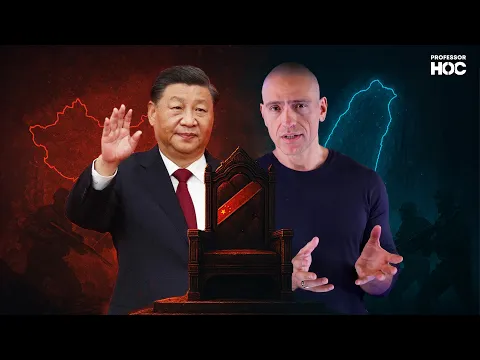

The transition after Xi Jinping will not be merely a domestic issue.
The outcome will determine whether China remains strong and cohesive, opens up space for internal reforms, or plunges into divisions that could reshape the international order.
As the largest trading partner of dozens of countries, any instability in Beijing could directly impact supply chains, investments, and security policies around the globe.
The Professor HOC emphasizes that, in this context, the biggest challenge is not whether China will change after Xi, but understanding the shape of the succession and the risks it carries for global geopolitical balance.
The absence of a clear heir for Xi Jinping turns his succession into the biggest unknown in global politics.
The future of China, its role in Taiwan, and even global economic stability depend on how the Communist Party will resolve this issue.
Do you believe that Xi Jinping will still prepare a last-minute successor or that China will plunge into an unprecedented internal dispute? Leave your opinion in the comments — we want to hear your view on this scenario.





Seja o primeiro a reagir!