





 Português
  Inglês
  Espanhol
  3 min de leitura
  0 comentários


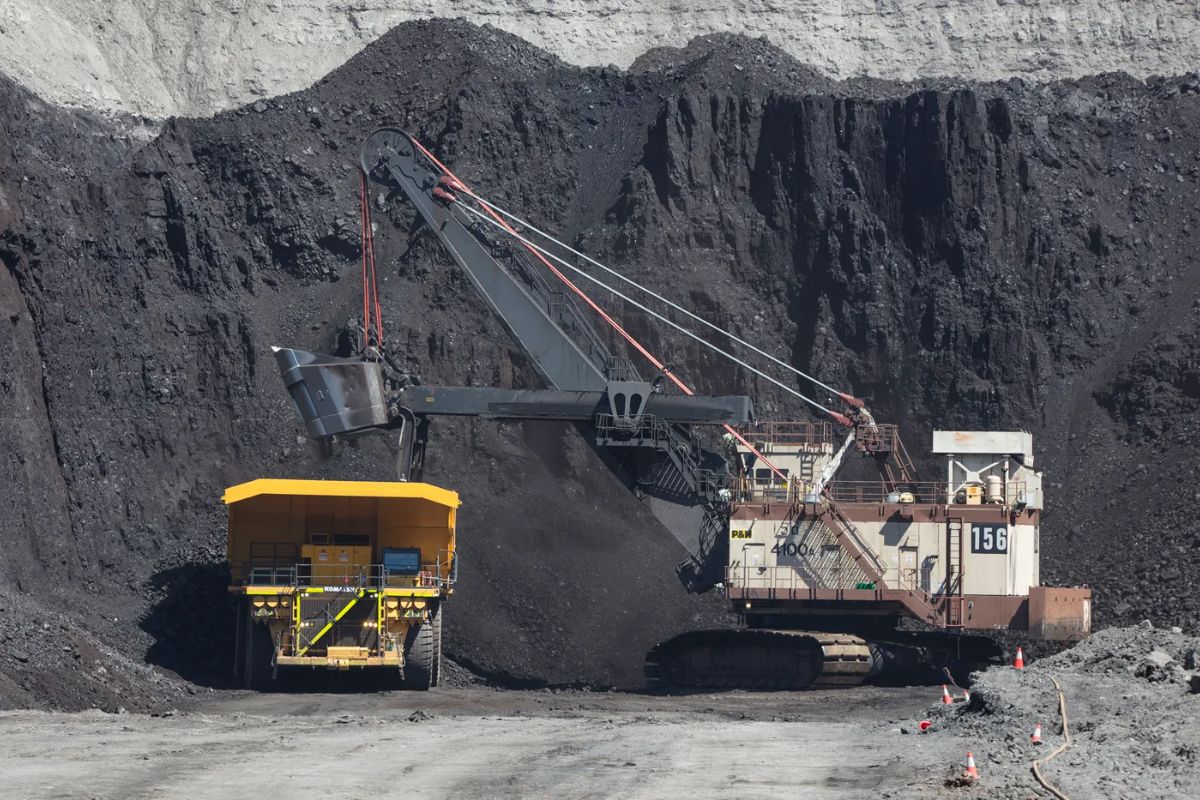
Located in Wyoming, USA, and operated by Peabody Energy, North Antelope Rochelle is the largest coal mine in the world in reserves. Discover the details of this gigantic operation.
The North Antelope Rochelle Mine (NARM), in the United States, is often cited as the largest coal mine in the world in terms of reserves, exceeding 1.7 billion tons. Operated by Peabody Energy in the Powder River Basin, Wyoming, this colossal open-pit mine is crucial for the American energy supply and the regional economy.
This article explores NARM in detail. We will discuss its geological and corporate context. We will analyze its operations, socioeconomic impact, environmental management, and the future prospects of this coal industry giant, based on specialized information.
Where Is It Located and Who Operates the Largest Coal Mine in the World?
The largest coal mine in the world in reserves, North Antelope Rochelle, is located in Campbell County, Wyoming, USA. It is approximately 105 km south of Gillette, in the prolific Powder River Basin.
-
Brazil extracts 26.3 million tons of ore from what was previously treated as waste, transforming residues into wealth, producing over 3 million tons of sand, and demonstrating how national mining is relearning to generate value.

-
A $3.5 billion megaproject in Latin America pumps desalinated seawater at 1,050 liters per second over 194 km to keep a copper supermine in the Andes operational for another 20 years.
-
A hidden mine in the Andes valued at nearly R$ 1 trillion is starting to attract global attention, containing copper, gold, and silver, and raises an intriguing question: why do Argentina and Chile need to act together to exploit this gigantic wealth?
-
A silent discovery in the interior of Bahia could change the future of energy in Brazil: a uranium reserve in Lagoa Real has an estimated capacity to produce 400 tons per year and is already attracting the attention of energy sector specialists.

The operation is a result of the merger of two mines: North Antelope (started in 1983) and Rochelle (started in 1985). They were combined in 1999. The owner and operator of NARM is Peabody Energy, through its subsidiary Powder River Coal LLC.
Peabody Energy and the Powder River Basin
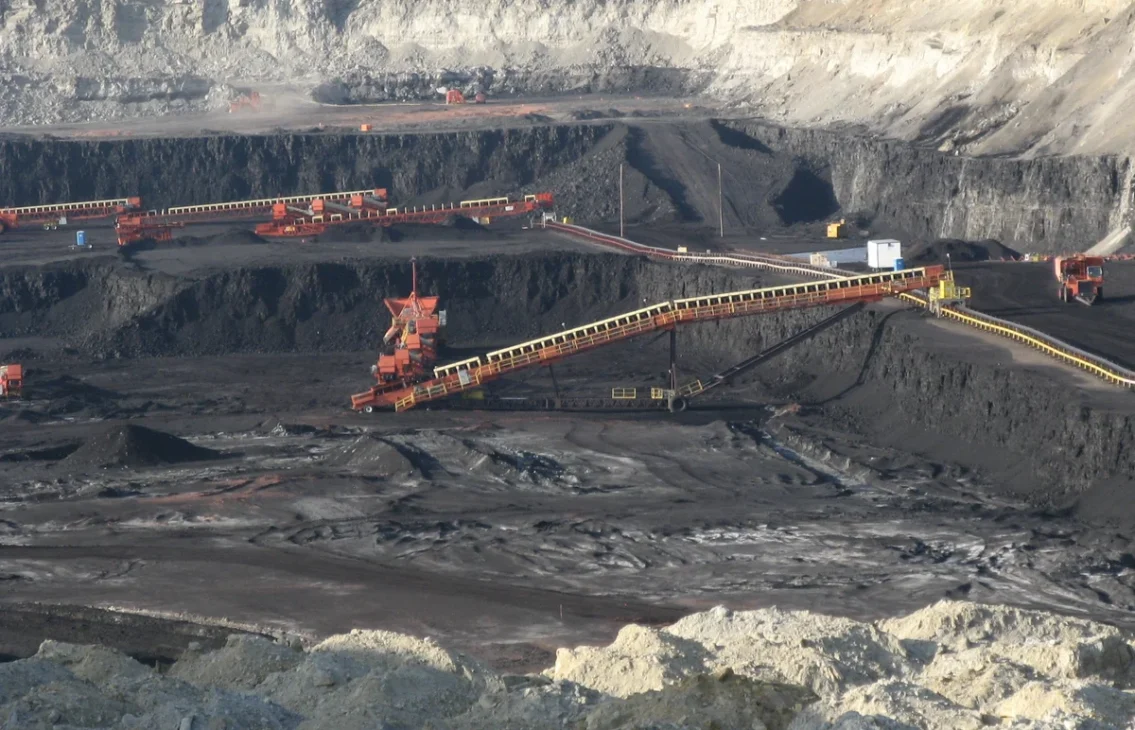
The Powder River Basin (PRB) extends across northeastern Wyoming and southeastern Montana. It is the largest coal-producing region in the United States, supplying about 40% of American coal. Coal from the PRB is sub-bituminous, valued for its low sulfur and ash content. This makes it a “cleaner” option for power plants.
Founded in 1883, Peabody Energy is one of the largest coal producers in the world. It has 17 active operations in the USA and Australia, serving customers in over 25 countries. Recently, the company has focused on “value over volume,” reducing thermal coal production in the USA and shifting towards metallurgical coal and, in the long term, renewable energy.
North Antelope Rochelle in Detail: Reserves, Production, and Operations of the Largest Coal Mine in the World
NARM is indeed the largest coal mine in the world in proven and probable reserves, with recent numbers indicating around 1.4 billion tons. The extracted coal is sub-bituminous thermal coal, with a low sulfur content (0.20%) and a heating value of 8,800 BTU/lb.
The mining is done through open-pit methods. The Wyodak-Anderson coal seam is between 18 and 24 meters thick. The material covering the coal is removed using draglines, trucks, loaders, and dozers. The coal is extracted from three pits, crushed, and transported to train loading silos. The mine operates 24/7. NARM’s annual production, although it has decreased from historical peaks (118 million short tons in 2014), was approximately 62 million short tons in 2023. The mine employs about 1,200 people. Transportation is carried out via BNSF and Union Pacific railroads. Peabody uses technologies such as drones and data analysis to optimize operations and costs.
The Impact of the Largest Coal Mine in the World: Economy, Society, and Environment
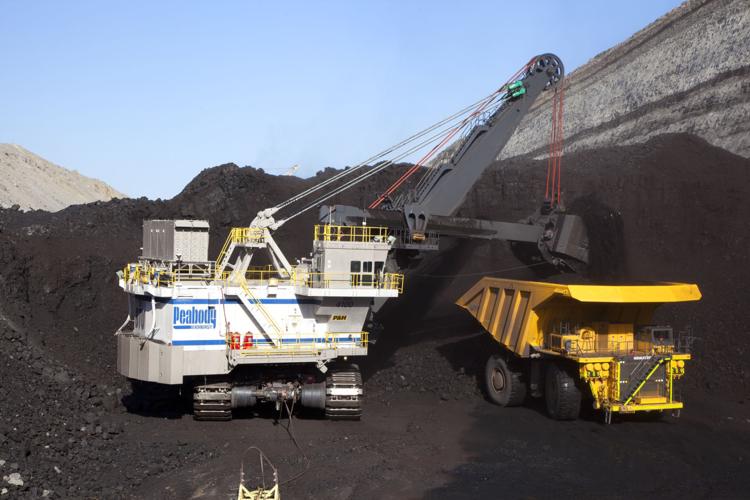
NARM has a profound economic and socioeconomic impact. It represents about 10.7% of U.S. coal production (2023), fueling over 80 power plants in the country. In Wyoming, the coal industry, and NARM in particular, are pillars of the economy. They generate direct and indirect jobs and billions in economic benefits. Tax revenues from coal are vital for the state. Peabody also makes community investments.
Environmentally, NARM has a history of award-winning land reclamation. The company aims to reclaim mined areas at a 1:1 ratio to disturbed areas. Water management focuses on dust suppression and recycling. However, the combustion of NARM’s coal contributes to greenhouse gas emissions. In 2021, NARM’s Scope 3 (end-use) emissions from coal were approximately 106.7 million metric tons of CO₂e. Peabody has reduction targets for its operational emissions (Scope 1 and 2). The company has also faced environmental litigation, and the end of new federal coal leases in the PRB limits its future expansion.










Seja o primeiro a reagir!