





 Portuguese
  English
  Spanish
  4 min of reading
  0 comments


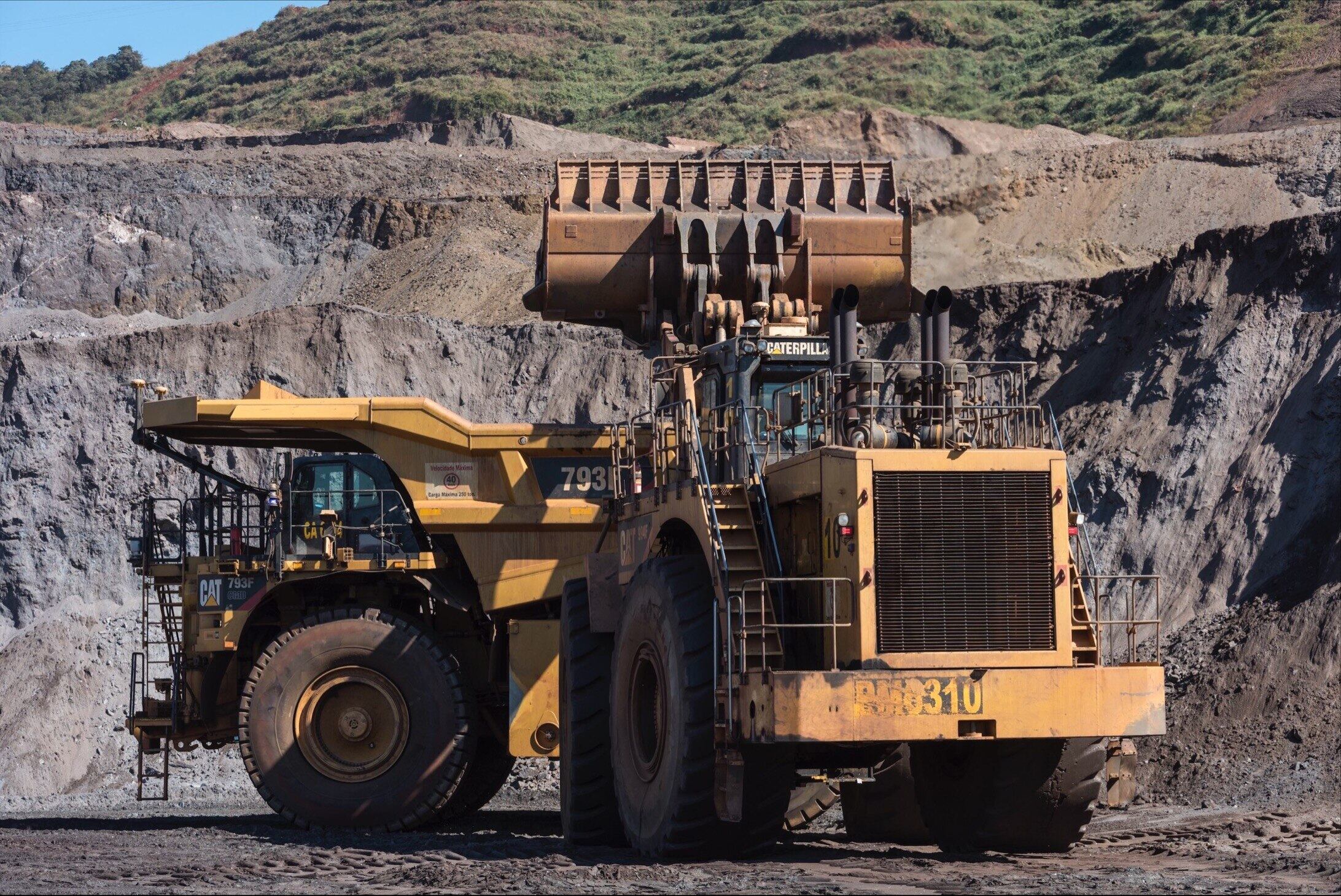
Located in Pará, the Carajás Complex of Vale is the largest open-pit iron mine in the world, a pillar of the Brazilian economy and a central actor in the debates on sustainability in the Amazon.
The Carajás Complex, operated by Vale S.A. in the state of Pará, is a monumental force in global mining. It represents the largest open-pit iron mine in the world and one of the richest mineral provinces on the planet. Its importance goes beyond production, being crucial for the Brazilian economy and global steelmaking.
Situated in Eastern Amazonia, Carajás is also a focal point in discussions about sustainable development. This article explores the history, geology, operations, economic impact, and socio-environmental challenges of this giant, including Vale’s future plans for the complex aligned with the energy transition.
The Discovery and Birth of the Largest Open-Pit Iron Mine in the World
The history of the Carajás Complex began in 1967. The discovery of its vast mineral deposits in southern Pará was the starting point. This event led to the development of the Grande Carajás Project (PGC), an ambitious government program. The PGC aimed at the integrated development of Eastern Amazonia, including mining-metalurgical projects and infrastructure.
-
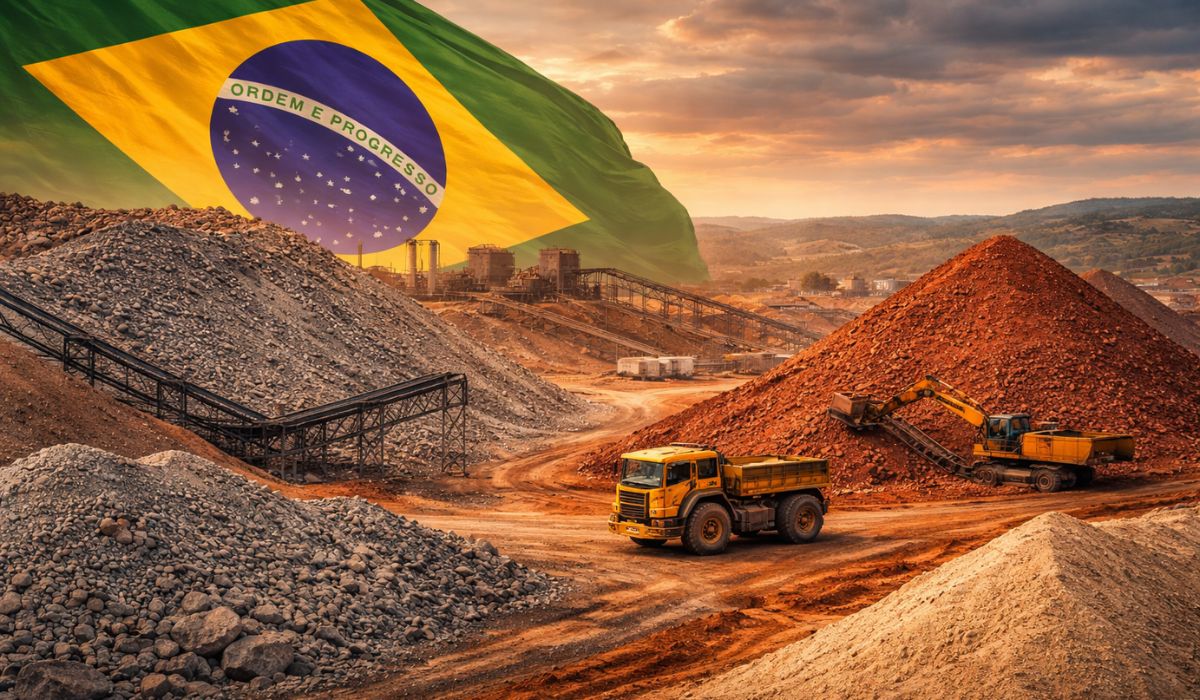
Brazil extracts 26.3 million tons of ore from what was previously treated as waste, transforming residues into wealth, producing over 3 million tons of sand, and demonstrating how national mining is relearning to generate value.
-
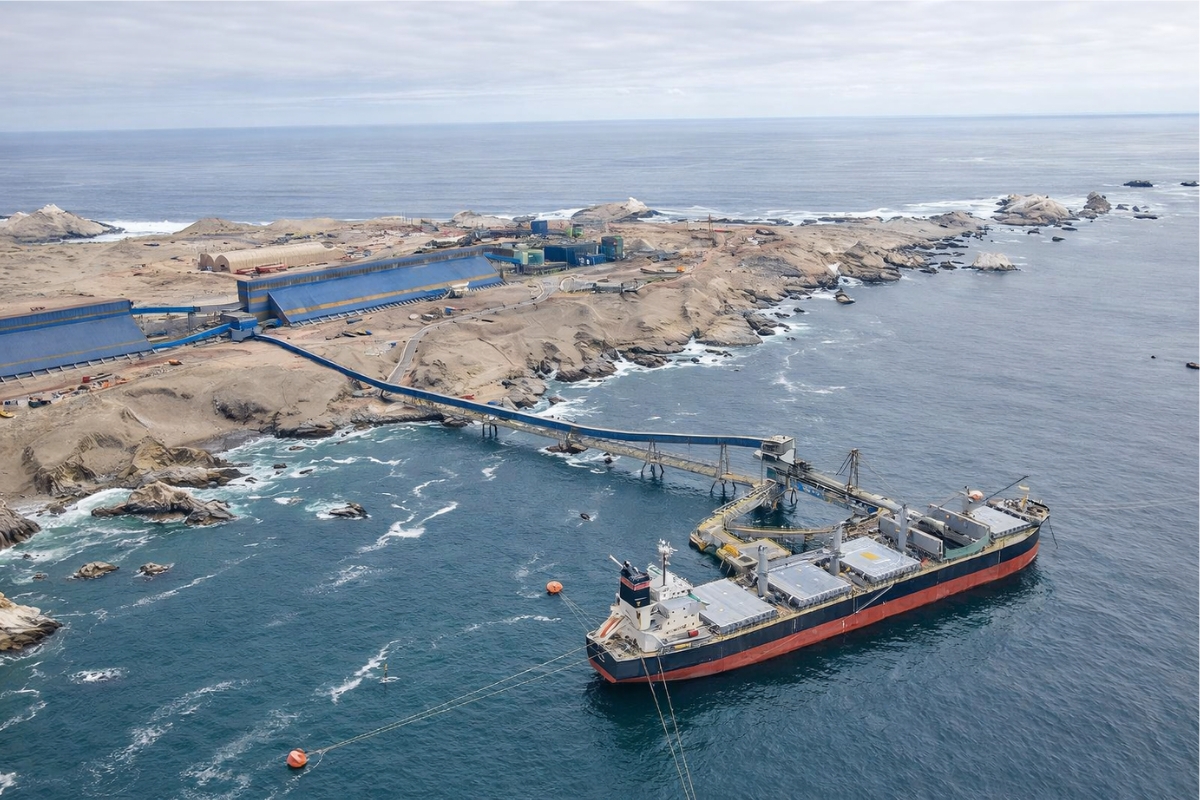
A $3.5 billion megaproject in Latin America pumps desalinated seawater at 1,050 liters per second over 194 km to keep a copper supermine in the Andes operational for another 20 years.
-
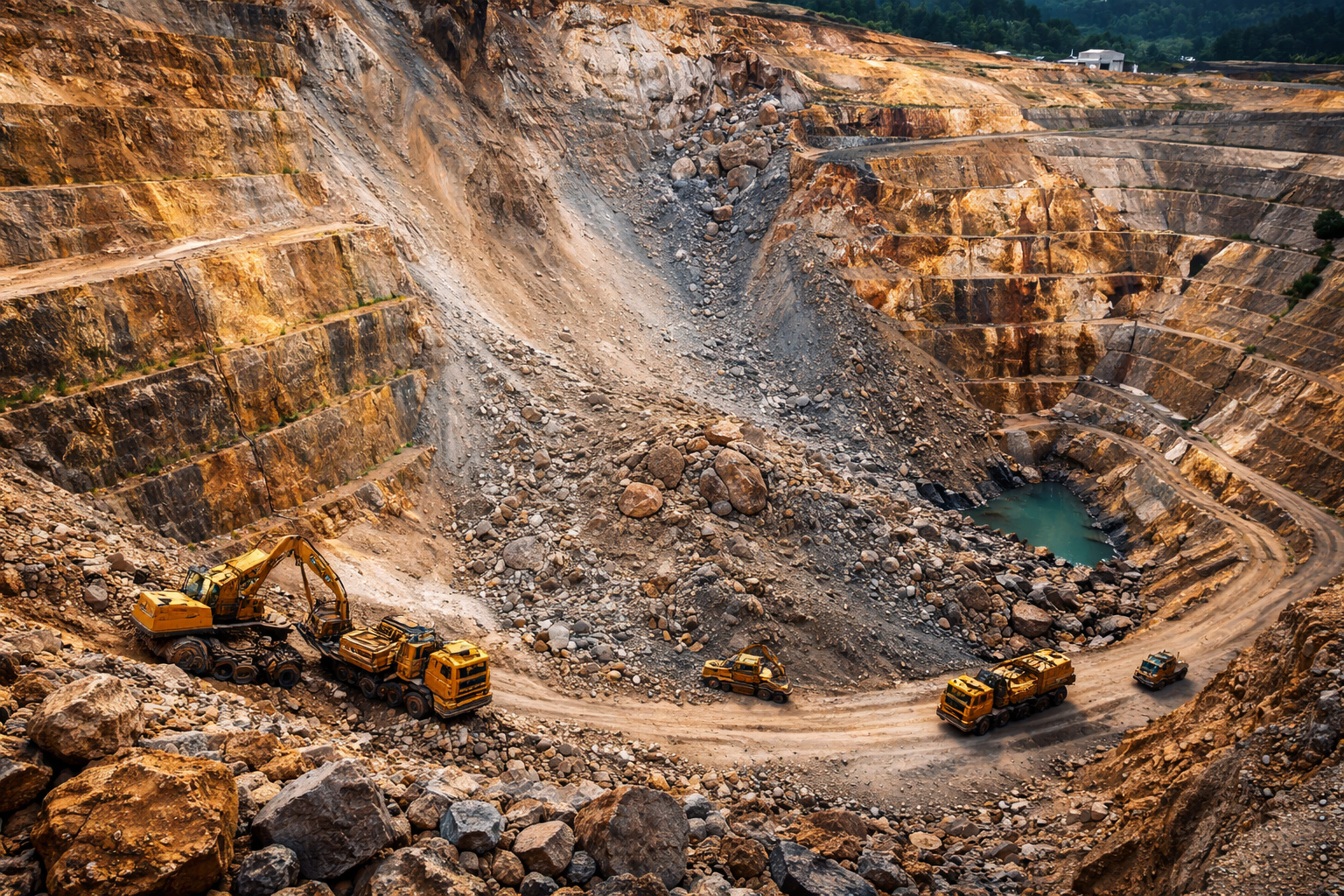
A hidden mine in the Andes valued at nearly R$ 1 trillion is starting to attract global attention, containing copper, gold, and silver, and raises an intriguing question: why do Argentina and Chile need to act together to exploit this gigantic wealth?
-
A silent discovery in the interior of Bahia could change the future of energy in Brazil: a uranium reserve in Lagoa Real has an estimated capacity to produce 400 tons per year and is already attracting the attention of energy sector specialists.
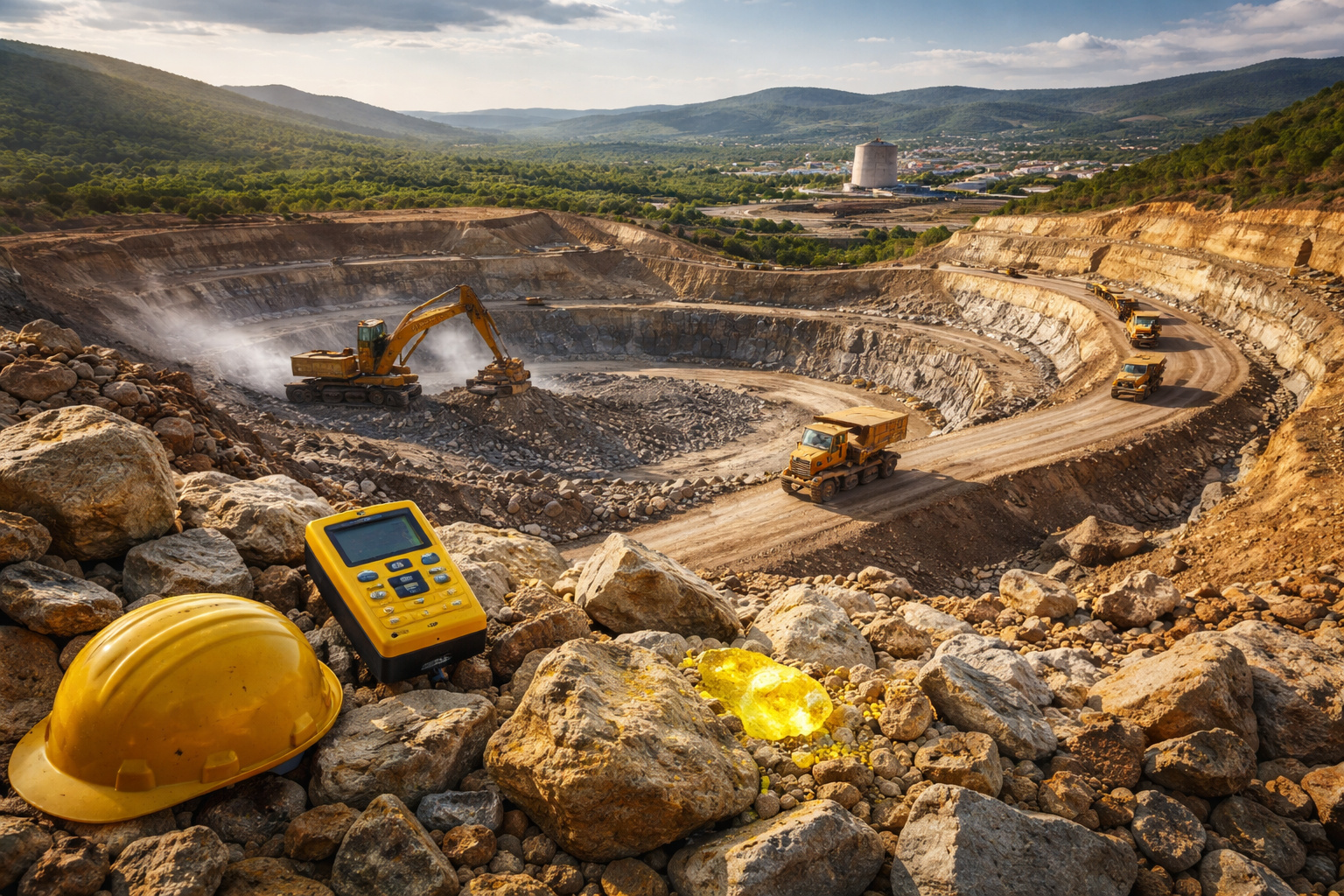

The Carajás Iron Project became the flagship, led by then CVRD (now Vale). Massive investments were made in the mine, plant, Carajás Railway (EFC), and the Ponta da Madeira Maritime Terminal (MA). In 1985, the EFC was inaugurated, becoming the most efficient railway in Brazil. Recently, the S11D Eliezer Batista Complex further fueled regional development.
The Exceptional Quality of Carajás Iron Ore
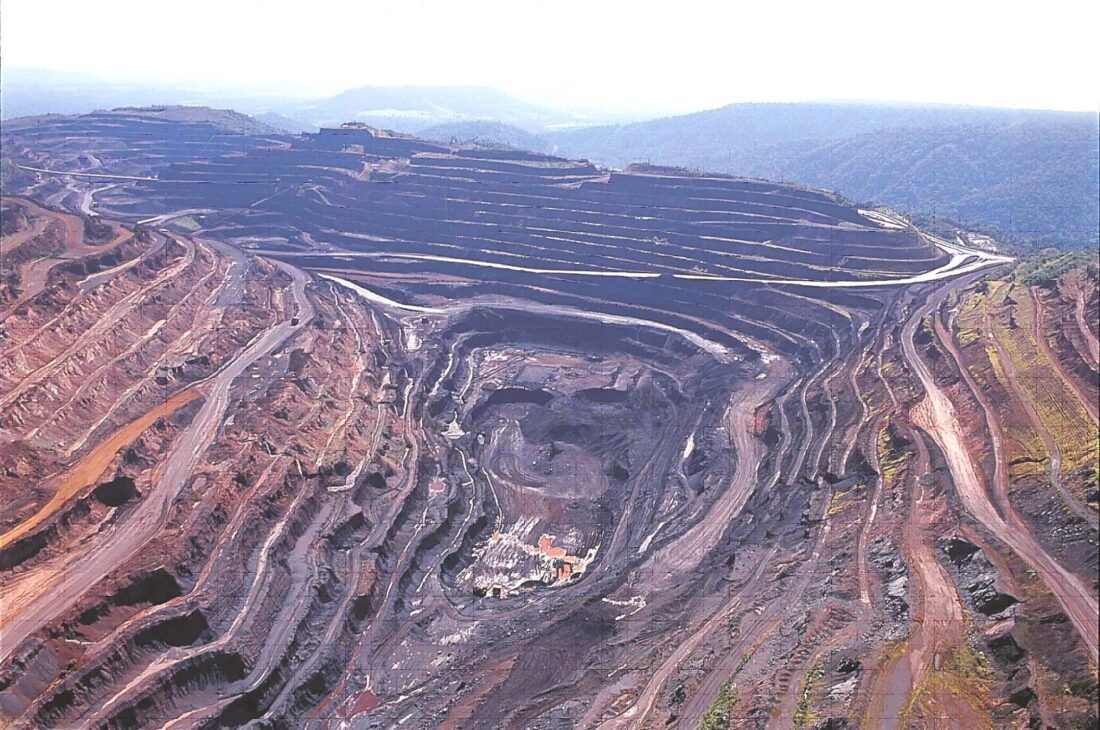
The Carajás Complex is in the Carajás Mineral Province, one of the richest in the world. Its iron ore is globally recognized for its exceptional quality. The main types are hematite, itabirites, and canga. Hematite, which is predominant, has iron content between 60% and 67%.
A distinctive feature is the low concentration of impurities, such as sulfur and phosphorus. This natural purity gives a significant competitive advantage. Carajás ore allows for more efficient steel production with lower environmental impact, aligning with the pursuit of a “green” steelmaking.
How the Largest Open-Pit Iron Mine in the World Operates
Operations at Carajás are predominantly open-pit. This method allows for the efficient extraction of large volumes of ore. The main production units are Serra Norte, Serra Leste, and Serra Sul, where the innovative S11D Eliezer Batista Complex is located.
The S11D is notable for its “truckless” system, which uses conveyor belts instead of trucks for the primary transportation of ore. This reduces diesel consumption by about 70% to 77% and greenhouse gas emissions by approximately 50%. Processing at S11D is done using natural moisture, eliminating the need for water in the main process and removing the need for new tailings dams for this flow. The Serra Leste mine also adopts dry processing.
Experts’ Opinion: The Global Competitiveness of Carajás and Its Ore
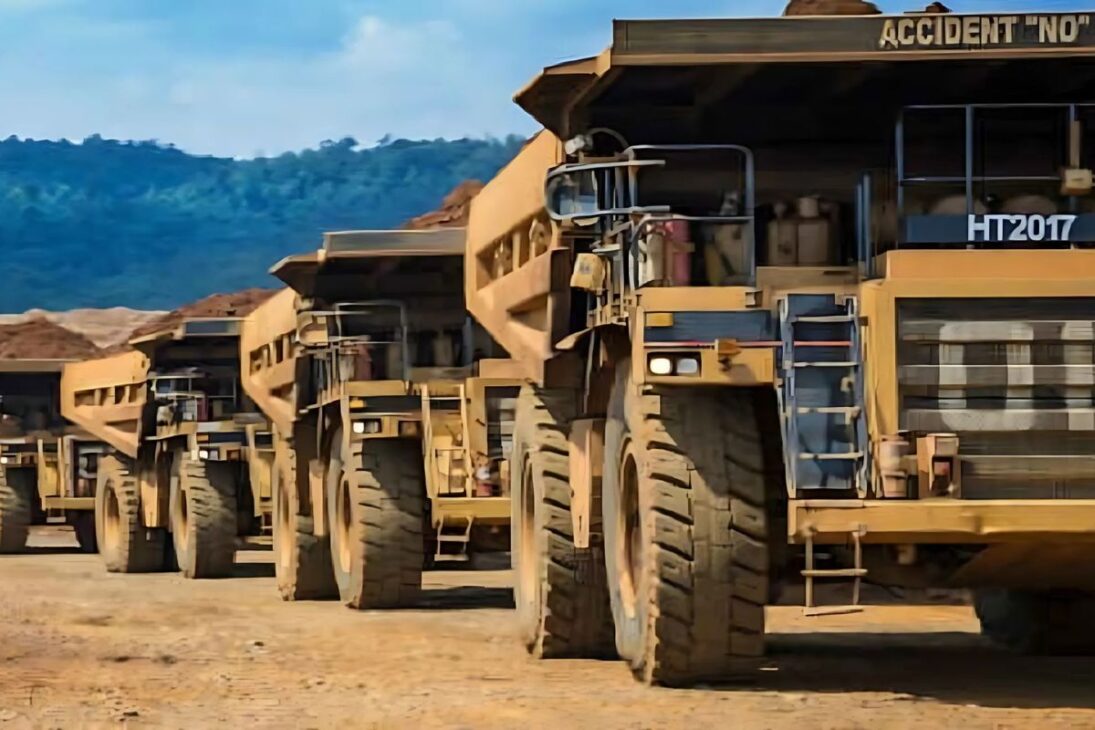
Experts point out that Carajás is not just a national giant but a dominant force in the global market. Its individual mines, such as Serra Norte and S11D, rank among the largest in the world. In 2023, the Serra Norte Mining Complex was the largest iron ore mine in the world.
The high quality of the ore, with grades above 67% Fe and few impurities, is a key differentiator. This ore commands premium prices and is ideal for cleaner steelmaking processes, a growing demand. Brazil, driven by Carajás, remains among the lowest-cost producers (C1). In the fourth quarter of 2024, Vale’s C1 cash cost reached US$18.8 per ton. The efficient integrated logistics (EFC and TMPM) enables the ore to reach Asia at competitive costs.
The Economic Impact of Carajás for Pará and Brazil
The Carajás Complex has a profound economic influence. The iron ore from Carajás is the main revenue engine for Vale. In 2024, the company’s Ferrous Minerals segment recorded revenue of US$31.444 billion.
In Pará, mining is vital for the GDP. In 2022, the extractive industry accounted for 16.7% of the state GDP. The exports of the Mineral Extractive Industry (IEM) in Pará totaled US$3.83 billion in the first quarter of 2024, making up 41.2% of the national total. Job creation is also significant, with the sector generating 266,000 direct and indirect jobs in the production chain of the state in 2018. The Financial Compensation for the Exploration of Mineral Resources (CFEM) is a substantial revenue source for municipalities like Parauapebas and Canaã dos Carajás.
Billion-Dollar Investments and Focus on Energy Transition
Vale bets on the future relevance of Carajás with the “New Carajás” program. Announced in February 2025, it forecasts an investment of R$70 billion by 2030. The goal is to optimize iron ore production, accelerate copper production, and meet the demands of the energy transition.
The target is to raise iron ore production to 200 million tons per year by 2030 and copper production to around 350,000 tons per year. The Gelado Project aims to produce high-quality pellet feed from tailings from dams, using renewable energy. The program includes technological modernization, a focus on health and safety, and goals for circular economy and decarbonization, such as the use of biodiesel locomotives and dry mining processes.







-

-

-

-

7 pessoas reagiram a isso.