





 Portuguese
  English
  Spanish
  3 min of reading
  0 comments


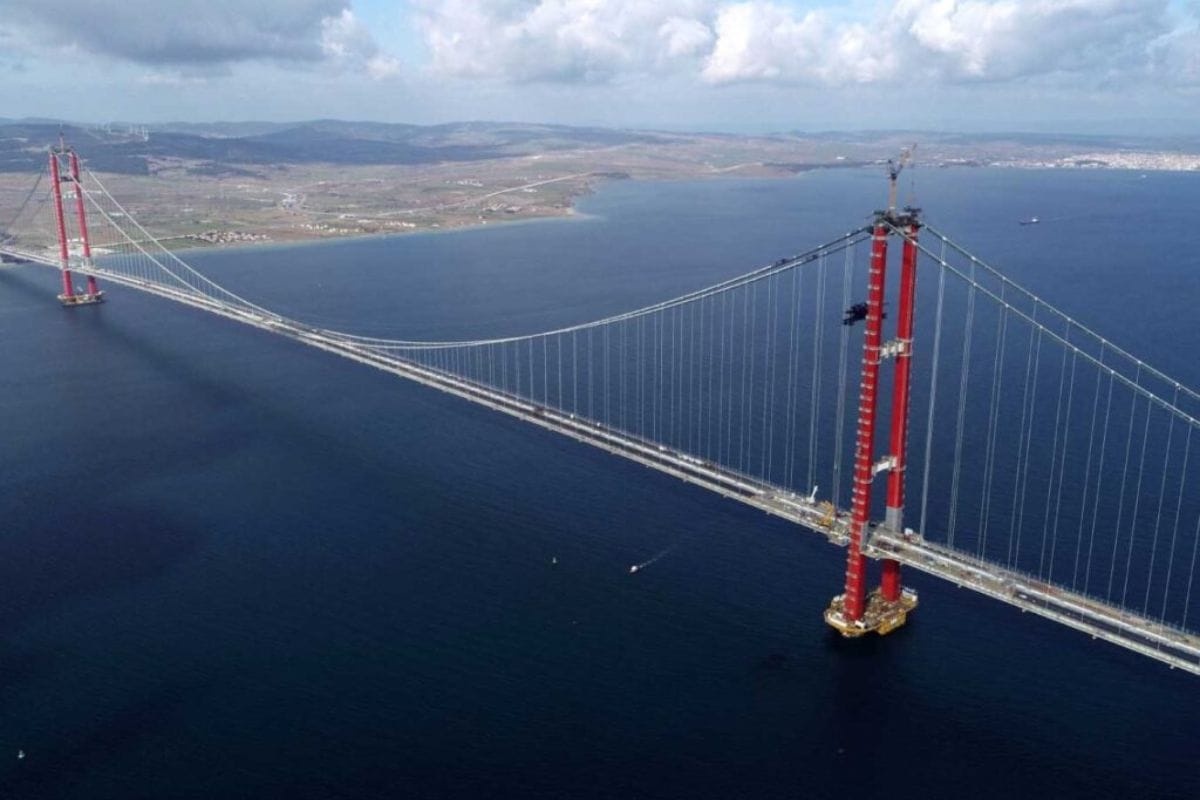
Turkey Houses the World’s Largest Suspension Bridge, the Çanakkale 1915, with a Central Span of 2,023 Meters. Explore this Wonder of Modern Engineering.
The Çanakkale 1915 Bridge, inaugurated in Turkey on March 18, 2022, has redefined the limits of engineering. Holding the title of the world’s largest suspension bridge, its monumental structure connects the European and Asian continents across the Dardanelles Strait.
With a central span of 2,023 meters and towers that surpass the height of the Eiffel Tower, this work is a testament to the capability of contemporary engineering. This article details the feats, symbolism, and impacts of the world’s largest suspension bridge.
The World’s Largest Suspension Bridge in Numbers and Comparisons
The Çanakkale 1915 Bridge holds the world record for the largest central span of any suspension bridge, with precisely 2,023 meters. This length surpasses the Akashi Kaikyo Bridge in Japan by 32 meters, the previous record holder. This advancement reflects innovations in materials, such as ultra-high-strength steel, and sophisticated modeling and construction techniques.
-
A megaproject worth R$ 89 billion is advancing in Iraq and promises to change the game in global trade by creating a new corridor between Asia and Europe, reducing traditional routes and repositioning the country as a logistics powerhouse.
-
Goodbye bedside table: floating shelves become a trend in 2026 by freeing up space in the bedroom, improving circulation, bringing visual lightness, and integrating technology without taking up floor space.

-
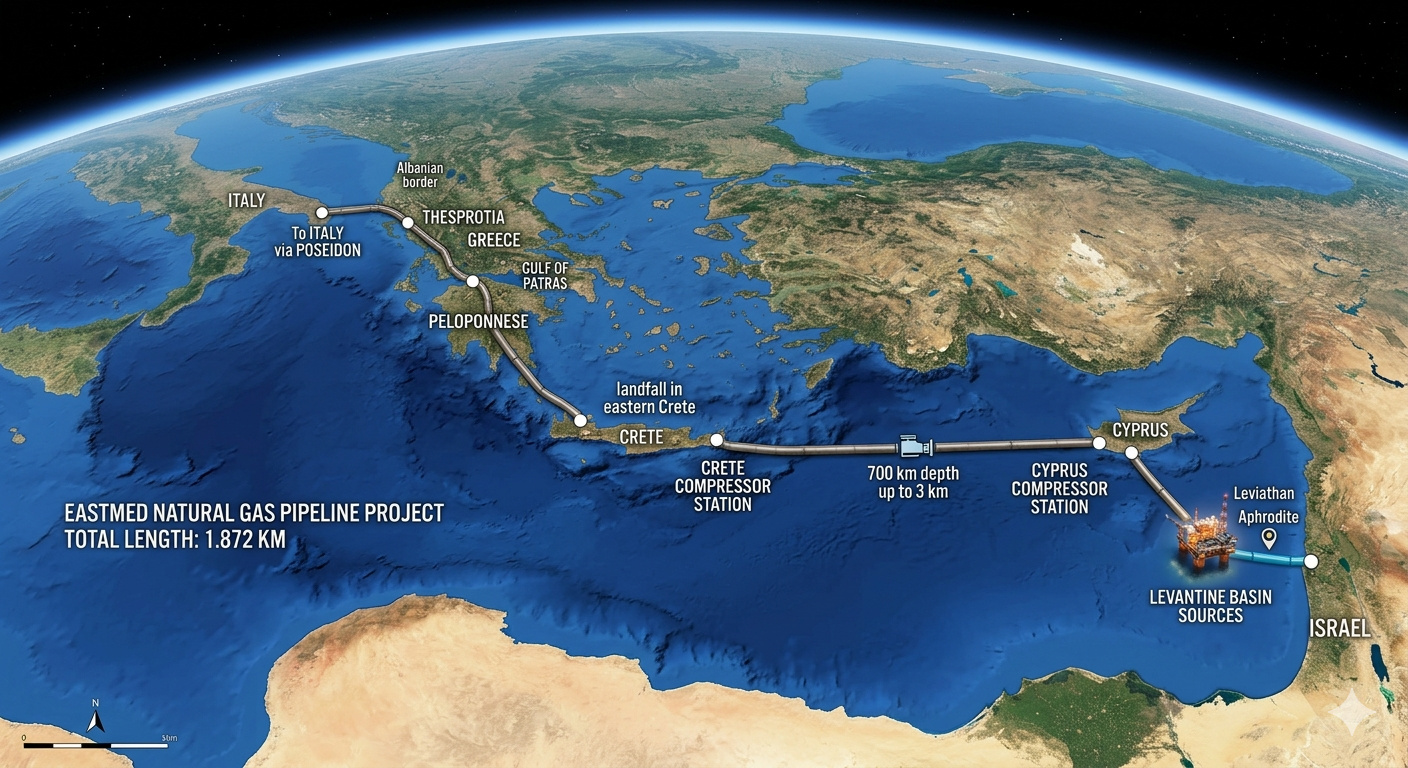
Israel, Greece, and Cyprus signed an agreement in 2020 to transport gas from the Mediterranean to Europe via a 1,872 km pipeline, but Turkey claimed sovereignty over part of the maritime route, and the project never materialized.
-
Israel, Greece, and Cyprus signed an agreement in 2020 to transport gas from the Mediterranean to Europe via a 1,872 km pipeline, but Turkey claimed sovereignty over part of the maritime route, and the project never materialized.
The towers of the world’s largest suspension bridge reach a total structural height of 334 meters, taller than the Eiffel Tower (330 meters including antenna). The symbolic height of 318 meters of the towers also exceeds the original architectural height of the iconic Parisian structure, emphasizing the vertical magnitude of the Turkish bridge.
The Construction of the World’s Largest Suspension Bridge in Turkey
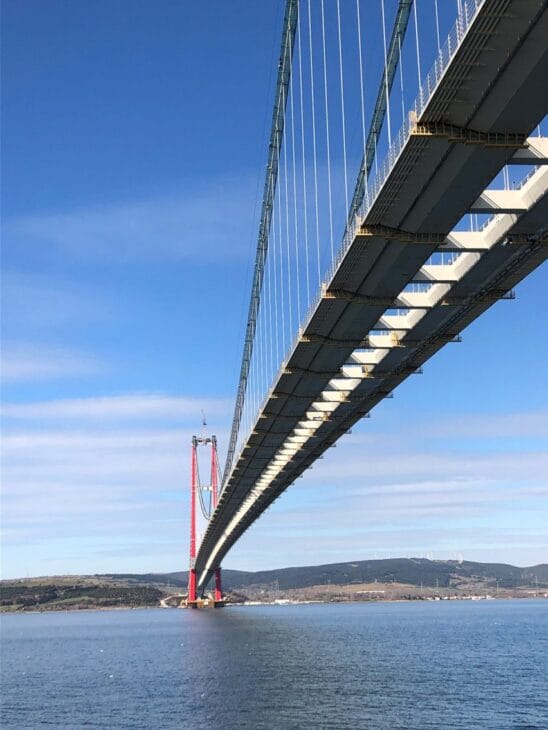
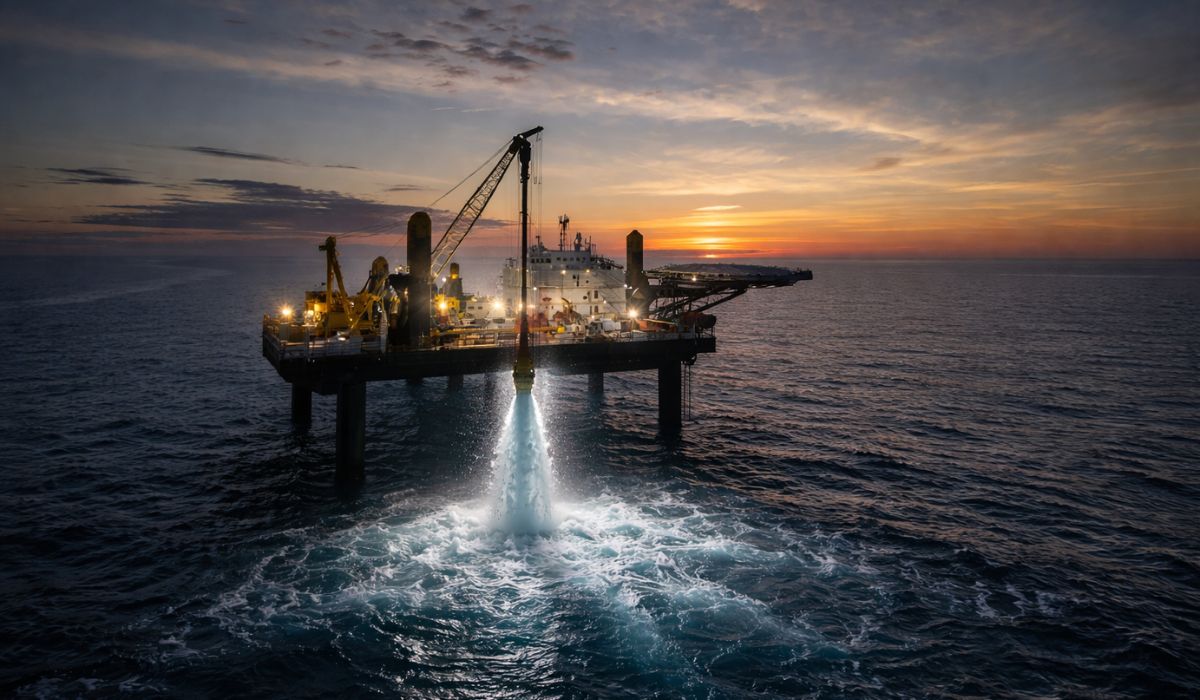
The design of the world’s largest suspension bridge was an international effort, with conceptual design by the Turkish Tekfen and detailing by COWI A/S (Denmark) and Pyunghwa Engineering Consultants (South Korea). Construction, which began in March 2017, was completed in February 2022, 18 months ahead of schedule, by the DLSY JV consortium, made up of Turkish and South Korean companies.
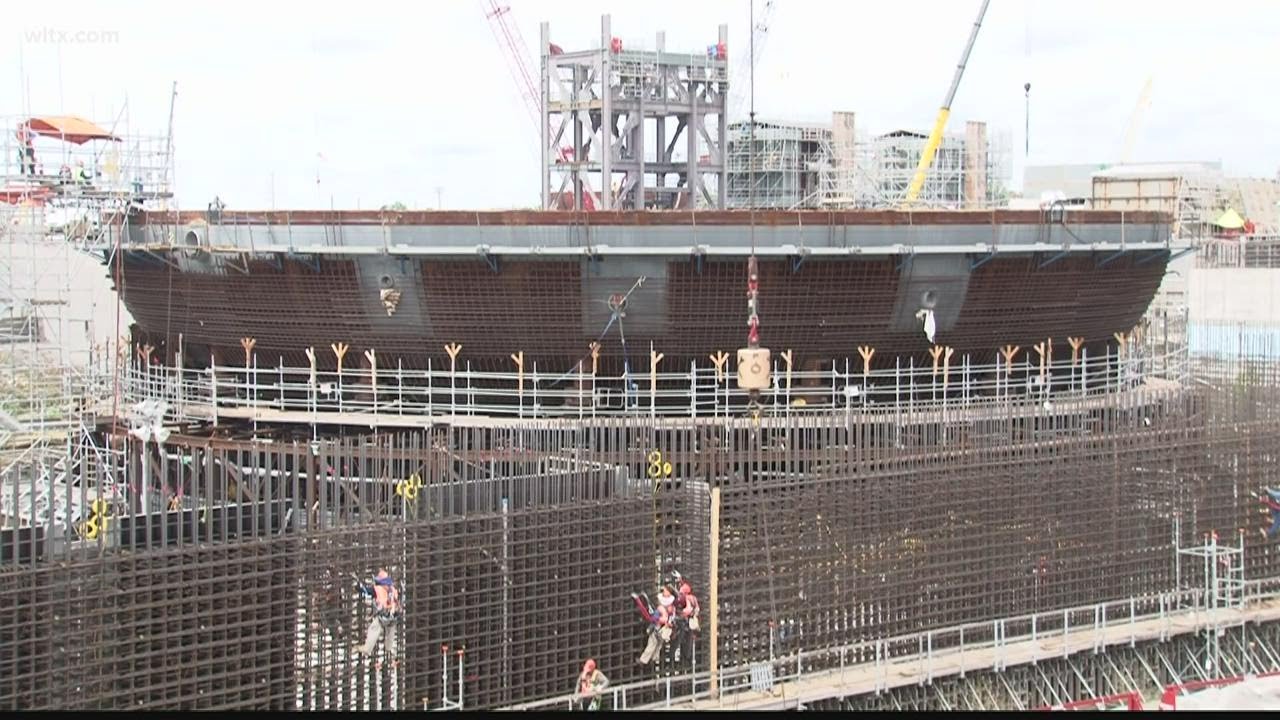
The 334-meter steel towers rest on concrete caissons at depths of up to 45 meters. The steel deck, of the box-girder type for aerodynamic stability, is 45.06 meters wide and accommodates six lanes. The main suspension cables consist of 162,000 kilometers of ultra-high-strength steel wires, galvanized for corrosion protection.
Symbolism and Strategy
The world’s largest suspension bridge is laden with symbolism for Turkey. The name “1915 Çanakkale” honors the Naval Victory of Çanakkale (03/18/1915), crucial in Turkish history. The central span of 2,023 meters celebrates the centenary of the Republic of Turkey (1923-2023), and the symbolic height of the towers (318m) alludes to the date of victory.
The towers painted in red and white, the colors of the Turkish flag, and their projectile-shaped tops also reinforce national identity. The inauguration on March 18 directly connects the modern structure to a defining historical event, transforming the world’s largest suspension bridge into a national monument.
Challenges and Impacts
The world’s largest suspension bridge is the centerpiece of the O-6 highway, reducing crossing time across the Dardanelles from up to five hours to six minutes. The cost of the bridge was €2.5 billion, funded by an international consortium under a Public-Private Partnership (PPP) model. However, actual traffic (averaging 7,100-7,355 vehicles/day in 2024) is well below the guaranteed 45,000 vehicles/day, generating significant compensatory payments by the Turkish Treasury.
The project followed international standards for Environmental and Social Impact Assessment (ESIA), with mitigation measures for biodiversity. However, the expropriation of farmland and tree cutting generated criticism. Concerns about navigation safety due to the location of the pillars were also raised.
Çanakkale 1915: The Future Inspired by the World’s Largest Suspension Bridge
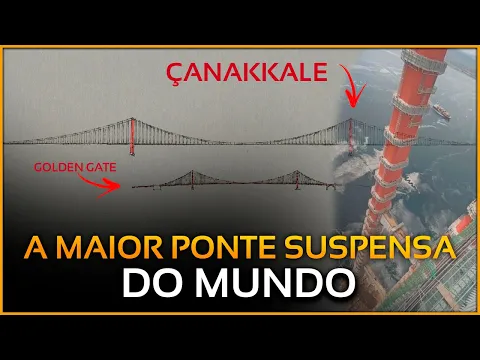

The world’s largest suspension bridge, the Çanakkale 1915, has received international acclaim, including the “Project of the Year” award from Engineering News-Record (ENR). It sets a new and bold benchmark for future large-span bridge projects, demonstrating the expandable limits of engineering and the effectiveness of international collaboration.
The innovations in its design and construction, such as the aerodynamic deck and deep foundations, provide valuable data for global engineering. The debate regarding its PPP model and traffic guarantees also offers important lessons for future megaprojects, highlighting the need for realistic demand projections and balanced risk-sharing. The world’s largest suspension bridge is therefore a multifaceted case study and a catalyst for future discussions.





-

Uma pessoa reagiu a isso.