





 Portuguese
  English
  Spanish
  5 min of reading
  0 comments


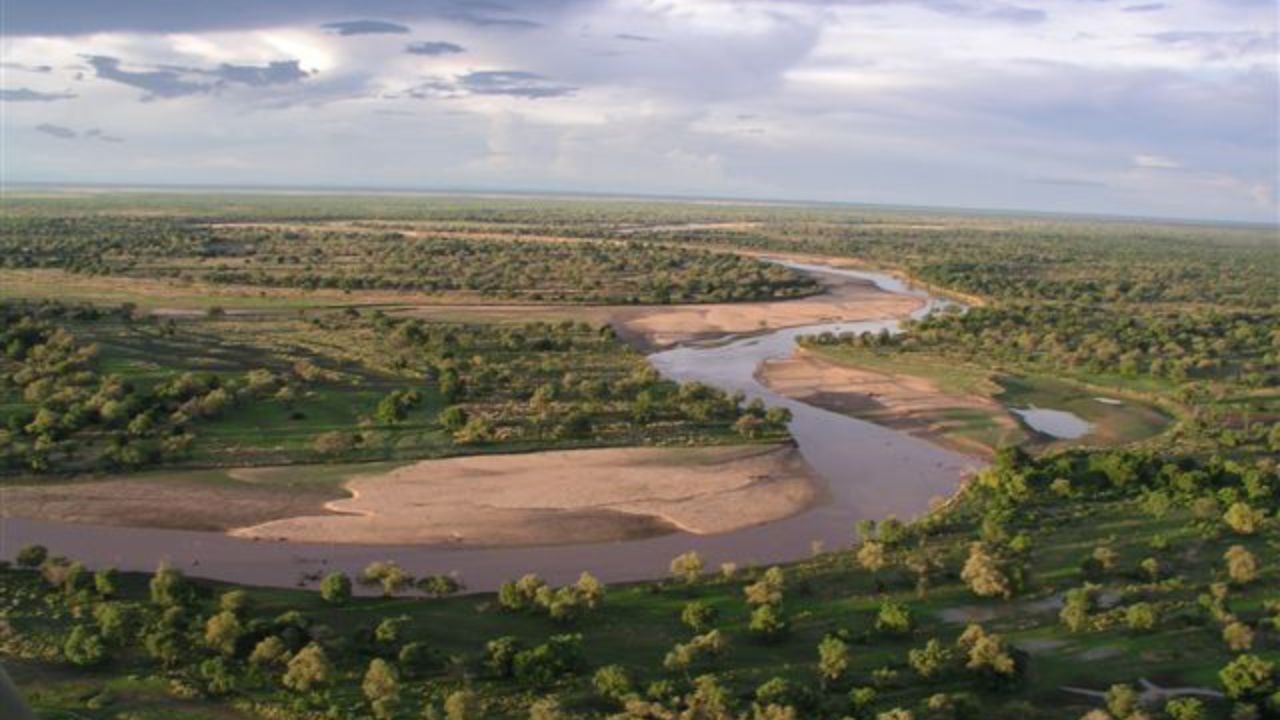
The Biggest Drought in 20 Years Changes the Rhythm of Wildlife in the Luangwa Valley and Reveals How Lack of Water Reorganizes the Entire Survival Chain
The biggest drought in 20 years is not just a period without rain. In the Luangwa Valley, it becomes a daily test of endurance, where pups born in the dry season face hunger, mothers struggle to produce milk, and weak animals are eliminated by the environment itself.
And when the rain finally threatens to arrive, it does not come as an immediate relief. It arrives in false signs, clouds that form and disappear, and in a waiting game that transforms the valley into a harsh, hot, and unpredictable place, where even the death of a hippopotamus can become an unlikely feast.
When the Water Disappears and the Valley Closes Its Doors
In the Luangwa Valley, the dry season is naturally difficult, but the biggest drought in 20 years pushes everything to the limit. The rains are delayed, the land dries out, and moisture is sucked from the vegetation. Without water spread across the territory, life converges to one point: the river.
-
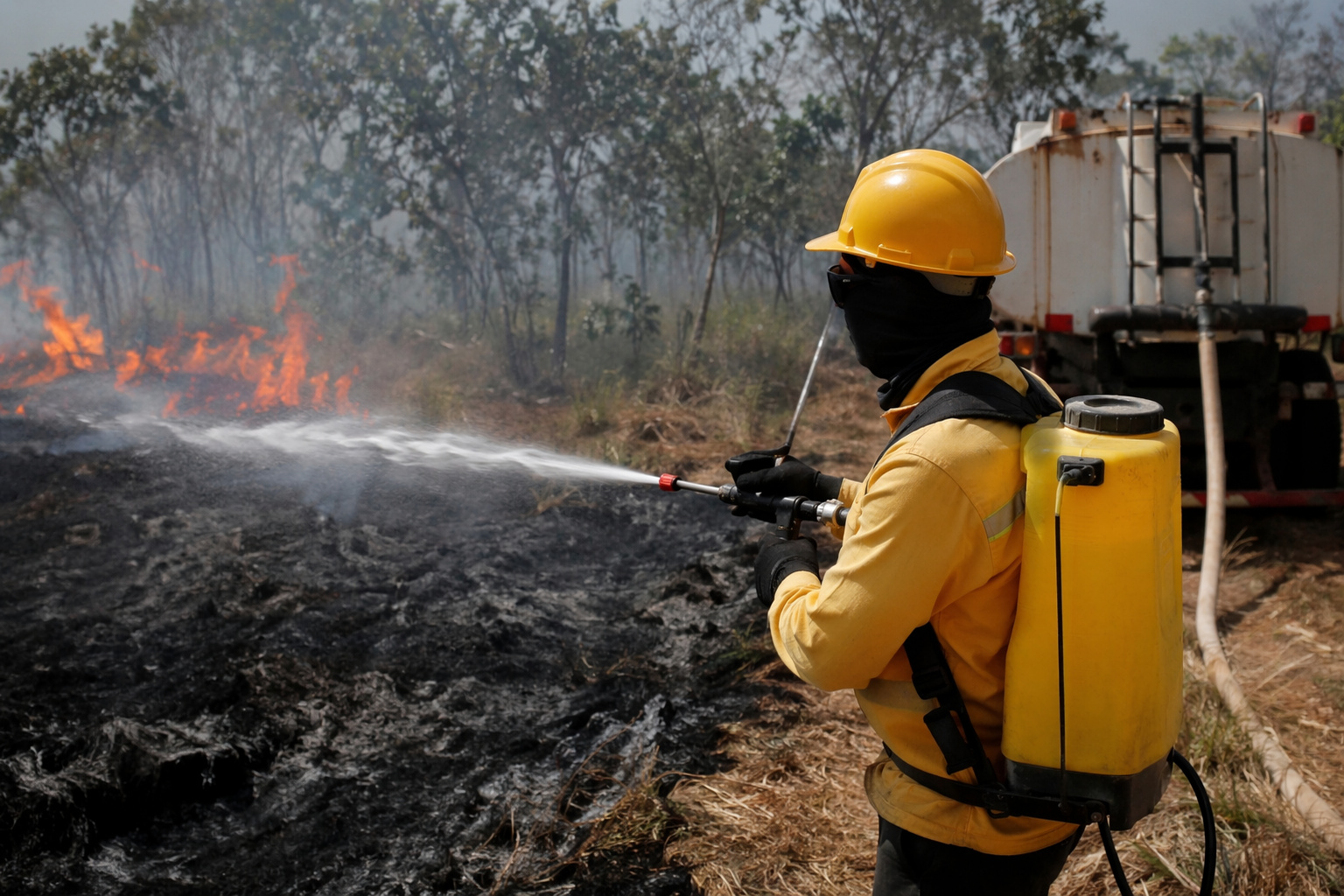
Brazilian biogel reduces water usage by up to 85% in firefighting and can transform the way wildfires are controlled in fields and forests.
-
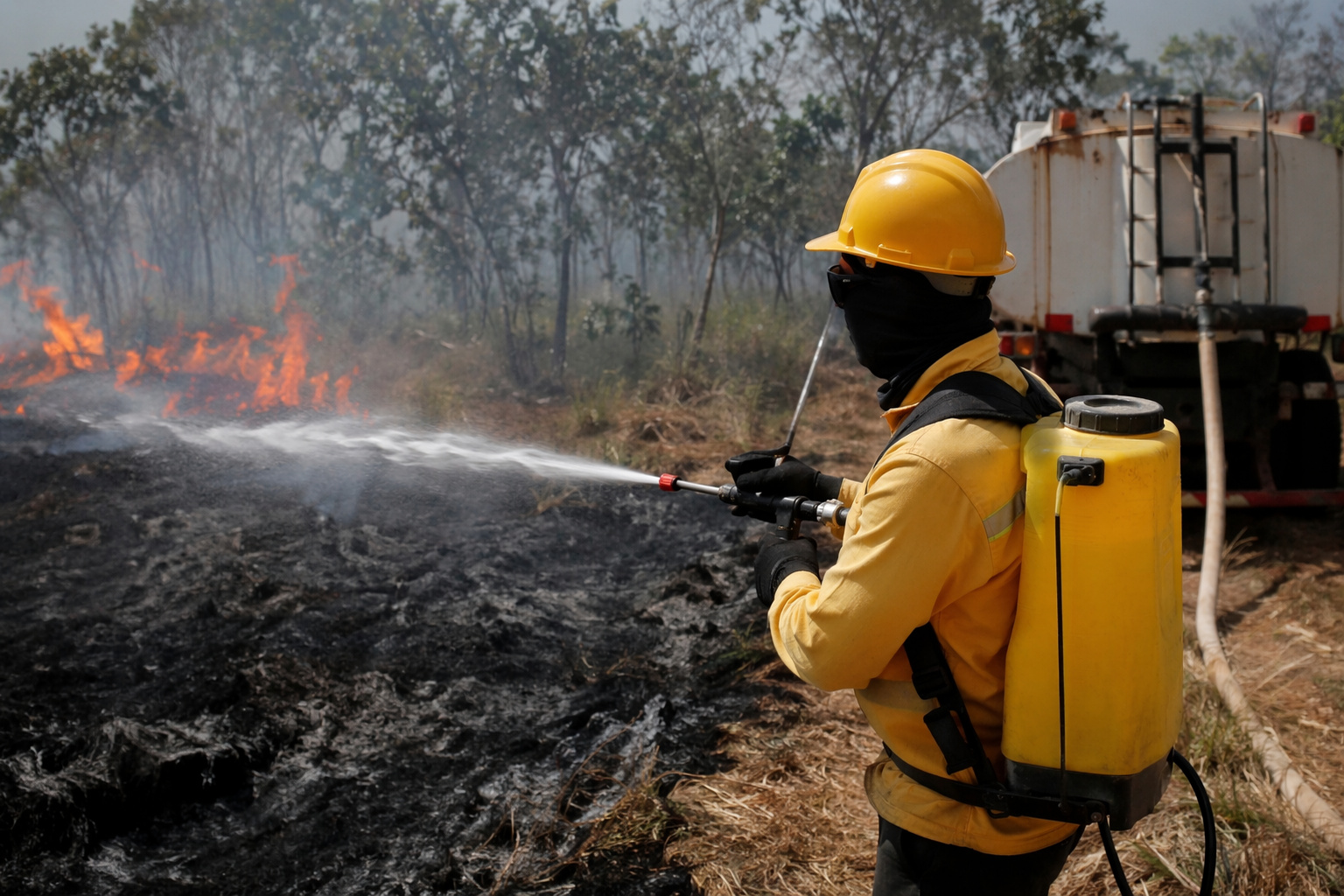
Brazilian biogel reduces water usage by up to 85% in firefighting and could transform the way wildfires are contained in fields and forests.
-
Embrapa’s discovery reveals an unexpected advancement by allowing the production of seedlings from the caatinga using brackish water, opening a new frontier for farmers to face drought more efficiently.
-
6 sources of free fertilizer that you are throwing away every day and can transform your garden without spending anything.
The herd of elephants moves as if it is always counting kilometers. The matriarch leads the family on long walks in search of food but returns to the river because it is the last source of water in the valley. It is at the river that survival concentrates, and this changes the behavior of all.
Elephants at the Limit and the Routine of the Last River

For a nursing elephant calf, the drought demands an extra price. At this time of year, it is harder for the mother to produce the rich milk he needs. Even so, the family stays together and does not leave him behind.
When they reach the river, the act of drinking becomes a vital ritual. They use trunks about 2 meters long to suck water in large gulps and then bring it to their mouths.
There is relief, but it is brief, because the heat soon dominates again, and the clouds often just promise and disappear.
Mega Herds, Fights, and Cornered Hippopotamuses
With scarce resources, buffaloes unite into mega herds and descend to the river that shrinks more and more.
And in the same compressed space, hippopotamuses are forced to stay too close to each other. Where there was once distance, there is now tension.
Fights become inevitable. An old male, injured and with compromised mobility, loses the ability to graze far and quickly loses weight.
Driven out of the place where he would have some safety, he finds only a small stagnant puddle. In the brutal logic of drought, there is no room for fragility.
The Unlikely Feast of the Lions
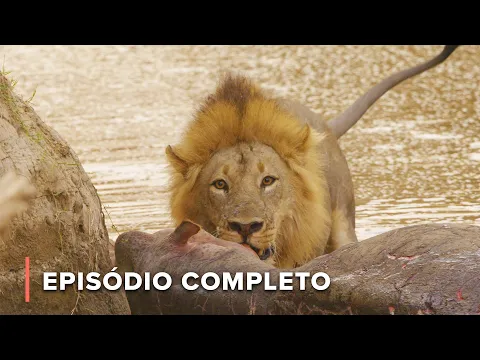
When the hippopotamus dies, the news spreads through the bush. In the drought, predators conserve energy: the environment does part of the work for them.
An adult lion, in the prime of strength, can open the carcass and feed. Soon, other lions arrive, and vultures appear afterward, competing for every scrap.
The scene makes it clear how the biggest drought in 20 years reorganizes priorities. In normal times, hunting demands great risk and cost.
Here, death caused by lack of water becomes food for many mouths. And the valley’s cleanup crew, with lions and vultures, acts quickly until only bones remain.
The Heat, the Dust, and the Survivors’ Strategy
The midday sun raises temperatures, the ground hardens, and light reflects off pale trees. Animals turn to what they have.
Bee-eaters expose themselves to the sun and take sand baths to dislodge parasites, while red-billed weavers quench their thirst in shallow puddles.
Predators also adapt their tactics. With dry streams and empty ditches cutting through the landscape, an experienced leopard uses these corridors to approach prey. In the drought, the ground becomes a map, and every dry depression can be an advantage.
Crocodiles, Last Water, and the Collective Risk
The river concentrates everything. Various animals arrive to drink, and in the shallow water, crocodiles remain a constant threat. In the prolonged dry season, even the behavior of the herds changes: weavers unite in huge numbers, and any strange movement triggers a chain reaction.
When everything depends on a single source, the risk is no longer individual. It is the collective survival that is exposed, because the entire valley is tethered to a thread of water.
The Rain Arrives and the Valley Becomes Another World
After much threat in the sky, the rain finally falls heavily. It lasts for hours and changes the texture of the ground. And, in the moist earth, something stirs.
Rare creatures emerge to the surface as if the valley has unlocked a secret level.
Giant velvet mites appear for a few hours a year, right after the first rains. And they are not the only ones. Soon, puddles form everywhere, and a turtle that had been inactive for months awakens, dives, and goes back to foraging in the shallow waters.
The biggest drought in 20 years also reveals the speed with which life returns when the water arrives.
The Insect Feast and the Shift to Mothers
The rains bring not only green. They trigger a biological event that explodes in quantity: winged termites emerge, fly, seek partners, and by dawn, many end up drowned in the new puddles.
For vervet monkeys, this becomes a feast. Protein-rich insects help nursing mothers recover energy and support their offspring. The drought had tightened the reproductive cycle; the rain reopens the opportunity.
The Rebirth of Green and the New Rule of the Game
In a few days, shoots emerge, vegetation returns, and the valley changes color. With new food, births occur. And when water is available in more places, the mega herds break apart and spread over large areas.
However, this rebirth does not benefit everyone equally. For lions, for example, the abundance disperses prey and makes hunting more difficult.
For the old leopard, channels that were once dry are now full, and he loses hiding spots. The rain saves, but it also redistributes the advantages.
What the Biggest Drought in 20 Years Teaches About the Luangwa Valley
The Luangwa Valley experiences a natural cycle of flooding and drought, but the biggest drought in 20 years shows what happens when the weather stretches too far in one direction.
The river shrinks, fights increase, deaths multiply, and predators feed on rare opportunities.
And when the rains arrive, the valley does not return to what it was. It transforms into another world, with creatures emerging, puddles forming, new shoots covering the ground, and an entire chain reorganizing itself again, from the top to the smallest insect.
And for you, does the biggest drought in 20 years change the way you see wildlife in the Luangwa Valley, or does it just seem like another tough cycle of nature?






Seja o primeiro a reagir!