





 Portuguese
  English
  Spanish
 3 min of reading
  0 comments


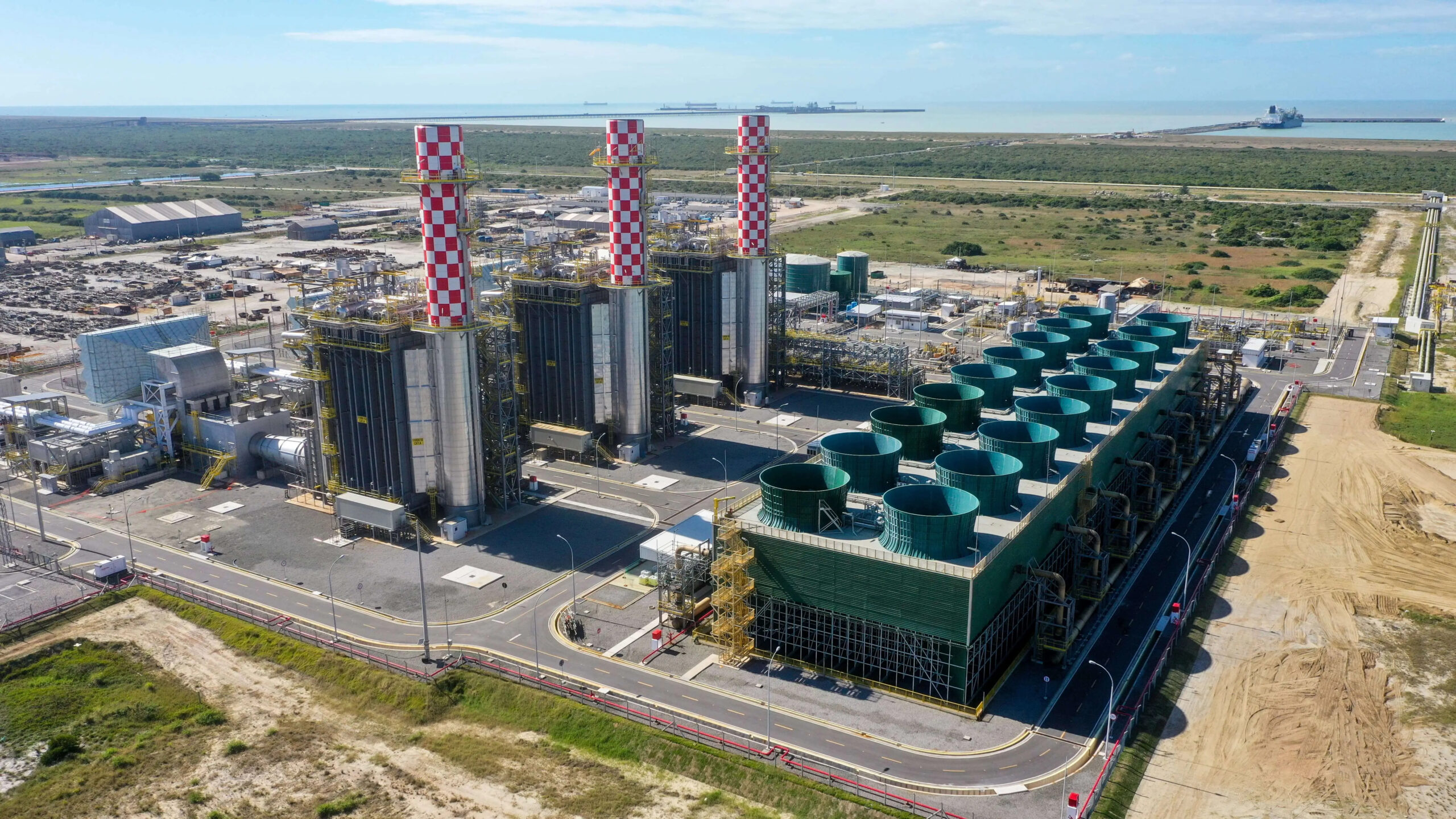
Learn More About the Thermal Power Plant (UTE) GNA II in the Heart of Porto do Açu, in São João da Barra, Rio de Janeiro.
A new chapter in Brazilian energy history was written on Monday, July 28, 2025, with the inauguration of the Thermal Power Plant (UTE) GNA II.
Considered the largest gas-fired thermal power plant in Brazil, UTE GNA II represents a significant leap in the security and diversification of the national energy matrix, promising to directly impact energy availability for millions of Brazilians.
The ceremony was attended by authorities from the GNA joint venture and the government, including the President of the Republic, Luiz Inácio Lula da Silva, and the Minister of Mines and Energy, Alexandre Silveira.
-
Offshore industrial demand in Macaé skyrockets with the recovery of oil and gas and could grow by up to 396% by 2026 in the Campos Basin.
-
Offshore industrial demand in Macaé surges with the recovery of oil and gas and could grow by up to 396% by 2026 in the Campos Basin.
-
Brazilian giant expands borders in the Southeast: Petrobras confirms new oil discovery in ultra-deep waters in the pre-salt of the Campos Basin.

-
Alert in the global energy market: Severe tropical cyclone hits the coast and disrupts gas production at major plants in Australia, threatening global supply.


Energy Giant: Power and Cutting-Edge Technology in Açu
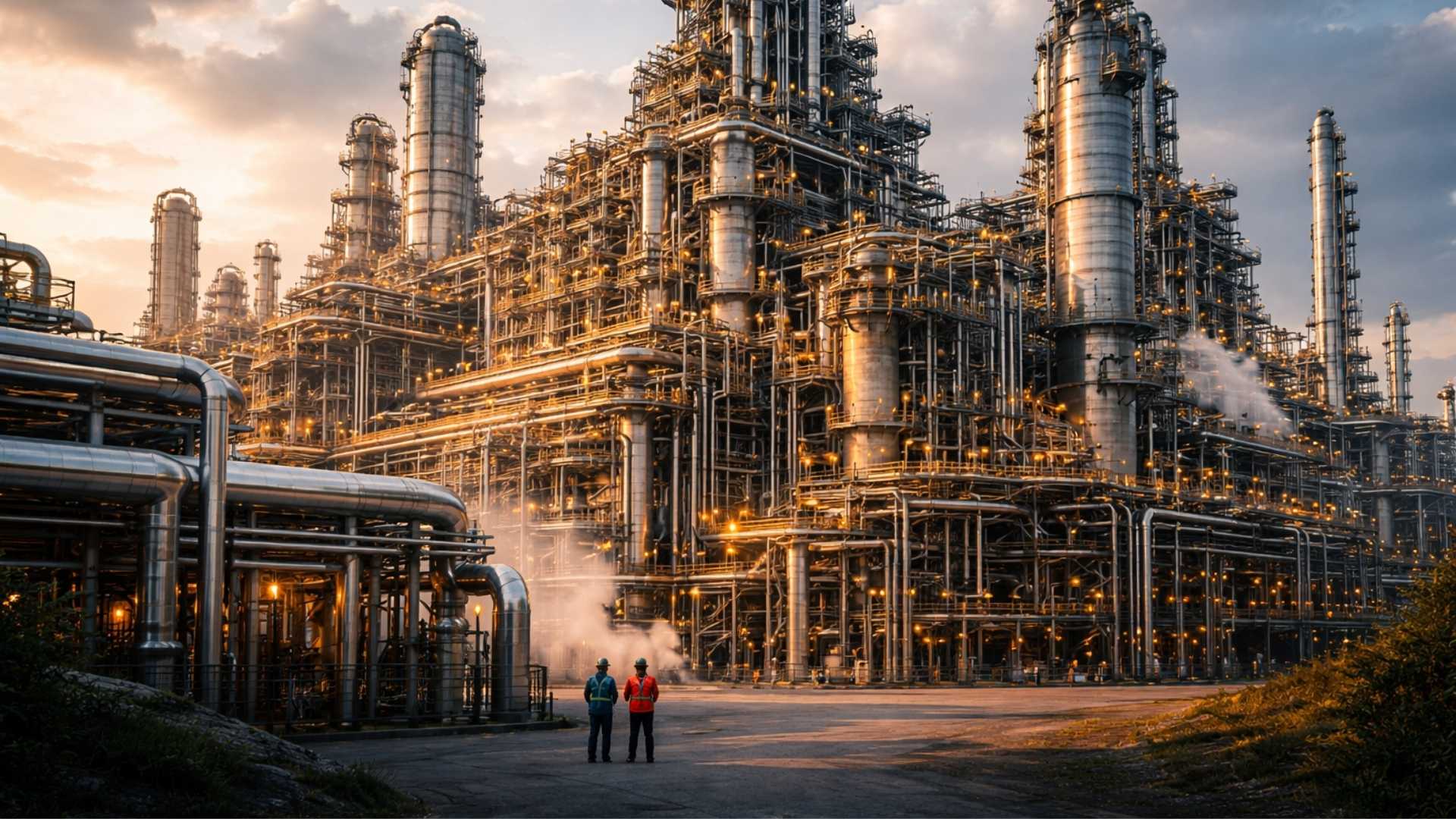
The arrival of UTE GNA II at the Porto do Açu complex solidifies the area as a strategic hub for the country’s energy infrastructure.
With its impressive capacity, this gas-fired thermal power plant positions itself as one of the pillars for the complementarity of intermittent renewable sources, such as wind and solar.
This means that, during periods of lower generation from wind or sun, UTE GNA II will be ready to ensure energy supply, maintaining the stability of the National Interconnected System (SIN).
The largest gas-fired thermal power plant in Brazil incorporates cutting-edge technology, aiming for high efficiency and the least possible environmental impact.
The choice of natural gas as fuel reinforces the commitment to a cleaner energy transition, emitting fewer pollutants compared to other fossil sources.
Its strategic location at Porto do Açu facilitates the reception of gas and the connection to the transmission network, optimizing the operation and distribution of generated energy.
UTE GNA II, part of the New Growth Acceleration Program (PAC), adds 1.7 gigawatts (GW) of power to the complex, which already includes UTE GNA I (1.3 GW) and a Liquefied Natural Gas (LNG) Regasification Terminal, both operational since 2021. Together, plants GNA I and II can generate enough energy to supply approximately 14 million homes.
Strategic Vision: The Role of GNA II in National Energy Security
The inauguration of UTE GNA II is an event of extreme relevance for Brazil’s energy security, resonating at high levels of government.
President Luiz Inácio Lula da Silva emphasized the importance of the state’s role as a guarantor of political, social, economic, fiscal, legal order, and, above all, predictability to attract and secure large-scale investments like this.
The Minister of Mines and Energy, Alexandre Silveira, highlighted that the GNA plants fundamentally contribute to the country’s energy security, being capable of meeting both base demand and peak dispatch during critical moments of the system.
Silveira also stressed the strategic importance of natural gas to strengthen the national electric system, positioning it as a low-carbon emission alternative for thermal generation and, crucially, as an indispensable complementary source to intermittent renewable energies.
He further mentioned that the planning of the Energy Research Company (EPE) is essential, as it allows the harmonization of various energy sources in the electric system, and its studies guide transmission line auctions, ensuring the efficient integration of the Thermal Power Plant (UTE) GNA II and future projects.
This undertaking not only drives energy infrastructure but also generates jobs and development for the Rio de Janeiro region, reaffirming the country’s potential to consolidate its position as a relevant player in the global energy transition.








-

-

-

18 pessoas reagiram a isso.