





 Portuguese
  English
  Spanish
  4 min of reading
  0 comments


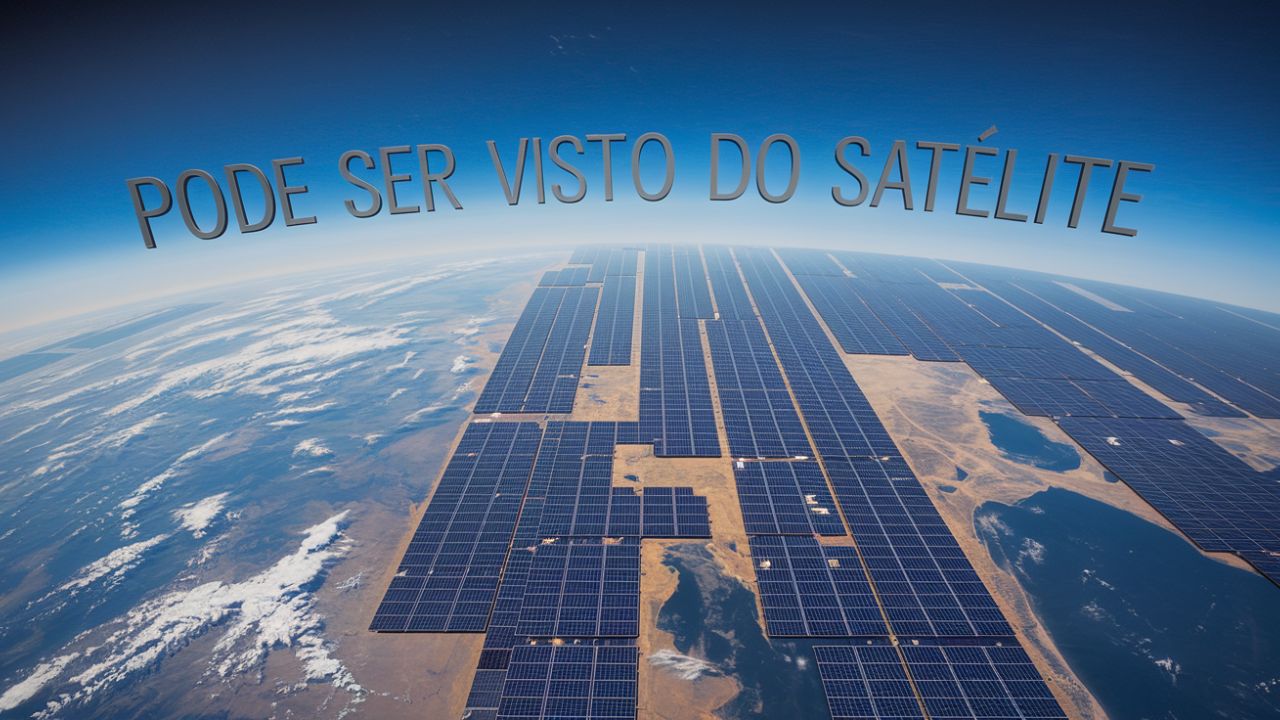
With The Capacity To Generate 30 Gigawatts Of Clean Energy, The Khavda Solar Park In India Promises To Avoid 58 Million Tons Of CO2 Annually, Propelling The Country Towards Renewable Energy And Sustainability Goals.
India, one of the countries with the highest energy demand in the world, is about to take a giant leap towards a renewable future. The Khavda Solar Park is being built in the Gujarat desert and promises to be the largest renewable energy facility in the world. But what makes this project so impressive? Let’s explore.
What Is The Khavda Solar Park And Where Is It Located?
Can you imagine something so big that it is visible from space? That is exactly what is happening in the Gujarat desert, India. The Khavda Solar Park, which will also feature wind turbines, will cover an area as vast as Singapore, with 72,600 hectares. To get an idea of the size, that’s approximately 280 square miles of land dedicated exclusively to generating clean energy.
The project is located near the border with Pakistan, in a region known for its ideal weather conditions for installing solar panels and turbines. This site was strategically chosen as it has an extensive area of salt desert, ideal for installing equipment without significant geographical limitations.
-
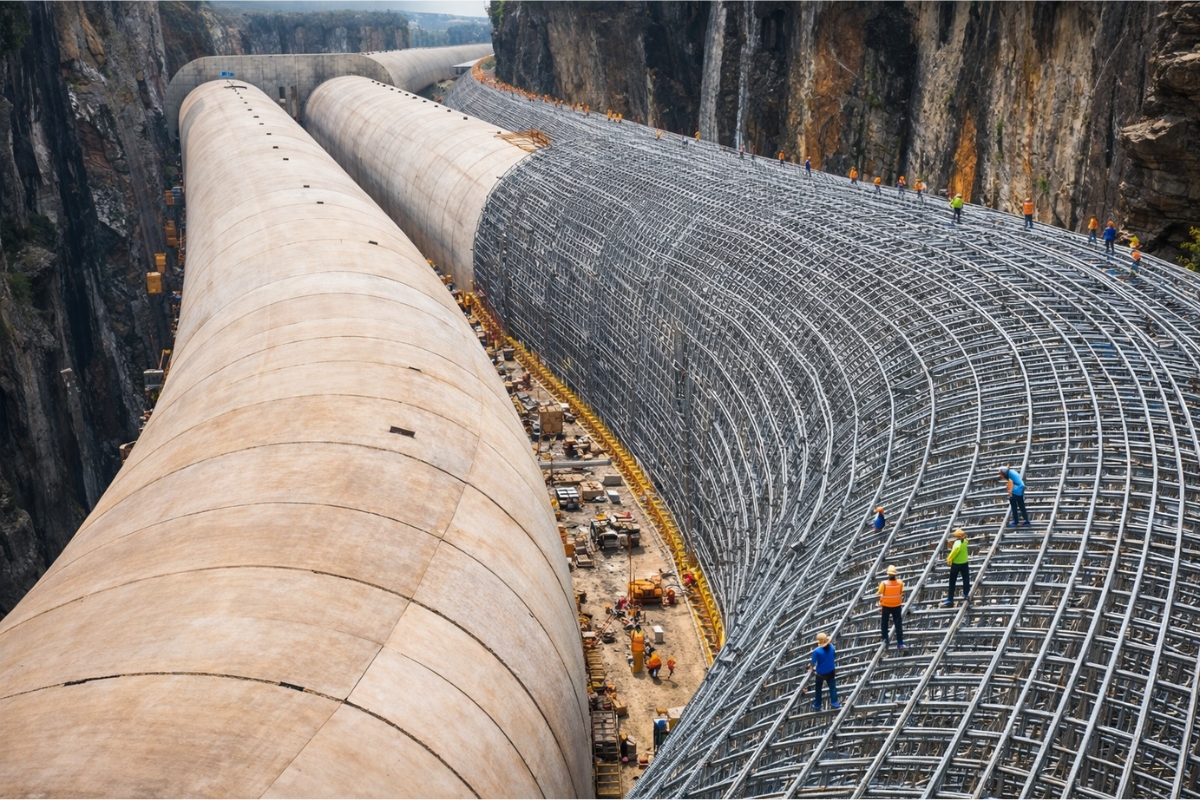
Switzerland invested over $2.3 billion and bet on water, altitude, and solid rock to create a battery in the Alps capable of powering more than 1 million homes.
-
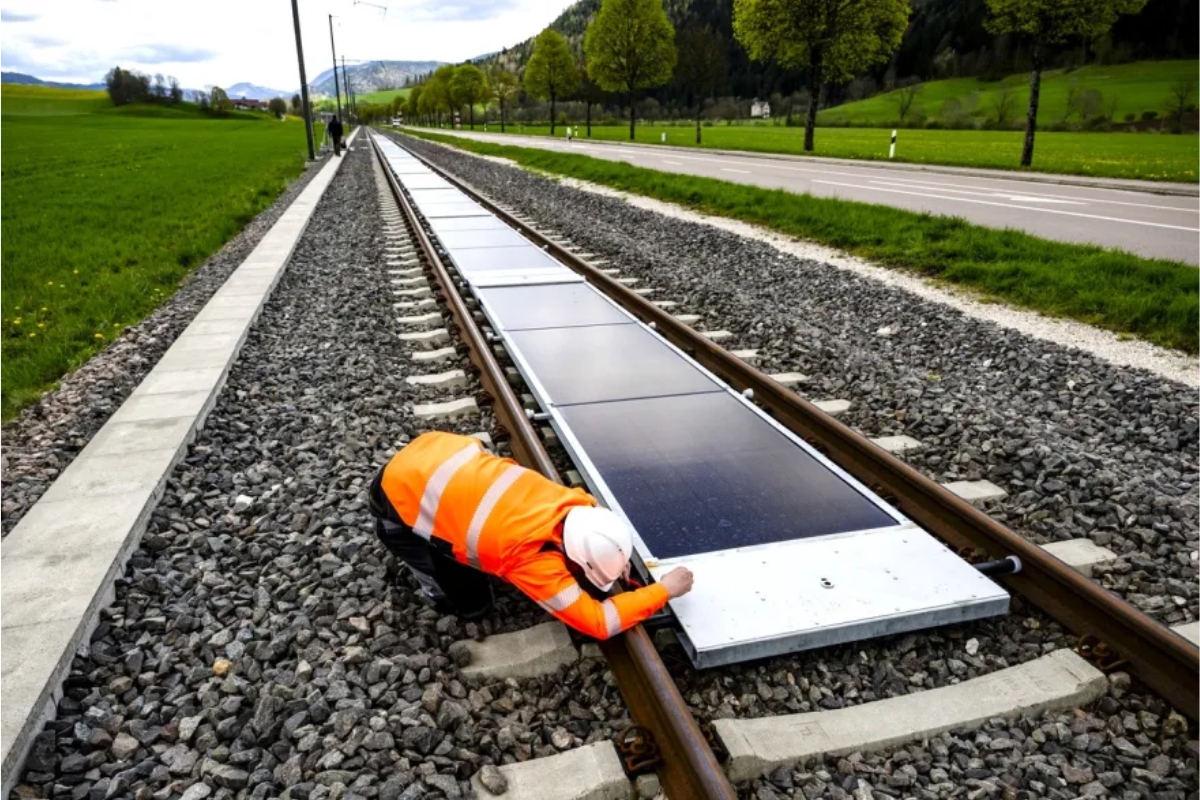
In Switzerland, tracks that previously only accommodated trains are beginning to generate electricity with removable solar panels installed on active railways, paving the way to transform the railway network into a new front for clean energy.
-
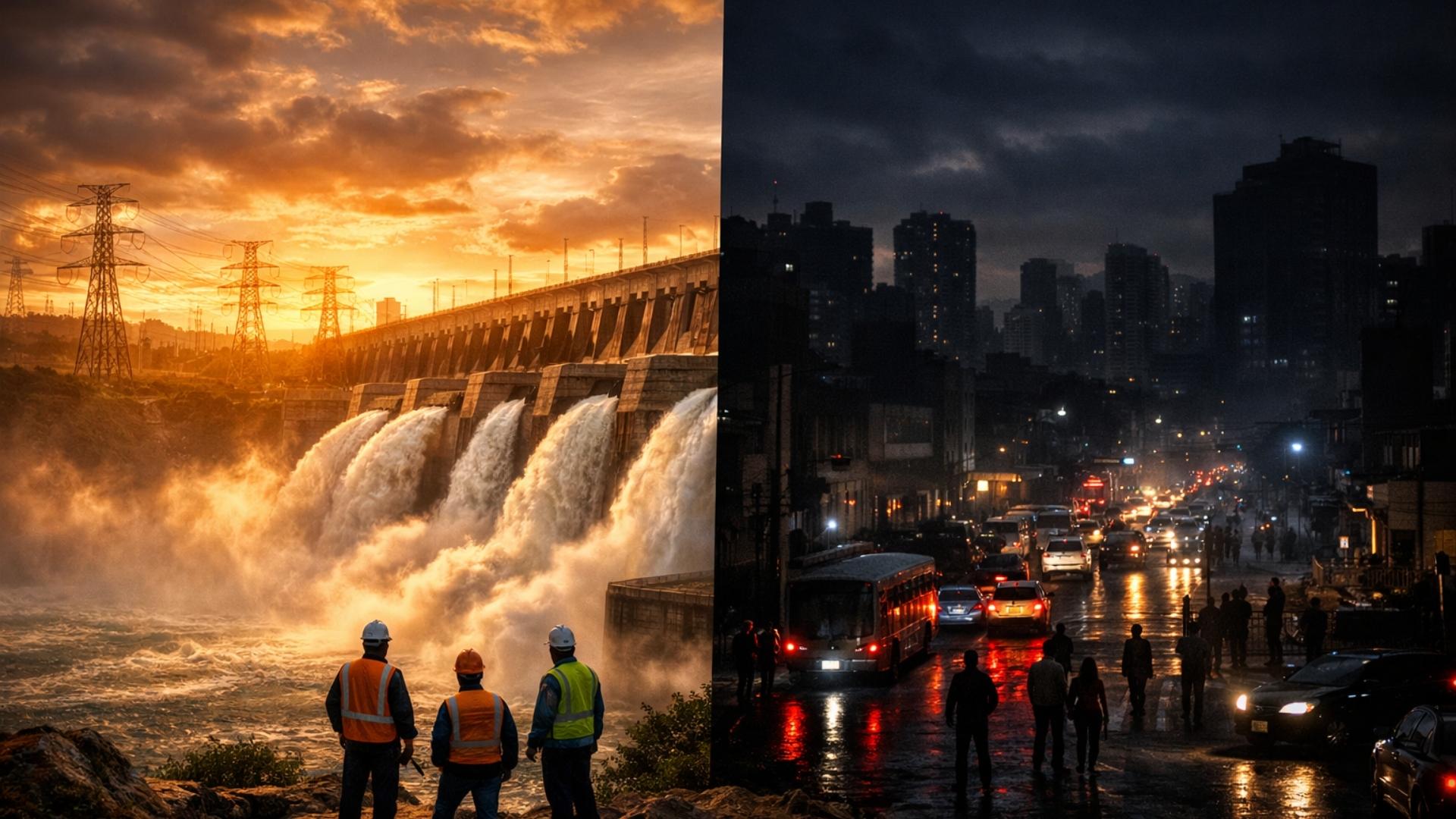
Brazil raises alarm to avoid blackout: the country may need 3 Itaipus and is already wasting up to 5,135 MW of energy on days of excess solar.
-
Renewable energy advances over protected areas in Brazil, and a survey by the Energy Transition Observatory reveals silent impacts that challenge environmental conservation and pressure sensitive traditional territories.


The Energy Production Potential And Its Environmental Impacts

Once fully operational, the Khavda Solar Park will have an impressive capacity of 30 gigawatts (GW) of electrical power. To put this in perspective, this amount of energy can supply around 18 million households. This is more than enough to illuminate the lives of millions of Indian families.
In addition to providing a significant amount of clean energy, the park will be a key player in reducing carbon dioxide emissions. The expectation is that the park will avoid the emission of about 58 million tons of CO2 annually. This is akin to removing from the atmosphere what is emitted by millions of combustion vehicles in a year. Without a doubt, a significant step towards mitigating the impacts of climate change.
Challenges And Technological Innovations Of The Project
Building the largest renewable energy plant in the world is no simple task. Thousands of workers are on-site, installing solar panels that stretch as far as the eye can see and assembling massive wind turbines. The infrastructure needed to sustain a project of such magnitude is impressive, with miles of wiring being laid to connect all this generated energy efficiently.
Another major challenge is the integration of both types of energy sources – solar and wind – within the same park. To achieve this, cutting-edge technologies are being employed to allow both systems to operate in a coordinated and seamless manner. The installation of large wind turbines in a desert area requires sophisticated logistics, making the project even more innovative.
India And Its Commitment To Clean Energy
The construction of the Khavda Solar Park is just one aspect of India’s commitment to investing in clean energy. The country has pledged to reach an impressive target of 500 gigawatts of renewable energy capacity by the end of this decade. India aims to achieve net zero emissions by 2070, which is a significant challenge considering that over 70% of the country’s electricity is still generated from fossil fuels, such as coal.
With the growing population and economic growth, the demand for energy in India is only set to increase. Therefore, initiatives like the Khavda Solar Park are not just an investment in the present but also in the sustainable future of the country.
Other Major Infrastructure Initiatives In India
India is not only investing in renewable energy. The country is implementing other megaprojects that will transform its infrastructure. The Polavaram Project, for example, is a dam that will be built on the Godavari River, aimed at improving water supply, irrigation, and energy generation in the Andhra Pradesh region. The DMIC project, a partnership between India and Japan, aims to create new cities between Delhi and Mumbai, with an estimated cost of US$ 96.25 billion.
These projects, along with the Khavda Solar Park, demonstrate that India is positioning itself as a leader in innovation and infrastructure on the global stage.








-

-

-

-

15 pessoas reagiram a isso.