Portuguese
  Spanish


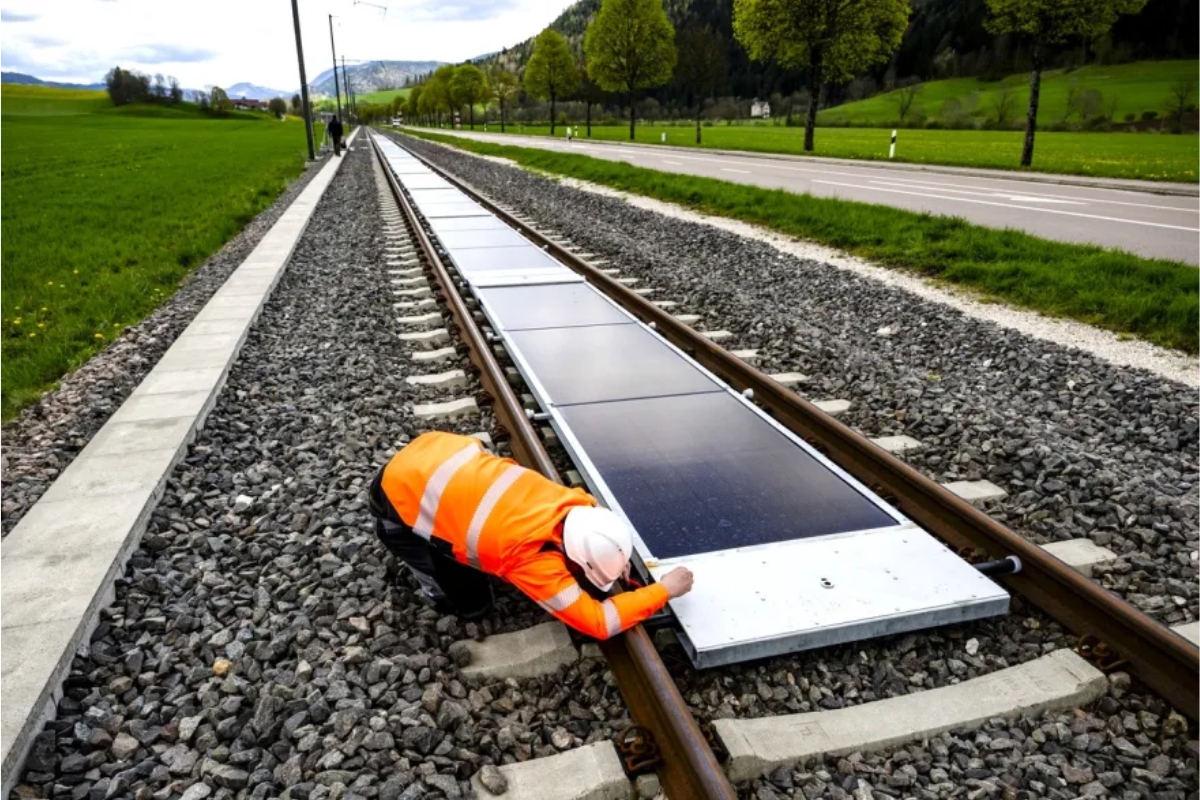


Switzerland makes tracks generate energy by installing removable solar panels on active railway, inaugurates a system with an estimated annual generation of 16,000 kWh and tests an idea capable of changing the strategic reading of infrastructure.
The Switzerland has begun testing an idea that draws attention for its visual simplicity and practical impact. An operational railway has started generating electricity with solar panels installed between the tracks, without interrupting the use of the line.
The project was inaugurated in Buttes, in the canton of Neuchâtel, and marks the entry of a model that attempts to leverage an existing structure to increase energy production. In practice, the proposal transforms the railway corridor into a productive surface, with potential for scaling up.
Buttes received 48 panels in 100 meters of track
The installation occupies 100 meters of track and includes 48 removable solar panels. The installed power is close to 18 kW, with an estimated annual production of around 16,000 kWh.
-
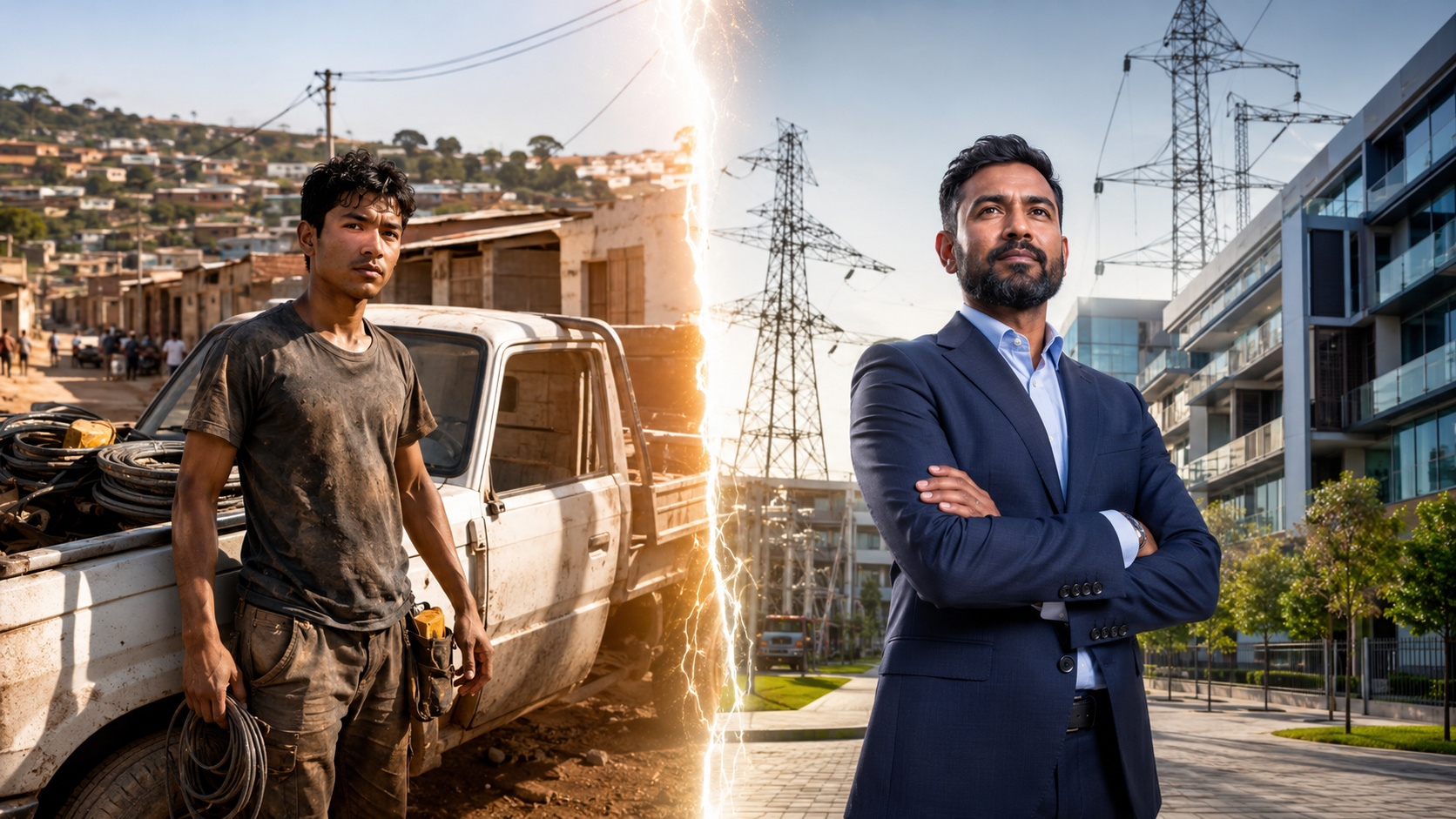
Fired during apartheid and with a little borrowed money, an electrician started with a borrowed truck and transformed electrical services into a group connected to energy, real estate, and infrastructure in South Africa.

-
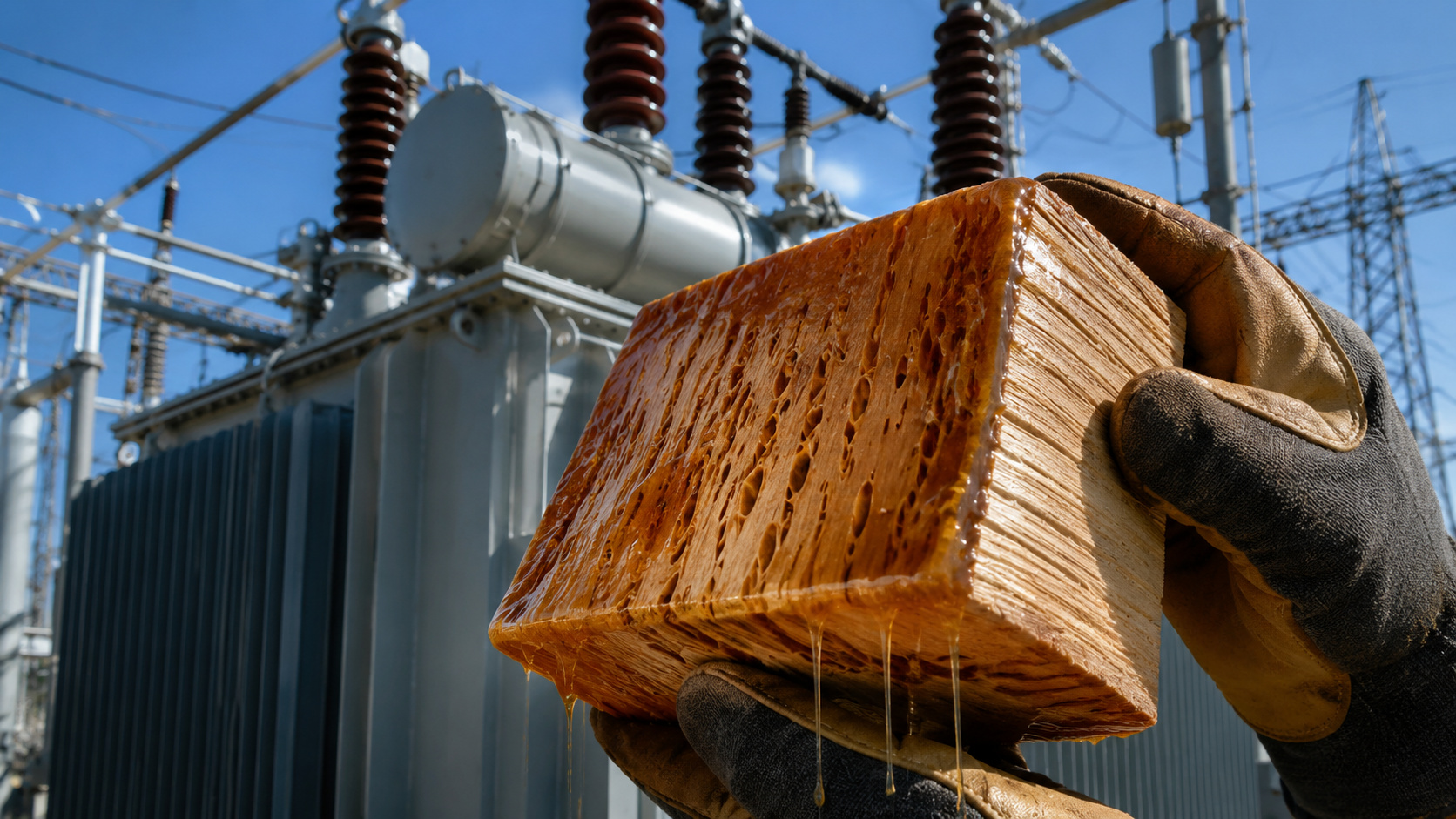
Wood has ceased to be just a construction material in Yale research and has become insulation for electrical transformers that face intense heat, aging, and increasing pressure from the renewable energy-powered grid.
-
More than 1,000 residents of a remote island in Kiribati now have clean water and electricity with solar systems operated by the community itself.
-
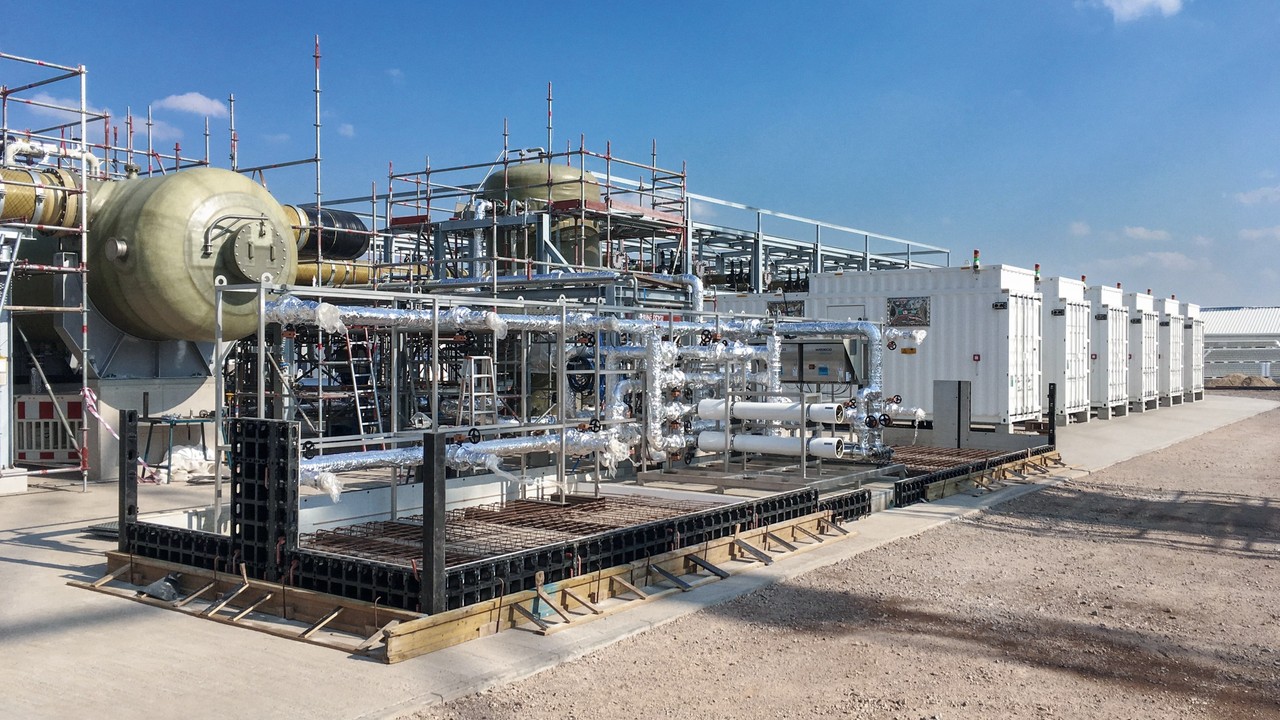
Ceará brings together 7 giants and R$ 66 billion to transform Pecém into the largest green hydrogen hub in Brazil, with final decisions expected by the end of 2026.


The energy generated at this moment is sent to the local power grid. It is not yet a direct supply to the trains, but the test already shows that the railway can go beyond transportation and also fulfill an energy function.
Removable system tries to solve one of the biggest obstacles of the track

The most distinctive point of the project lies in the shape of the modules. The panels were designed to be removed and replaced when maintenance of the line is needed, something essential on any active railway segment.
This choice attempts to solve an old problem of this type of proposal. The track requires constant inspection, repairs, and cleaning, and a fixed system could hinder access. With the removable modules, the promise is to maintain railway operation without losing flexibility.
Project has entered operation but will remain under testing until 2028
The pilot has already been inaugurated, but it is still far from being treated as a consolidated solution on a large scale. The authorized section operates with trains of up to 70 km per hour, and the evaluation phase is expected to continue until 2028.
This longer period serves to observe the actual behavior of the structure under different conditions. This includes wear, dirt, vibration, maintenance, and the performance of generation throughout the seasons.
Switzerland calculates potential for thousands of kilometers of tracks
According to Swissinfo, a Swiss platform for multilingual news and public information, the estimate from the responsible company suggests that the country’s railway network could reach 1 TWh per year if the model were applied in suitable sections, excluding tunnels and less favorable areas.
This projection helps explain the interest surrounding the initiative. The appeal lies not only in solar energy but in the use of existing, extensive infrastructure already integrated into the territory, without requiring new areas for installation.
Impressive scale, but cost and dirt still weigh heavily
The project gained momentum due to its image and the logic of reuse, but it faces significant doubts. Among the main concerns are the accumulated dirt on the panels and the continuous effect of vibrations and mechanical stress caused by the passing trains.
There is also a relevant economic issue. A solar panel is usually designed to remain installed for many years. When the system depends on removal and replacement, operational costs and the risk of wear become more significant.
Model already attracts interest outside Switzerland
Even still in the testing phase, the proposal is already attracting attention in other markets. International interest is growing because the idea combines three strong elements at once: existing infrastructure, clean energy, and the possibility of replication.
This movement gives the project greater weight than the size of the pilot suggests. A short segment has become a showcase for a model that can reshape the way we view tracks, technical strips, and transport corridors.
The experience in Buttes shows that solar generation can advance through less obvious and more integrated paths within the already built environment. This broadens the discussion on how to produce energy without competing too much for space with other activities.
If the test confirms safety, viability, and performance, the railway will cease to be just a transit route and will begin to function as an energy asset. It is this leap that gives strength to the project and changes the strategic reading.