





 Portuguese
  English
  Spanish
  5 min of reading
  1 comment


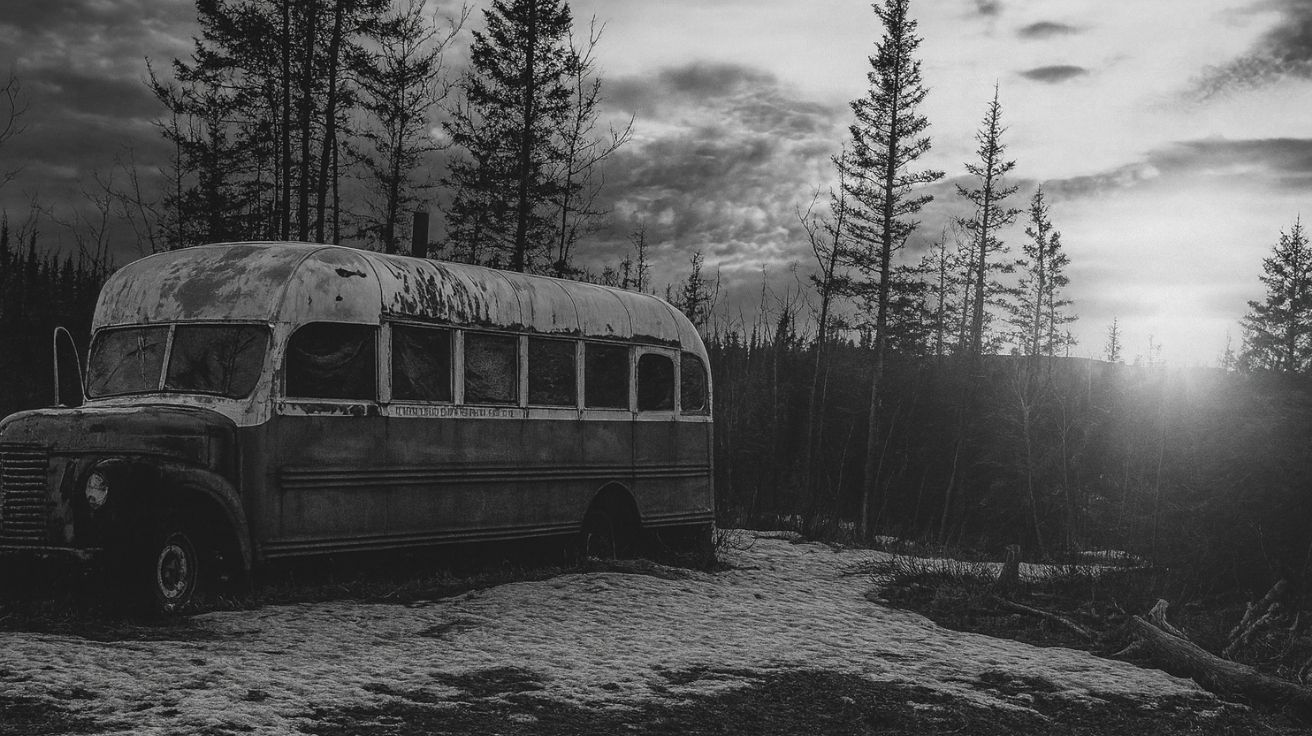


The “Magic Bus,” Where Christopher McCandless Lived His Last Days in Alaska, Became a Deadly Tourist Spot and Victimized Adventurers Who Sought to Relive the Same Journey.
Few modern stories intertwine adventure, idealism, and tragedy like that of Christopher McCandless, the young American who chose to abandon a life of privilege to immerse himself in the wilderness. His end, in 1992, in the famous Fairbanks 142 bus, nicknamed “Magic Bus”, became a cultural myth after Jon Krakauer’s book Into the Wild (1996) and the eponymous film directed by Sean Penn in 2007.
However, the vehicle that served as both shelter and grave for McCandless also became a symbol of curse. Located in a treacherous and remote area of Alaska, the bus attracted travelers from around the world, but many of them met the same fatal fate. With each attempt to relive McCandless’s experience, more tragic stories accumulate.
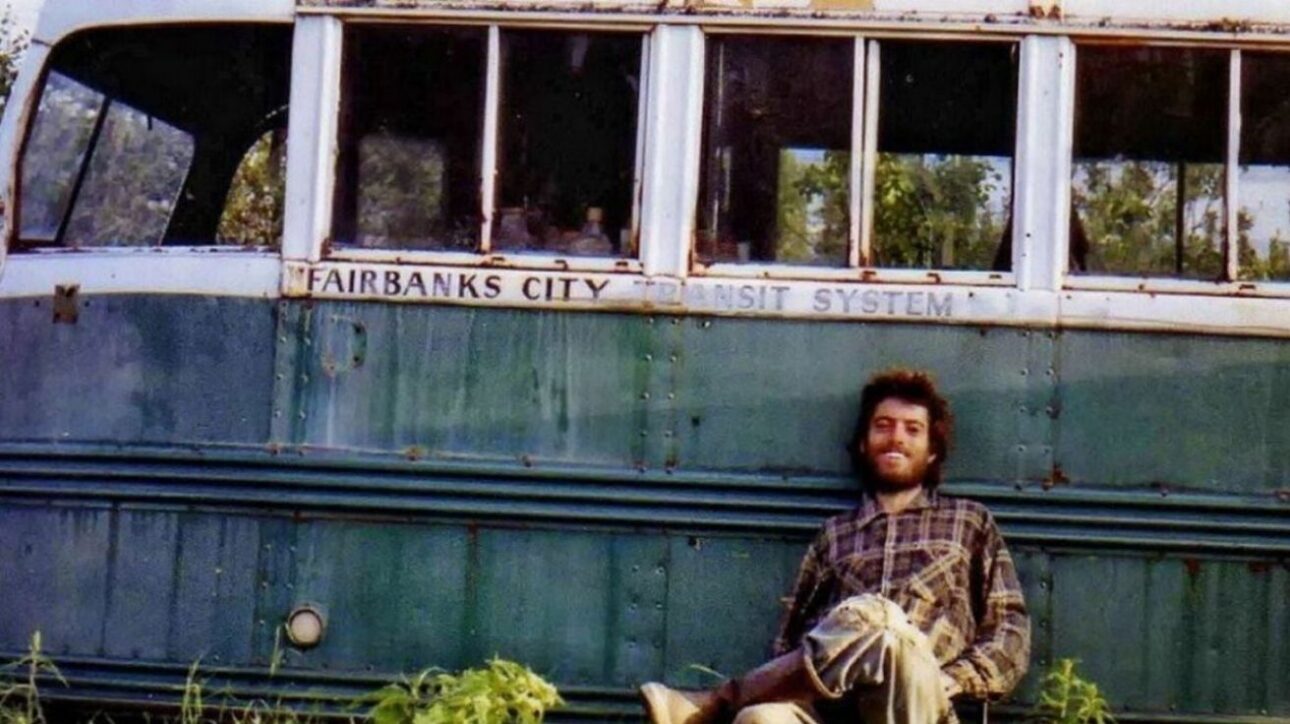
The Free Spirit of Christopher McCandless
Christopher Johnson McCandless was born in 1968, grew up in Virginia, and demonstrated an unusual restlessness from an early age. Brilliant in his studies, he graduated in history and anthropology from Emory University in 1990, and he decided to reject conventional life. He donated his savings of over US$ 24,000 to Oxfam, burned part of the money he had left, and began a nomadic life under the pseudonym “Alexander Supertramp.”
-
A 68-year-old pizza delivery driver went off route to buy a soda that was missing from a visually impaired customer’s order, refused an extra tip, and now Dan Simpson has over R$ 546,000 in donations from people around the world who want to ensure he can retire peacefully on April 30.

-
Amateur archaeologists were searching a forest in Poland with metal detectors when they found a ceramic pot buried for over 1,500 years. Inside was a pure gold necklace weighing 222 grams, folded to fit in the vessel, and when experts examined the piece, they discovered it was the first Gothic torque ever found in Polish territory.
-
Millions of people have been eating pomegranates for centuries without knowing that this ancient fruit contains punicalagins, which scientists are studying for their possible effects on memory and vascular health.

-
Argentina patrols the South Atlantic with ships built in France and monitors over 1.1 million km² with 87 m OPVs, a range of 7,500 miles, 360° radar, and a 30 mm cannon against illegal fishing in the 200-mile zone.

Inspired by writers like Jack London, Tolstoy, and Thoreau, McCandless believed that true freedom could only be found through direct contact with nature. After hitchhiking across the United States, working on farms, and exploring dangerous rivers, his final destination would be Alaska—a region known to be one of the harshest on the planet for someone unprepared.
The Encounter with the Magic Bus
In April 1992, driven by a local electrician named Jim Gallien to the start of the Stampede Trail, McCandless entered the frozen wilderness alone. With a light backpack, few supplies, and only 4.5 kg of rice, he traveled approximately 30 km before finding the Fairbanks City Transit System Bus 142, a vehicle abandoned since the 1960s by construction workers.
There, McCandless believed he had found his refuge. He settled into the bus and began documenting his experiences in journals and photographs. He survived for over 100 days by hunting small animals and gathering plants, but the isolation and severity of the climate became fatal.
In August 1992, weakened, weighing only 30 kg, he left his last note: “I had a happy life and thank the Lord. Goodbye, and may God bless all.” Shortly after, he was found dead by hunters. The official cause: starvation.
The Global Fascination and the Death Route
McCandless’s death did not end his journey. On the contrary: his story became a myth. The bus came to be called the “Magic Bus” and attracted thousands of adventurers on pilgrimage. Admirers sought to recreate the young man’s experience, and many saw the trek to the vehicle as a form of self-discovery.
The problem is that reaching it meant facing the same dangers: swampy terrain, unpredictable weather, and, primarily, the Teklanika River, whose current dangerously increases in summer with the thaw. This obstacle sealed McCandless’s fate, preventing his return, and it has also claimed numerous tourists.
Tragedies on the Way to Bus 142
The first major alert occurred in 2010, when Swiss climber Claire Ackermann died trying to cross the Teklanika River to reach the bus. The incident exposed to the world that the trail was not merely an adventure but a real risk to life.
Nine years later, in July 2019, the tragedy repeated itself. The Belarusian Veramika Maikamav, only 24 years old and recently married, was swept away by the Teklanika waters in front of her husband. The couple had traveled to Alaska precisely to live the experience narrated in the book and the film. The outcome was as devastating as McCandless’s.
According to official records, more than 15 rescue operations had to be conducted in recent years to save trapped or injured tourists on the way to the bus. Some barely escaped, but others never returned.
The Removal of the Bus: End of the Curse?
In light of the rising number of accidents, authorities decided to take action. On June 18, 2020, the Alaska National Guard removed Bus 142 from its original location using a CH-47 Chinook helicopter. The goal was simple: to preserve lives and prevent further tragedies from occurring.
Currently, the vehicle is under the care of the University of Alaska in Fairbanks, at the Museum of the North, where it will be restored and exhibited safely. Still, for many adventurers, the true mystique of the bus lay in its isolation at the heart of Alaska, not in its preservation in a museum.
The Controversy Surrounding McCandless and His Legacy
Since the publication of Into the Wild, McCandless’s figure divides opinions. For some, he is a symbol of courage and authenticity, someone seeking meaning in a life devoid of materialism. For others, particularly many Alaskans, he was merely an irresponsible, unprepared, and arrogant young man.
The fact is that, consciously or not, he inspired a legion of admirers and transformed an abandoned bus into a modern sanctuary. The so-called “bus curse” lies not only in the deaths it caused but in the paradox between dream and danger: seeking freedom in one of the planet’s most hostile environments.
Chris McCandless’s bus became more than just an abandoned shelter: it turned into a myth, a deadly trap, and a stage for stories that intertwine idealism and tragedy. The decision to remove it in 2020 was a means of breaking the cycle of death, but the symbolism remains.
Ultimately, McCandless’s journey and those who attempted to repeat his crossing show that nature, beautiful and wild, does not forgive naivety. His story remains alive among books, films, and debates, but perhaps his greatest lesson is this: the search for freedom demands not only courage but also preparation and respect for the limits of the wilderness.







Levei uma semana para assistir ao filme, depois de várias interrupções. Na minha humilde opinião, o Chris era um jovem triste que precisava de muita ajuda. Foi iludido pela literatura, **** e inconsequente, pois muitas pessoas experientes passaram pelo caminho dele e tentaram dissuadi-lo. Infelizmente tornou-se uma referencia para outros sonhadores inconsequentes.