





 Portuguese
  English
  Spanish
  3 min of reading
  0 comments


What Happened to Brazilian Railways?
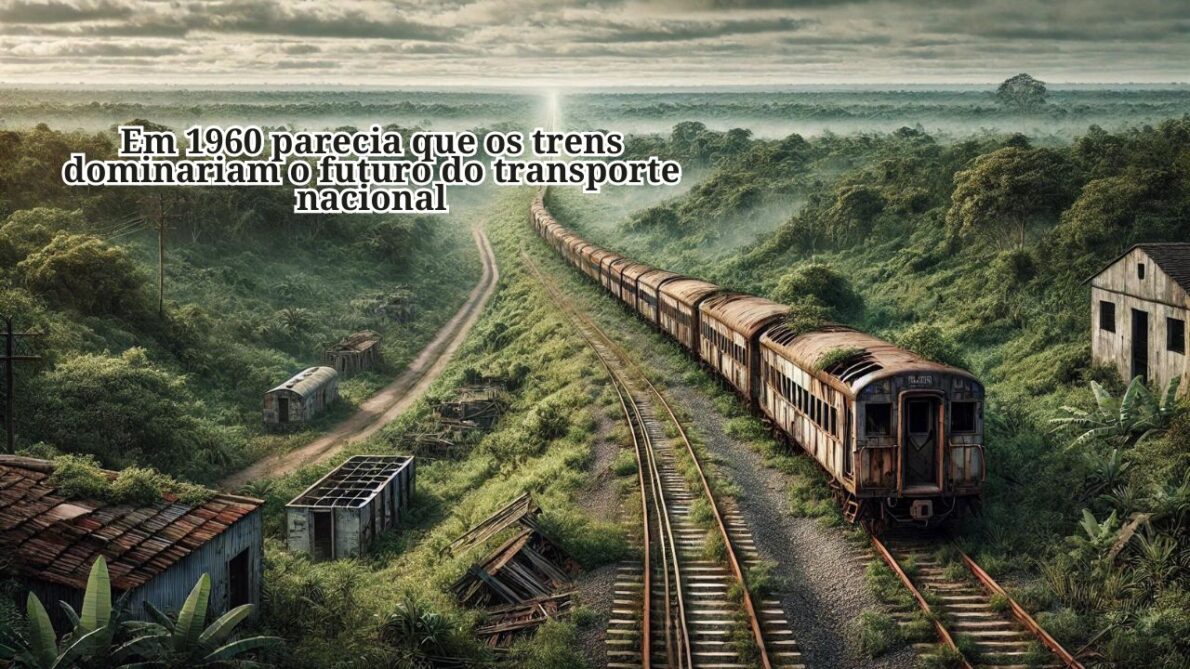
Around 1960, the tracks of Brazilian railways reached their peak, with thousands of kilometers spread across the country. It seemed that trains would dominate the future of national transportation, but believe it or not, the fate of our railways resembles more of an action movie without a happy ending. Today, about one-third of the railway network is practically abandoned. But what actually happened to Brazilian railways?
The Stagnation of Brazilian Railways
Brazil, with its 8.5 million square kilometers, faces the constant challenge of maintaining an adequate railway network. The Brazilian railways, which could be the solution for transporting large loads and aiding urban mobility, have been neglected. Despite their efficiency and lower environmental impact, today, less than a quarter of national production is transported by rail. Most railways are corroded by time and lack proper maintenance, mainly because the focus has always been on highways.
The lack of continuous investment has caused the country to rely heavily on road transport, a more expensive and polluting alternative. To give you an idea, the passenger railway system is almost non-existent outside major cities like São Paulo and Rio de Janeiro, and even in these regions, train lines are far from meeting the demand. With only 21.5% of national transport carried out by railways, the outdated infrastructure and overcrowded trains during peak hours illustrate the situation well.
-
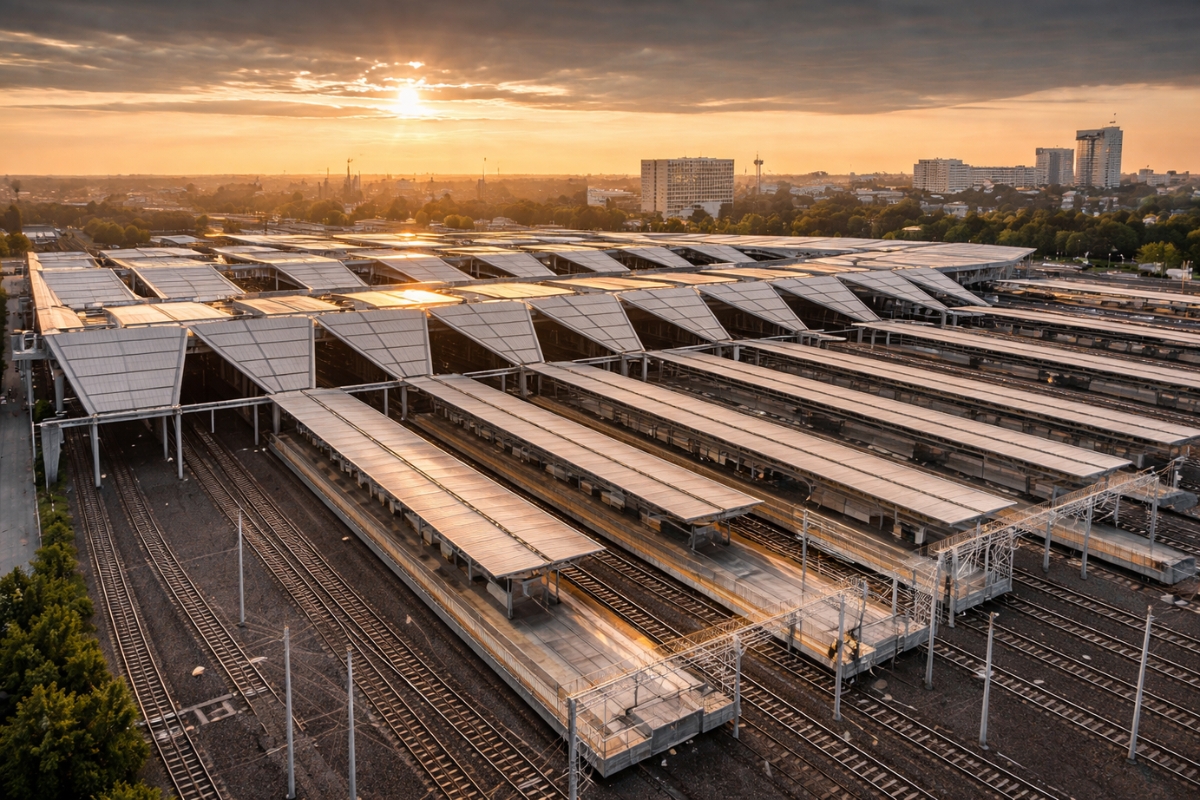
In A European City, The Country’s Largest Railway Junction Was Modernized Without Closing Its Doors, Kept Trains Running During Years Of Construction, Now Serves Up To 60,000 Passengers Per Day, And Installed Solar Panels That Generate About 30% Of Its Energy
-
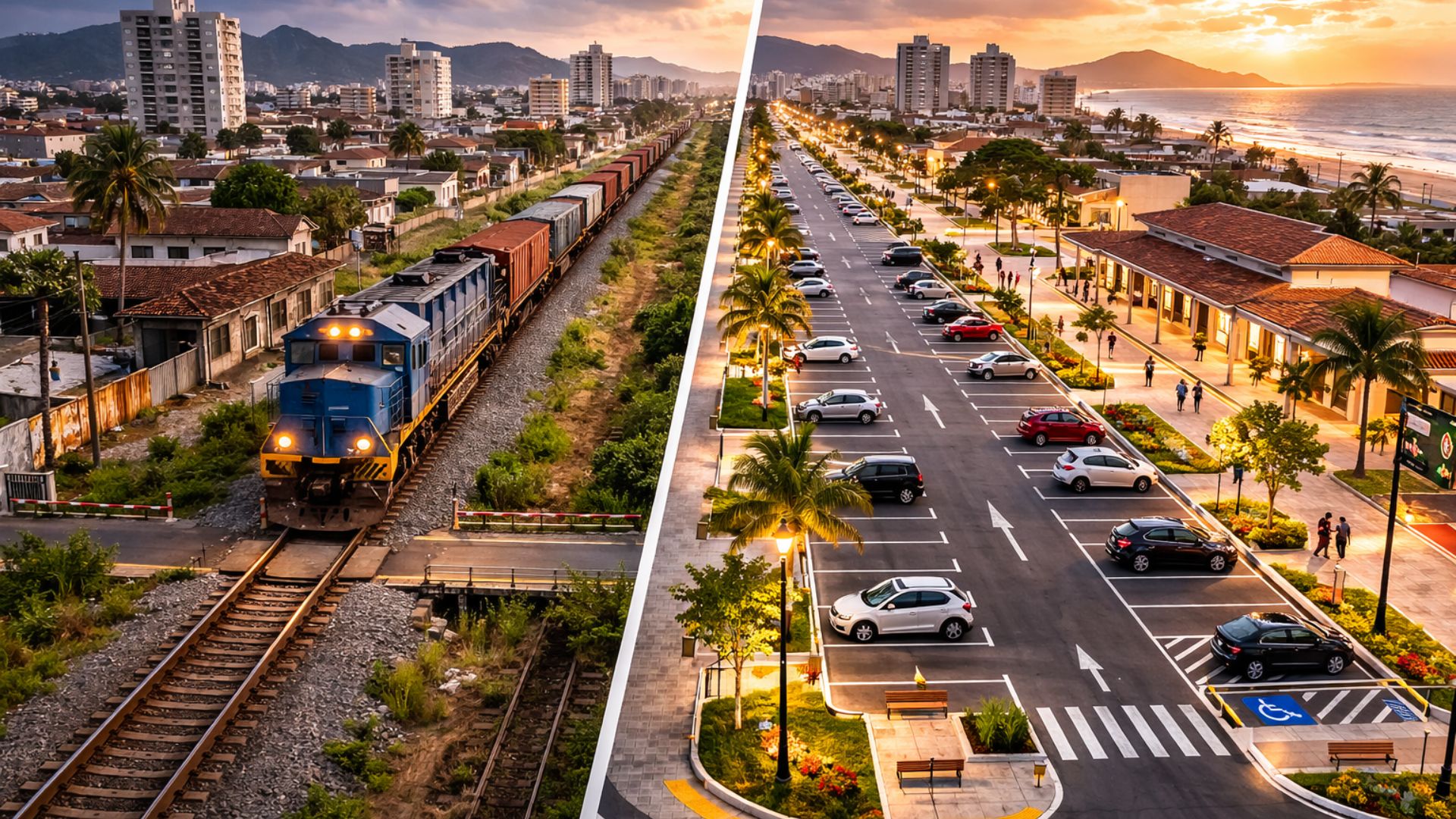
Famous Brazilian Railway May Become a Parking Lot
-
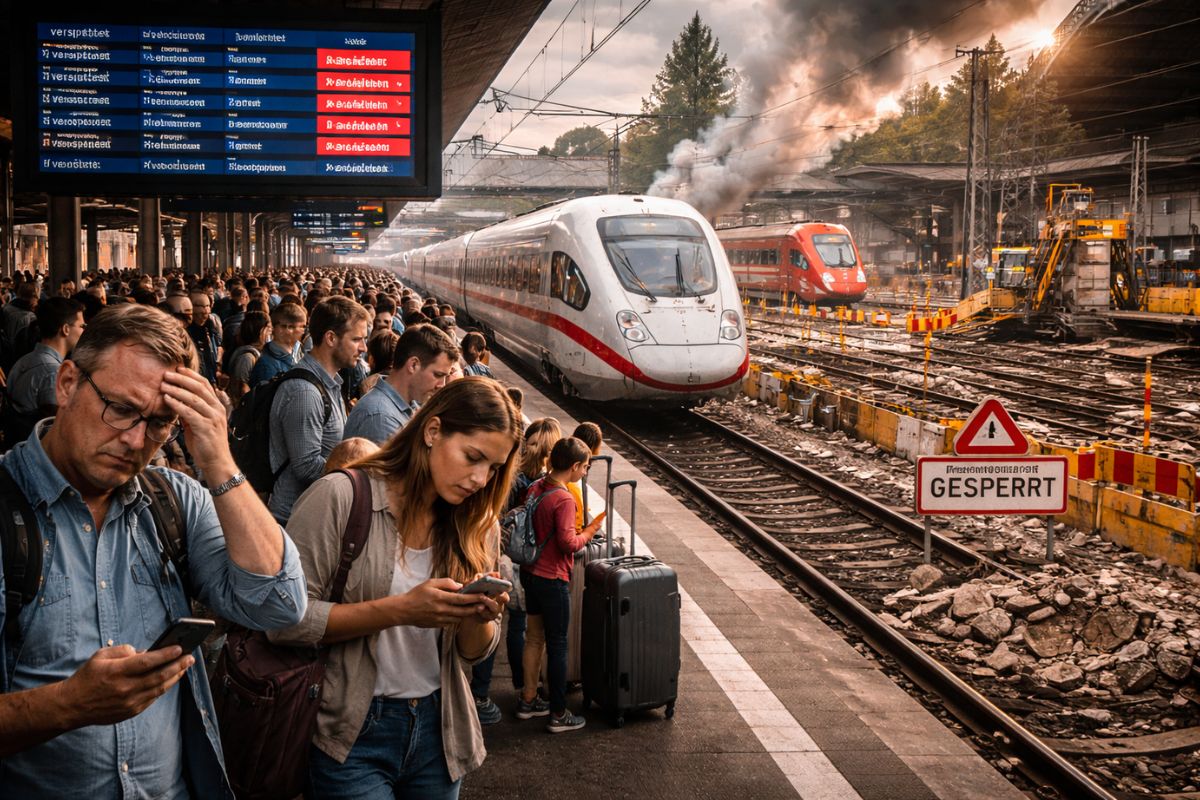
The Country of “Punctual As a Train” Admits It Has Lost Control: High-Speed Trains Delay, Stop, Disappear from the Map and Turn 6-Hour Trips into 10, While Deutsche Bahn Promises Restructuring in 2026 But Faces 19th Century Infrastructure, Staff Shortages and Sections Closed for Months
-
With an Investment of R$ 700 Million in One of the Country’s Main Rail Networks, VLI Reinforces Infrastructure, Receives 8 New Locomotives, and Expands the Corridor Connecting 7 States, Boosting Jobs and the Transportation of Grains, Ore, and Oil Products to the Port of Santos

The Decline and Abandonment of Brazilian Railways
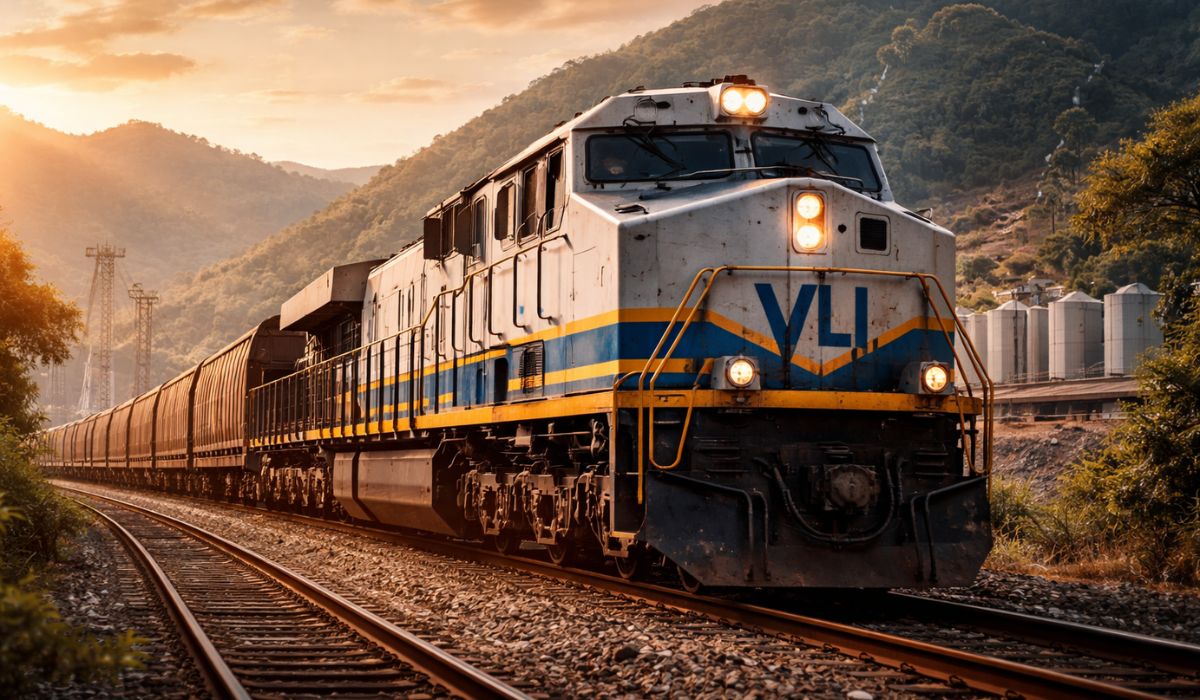
Brazil experienced its golden age of railways until the 1950s, when the country’s railway network reached approximately 30,000 kilometers in length. However, starting in 1960, the government and investors began to shift focus. Industrialization, driven by the expansion of highways, made trains less profitable. While the road sector grew rapidly, the railway sector stagnated. Today, part of the Brazilian railways remains idle, and the lack of an efficient integration policy between transport modalities only worsens the problem.
Dependence on road transport brings both economic and environmental losses. With only 12% of highways paved, Brazil faces constant congestion and high maintenance costs. While railway transport can be up to 20% cheaper for long distances, the country still bets on highways for the transportation of production.
Why Don’t They Advance?
The lack of progress in Brazilian railways is directly linked to the lack of investment. While countries like Russia use trains to transport up to 88% of their goods, Brazil barely manages to reach 25%. The railway network has not expanded significantly since the government of Juscelino Kubitschek, who prioritized highway construction and the development of the automobile industry.
Despite this, in recent years, the railway transport of cargo has shown signs of growth, driven by the export of soybeans and iron ore. In 2016, railway transport reached a record of 503 million tons carried, representing an increase of nearly 30% compared to the previous decade. However, this growth is still not enough to transform Brazil into a country with an efficient railway network.
The Future of Brazilian Railways


For Brazilian railways to regain prominence, massive investment in infrastructure is necessary, especially in modernizing and electrifying the tracks. Integration between road and rail modalities is essential to ensure that the transportation of cargo and passengers becomes more efficient. The use of rail can help reduce carbon emissions, decrease congestion, and improve Brazil’s competitiveness in the global market.
So, can the tracks save Brazil? The answer may lie in the coming years as the country decides whether to continue prioritizing highways or finally give a second chance to its forgotten railways.








Seja o primeiro a reagir!