





 Portuguese
  English
  Spanish
  3 min of reading
  0 comments


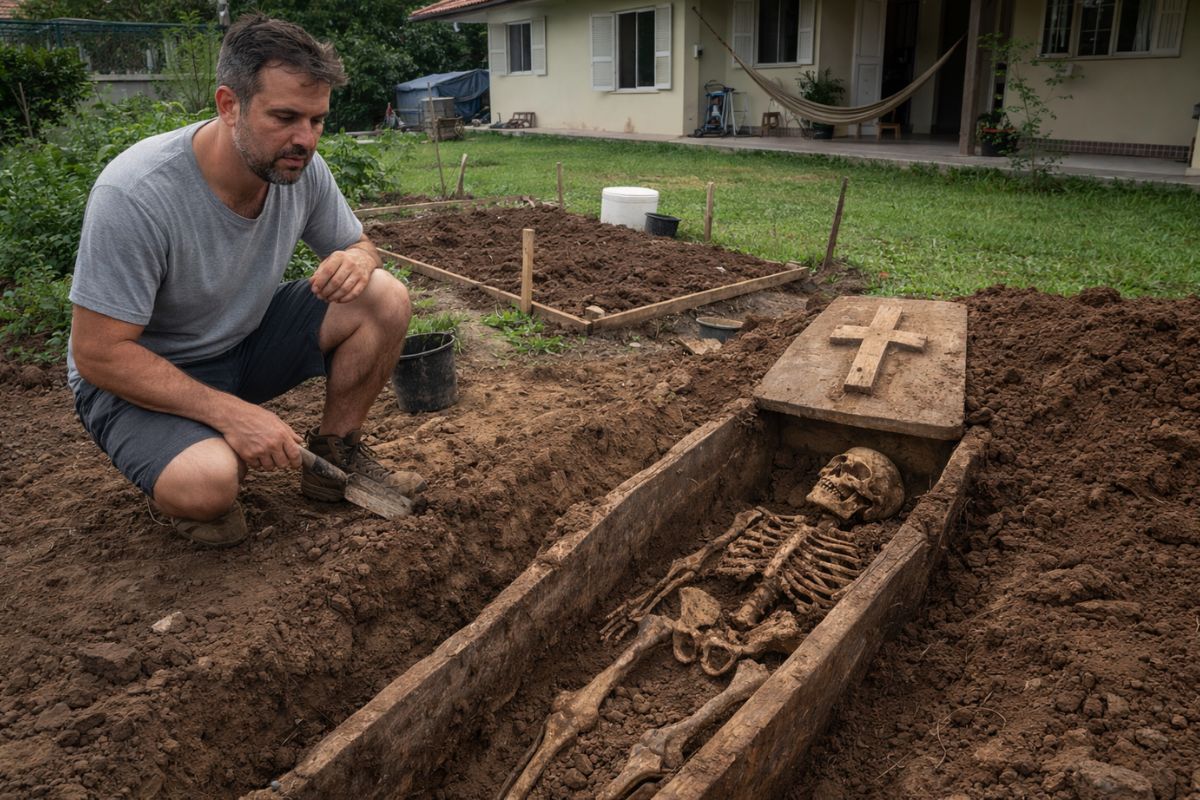
Gilmar Ribeiro discovered the coffin on Wednesday (8) in Três Barras, on the Northern Coast of Santa Catarina. The Civil Police opened the coffin, confirmed that there were human remains of an adult, and collected material for DNA analysis. His wife recorded a video showing her husband sunbathing next to the area isolated by the police
Imagine the scene. You have just moved into a new house. It has been a week. The yard has good soil. You decide to make a little garden. You grab the hoe, start digging. And you find a coffin.
It’s not a movie. It’s not a horror series. It’s what happened to Gilmar Ribeiro, a resident of Três Barras, on the Northern Coast of Santa Catarina, last Wednesday, April 8, 2026.
The coffin was handmade. It had a cross fixed on the lid. And when the Civil Police arrived and opened it, they confirmed what no one wanted to hear: there was a human skeleton inside. Apparently of an adult.
-
Russian engineer surprises the world by presenting a gravitational motor invention with a rotor registered in 2026, capable of generating continuous rotation without fuel.

-
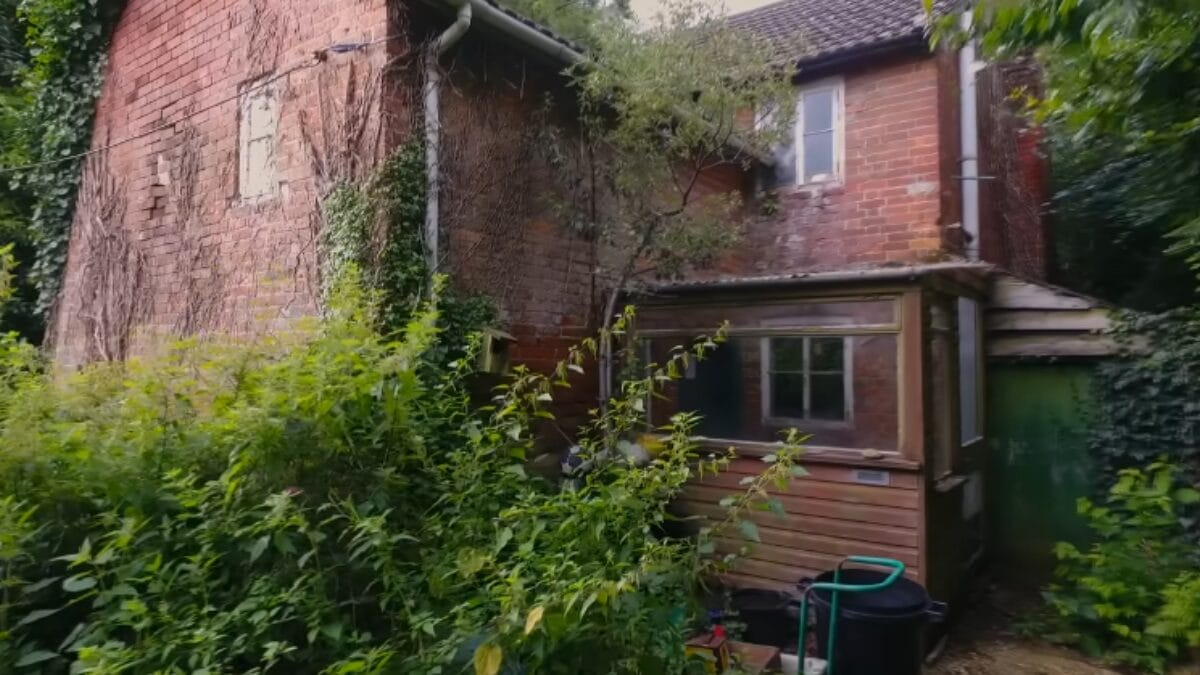
Abandoned 100-year-old house that was being engulfed by vegetation undergoes a 14-month renovation and has seen its value soar after the final result.
-
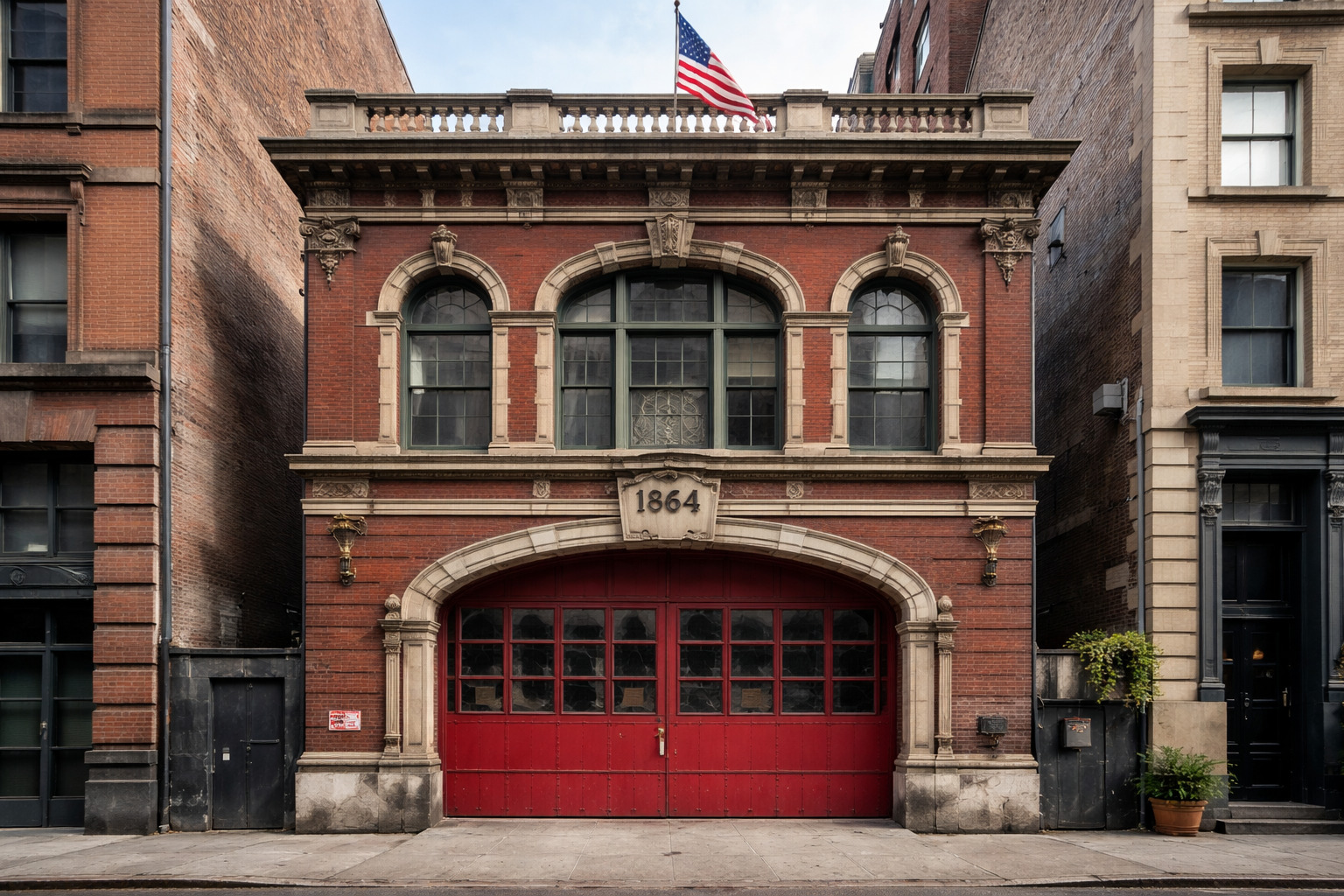
Incredible renovation transforms 1864 fire station into a 636 m² luxury apartment, preserves original staircase, features a 90 m² landscaped garden, and is now worth over R$ 100 million.
-
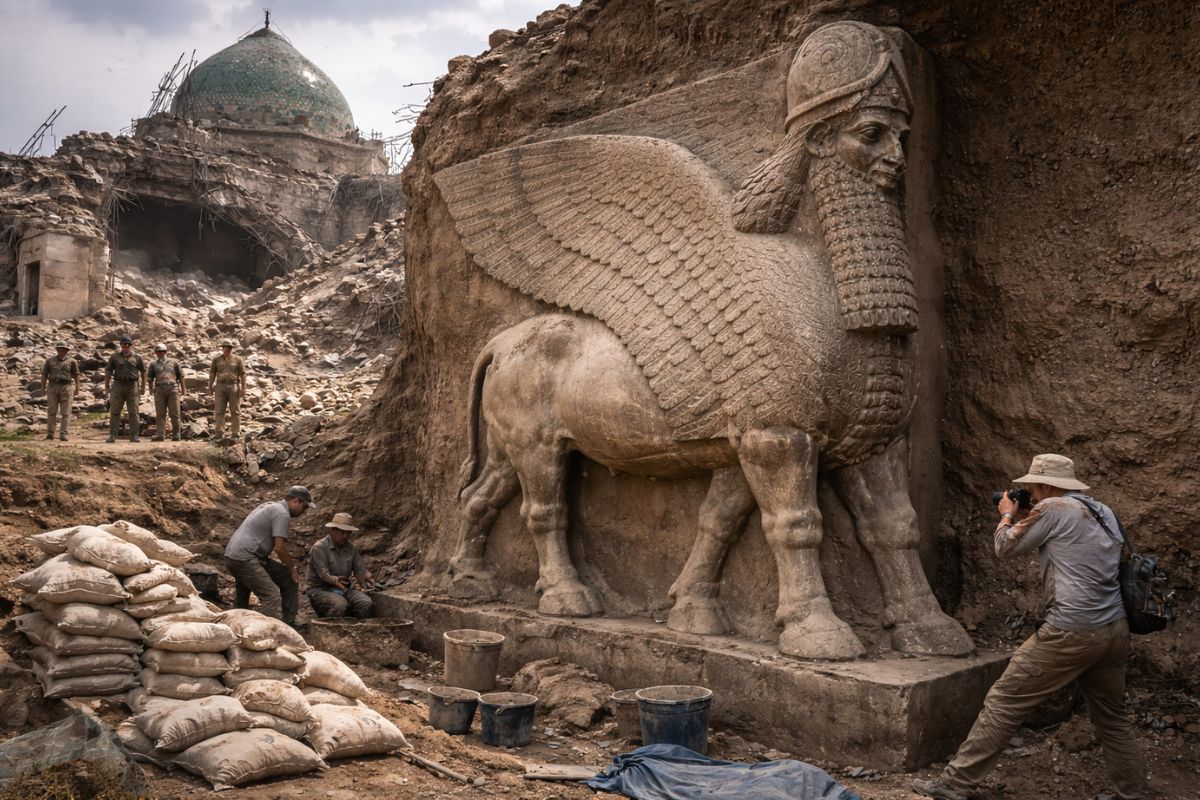
Archaeologists unearthed in Iraq the largest winged bull statue in history, a lamassu 6 meters tall with the body of a bull, eagle wings, and a human head that guarded the throne room of one of the most powerful kings of the ancient world, and the piece was only found because the Islamic State destroyed the mosque that had hidden the palace for over a thousand years.
What the police found
The police isolated the area of the yard and collected the skeleton for forensic analysis and genetic material collection. The goal is to identify who the person buried there was and try to determine how long the remains had been in the location.
On Friday (10), the Civil Police team returned to the property to collect more evidence. There is no public information about suspects or the circumstances of the death. The investigation is ongoing.
What is known so far is that the coffin was not industrialized. It was made of wood, assembled in a handmade way, with a cross attached to the top. This suggests that the burial was done by someone who prepared the burial with some care, but outside of any cemetery or official record.
The resident who stayed
The part of the story that made the case go viral is not the coffin. It’s what Gilmar did afterward.
He stayed.
His wife, Sandra Francelino dos Santos, recorded a video on social media showing the area isolated by the police in the yard. In the video, Gilmar appears next to the isolation tape, sunbathing normally.
“Here is the isolated area where the corpse was found. My husband is still there working, enjoying his little sun, his vitamin D…”, narrated Sandra with good humor. And she added: “And let’s hope he doesn’t find another coffin, right love? And that life returns to normal.”
Sandra said that neighbors and internet users ask if they are scared and if they plan to move. The answer was no. The couple intends to stay in the house. The garden will probably have to wait.
Why this happens
Clandestine burials in backyards and lots are not as rare as they seem in Brazil. In rural and peri-urban areas, especially in past decades, it was relatively common for people to be buried on private properties, sometimes due to lack of access to cemeteries, sometimes for reasons that the police need to investigate.
Três Barras is a small town. It is located on the Northern Coast of Santa Catarina, between Joinville and São Francisco do Sul. The kind of place where properties change owners over the years without the complete history of the location accompanying the deed.
Gilmar bought the house without knowing what was beneath the soil. And now the Civil Police is trying to reconstruct a story that may have decades, starting with the analysis of the bones and the genetic material found inside a wooden coffin with a cross, buried in the yard of a house where a man just wanted to plant lettuce.
With information from Diário do Comércio and g1.







Seja o primeiro a reagir!