





 Portuguese
  English
  Spanish
 4 min of reading
  0 comments


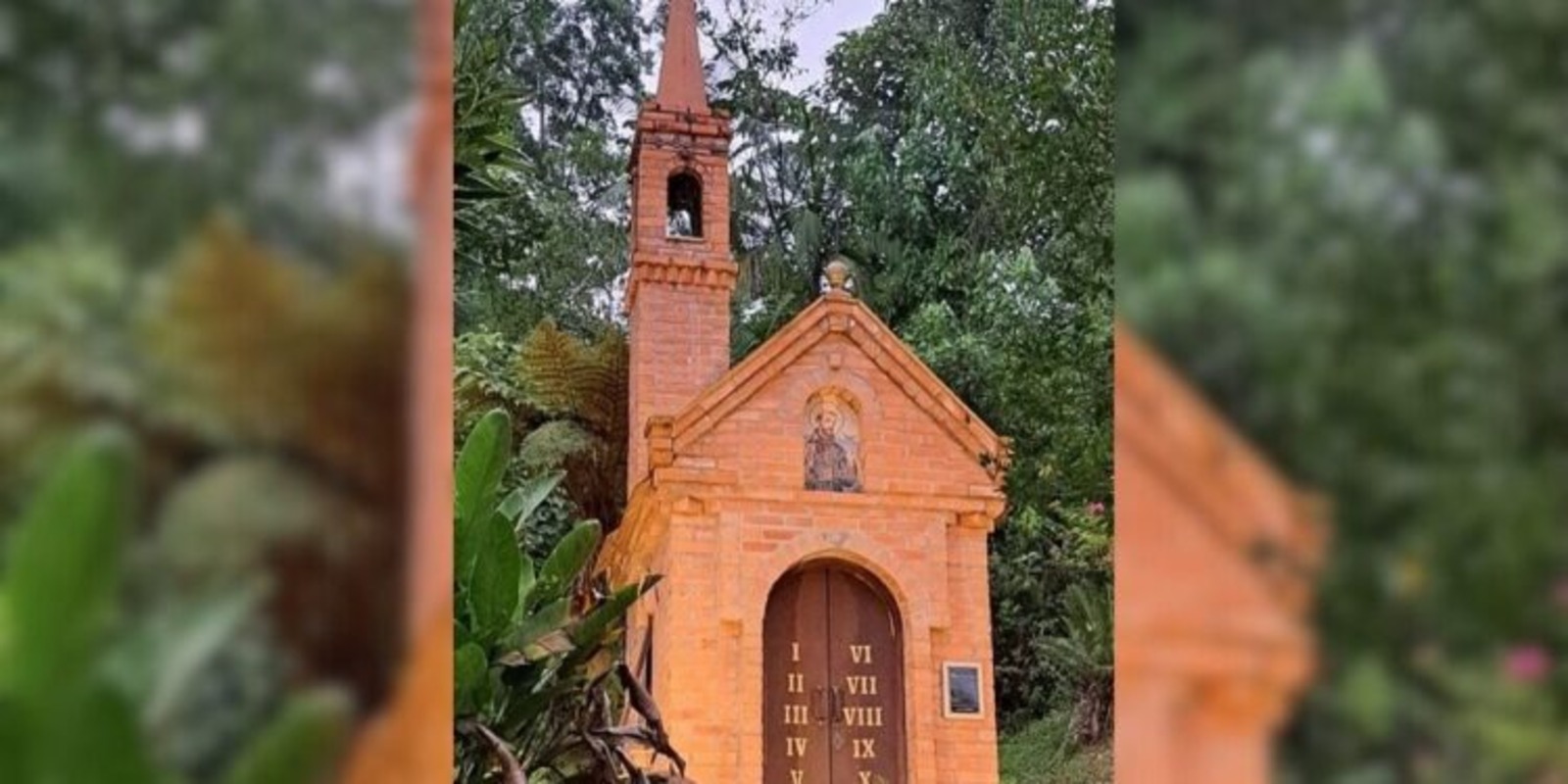
Built In Two Years, The Smallest Church In Latin America Is Only Four Square Meters And Houses Paintings, Sculptures, And Artistic Mosaics
A small temple dedicated to Saint Francis of Assisi draws attention for its size. Located in Aguaí Eco Sanctuary, in Siderópolis, in the South of Santa Catarina, it is considered the smallest church in Latin America.


Reduced Structure Full Of Details Of The Church
Inaugurated on November 15, 2019, the building has only four square meters. The space is so small that it accommodates a maximum of three people at a time. It took two years to complete the work.
Despite its size, the chapel features artistic details. The project originated from an idea by the artist Nicola Gava.
-
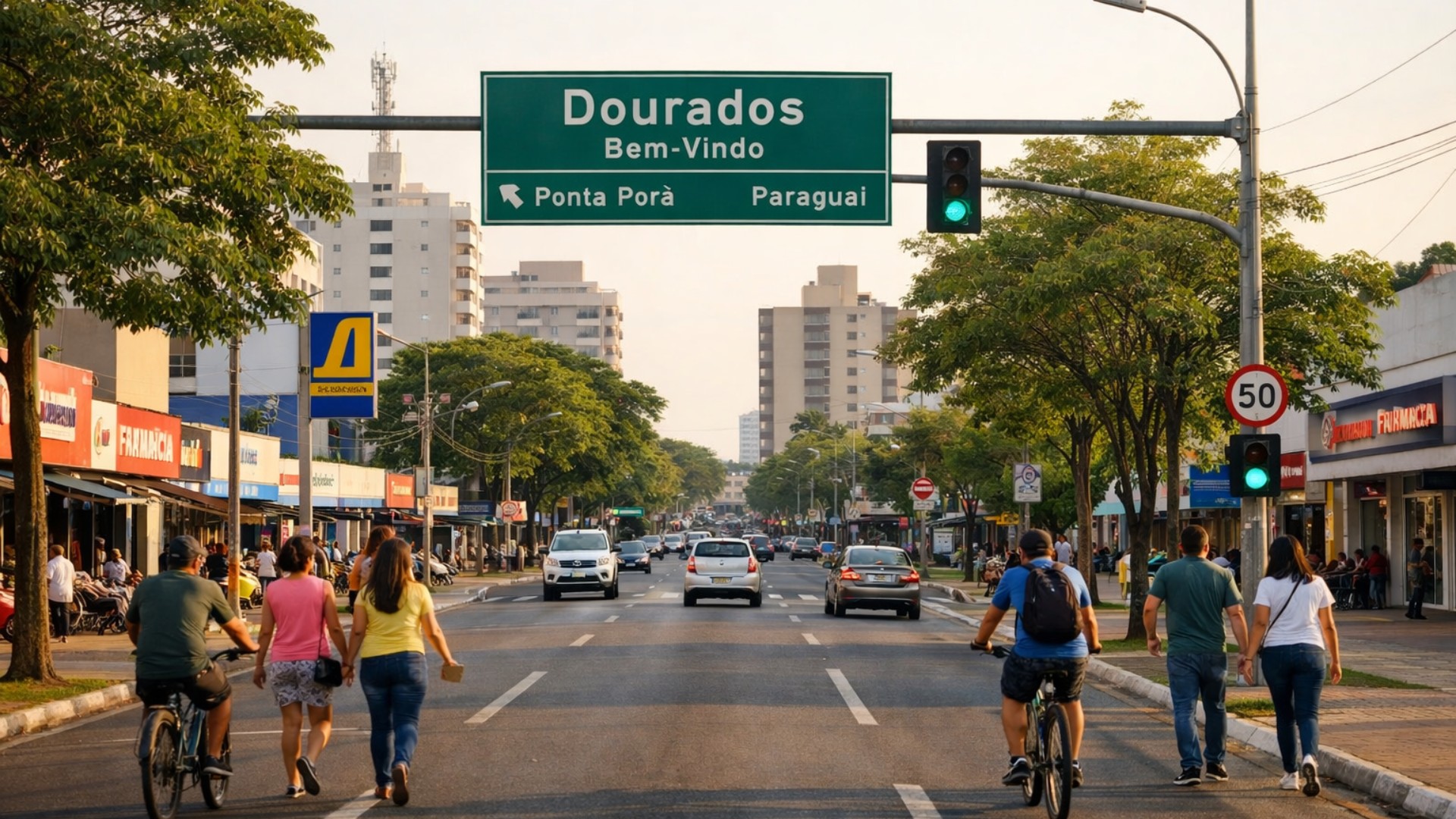
Brazilian city neighboring Paraguay becomes a ‘magnet’ for people seeking quality of life and high standards with exceptional growth and commutes of up to 15 minutes.
-
A rare storm transformed part of the Gulf into an unlikely scene of hail, extreme rain, and tornado risk in the middle of the desert, with volumes that exceeded the annual average in a single day.

-
Brazil catches the world’s attention with ships powered by ethanol and biodiesel that have lower emissions, an unprecedented certification with advantages in chartering, and a revolution in cabotage.

-
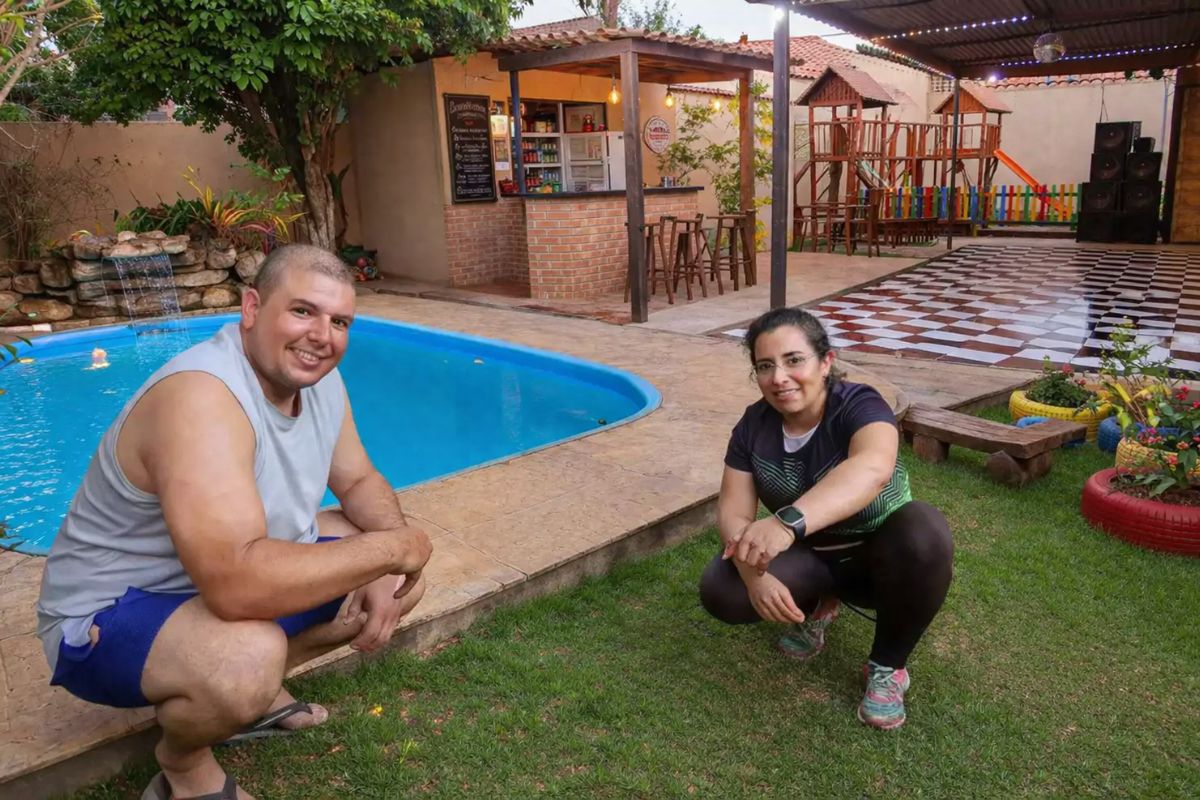
A couple who only has Sundays free has built a hand-dug pool, a hamburger joint, a dance hall, and a playground in their own home without hiring a mason, and even with breaks due to accidents and the pandemic, the work has never truly stopped.

Inside, the paintings were done by the artist Caturra. On the outside, the mosaic on the façade was created by Sérgio Honorato.
In addition, two sculptures by artist Galante from Criciúma complete the space. Many decorative objects were donated by companies, such as the bell, the flooring, and other sculptures.
Religiosity And Symbolism In The Space
According to the sanctuary’s owner, Albertino Ferreira, known as Beto, the church is already a reason for requests from believers and tourists. According to him, some people report receiving blessings after visiting the site.
The choice of land also had a special meaning. The temple was built near a fig tree and some olive trees.
During the cleaning of the area, spring water and natural stones emerged, which helped create an even more welcoming environment.
“Our region is known for fig trees, not for olive trees. So, when I discovered water and such beautiful stones, I realized it would be the perfect place“, Beto said.
Visitation Open To The Public
The Aguaí Eco Sanctuary is located on Rodovia Municipal Agostinho Tomasi, São Pedro neighborhood. To visit, tickets cost R$ 40 for adults and R$ 20 for children aged 4 to 11 years and seniors.
It operates from Wednesday to Friday, from 10 am to 6 pm, and on weekends, from 10 am to 6:30 pm. More information can be obtained by phone at (48) 99904-1006.
With information from NSC Total.
Interested In Curiosities? Heritage Of Italian Immigration: Small Town In SC Preserves For 134 Years The Only Set Of Stone Houses In Latin America
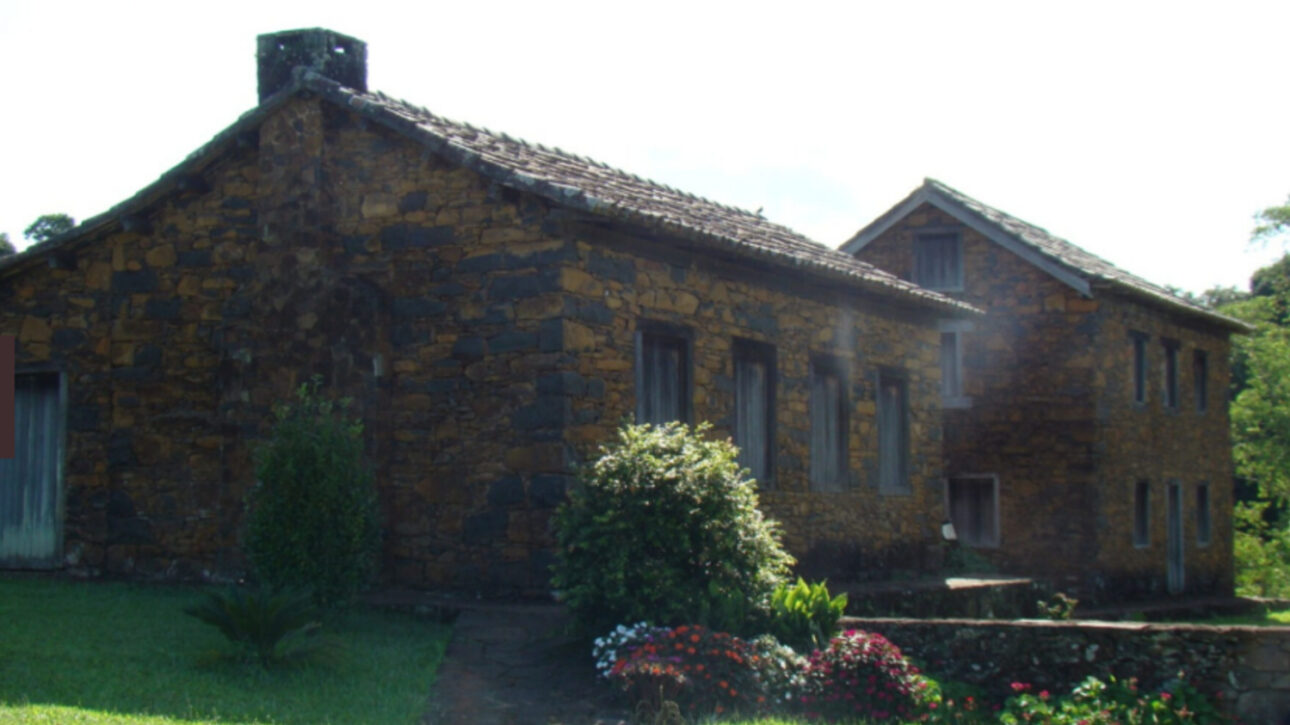
In the heart of Nova Veneza, in southern Santa Catarina, three stone buildings withstand the test of time and enchant visitors. Built in 1891, the Stone Houses preserve the memory of Italian immigration and remain part of the state and national historical heritage.
The Origin Of The Buildings
The person responsible for the works was Luiz Bratti, great-grandfather of Tito Bortolotto and great-great-grandfather of Luana Bortolotto. Known as a builder, he worked on various public works, including roads and bridges.
As payment for services to the government, he received a plot of land in the rural area of Nova Veneza.
The challenge was significant because the land was not fertile and was covered with stones. The solution found was to use this material, along with clay, to build the houses.
Fourteen Years Of Work
The construction took 14 years to complete. Bratti and his family divided their time between daily work, which ensured their livelihood, and nights when they dedicated themselves to raising the stone walls.
Each of the houses had a defined function. The first served as a stable, the second combined the kitchen and dining room, while the third housed the bedrooms.
Family Memories
According to Luana, her grandmother reported that the residents felt ashamed to live in the stone houses. “My great-grandfather was sad about it and said that in the future, they would have a story to tell,” she reminisced.
Today, this prediction has come true. The place has become a historical and cultural reference.
Restoration And Preservation Of The Stone Houses
The buildings underwent restoration in 2002. Since then, they have been furnished and maintain the style of the time.
Not all the furniture is original, but many were donated by families in the region to make the environment more faithful to the past.
In addition, the preservation work ensures that the Stone Houses continue to be open to the public, reinforcing their importance in regional tourism.
Visitation Open To The Public
The Stone Houses belong to Tito Bortolotto and his brothers. Although they are privately owned, they are open for visitation. Access is allowed on Saturdays, Sundays, and holidays, from 1 pm to 5 pm.
Admission is R$ 10 per person, a fee that helps maintain the space.
Pride And Legacy Of The Stone Houses
“It’s an enormous pride to know that whenever they talk about tourism in Santa Catarina, our family is present in this story,” Luana stated.
The Stone Houses remain steadfast as witnesses to the effort and perseverance of the immigrants who helped build southern Santa Catarina.








-

-

-

-

-

-

92 pessoas reagiram a isso.