





 Portuguese
  English
  Spanish
  4 min of reading
  0 comments


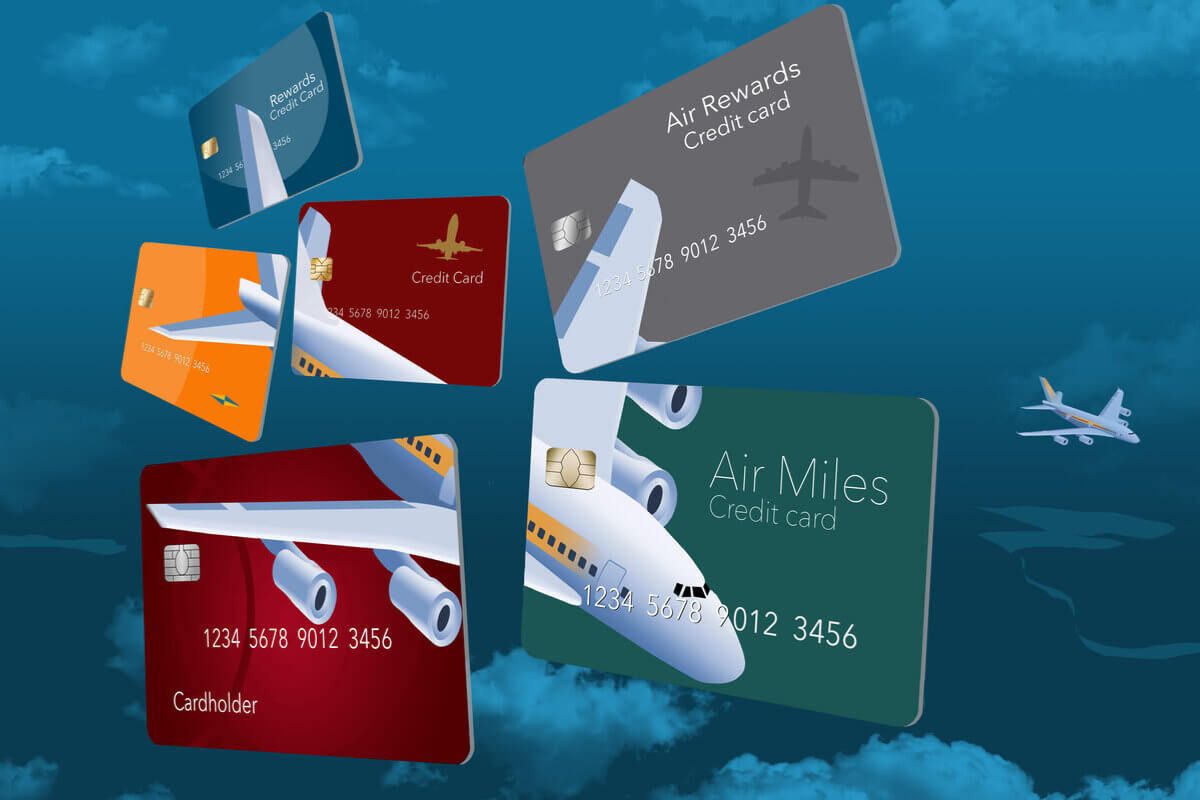
Understand How Brazilians Are Using Credit Card Points and Transfer Strategies to Transform Everyday Expenses into Luxury Experiences, Surpassing the Passive Model of Banks.
The promise of traveling first class and staying in luxury hotels for almost nothing seems like a distant dream, but for a growing number of Brazilians, this is a reality built with strategy and knowledge. The secret is deciphering the universe of credit card points and airline miles.
<pContrary to what many think, this “gold mine” is not accessible only to those who spend fortunes on their cards. The secret is not in spending, but in a mindset shift: stop being a passive accumulator and become an active “manufacturer” of points, turning the complex loyalty system into a tool for extraordinary travel.
The Error of 99% of People: The Difference Between “Accumulating” and “Manufacturing” Points
Frustration is a common feeling for those starting in the world of miles. The person concentrates their spending on a good card, such as the BRB DUX, which can yield 5 points per dollar, but by the end of the year, the balance is insufficient for a significant trip. This happens because the passive approach of merely accumulating points from spending is ineffective.
-
Inside an active volcano in Africa, residents use volcanic rocks to build houses in an impressive setting.

-
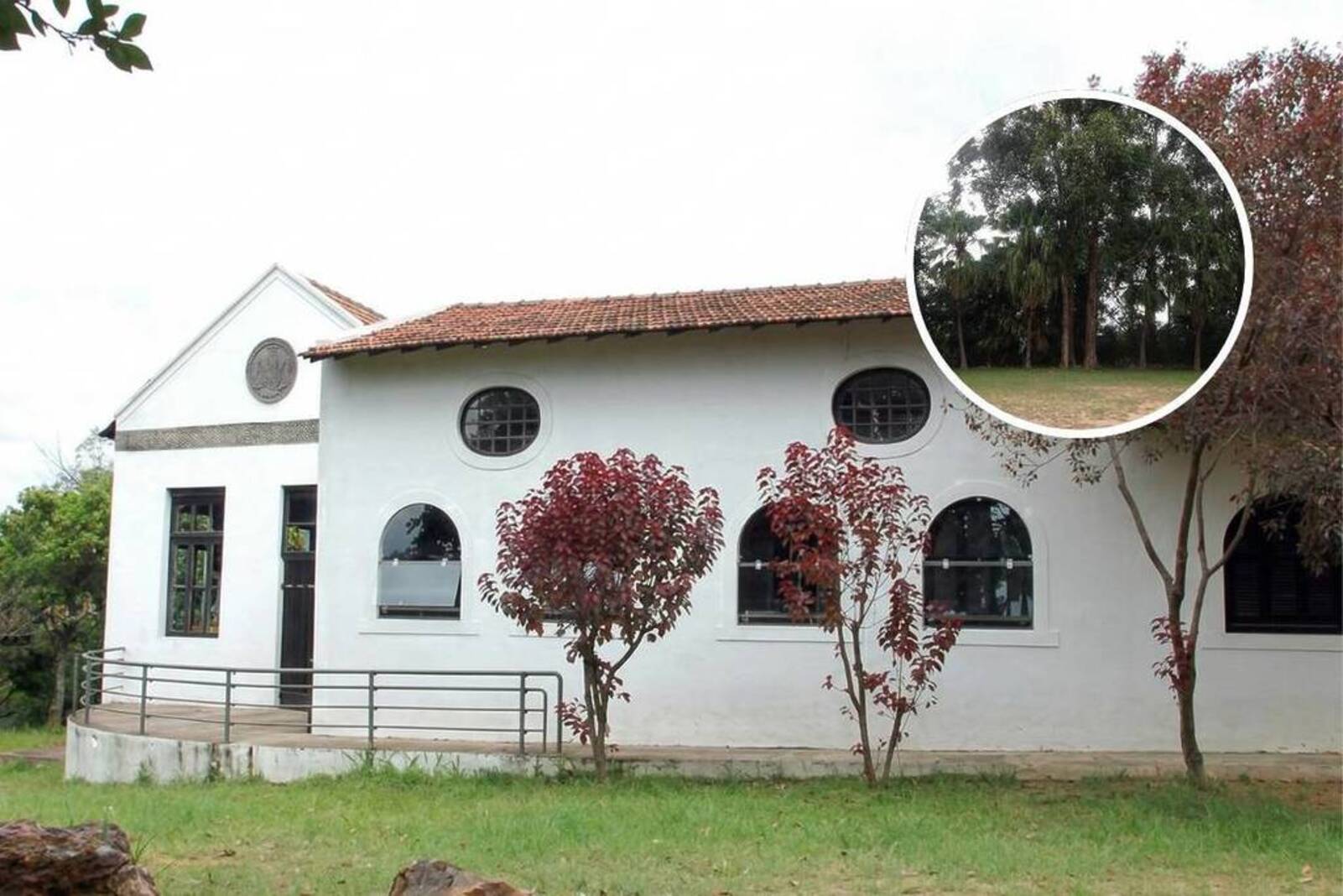
After 14 years of waiting, a rammed earth mansion built in 1702 in the North Zone of São Paulo will become a park with leisure facilities and green areas, with a million-dollar investment.
-
With 2 unfinished nuclear reactors, up to 25 billion in costs, and proven fraud, the Nukegate case has left 800,000 consumers still paying today for energy that will never be produced.

-
Larger than entire cities in Brazil: BYD is building a 4.6 km² complex in Bahia with a capacity for 600,000 vehicles per year, but the discovery of 163 workers in conditions analogous to slavery has shaken the entire project.


The true “gold mine” is accessed by those who understand that credit card points are not a bonus, but a financial asset. The goal is to “manufacture” these points at the lowest possible cost, to later exchange them for products or services of much higher value, such as a first-class ticket.
Understanding the Programs of Banks, Airlines, and Hotels
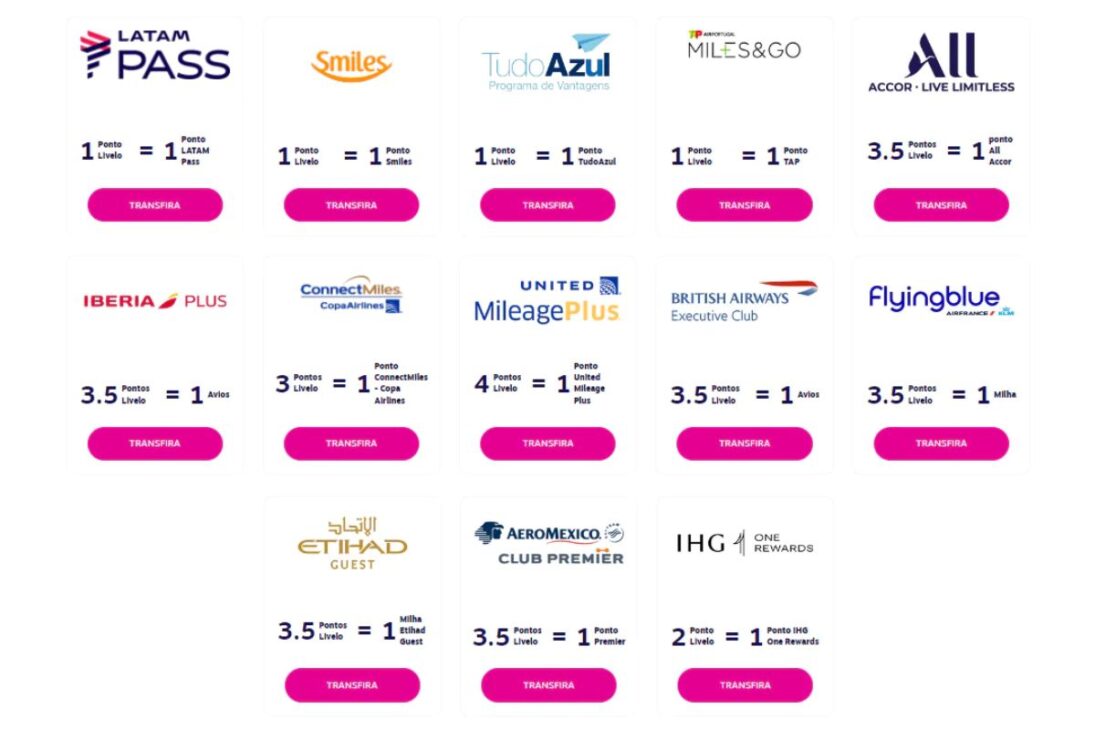
The Brazilian loyalty market operates on three pillars that interact with each other.
Bank Programs (Livelo and Esfera): are the major “factories” of points. Anyone can register for free and accumulate points through purchases in partner stores. The advantage is flexibility, as these points can be transferred to various airlines.
Airline Programs (Smiles, LATAM Pass, Azul Fidelidade): are the “stores” where points, once transferred, become miles and can be exchanged for airline tickets. Each program has its own partner airlines and benefits.
Hotel Programs (Marriott, Hilton, Accor): are the final piece for the complete luxury experience, allowing the use of points to stay in high-end hotels worldwide.
How to “Manufacture” Credit Card Points: The 4 Main Strategies
To generate a large volume of points at a low cost, experts combine four main strategies.
The Right Credit Card: the best card is not the one that earns the most points, but the one that offers the best benefits. The Azul Itaú Visa Infinite card, for example, grants the “Companion Pass,” a free ticket for a companion upon reaching goals, which alone can be worth more than any points earned.
Bonus Purchases: this is the most powerful way to accumulate. Instead of buying directly on a website, you access the store through the loyalty program’s portal (Livelo, Smiles, etc.). During promotions, it’s possible to earn 10, 15, or more points for each real spent, generating tens of thousands of points in a single purchase.
Subscription Clubs: subscribing to the clubs of the programs (Smiles Club, Livelo Club, etc.) is a way to buy miles at a fixed and advantageous price, in addition to having access to better transfer promotion offers.
Transfers with Bonuses: this is the key to the strategy. The approach involves accumulating points in bank programs and waiting for a promotion to transfer them to airline programs with bonuses. A transfer with a 100% bonus doubles your points, halving the cost of generating your miles.
Transforming Points into First-Class Tickets
The pinnacle of the strategy is using “manufactured” points to issue tickets in luxury cabins. The biggest challenge is finding availability for award seats, which are released for redemption with miles.
To do this, experts use online tools and the websites of partner companies to find flights. With the right strategy, it’s possible, for example, to issue a ticket in first class on Qatar Airways or Japan Airlines, experiences that would cost over R$ 26,000 or R$ 60,000 in cash, using a quantity of miles that, if “manufactured” correctly, had a very low cost.
The Risks of Devaluation and Hidden Costs


The world of credit card points is not free from risks. The main one is devaluation. Miles are not money in a savings account; companies can change the rules and increase the number of points required for redemption at any moment, reducing the value of your balance.
Additionally, a trip with miles is never 100% free. Taxes and other fees are always paid in cash. Another major danger is the parallel market for selling miles. This practice is prohibited by most programs and can lead to the cancellation of your account and the loss of all your points, as was made clear in the 123 Milhas scandal. The golden rule is: accumulate with a purpose and use your points to travel.





-

-

-

-

9 pessoas reagiram a isso.