





 Português
  Inglês
  Espanhol
  3 min de leitura
  0 comentários


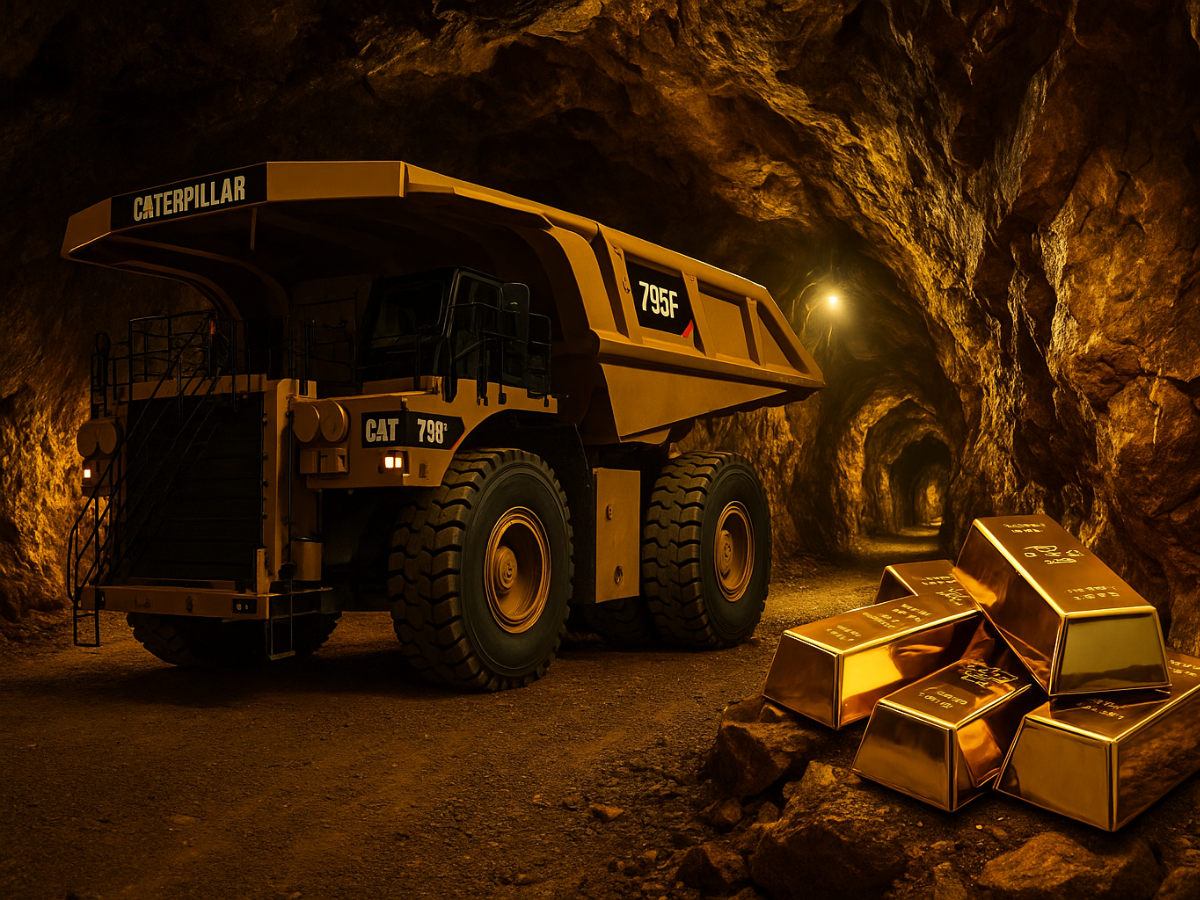
At 4 km Deep in South Africa, Mponeng Is the Deepest Mine on Earth. Discover the Engineering, the Dangers, and the Incredible Discoveries of This Gold Mining Giant
In the Gauteng province of South Africa, the Mponeng gold mine represents one of the greatest feats and challenges of human engineering. With a depth exceeding 4 kilometers below the surface, it holds the title of the deepest mine on Earth. In this extreme environment, the rock temperature reaches 66°C, and the search for gold requires a constant battle against the forces of nature.
We analyze the engineering required to operate at such depths, the dangers faced by miners, and the surprising forms of life discovered in this hostile environment.
What Is Mponeng and Why Is It the Deepest Mine on Earth?
The Mponeng gold mine is located in the Witwatersrand Basin, which hosts the largest gold deposit on the planet. Commissioned in 1987, its operations extend over 4 kilometers (2.5 miles) below ground level, a depth that solidifies its status as the deepest mine in the world.
-
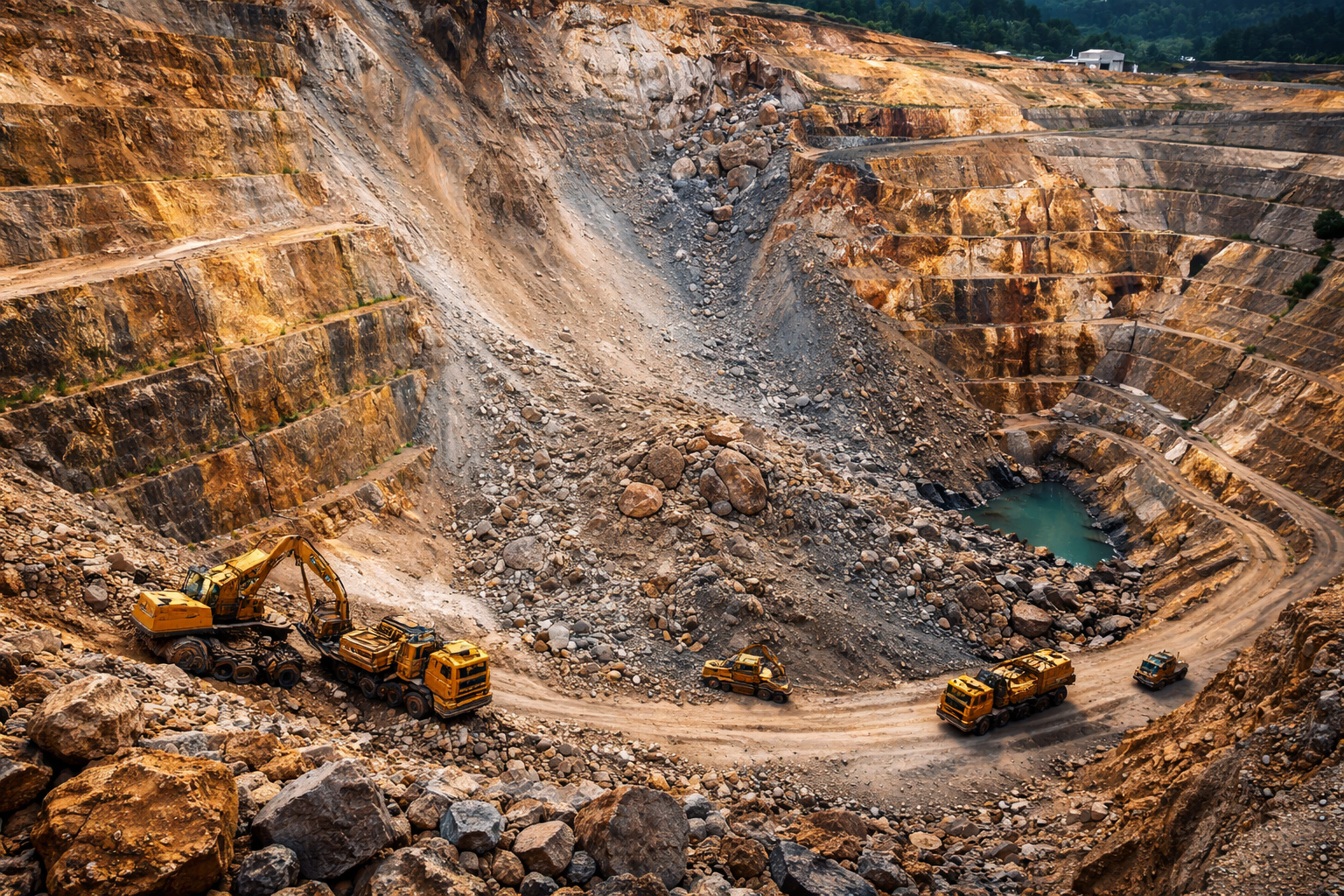
Brazil extracts 26.3 million tons of ore from what was previously treated as waste, transforming residues into wealth, producing over 3 million tons of sand, and demonstrating how national mining is relearning to generate value.

-
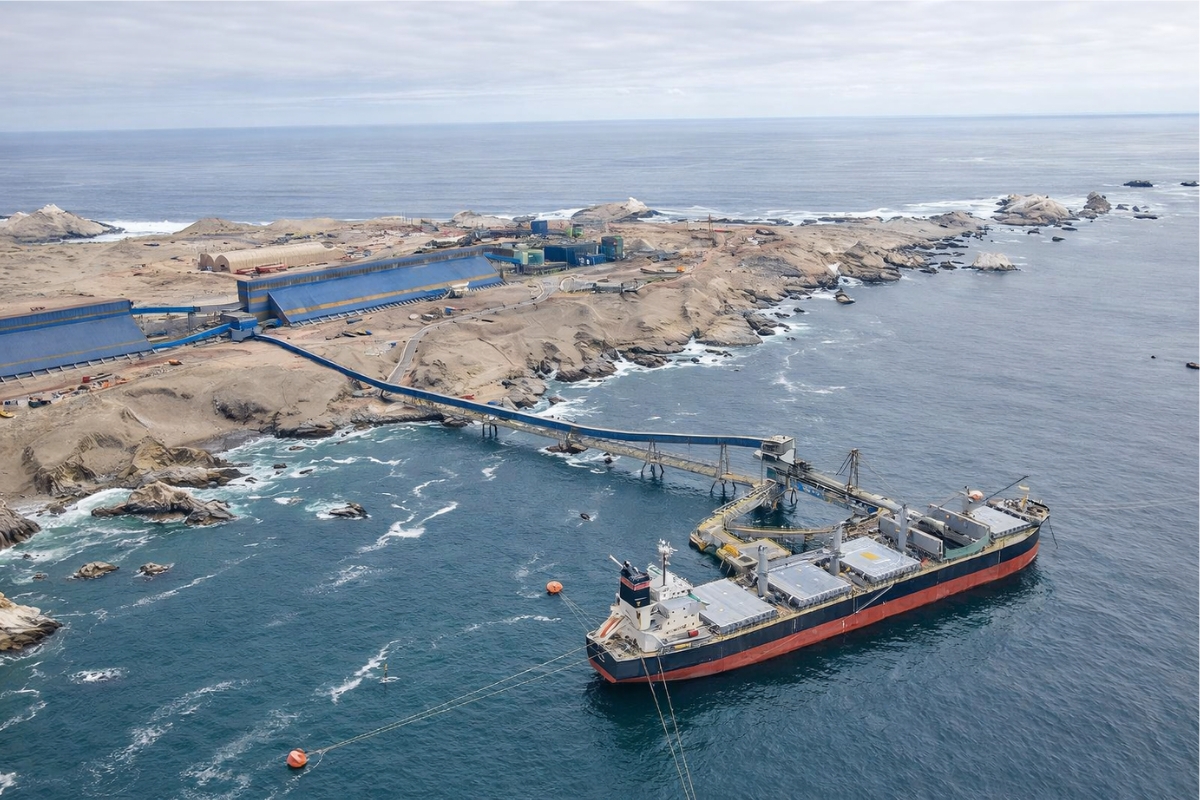
A $3.5 billion megaproject in Latin America pumps desalinated seawater at 1,050 liters per second over 194 km to keep a copper supermine in the Andes operational for another 20 years.
-
A hidden mine in the Andes valued at nearly R$ 1 trillion is starting to attract global attention, containing copper, gold, and silver, and raises an intriguing question: why do Argentina and Chile need to act together to exploit this gigantic wealth?
-
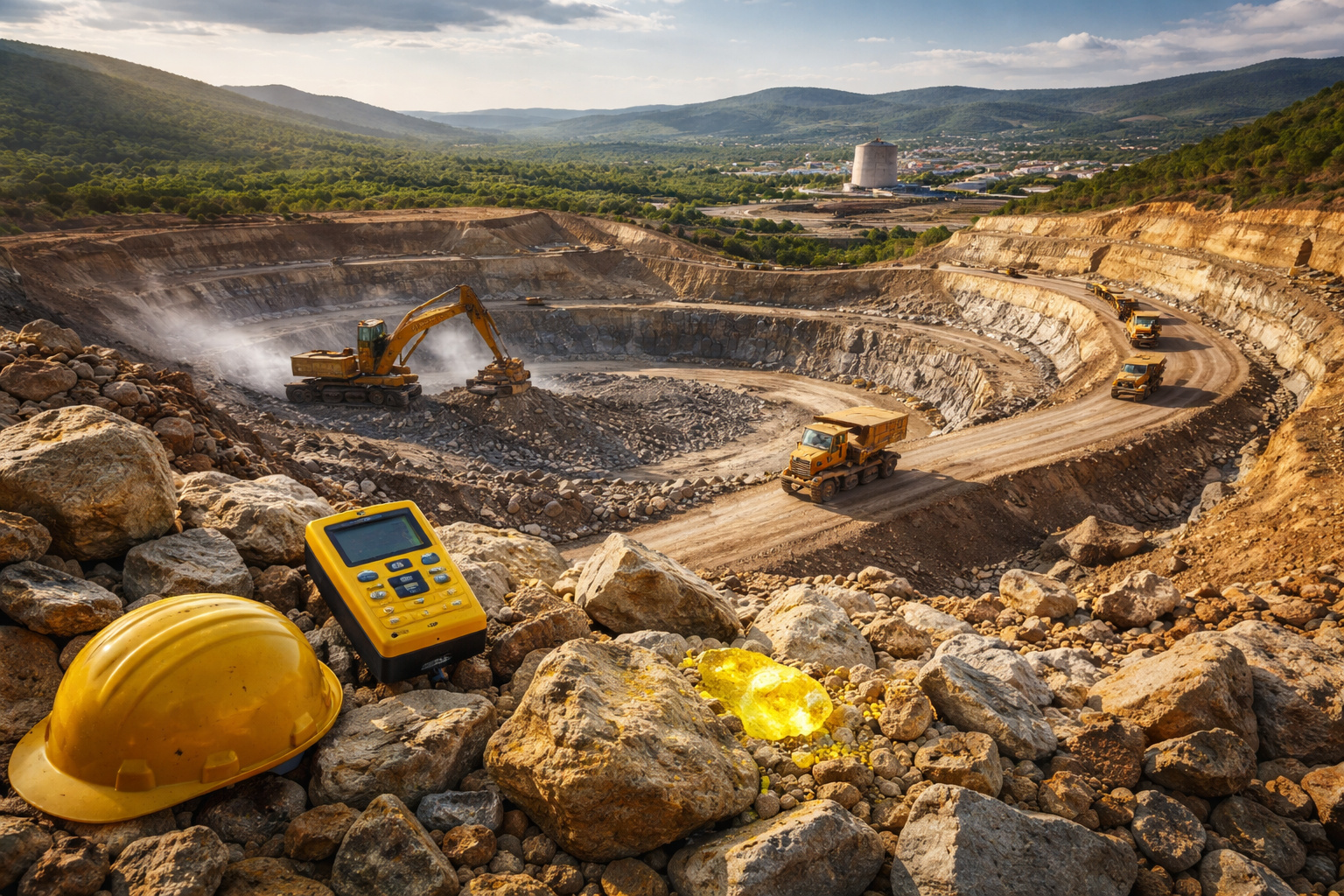
A silent discovery in the interior of Bahia could change the future of energy in Brazil: a uranium reserve in Lagoa Real has an estimated capacity to produce 400 tons per year and is already attracting the attention of energy sector specialists.
Originally operated by AngloGold Ashanti, Mponeng was acquired by Harmony Gold in 2020. The mine extracts gold from geological reefs that are 2.7 billion years old, such as the Ventersdorp Contact Reef (VCR), where the ore grade needs to be high to justify the costs of such a complex operation.
The 4 km Descent: What Is the Journey Like to the Planet’s Fiery Core?
The journey from the surface to the working face of the deepest mine on Earth takes over an hour. Approximately 4,000 miners descend in multi-stage elevators, known as “cages,” which can accommodate up to 120 people at a time.
After a vertical descent, the workers still traverse a vast network of tunnels, approximately 380 km long, to reach the excavation areas. The environment is complete darkness, broken only by the lights of helmets, and the constant noise of ventilation systems and heavy machinery.
Fighting Against the Heat of 66°C and Earth Tremors
Operating at 4 km depth requires extraordinary engineering solutions to combat a naturally hostile environment.
The Heat Challenge: the temperature of the virgin rock reaches 66°C. To make work possible, the mine utilizes a massive cooling system, pumping ice slurry underground. Daily, about 6,000 tons of ice are produced to cool the air in the tunnels below 30°C.
The Ground Shakes: rock removal at great depths induces seismic activity. Mponeng may record over 1,000 seismic events of any magnitude daily. To ensure safety, the tunnel walls are reinforced with shotcrete and containment mesh, and a network of sensors monitors seismic activity in real-time.
The Miners and the Surprising Scientific Discoveries
For the miners of Mponeng, the work is carried out under conditions of intense heat, humidity, and constant danger of rock collapse. In addition to operational challenges, the mine faces the presence of “ghost miners” – illegal miners who infiltrate underground, steal gold, and pose a safety risk.
But amidst this industrial quest, Mponeng has revealed itself as a natural laboratory. Scientists discovered the bacterium Desulforudis audaxviator at a depth of 2.8 km, an organism that lives in total isolation, without light or oxygen, deriving its energy from the radioactive decay of uranium in rocks. Even more surprising was the discovery of a “veritable zoo of multicellular life”, including worms, in fissures at 1.6 km depth, providing new insights for the search for life on other planets.
The Legacy and Ongoing Search for Gold in the Deepest Mine on Earth
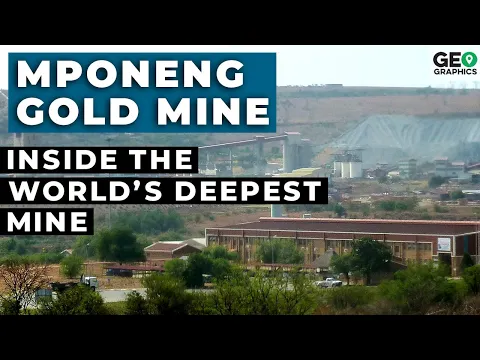

Despite the challenges, Mponeng remains a vital economic asset. Harmony Gold approved an investment of R$ 7.9 billion (approximately US$ 409 million) to extend the mine’s lifespan by another 20 years, ensuring its operation at least until 2044. This project aims to extract more than 3 million ounces of gold.
The deepest mine on Earth is, therefore, a testament to human ambition and engineering prowess. However, its legacy also includes the responsibility of managing the environmental impacts of such a massive operation. Mponeng encapsulates humanity’s complex relationship with the depths of the planet, a saga of the quest for wealth, overcoming limits, and unexpected discoveries.









-

-

-

-

-

27 pessoas reagiram a isso.