





 Portuguese
  English
  Spanish
  5 min of reading
  0 comments


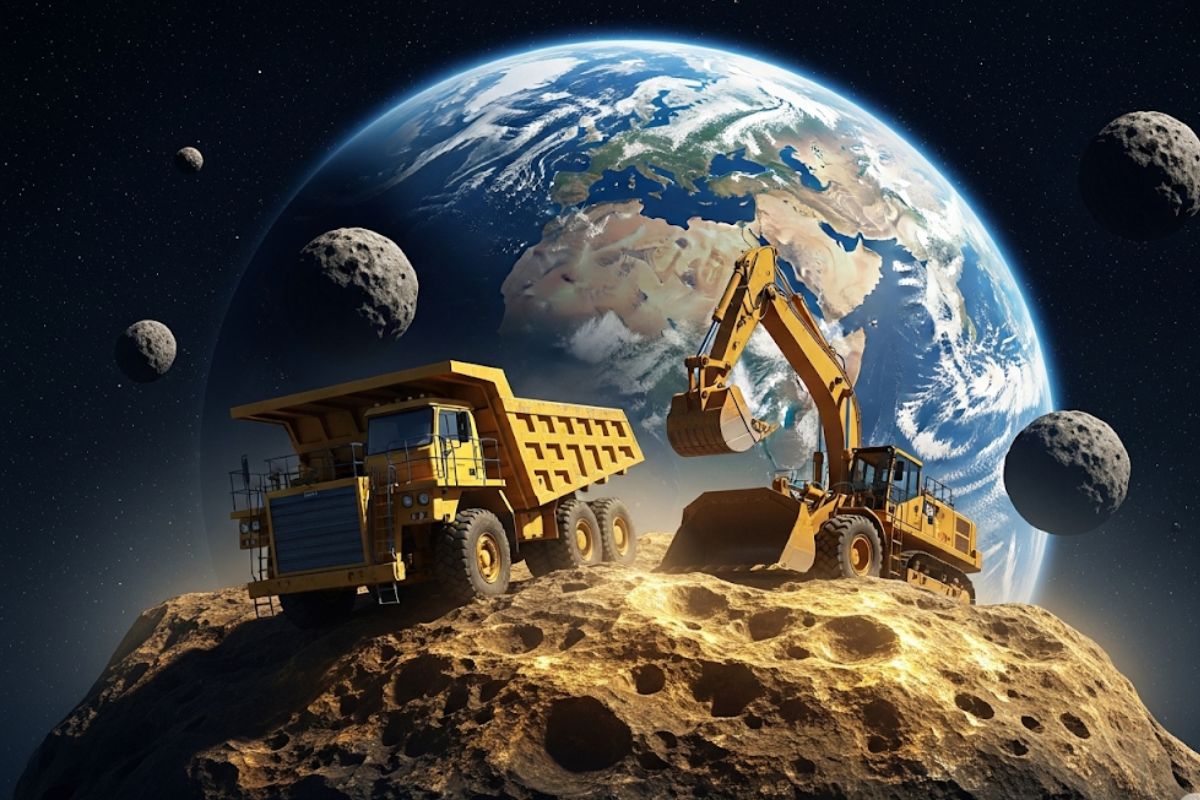
Discover the Transformative Potential of Asteroid Mining, Its Challenges, Pioneers, and the Future of Extraterrestrial Resource Exploration.
Understand the definition of asteroid mining, the targeted materials such as water and precious metals, the pioneering companies that have blazed trails in the sector, the complex technological and economic challenges, and experts’ opinions on the future of this futuristic endeavor.
Asteroid mining, the extraction of raw materials from celestial bodies, emerges as a promising frontier. Its aim is to expand Earth’s resources and foster economies in space, representing the next step in humanity’s quest for resources beyond our planet.
What Is Asteroid Mining and What Are Its Goals?
Asteroid mining, or the extraction of space resources, is the prospective process of identifying, extracting, and processing raw materials from asteroids and other smaller celestial bodies. These materials include water, volatiles, precious, and industrial metals. The concept has captured significant attention, reflecting its disruptive potential. Pioneering companies aim to “expand the Earth’s natural resource base,” evoking a scenario of a “space gold rush” with the potential to generate trillions of dollars.
-
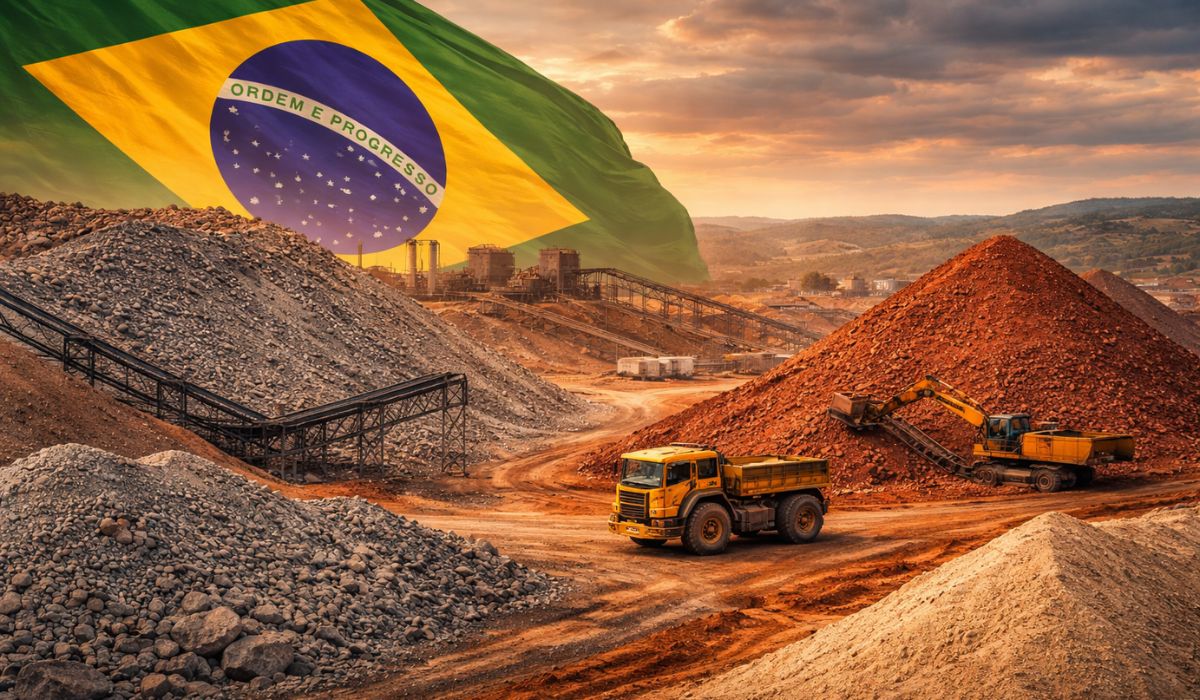
Brazil extracts 26.3 million tons of ore from what was previously treated as waste, transforming residues into wealth, producing over 3 million tons of sand, and demonstrating how national mining is relearning to generate value.
-
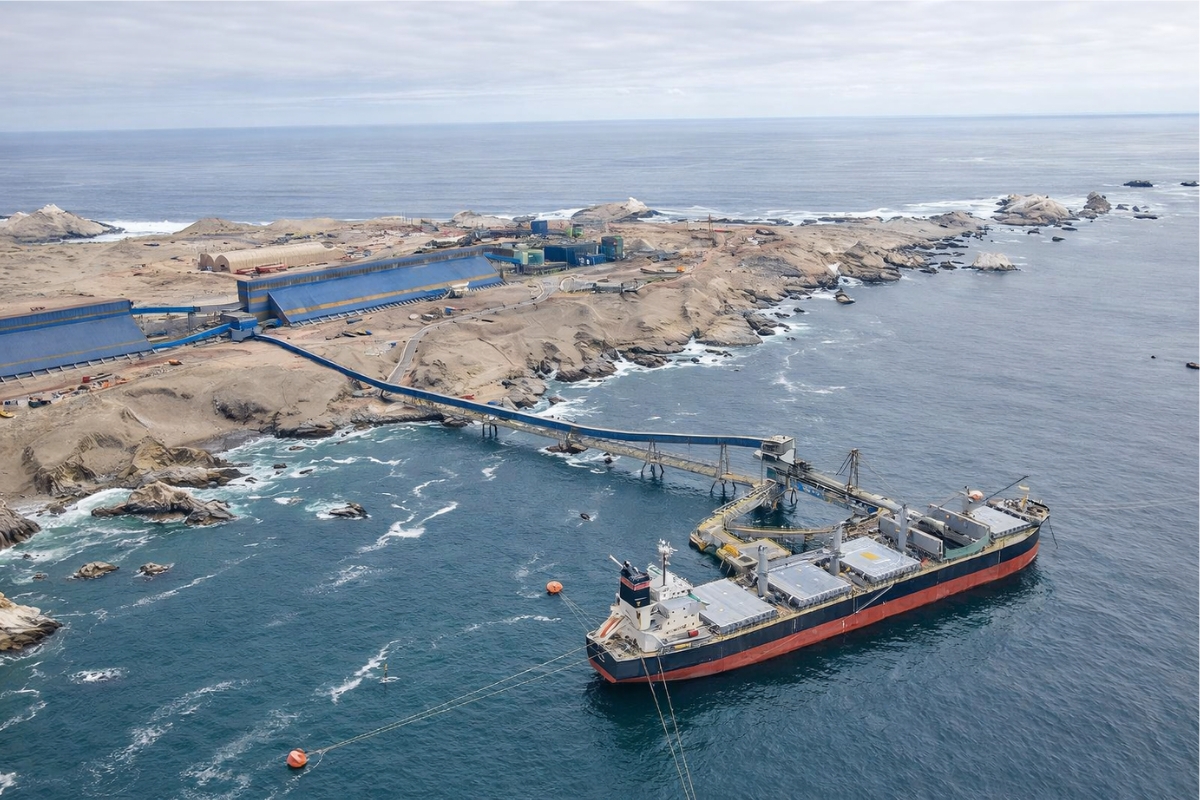
A $3.5 billion megaproject in Latin America pumps desalinated seawater at 1,050 liters per second over 194 km to keep a copper supermine in the Andes operational for another 20 years.
-
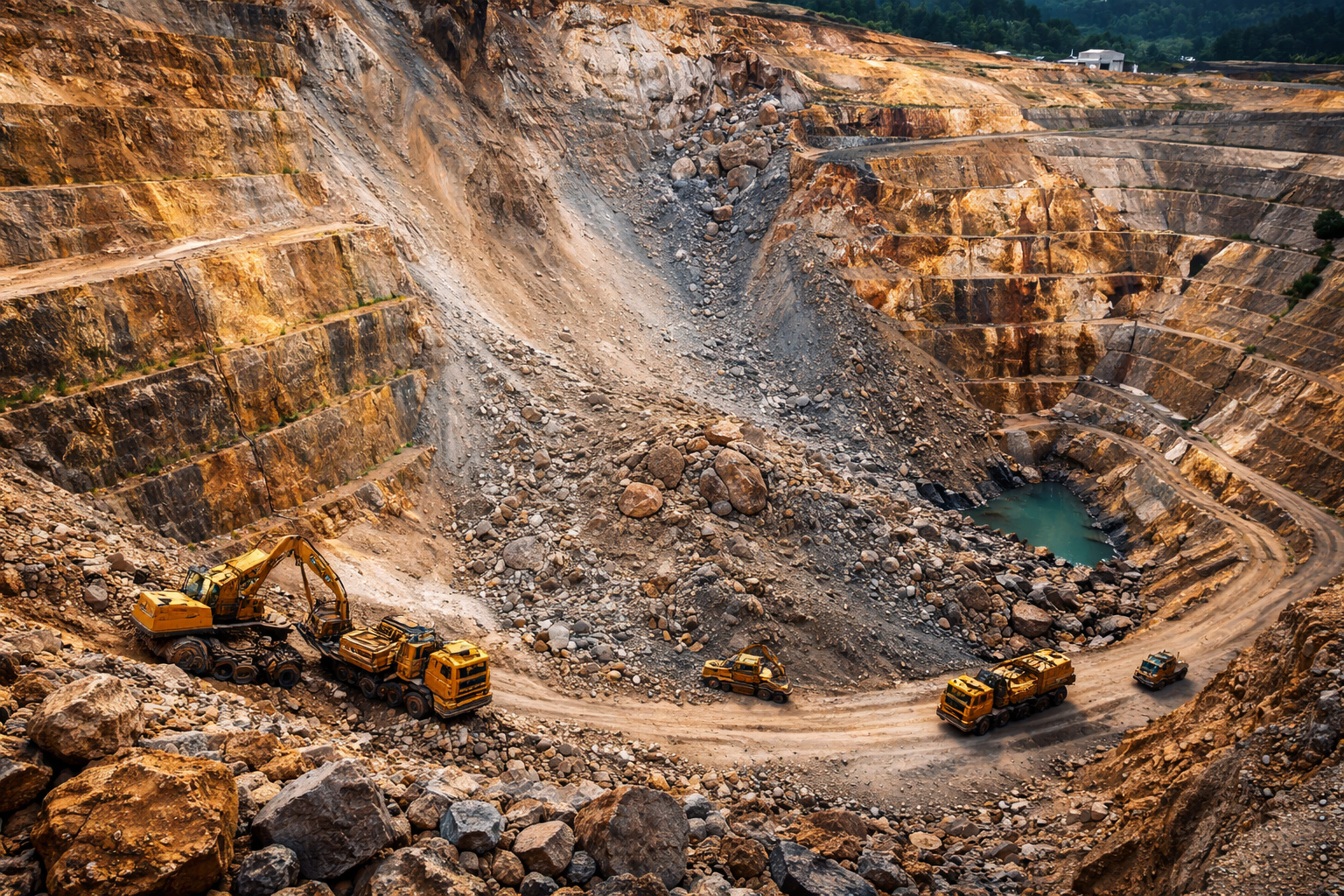
A hidden mine in the Andes valued at nearly R$ 1 trillion is starting to attract global attention, containing copper, gold, and silver, and raises an intriguing question: why do Argentina and Chile need to act together to exploit this gigantic wealth?
-
A silent discovery in the interior of Bahia could change the future of energy in Brazil: a uranium reserve in Lagoa Real has an estimated capacity to produce 400 tons per year and is already attracting the attention of energy sector specialists.
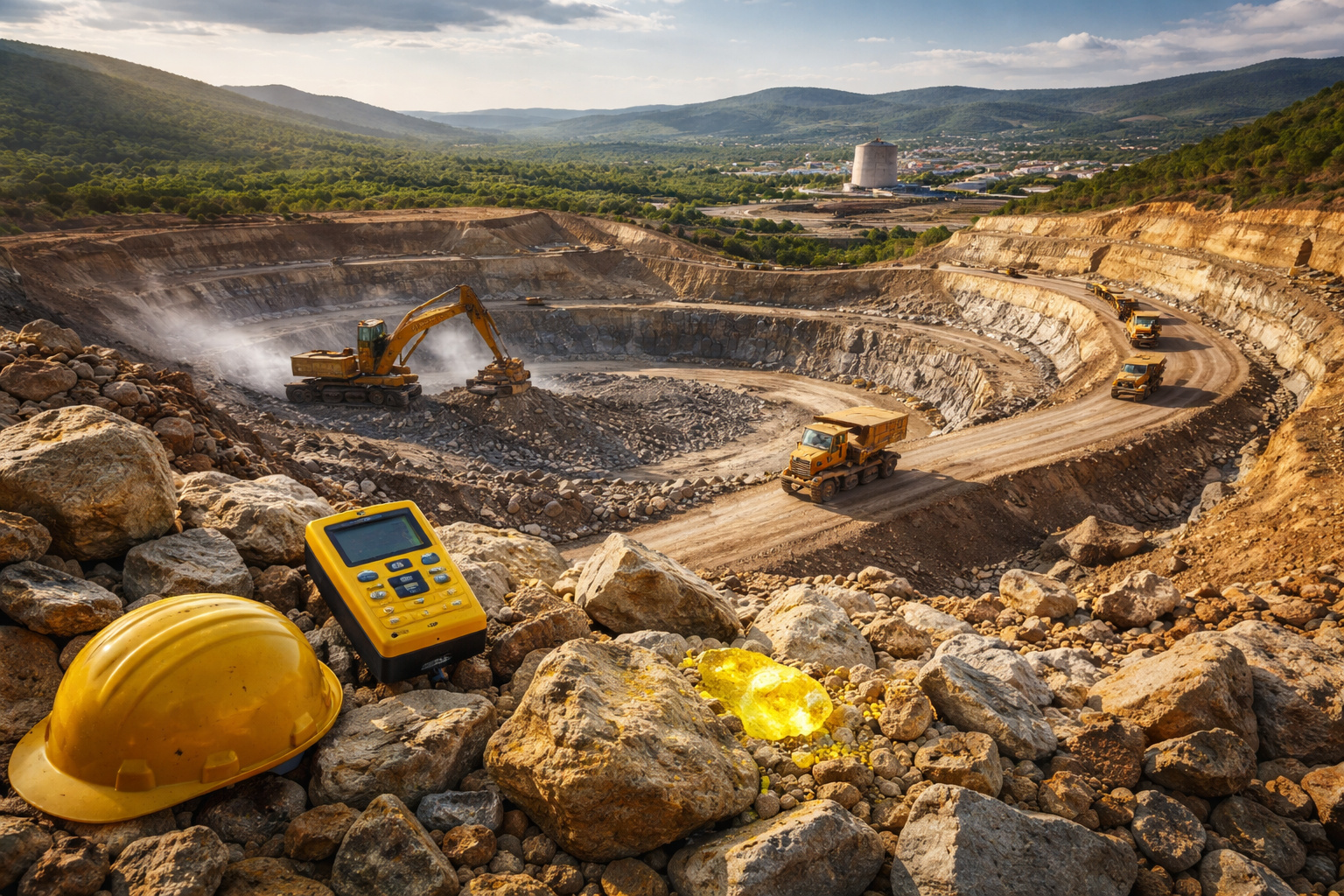

The extracted resources serve two main purposes. The first is In-Situ Resource Utilization (ISRU), using materials directly in space for construction, propellant production, and life support. The second is transporting high-value materials for commercialization on Earth. ISRU is crucial for reducing the costs of space exploration by minimizing the mass launched from Earth. Water, for instance, can be broken down into hydrogen and oxygen for propellant. The success of asteroid mining lies in its potential to fundamentally alter the space economy.
Pioneers of Asteroid Mining
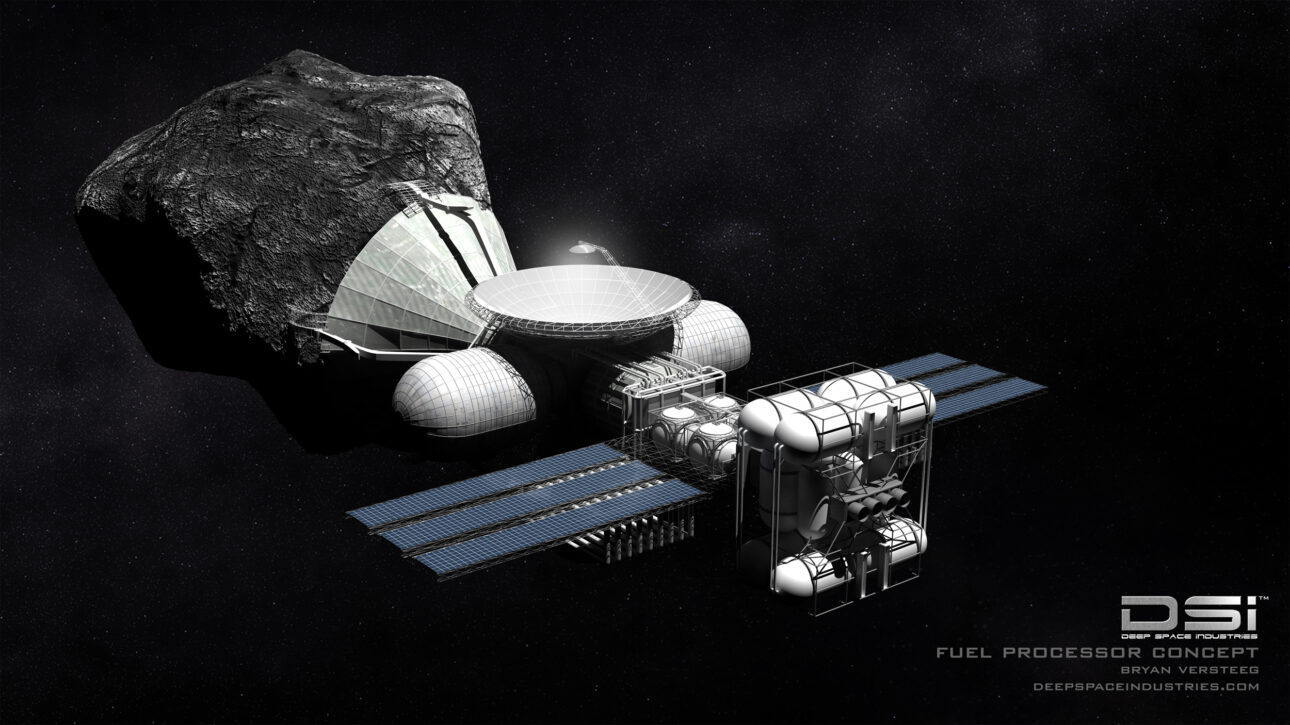
Two companies stood out in the early stages of asteroid mining: Planetary Resources and Deep Space Industries (DSI). Planetary Resources, founded in 2009 as Arkyd Astronautics and renamed in 2012, emerged with the goal of mining asteroids using its series of Arkyd spacecraft. Despite innovations such as the use of 3D printing for components and the launch of test satellites, the company faced financial challenges. It attempted to generate revenue through Earth observation but was acquired in 2018 by ConsenSys, a blockchain company, and its intellectual property became public domain.
Deep Space Industries (DSI), founded in 2012, initially focused on the water ice of asteroids. DSI adapted its strategy, developing technologies for small satellites, such as the water-based electric propulsion system Comet. This system found practical application in operational satellites. In 2019, DSI was acquired by Bradford Space. The trajectory of Planetary Resources illustrates the “valley of death” for deep tech ventures, while DSI demonstrated that focusing on specific enabling technologies can be a more resilient strategy.
The Major Challenges
Asteroid mining is fraught with challenges. The first is target acquisition: identifying and characterizing economically viable asteroids. Near-Earth Asteroids (NEAs) are primary candidates, but prospecting is multi-phase, utilizing telescopes and dedicated space missions like Hayabusa2 and OSIRIS-REx for detailed analysis. Only a small fraction of known NEAs will have the ideal combination of resources and accessibility.
Reaching the asteroid involves a complex interplanetary transit, requiring advanced propulsion systems, such as electric propulsion, for efficiency on long missions. The extraction operations on the surface of an asteroid, an environment of microgravity, vacuum, and dust, present another challenge. Robotics and automation are essential. Anchoring on irregular and low-gravity surfaces requires technologies like “micro-spine fingers.” Drilling and collecting material needs to neutralize reaction forces to avoid dislodging equipment. The behavior of regolith and abrasive dust necessitates specialized mitigation and handling techniques.
Finally, transporting resources, whether raw or processed ore, to their destination (orbit, Moon, Mars, or Earth) will require efficient and reusable “space tugs.” The initial costs of R&D and operations are extremely high, and the overall economic viability remains uncertain, with legal frameworks still evolving.
ISRU: The Key to the Viability of Asteroid Mining
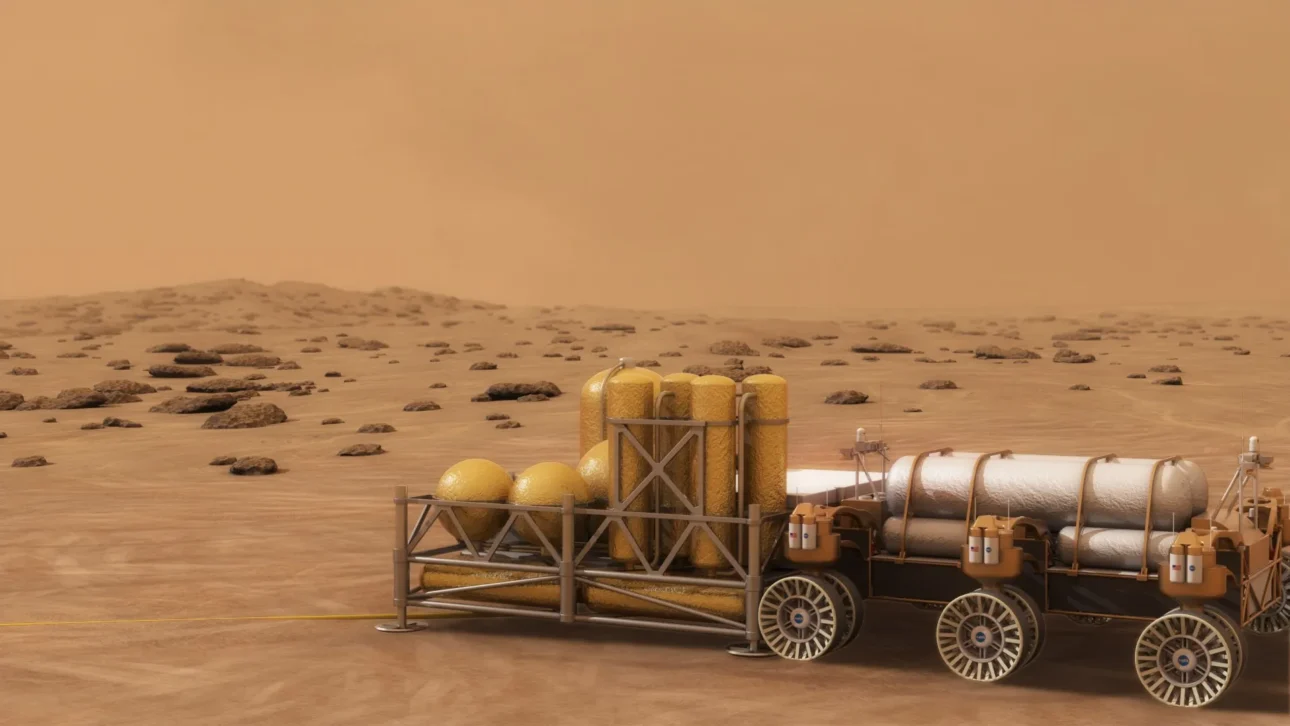
In-Situ Resource Utilization (ISRU) is crucial for the future of space exploration and asteroid mining. ISRU is the practice of collecting, processing, and using materials found on celestial bodies, replacing the costly transportation from Earth. NASA identifies ISRU as a key capability for sustained presence on the Moon and Mars exploration.
Water is the primary target of ISRU in asteroids. It can be electrolyzed into hydrogen and oxygen for rocket propellant, creating “refueling stations” in the solar system. This would drastically reduce the mass launched from Earth for deep space missions. Oxygen and water also serve for life support. Metals like iron and aluminum, extracted from asteroids, can be used as construction materials for space infrastructure, utilizing technologies like 3D printing.
The impact of ISRU is the significant reduction in space exploration costs and greater self-sufficiency of missions. In the long term, it enables permanent outposts and planetary colonization. The development of ISRU may also foster international collaboration due to its complexity and shared benefits.
Experts’ Opinions: When Will Asteroid Mining Be a Reality?
Experts’ opinions on timelines for commercial asteroid mining vary. Professor Ian Lange from the Colorado School of Mines believes that commercial mining is still over 30 years away. He points out persistent commercial and technological challenges. On the other hand, Joel Sercel from TransAstra is more optimistic, predicting it will happen much sooner, driven by the dynamism of the private space sector.
The story of pioneering companies like Planetary Resources and DSI, which faced difficulties with long development timelines and investor patience, reinforces the need for realistic expectations. Currently, the industry is focused on prospecting, technology demonstration, and returning small samples, as seen in the OSIRIS-REx and Hayabusa2 missions. A pragmatic approach may involve using the Moon as a “stepping stone,” testing and maturing ISRU technologies in a more accessible environment before applying them to more distant asteroid mining.






-

Uma pessoa reagiu a isso.