





 Portuguese
  English
  Spanish
  3 min of reading
  0 comments


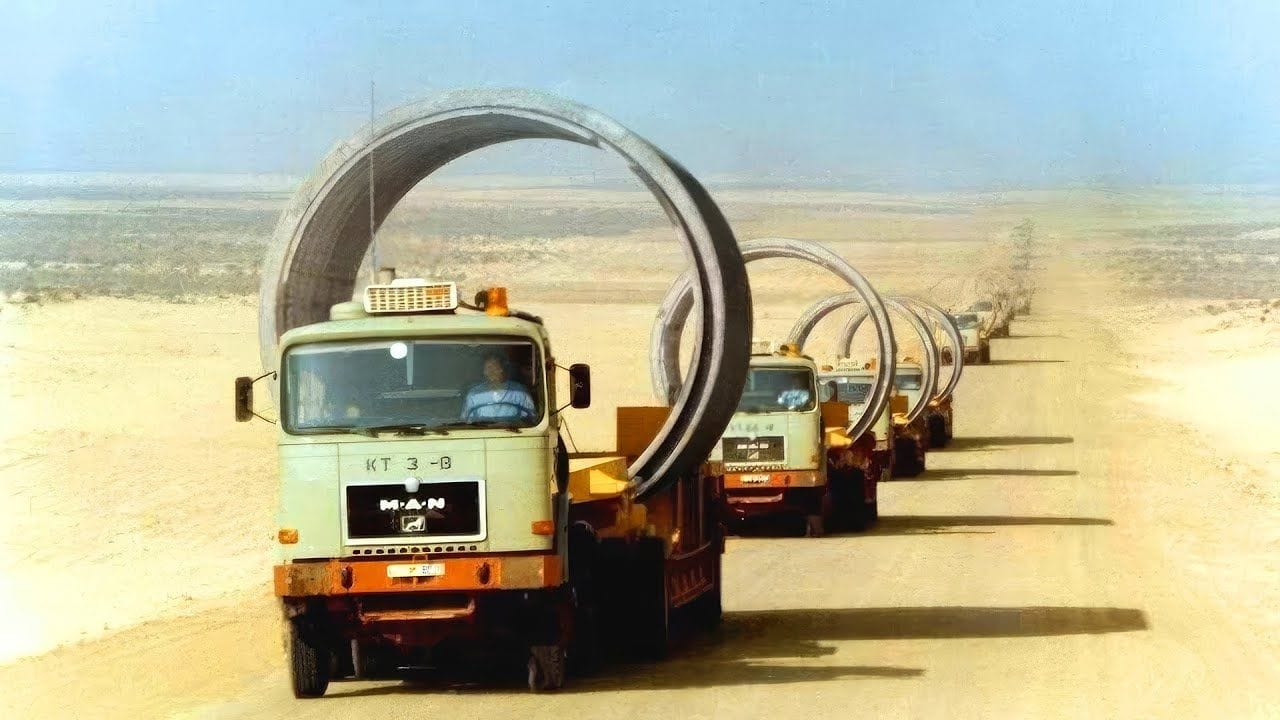
In an Unprecedented Engineering Feat, Libya Built an Artificial River Under the Vast Sahara Desert. This Project, Valued at 26 Billion Dollars, Not Only Challenges the Limits of Modern Construction but Also Presents an Innovative Solution to the Water Supply Challenges in the Region.
The Sahara Desert, known for being the largest sandy desert in the world, is located in northern Africa, covering much of Libya. This Challenging and Exotic Setting is the Stage for the Construction of the Great Man-Made River in Libya, Considered the Eighth Wonder of the World for Its Grandeur and Strategic Importance.
Construction of the Great Man-Made River Project
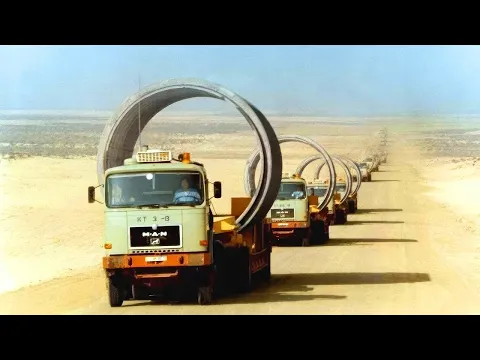

The initiative consists of an extensive network of pipelines, spanning 2,820 km, that distributes water from fossil aquifers beneath the Sahara to various Libyan cities. This system provides 6.5 million cubic meters of fresh water daily, benefiting cities such as Tripoli, Benghazi, Sirte, and others. The main water source is the Nubian Sandstone Aquifer System, the largest fossil water aquifer in the world.
The construction was motivated by the scarcity of drinking water in Libya, one of the driest countries in the world. The project, initiated in 1983 under the leadership of Muammar Gaddafi, aimed to extract groundwater from various regions, including Kufra, Jalu, and Sabha, to meet the growing demand of coastal cities.
-
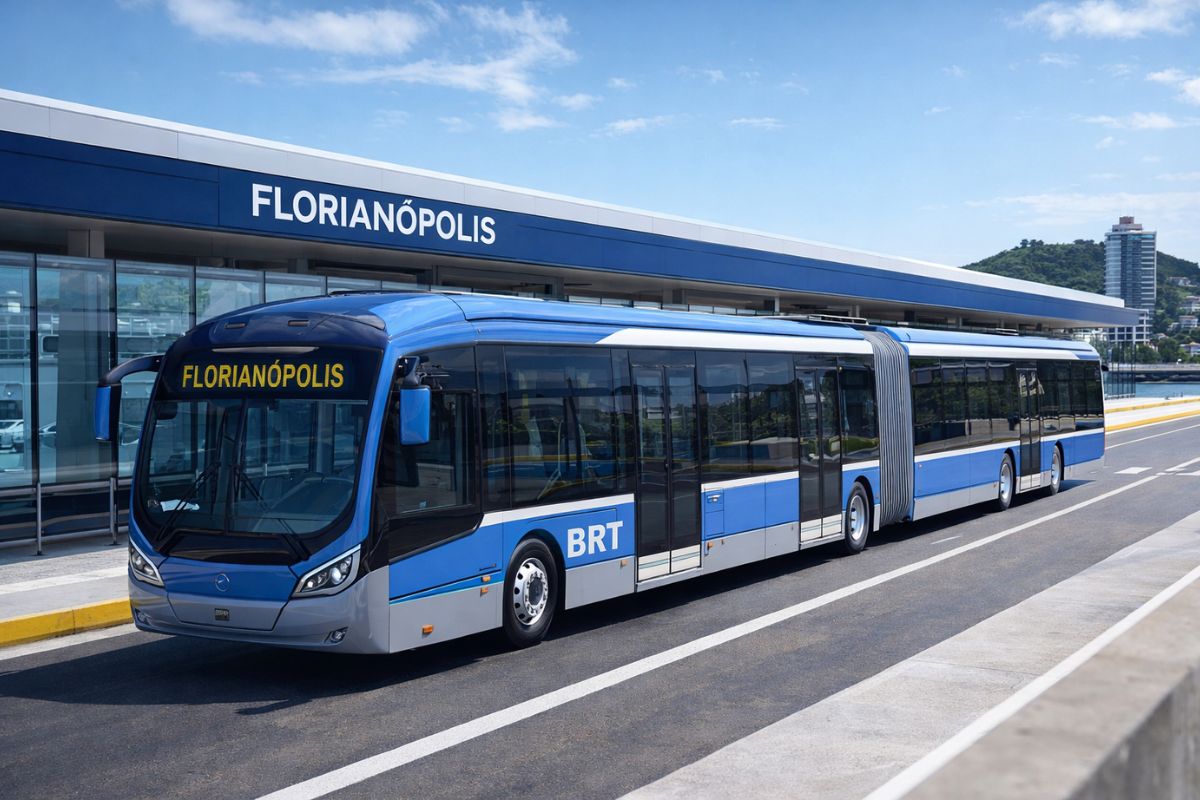
Florianópolis will receive a million-dollar BRT that will begin construction in 2026 with nearly 400 million in funding from the federal government and the Inter-American Development Bank, and the map already shows the routes for the exclusive bus corridors.
-
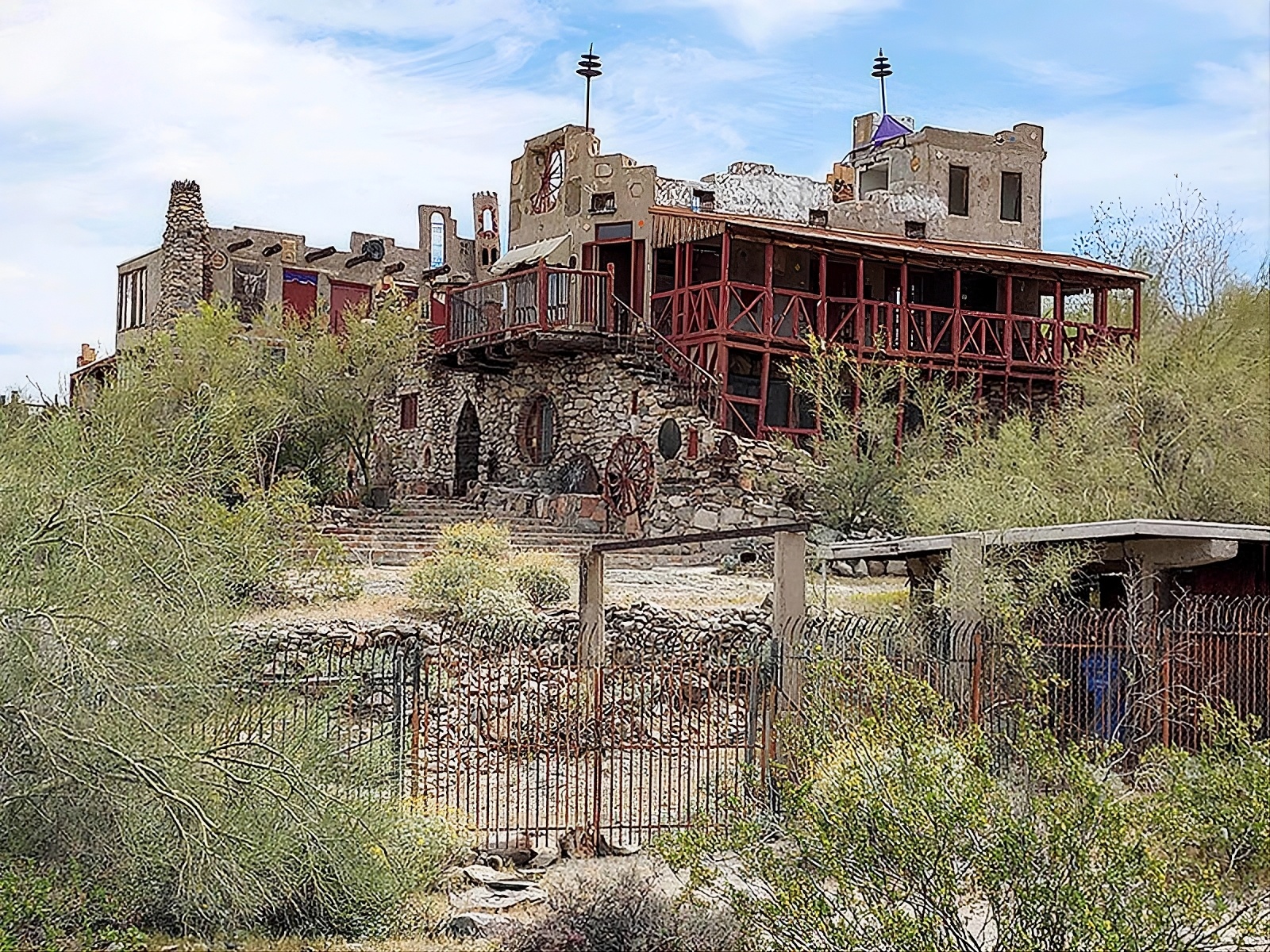
Without a blueprint, without an engineer, and using scrap from the dump, a father spends 15 years building an 18-room castle for his daughter, featuring tram tracks, 13 fireplaces, and over 700 m², which may now be demolished.
-
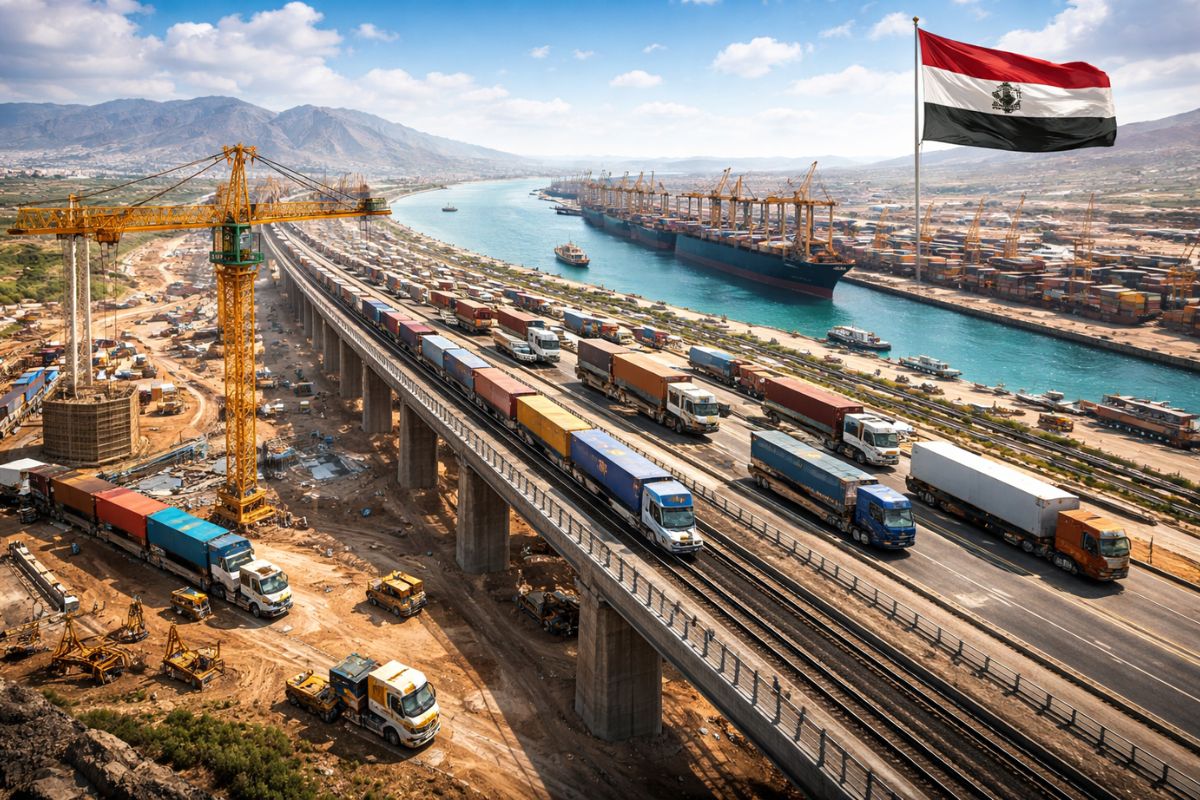
A megaproject worth R$ 89 billion is advancing in Iraq and promises to change the game in global trade by creating a new corridor between Asia and Europe, reducing traditional routes and repositioning the country as a logistics powerhouse.
-
Goodbye bedside table: floating shelves become a trend in 2026 by freeing up space in the bedroom, improving circulation, bringing visual lightness, and integrating technology without taking up floor space.


Construction Phases
The colossal work was divided into several phases, starting with GM1, which transports water from the east to Benghazi and Sirte. The second phase, GM2, initiated in 1996, supplies water to Tripoli. The third phase focused on system integration and increasing the total supply capacity. The project also includes phases GM4 and GM5, which will further expand the distribution network.
The construction of the artificial river involved advanced technologies and complex logistics. The pipes used, considered the largest in the world at the time, were manufactured in two large factories in Libya, consisting of layers of reinforced prestressed concrete. This engineering feat involved the participation of numerous international companies.
Impact and Future
The Great Man-Made River in Libya has already transformed the country’s landscape, allowing for the irrigation of over 135,000 hectares of land. This achievement has resulted in a significant increase in agricultural production, benefiting the economy and the lives of the people. With future expansion plans, the project promises to continue being a landmark in sustainable development and effective water resource management.
The construction of the artificial river under the Sahara Desert is a testament to humanity’s ability to overcome extreme environmental challenges. This project not only provides a vital resource for the population of Libya but also serves as an inspiring example of how innovation and engineering can be applied to improve quality of life in adverse conditions. Libya, through this monumental endeavor, demonstrates that it is possible to transform inhospitable regions into sources of prosperity and sustainable development.





Seja o primeiro a reagir!