Portuguese
  Spanish


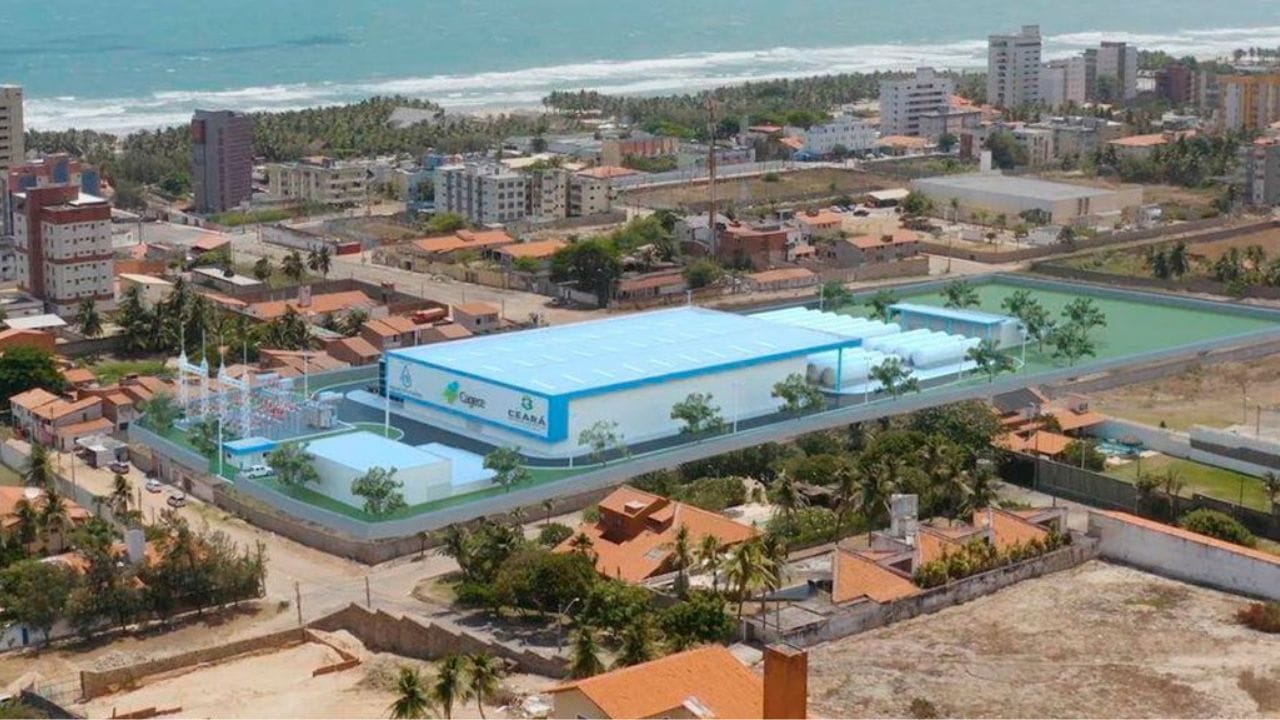

The Construction of a Desalination Plant Worth Over R$ 3 Billion in Fortaleza, Ceará, Brings a Major Advancement for Water Security in the Region but Also Raises Concerns About Brazil’s Internet Infrastructure.
The desalination plant, an investment of over R$ 3 billion, is being constructed in Fortaleza, Ceará. Located near Praia do Futuro, the area is a strategic point, where 17 internet cables from three continents converge, making it the second largest internet hub in the world.
The construction of the plant has raised concerns in the telecommunications sector, especially due to its proximity to these submarine cables. There are fears that the construction could affect the quality or even interrupt the internet connection in the country.
Benefits of the Desalination Plant

Despite the concerns, the plant promises to increase the water supply in the region by 12%, benefiting around 720,000 people. Fortaleza, with a population of 2.6 million, faces significant challenges with insufficient drinking water, exacerbated by drought periods.
-
Prefabricated Home Assembled in Days Offers Cleaner, More Efficient Construction with Factory-Made Panels, Requires Technical Design to Prevent Moisture Issues

-
Chinese Manager Accused of Whipping Worker Sparks Protest by 1,200 Employees at Major Brazilian Factory

-
Single Mother Working Three Jobs Receives 111 m² 3D-Printed Home with Concrete Walls Built in 12 Hours, Featuring 3 Bedrooms, 2 Bathrooms, and a Printer for Replacement Parts
-
Simple Technique to Restore Rusty Metal Window Grilles Gains Attention for Revitalizing Old Structures Without Full Replacement





Praia do Futuro was chosen after years of studies, being preferred over Praia do Cumbuco in Caucaia, which had operational problems and would require significant additional investment. The choice, however, generated a conflict between the National Telecommunications Agency (ANATEL) and telecommunications companies, concerned about the impact on internet connections.
Project Details of the Plant
The project will be led by the Ceará Water and Sewage Company (Cagece) and operated by SPE Águas de Fortaleza, a public-private partnership. With an investment of R$ 3.2 billion, the plant will have the capacity to produce 1,000 liters per second, using reverse osmosis technology to remove seawater salts. The captured water will be treated and distributed for human consumption, while the residual water will be returned to the sea in an environmentally responsible manner.
The concern about fiber optic cables led to adjustments in the project. The structure of the plant was repositioned to maintain a safe distance from the cables, ensuring that there is no interference with telecommunications. These changes follow the recommendations of the International Cable Protection Committee.
Capacity and Operation of the Plant
The desalination plant, expected to begin operations in 2026, will be a crucial reinforcement during drought periods. The plant will operate at full capacity during these times, providing water to critical regions of Fortaleza. In times of water abundance, operation will be reduced to maintain the equipment in good condition.
The construction of the desalination plant represents a long-term solution to Ceará’s water challenges, especially during drought periods. Despite initial concerns about internet infrastructure, adjustments to the project ensure that there will be no negative impacts. This undertaking is an important milestone in water resource management in Northeast Brazil, balancing environmental and technological needs.