





 Portuguese
  English
  Spanish
  4 min of reading
  0 comments


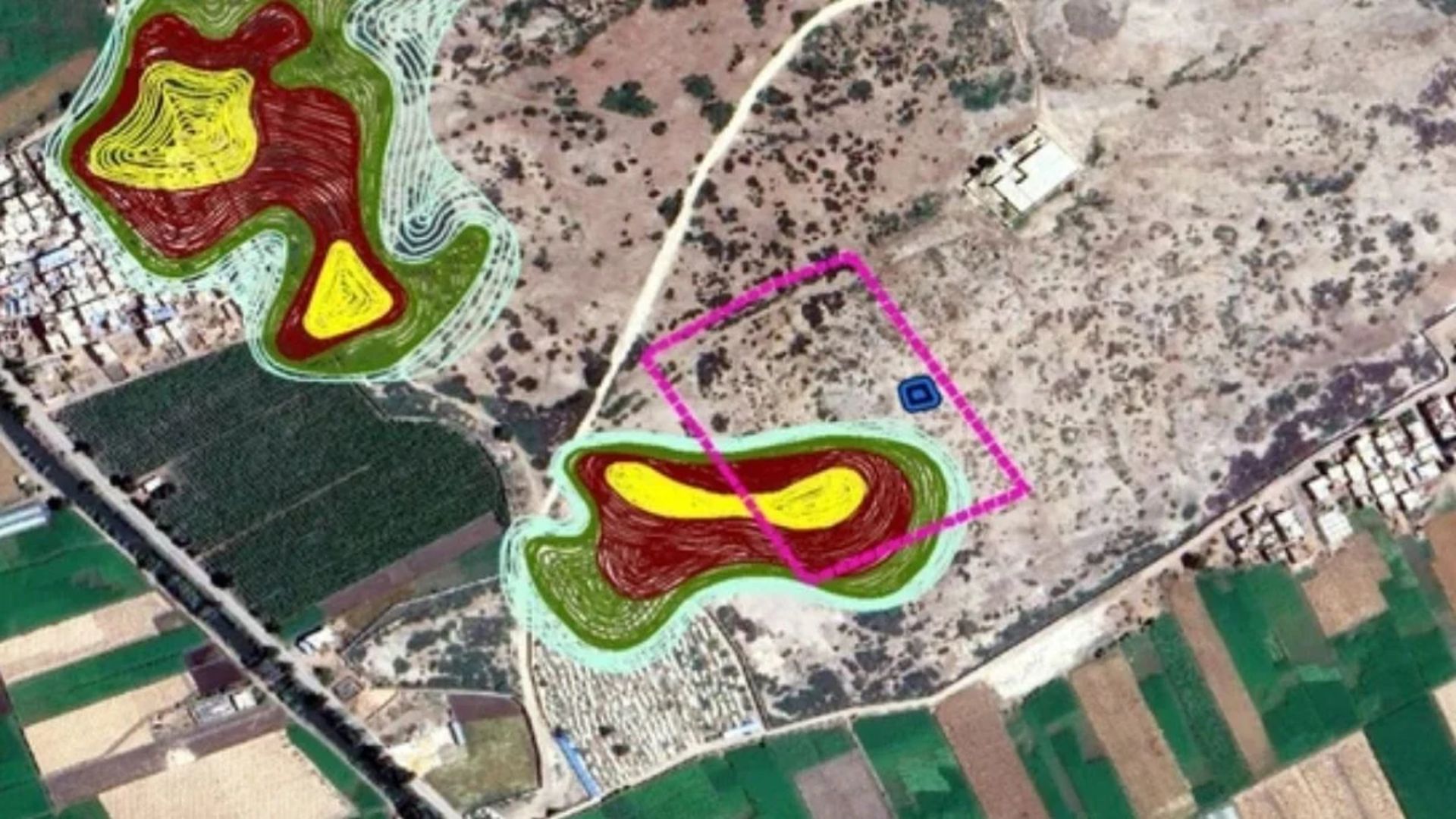
Cutting-edge technology reveals hidden details beneath millennia-old layers and intrigues experts with unprecedented discoveries about ancient civilizations
An impressive archaeological discovery is capturing the attention of the global scientific community. Researchers have identified a mysterious structure buried beneath the ruins of an ancient Egyptian city, using innovative technology that promises to revolutionize the way we explore the past.
The information was disclosed by the website “ScienceAlert”, based on a study published in the scientific journal Acta Geophysica, revealing technical and numerical details that reinforce the relevance of the find.
Located in the northwest of the Nile Delta, the ancient city has undergone various phases over nearly 6,000 years of history. Initially known as Per-Wadjet, in honor of the serpent goddess Wadjet, the site was also called Buto during the Greek period, which began in 305 BC. Today, the area is known as Tell el-Fara’in, which means “Hill of the Pharaohs”.
-
Chinese submersible discovers a colossal system of giant craters on the Pacific floor, previously unknown, teeming with life and so rich in hydrogen that they may help explain the origin of life on Earth.

-
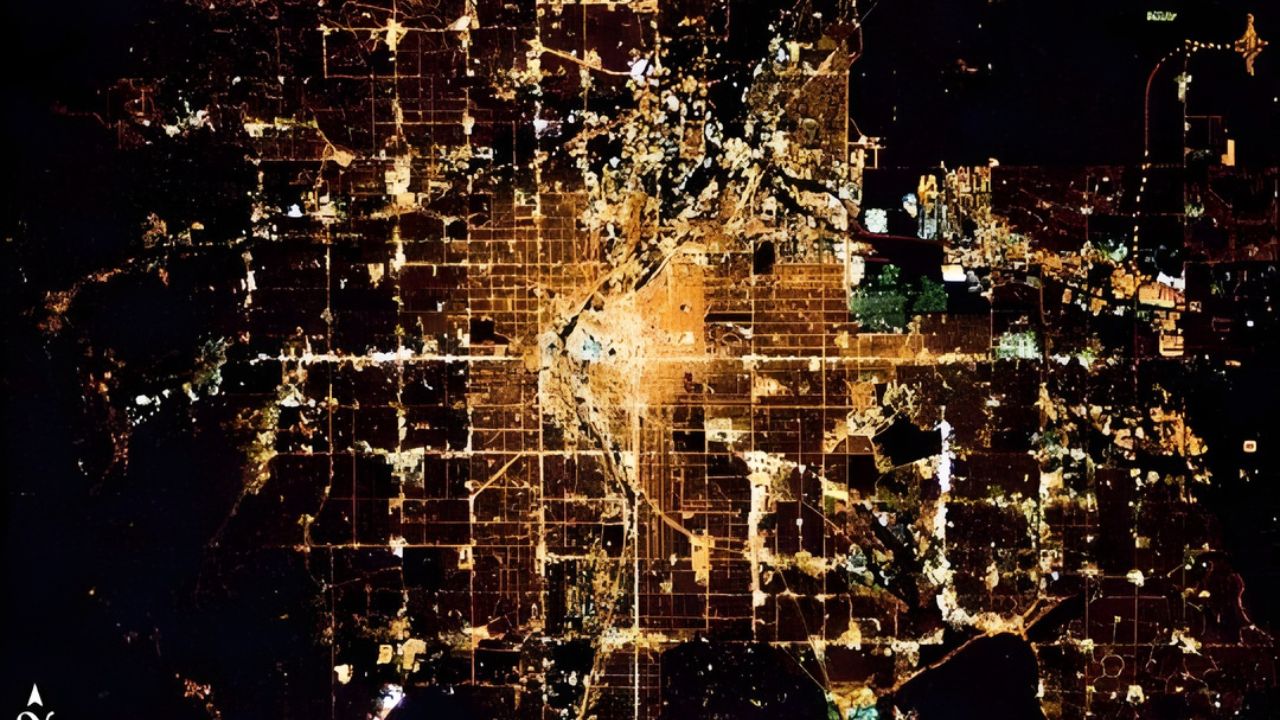
Astronauts reveal that cities shine so brightly at night that they are visible from space as “artificial constellations,” while highways in the desert appear more than the Great Wall of China, which practically disappears when viewed from orbit.
-
A magnitude 9.2 earthquake in Alaska reshaped the coastline in minutes, sank entire cities, raised sections of the seabed by several meters, and left one of the fastest geographical transformations ever recorded on Earth.

-
The entire Brazil is expected to face above-average rainfall in the next ten days, with accumulations reminiscent of the peak of summer, raising concerns especially for those living in the Southeast, Northeast, and Northern regions of the country.


Over the centuries, the city was built, destroyed, and rebuilt repeatedly, until it fell into ruins around the 7th century AD. As a result, complex layers of materials have accumulated, making traditional excavations difficult due to the presence of mud deposits, groundwater, and the great depth of the terrain.
How modern technology revealed what was hidden
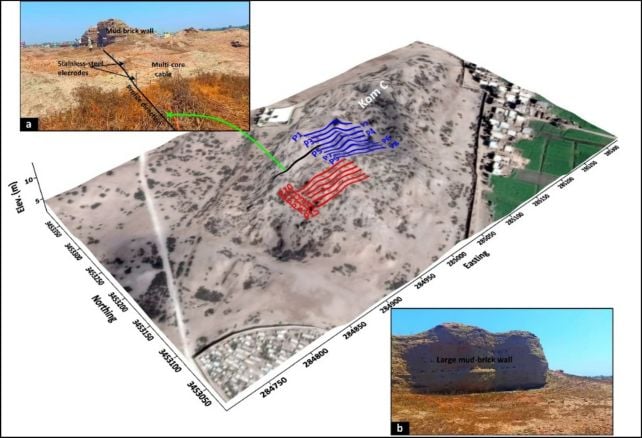
In light of these challenges, archaeologists turned to advanced methods, combining satellite radar and electrical resistivity tomography (ERT). This approach allowed them to observe what is buried without the need for initial invasive excavations.
Using images from the Sentinel-1 satellite captured in 2018, the team led by Mohamed Abouarab from Kafrelsheikh University identified large-scale anomalies on the surface of the site. In total, 15 promising areas were selected for detailed analysis in a region called Kom C.
Next, the researchers installed 24 stainless steel electrodes connected by a 69-meter cable. These electrodes send electric currents into the ground, allowing them to measure the resistance encountered — a process comparable to a large-scale CT scan of the terrain.
As a result, 1,332 resistivity readings were obtained in the analyzed area. These data revealed the presence of a partially buried structure made of mud bricks, measuring approximately 25 by 20 meters and located between 3 and 6 meters below the surface.
Additionally, the structure was covered by layers of broken pottery and debris, dated to the Roman and Ptolemaic periods, between 332 BC and 395 AD, reinforcing the historical complexity of the site.
Structure may have been a religious temple with rare artifacts
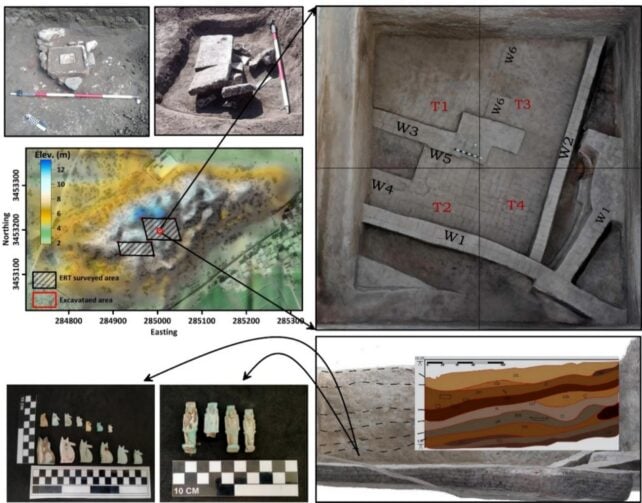
Subsequently, excavations confirmed the data obtained by the equipment. The structure was dated to about 2,600 years ago, belonging to the Saite Period, corresponding to the 26th and last dynasty of Egypt before the Persian conquest in 525 BC.
During the excavations, archaeologists found mud brick walls, as well as a series of religious artifacts. Among them, notable items include amulets and objects from the 26th dynasty, including an intriguing hybrid figure that combines characteristics of a baboon, a falcon, and the dwarf god Patikos.
Other amulets represented well-known deities, such as Isis, Horus, Taweret, and Wadjet herself, reinforcing the spiritual significance of the site.
In light of this evidence, researchers believe that the structure may have functioned as a temple, a religious complex, or even a priestly residence with mortuary functions. However, the exact function has not yet been fully determined.
Despite this, experts emphasize that the 3D inversion algorithms used were extremely effective in identifying buried walls and architectural structures, significantly enhancing the understanding of the formation of the archaeological site.
New technology may reveal even more buried secrets
In addition to the current discovery, scientists believe that there is still much more to be revealed. The results indicate that another structure, possibly a second temple, may be hidden beneath a thick layer of clay.
Thus, new measurements and deeper excavations are planned for the next phases of the research.
Consequently, this innovative technology could transform modern archaeology, allowing for the identification of buried settlements with high precision, even in complex regions like the Nile Delta.
According to researchers, the combination of geophysical data with remote sensing has provided an extremely accurate view of the underground, paving the way for even more impressive discoveries in the future.







Seja o primeiro a reagir!