





 Portuguese
  English
  Spanish
  5 min of reading
  0 comments


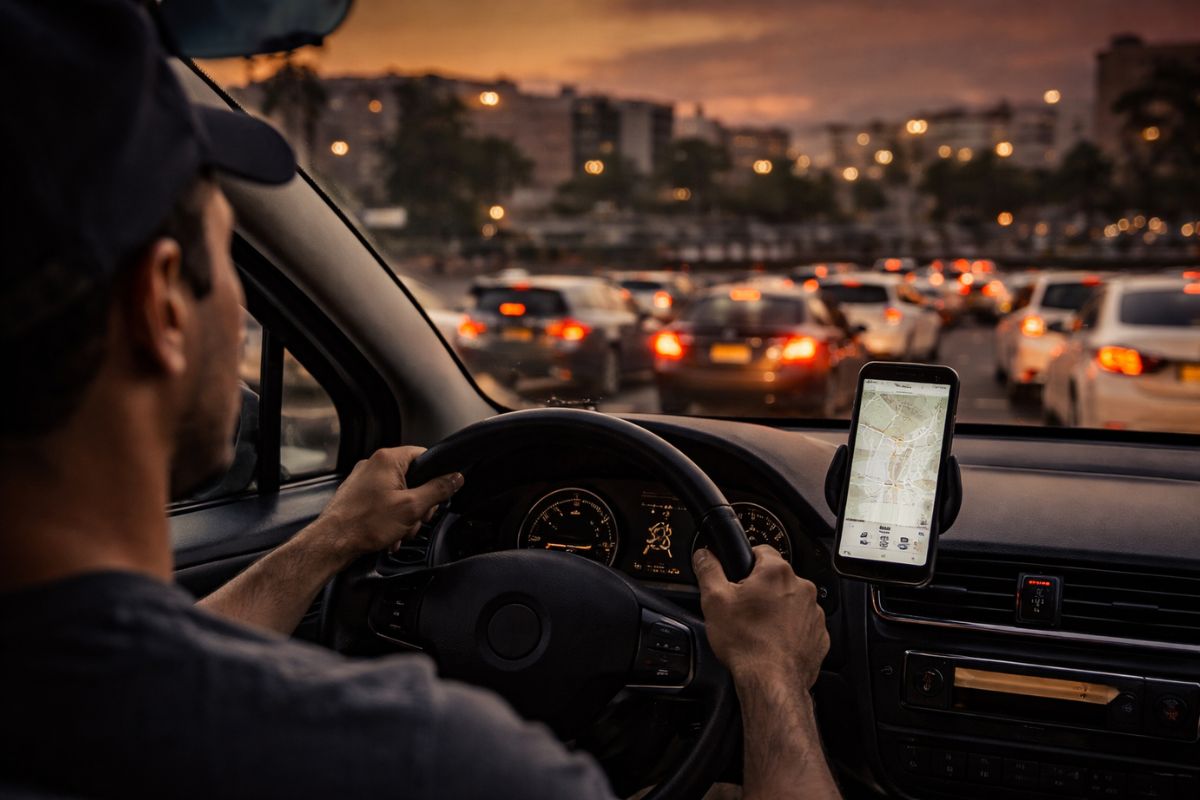
The Complementary Law Project 152/25 proposes a minimum of R$ 10 per trip and R$ 2.50 per kilometer driven for Uber and 99 drivers in Brazil, and the final report presented by the working group of the General Secretariat of the Presidency with participation from seven ministries should serve as a basis for voting in the Chamber of Deputies by the beginning of April 2026
A new law being voted on in Brazil could change the lives of hundreds of thousands of Uber and 99 drivers across the country. The Brazilian government has presented a proposal that establishes a minimum of R$ 10 per trip and an additional R$ 2.50 per kilometer driven for all drivers working with passenger transport via app. The initiative was discussed by a working group from the General Secretariat of the Presidency with the participation of seven ministries and is expected to go to a vote in the Chamber of Deputies by the beginning of April 2026.
The Complementary Law Project 152/25, led by Deputy Augusto Coutinho, aims to ensure that Uber and 99 drivers receive compensation that covers the real costs of driving, including fuel, maintenance, insurance, and vehicle depreciation. If approved, the law could represent the largest income increase for Uber and 99 drivers since the ride-hailing apps arrived in Brazil, and supporters of the proposal compare the potential earnings to what taxi drivers experienced when taxis were the only available means of individual transport in Brazilian cities.
What the new law proposes for Uber and 99 drivers in Brazil
The proposal establishes two components of minimum remuneration for Uber and 99 drivers. The first is a fixed minimum of R$ 10 per trip, regardless of the distance traveled. This means that even a short ride, just a few blocks, would guarantee at least R$ 10 to the driver.
-
Bauer Group collapses after failed judicial recovery: 25 years, 800 vehicles, and a network of gas stations leave a debt of R$ 50 million and 100 layoffs, exposing costs, tight margins, and expensive credit in Brazil.

-
Premium Brazilian brand born during the pandemic brings fine cocoa from Bahia to Switzerland, Germany, and France, has won 9 awards, and claims to have the 2nd best milk chocolate in the world: meet Luz Cacau.

-
Júnior Friboi has just purchased one of the largest feedlots in all of Brazil, located in Goiás, with the capacity to produce 180,000 cattle per year, and the manager has already come forward to reassure employees about layoffs.

-
Pharmacy inside the supermarket: what changes now in your purchase, why medicines won’t go on the shelves, which rules remain strict, mandatory pharmacist, separate space, controlled storage, more convenience and competition in the country.

The second component is an additional R$ 2.50 per kilometer driven, which would be added to the fixed minimum and would compensate for wear and tear, fuel, and time spent on longer trips.
In practice, a 10-kilometer trip would yield the driver at least R$ 35 (R$ 10 from the minimum plus R$ 25 from the additional per kilometer).
The proposal also recommends full payment on grouped routes, preventing Uber and 99 drivers from having their earnings reduced when the platform combines multiple passengers into a single trip. The goal of the project is to ensure that remuneration reflects the real costs and efforts of those behind the wheel.
Why Uber and 99 drivers say current earnings do not cover costs
The most common complaint among Uber and 99 drivers is that the amount received per trip does not cover the real cost of operating the vehicle. Fuel, maintenance, tire changes, mandatory insurance, IPVA, vehicle depreciation, and fees charged by the platforms consume a huge portion of what the driver receives.
Many drivers report that, at the end of the day, their net earnings can be lower than the minimum wage when all expenses for driving are deducted.
The problem worsens on long routes, where fuel consumption is high and the amount paid by the platform does not always compensate for the mileage. The PLP 152/25 proposal seeks to address this imbalance with the additional R$ 2.50 per kilometer.
For Uber and 99 drivers who drive an average of 200 kilometers per day, the difference between the current system and the new proposal could represent hundreds of reais more per week, which completely changes the financial viability of working with the app.
The comparison with the golden age of taxis that led to the proposal
Before the arrival of apps, Brazilian taxi drivers operated with fares set by flag and kilometer, ensuring a predictability of earnings that allowed many of them to support a family, buy a house, and even build wealth.
The so-called golden age of taxis in Brazil occurred because the taxi driver was the only available means of individual transport, and regulated fares ensured that the amount charged covered costs and generated profit.
With the arrival of Uber, 99, and other apps, competition drove down ride prices, and many drivers began working for amounts that do not cover operational costs.
The proposal for a minimum wage for Uber and 99 drivers seeks to recreate the predictability that taxi drivers had, ensuring that each trip has a minimum value that makes economic sense for those driving. If approved, the law could return to app drivers something that was lost with deregulation: the certainty that working is worthwhile.
What could change in the price of the ride for the passenger
The big question passengers ask is: if Uber and 99 drivers start earning more, how much more will I pay for the ride? The answer depends on how the platforms absorb the increase.
If the companies fully pass on the minimum wage and the additional per kilometer to the passenger, ride prices will rise significantly. If they absorb part of the increase by reducing their margins, the impact on the user’s pocket may be less.
On the other hand, supporters of the proposal argue that very cheap rides exist today because Uber and 99 drivers are subsidizing the low price with their own pockets, accepting rides that do not cover their costs.
The minimum wage would correct this distortion and make the passenger pay a price closer to the real cost of a ride, something that naturally happened during the regulated taxi era. The proposal is in the Chamber of Deputies with a vote expected by the beginning of April 2026.
A law that could change the life of those who live behind the wheel
The PLP 152/25 proposes R$ 10 as a minimum per trip and R$ 2.50 per kilometer for Uber and 99 drivers, and if approved, it will be the first federal regulation to establish minimum values for app-based transport in Brazil.
For drivers, the law means predictability and recognition that the costs of driving need to be covered. For passengers, it could mean more expensive rides, but with a service provided by professionals who are not being forced to work at a loss.
The vote is scheduled for April 2026, and the outcome will define the future of hundreds of thousands of Uber and 99 drivers across the country.
Are you an Uber or 99 driver and think that the minimum of R$ 10 is fair? Or are you a passenger and concerned about the increase in ride prices? Do you think Uber and 99 drivers deserve to earn like taxi drivers did in the golden age? Leave your comments and share this article with those who work with apps or use app-based transport in their daily lives.







Seja o primeiro a reagir!