





 Portuguese
  English
  Spanish
  4 min of reading
  0 comments


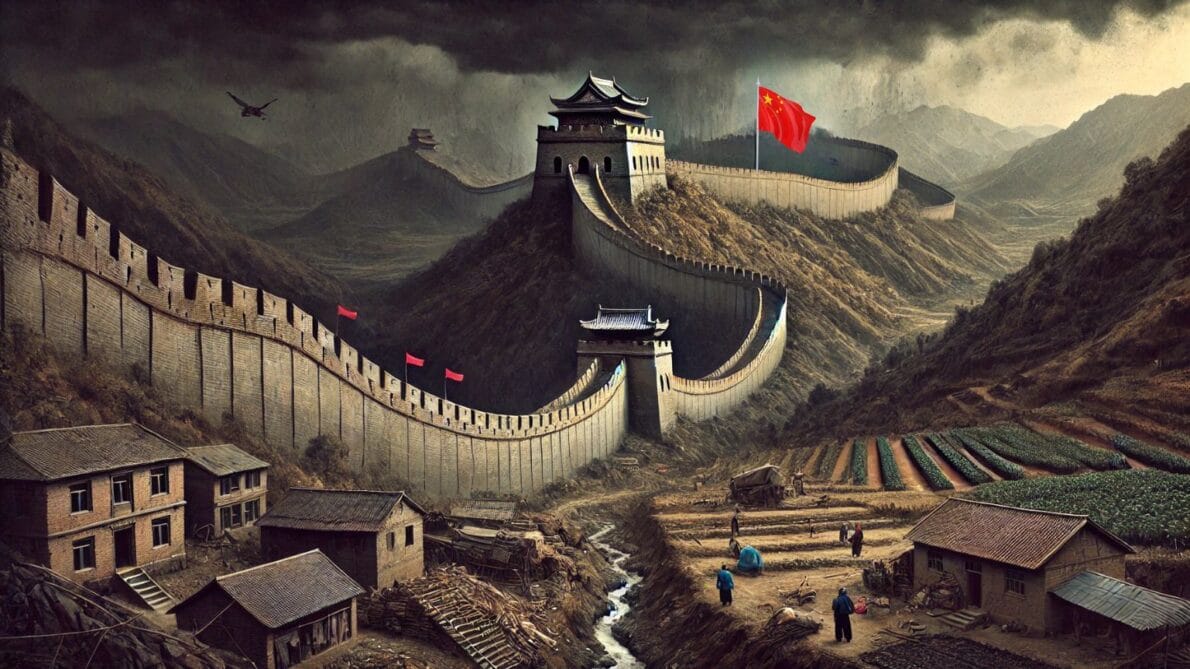
Under Xi Jinping’s Leadership, China Intensifies Its Actions at the Border and Constructs a ‘New Great Wall’ with Residents Denouncing the Gradual Takeover of Nepalese Land in the Tibetan Region.
China, under Xi Jinping’s leadership, has intensified its actions at the border, leading to territorial disputes and, in some cases, encroaching on the lands of neighboring countries. One of the clearest examples of this movement is the construction of an imposing fence in the Himalayas, dividing Tibet from Nepal, something many are already calling the “New Great Wall of China”. Residents living near the border report that China is gradually and discreetly taking land from Nepal.
The New Great Wall and China’s Advance into Nepal
In one of the remotest and most isolated regions on the planet, the border between China and Nepal has become a stage for controversies. Chinese fortifications, which include barbed wire, watchtowers, and security cameras, are encroaching on Nepalese territory. Meanwhile, residents in the Humla region report that China is gradually and discreetly taking land from Nepal.
The fence that cuts through Humla district is just part of a much larger network, a strategy by the Chinese government to strengthen remote areas and, according to critics, expand its borders beyond agreed limits. Local residents claim that China’s advance into their lands is dividing communities and threatening traditional ways of life, such as herding.
-
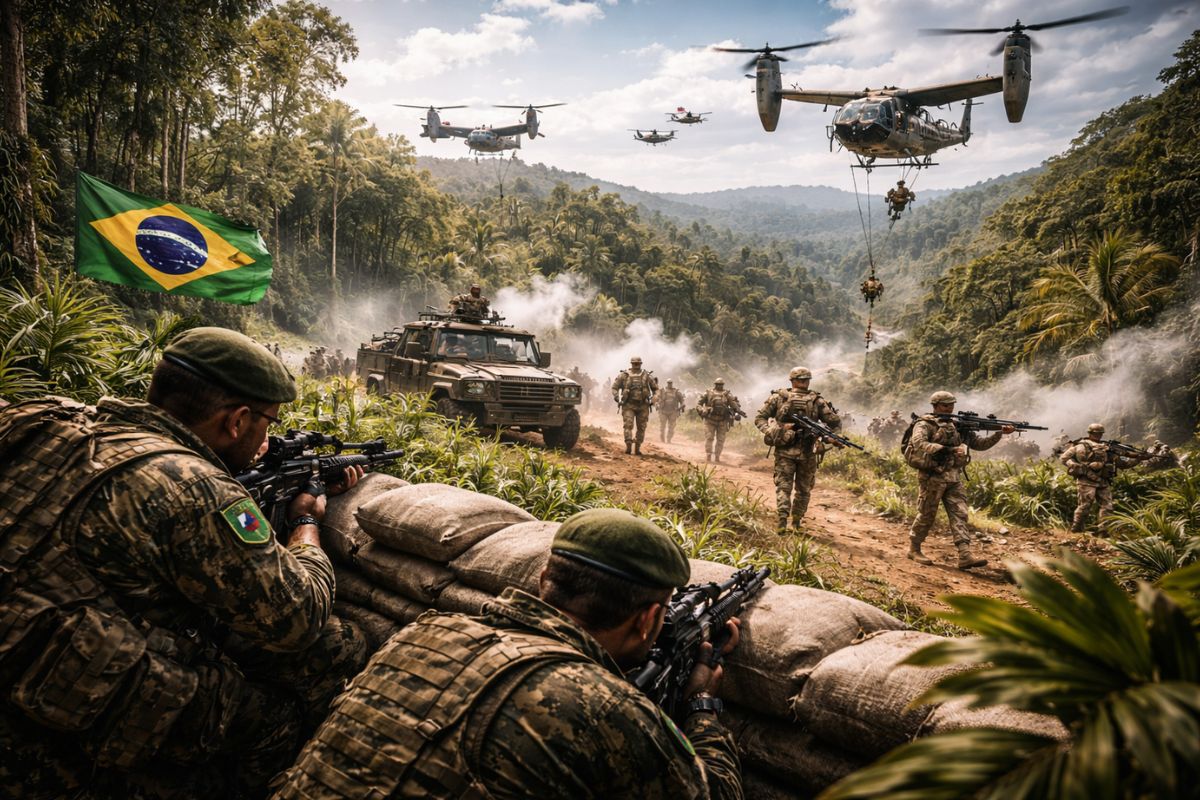
If the USA were to go to war with Brazil, Washington’s greatest fear would not be the attack itself, but facing a vast territory, prolonged resistance, and a costly, chaotic, and unpredictable occupation.
-
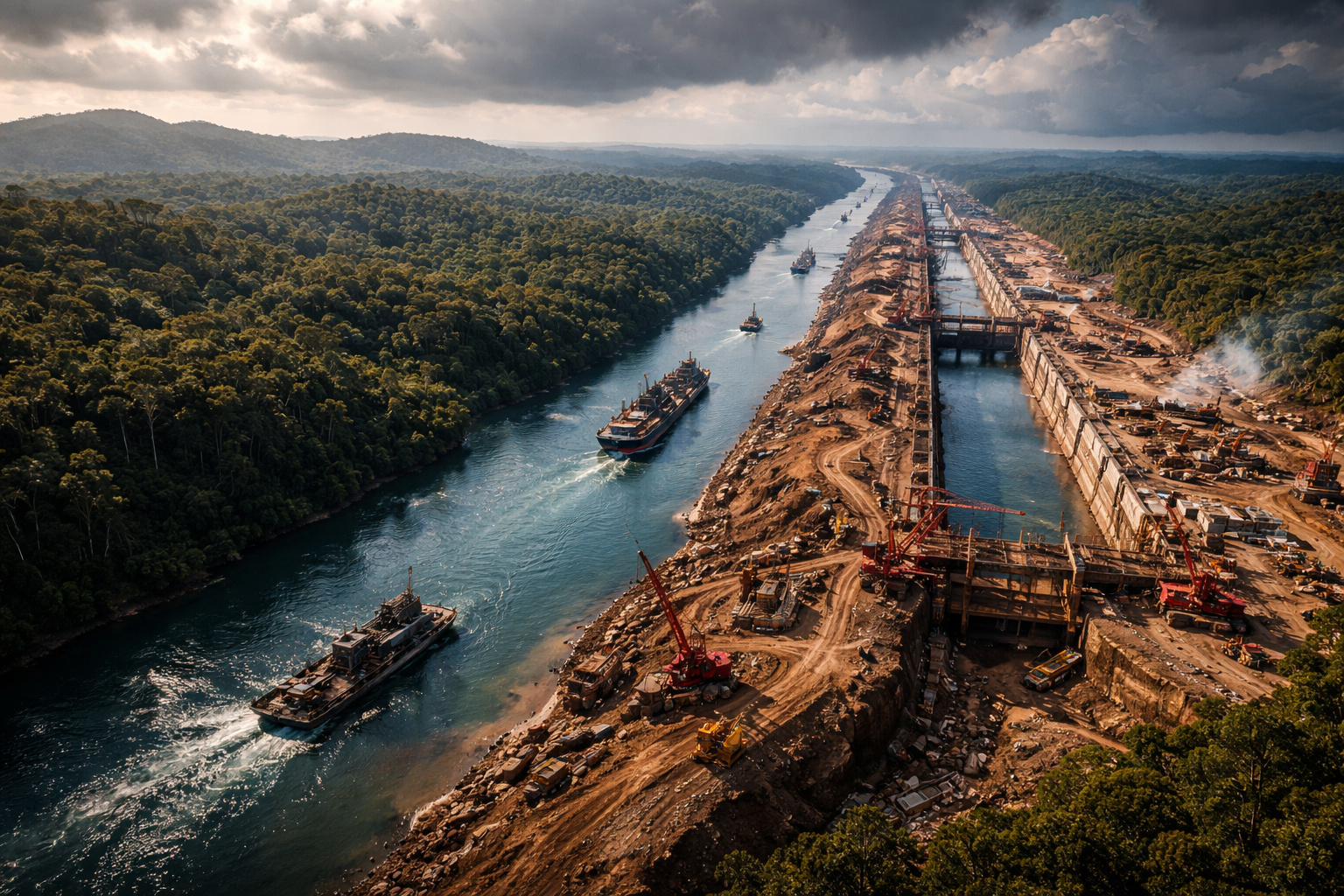
In 2013, Nicaragua sold the concession for a canal to rival Panama to a Chinese billionaire who lost 85% of his fortune, disappeared, and was declared bankrupt. Now the project resurfaces with a new route, a new Chinese partner, and a cost of $64.5 billion.
-
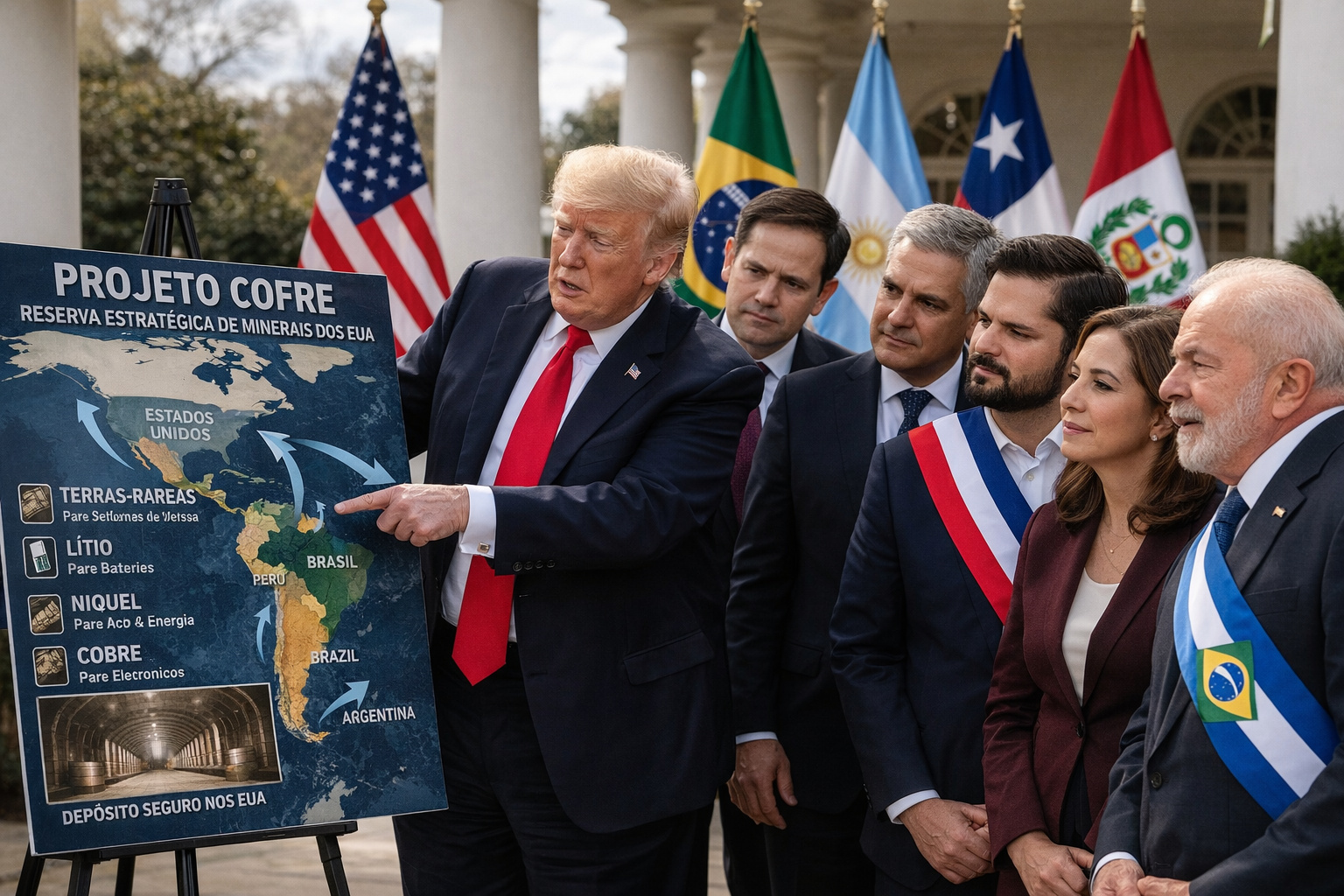
The USA announces a mysterious billion-dollar vault project to store critical minerals, but what intrigues experts is not just the plan itself, but why Latin America, including Brazil, has entered the center of this global dispute against China.
-
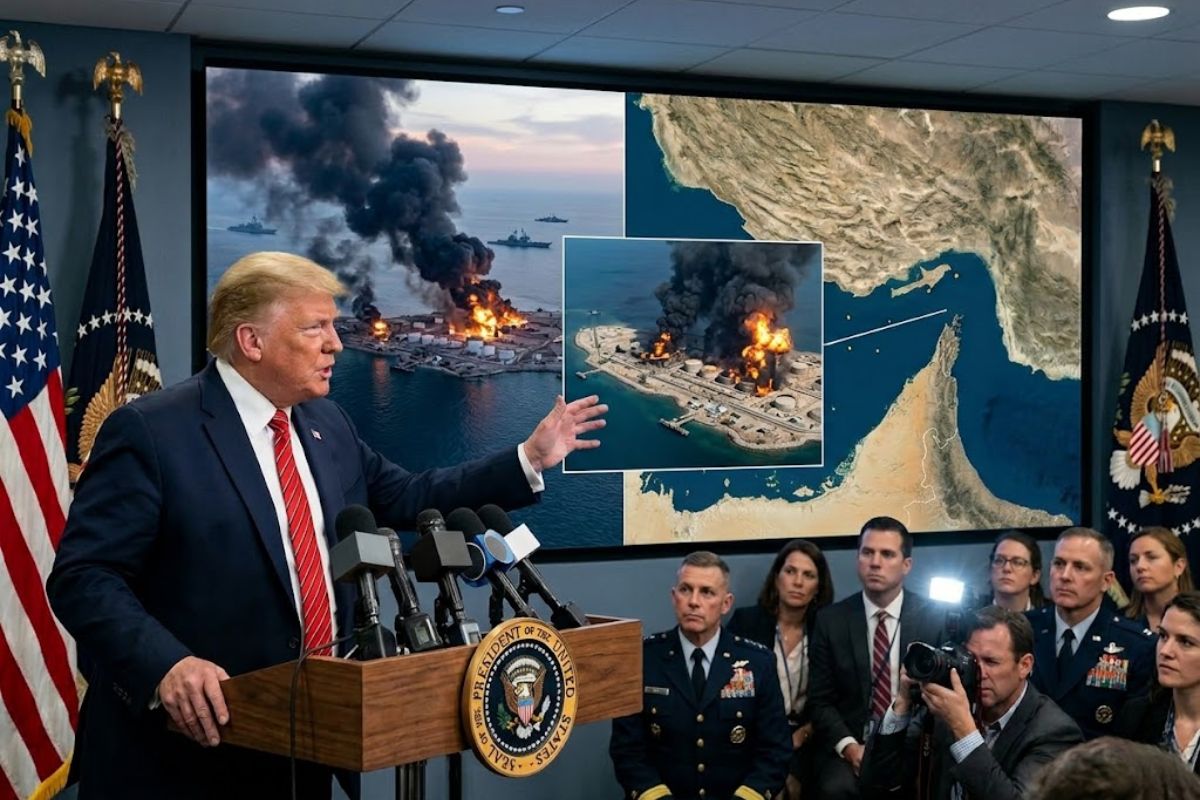
Trump Announces Bombing of U.S. Military Targets on Iranian Island Responsible for About 90% of Iran’s Oil Exports, Warns of Further Attacks if Navigation in Strategic Strait of Hormuz Is Threatened

Nepal Between China and India
Nepal is a small, landlocked country situated between two giants: China and India. And despite its size, Nepal’s geopolitical position places it in a prominent spot in the region. However, its government has shown reluctance to confront China directly over border disputes.
Despite complaints from local residents, the Nepalese government, deeply tied to China both ideologically and economically, has avoided publicly acknowledging the actions of its neighboring country. In 2021, a detailed investigation conducted by the Nepalese government documented various infractions by China in the Humla region. However, the report was mysteriously filed away and never made public.
The “New Great Wall of China” and Population Control
The Chinese fence and its fortifications, often referred to as the “New Great Wall of China”, are more than just a physical barrier; they represent Beijing’s effort to control populations and regions considered problematic. Tibet, for example, has a long history of resistance to Chinese occupation, and many ethnic Tibetans have fled to Nepal in recent decades seeking refuge.
With increased surveillance and physical barriers, this escape route has practically vanished. Furthermore, Chinese forces have pressured Tibetans living in Nepal not to display images of the Dalai Lama, the exiled Tibetan spiritual leader. For many, China is not only taking land from Nepal but also attempting to control and suppress Tibetan culture outside its own borders.
China’s Geopolitical Intentions
China’s expansion along its land and maritime borders has been one of the main focuses of Xi Jinping’s policy. According to experts such as Brian Hart from the Center for Strategic and International Studies, China has doubled down on its efforts to assert its territorial claims in disputed areas. The situation in Nepal is just another example of this pattern.
This New Great Wall of China is not limited to the mountainous regions of the Himalayas. To the east, in the South China Sea, Beijing has transformed coral reefs into military bases, provoking tension with countries such as the Philippines. To the west, the People’s Liberation Army has advanced into disputed territories with India, resulting in violent clashes between soldiers from both countries.
These incremental actions may seem isolated, but their cumulative impact is changing the region’s geopolitics. Smaller countries like Nepal find themselves in a vulnerable position, trying to balance their relationship with China while seeking to avoid losing their territorial sovereignty.
Nepal’s Silence and China’s Pressure
For many analysts, the Nepalese government’s silence regarding China’s border violations reflects Nepal’s economic dependence on its powerful neighbor. Nepal’s Foreign Minister, Arzu Rana Deuba, stated in an interview that she has not received formal complaints about border issues with Tibet. Her focus, she said, is more directed towards the border with India, where most of the Nepalese population lives.
This statement surprised many, especially residents of Humla, who see their land being occupied. The government’s refusal to openly discuss the 2021 report, which details Chinese violations, raises suspicions about Nepal’s ability to oppose Beijing. The pressure from China on its smaller neighbors is evident, and Nepal seems unwilling to risk its economic relationship with the country.
The New Great Wall of China in the Himalayas represents more than a physical advance over Nepalese lands. It symbolizes China’s expansion of power and influence over its weaker neighbors. As Nepal attempts to balance its relationships with China and India, the fear of losing Beijing’s economic support is preventing the country from confronting these territorial issues directly.






Seja o primeiro a reagir!