





 Português
  Inglês
  Espanhol
  5 min de leitura
  0 comentários


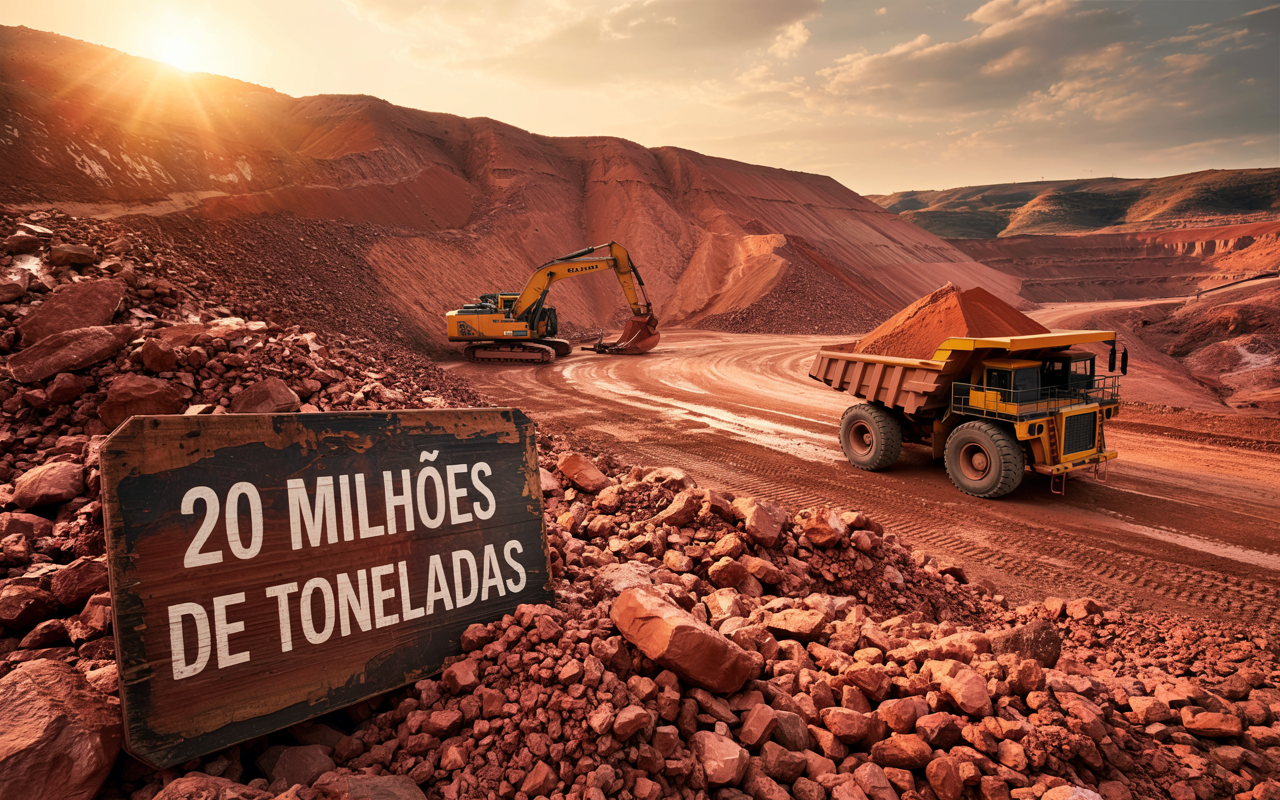
Gigantic Copper Deposit on the Tibetan Plateau Could Redefine the Global Market for Strategic Metals, Boosting the Energy Transition and Intensifying Geopolitical Disputes
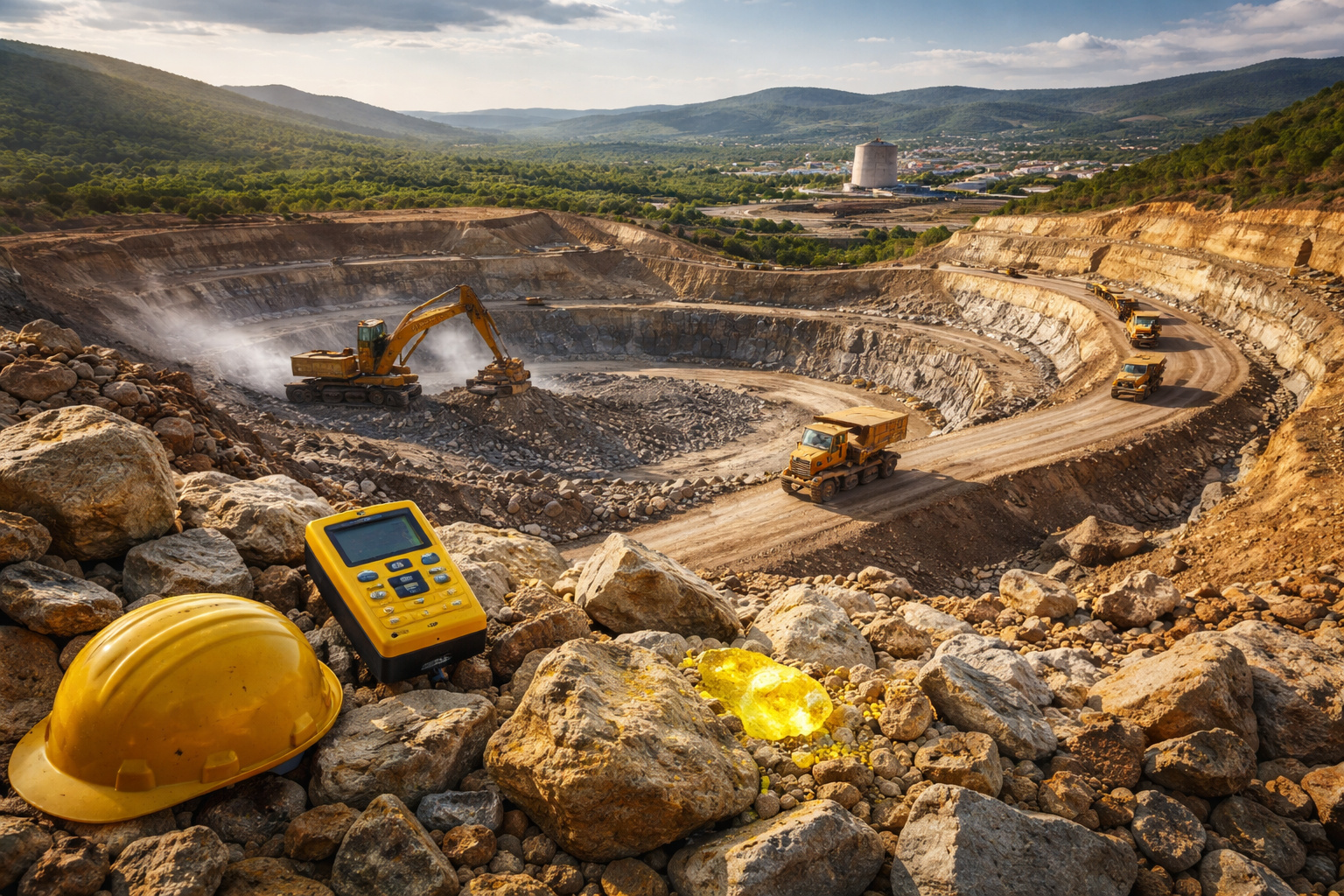
A new copper mine in China, discovered in a remote area of the Tibetan plateau, is drawing attention from experts and investors in the mineral sector worldwide. Preliminary estimates indicate that the copper deposit contains more than 20 million tons of the metal, placing this find among the largest discoveries of the past decade. The super deposit was identified in the Qinghai-Xizang region, which was previously considered to have low potential for significant copper reserves. The news generated immediate international repercussions due to its economic potential, environmental impact, and strategic role in global supply chains.
New Copper Mine in China Strengthens Leadership in the Race for Critical Metals
The new copper mine in China has the potential to transform the country into an even greater player in the competition for strategic metals essential for modern industry. The copper deposit could meet a significant portion of domestic demand and reduce China’s reliance on imports, especially from South America, where the largest global producers like Chile and Peru are concentrated.
The discovery also reinforces China’s position as a leader in the global production chain of green technologies, a sector that heavily relies on copper. This dominance could influence trade agreements, pressure international prices, and increase competition for alternative sources among Western countries.
-
Brazil extracts 26.3 million tons of ore from what was previously treated as waste, transforming residues into wealth, producing over 3 million tons of sand, and demonstrating how national mining is relearning to generate value.
-
A $3.5 billion megaproject in Latin America pumps desalinated seawater at 1,050 liters per second over 194 km to keep a copper supermine in the Andes operational for another 20 years.
-
A hidden mine in the Andes valued at nearly R$ 1 trillion is starting to attract global attention, containing copper, gold, and silver, and raises an intriguing question: why do Argentina and Chile need to act together to exploit this gigantic wealth?
-
A silent discovery in the interior of Bahia could change the future of energy in Brazil: a uranium reserve in Lagoa Real has an estimated capacity to produce 400 tons per year and is already attracting the attention of energy sector specialists.

Why Is Copper So Important for the Future?
More than a traditional mining resource, copper has become essential for clean energy sectors, such as wind turbines, solar panels, and electric vehicles. Due to its high electrical conductivity, the metal is irreplaceable in various components.
An electric car, for example, consumes up to four times more copper than a conventional car. A single wind turbine can require up to 4 tons of the metal. In solar plants, copper is used in wiring and connections that ensure the efficient transmission of generated energy.
This relevance makes copper a pillar of the global energy transition, being treated as a strategic asset by governments and industries.
Geopolitical Impact of the Discovery on the Tibetan Plateau
With the discovery of this new copper mine, China further strengthens its influence in international metal markets. By expanding its domestic production, the country gains leeway to dictate prices and conditions in negotiations with trading partners.
The concentration of strategic metals in the hands of a single power is a source of concern for countries like the United States, Germany, and Japan, which depend on copper to sustain their technological and energy industries. This may result in revisions of bilateral agreements, diversification of suppliers, and even the strengthening of protectionist policies.
Technical Challenges of Operating in High-Altitude Regions
The location of the copper deposit brings enormous logistical challenges. The Tibetan plateau, besides being remote, has high altitudes, extreme temperatures, and rugged terrain, complicating the transport of equipment, labor, and supplies.
To overcome these obstacles, the operation will require the use of cutting-edge technologies, such as automated drilling, remote sensing, autonomous vehicles, and robust environmental monitoring systems.
Despite the complexity, experts say that the technical feasibility is realistic, provided it is accompanied by massive investments in infrastructure and operational innovation.
Environmental and Social Concerns Grow With the Project’s Advancement
Local and international environmental entities warn that the intensive exploitation of the Tibetan plateau may affect fragile ecosystems and cause irreversible impacts. Glacier melting, river contamination, and the displacement of native wildlife are some of the concerns listed.
The companies responsible for the project claim that they will adopt good environmental practices, such as waste containment systems, efficient water use, and the restoration of degraded areas. The promise is to follow models of sustainable mining at high altitude, already tested in other parts of the world.
How Does the Discovery Affect Local Communities?
With the discovery of the new copper mine, residents of the region await a possible development cycle, with job creation, improvement of local infrastructure, and greater access to public services.
On the other hand, there are social concerns, such as the risk of cultural erosion, increased cost of living, and potential conflicts between outside workers and traditional communities.
Local leaders demand transparency in negotiations, respect for the rights of indigenous populations, and active participation in social compensation plans.
Domino Effect on the Market and Supply Chains
The entry of 20 million tons of copper into the global market could cause price fluctuations, rebalancing of exports and accelerating the search for new deposits on other continents. Major mining companies are already assessing impacts on their assets and future contracts.
Moreover, countries dependent on Chinese copper must reinforce diversification strategies, such as agreements with African nations, investments in copper recycling, and promoting exploration in unexplored areas.
The discovery reignites debates about supply security in times of trade tensions, such as those that have marked relations between China and the U.S. in recent years.
Exploring the Potential of the Tibetan Plateau
Geologists have already begun detailed mapping of areas neighboring the new copper mine in China, using satellite imagery and geophysical sensors. The intention is to identify additional deposits that could further expand exploration in the region.
The technological advancement and success of the initial project could establish a new standard for mining in mountainous regions, boosting similar operations in countries with similar geography, such as India, Peru, Bolivia, and Mongolia.
A New Milestone in the Century of Energy Transition
The discovery of this super copper deposit in China represents more than an economic opportunity: it is a strategic, environmental, and geopolitical milestone.
In a world rapidly moving towards decarbonization and electrification, control over critical minerals like copper will be decisive for the success — or failure — of global industrial and climate policies.
In the coming years, the new copper mine in China will be at the center of discussions on sustainable growth, resource security, and technological competition among major powers.









Seja o primeiro a reagir!