





 Portuguese
  English
  Spanish
 5 min of reading
  0 comments



Mega Structure Hidden Between Hills Promises to Revolutionize the Logistics of This State with Bold Engineering Solutions, Billion-Dollar Investments, and Direct Impact on the Mobility of One of the Most Important Industrial Regions in Brazil.
Santa Catarina is about to join the select group of Brazilian states with infrastructure projects that not only facilitate traffic but also strategically boost economic development.
The Jaraguá do Sul bypass, in northern Santa Catarina, is one such initiative that is already being treated as a game changer for the country’s infrastructure.
With an investment exceeding R$ 1.7 billion, the project stands out for integrating high engineering, sustainability, and a vision for the future.
-
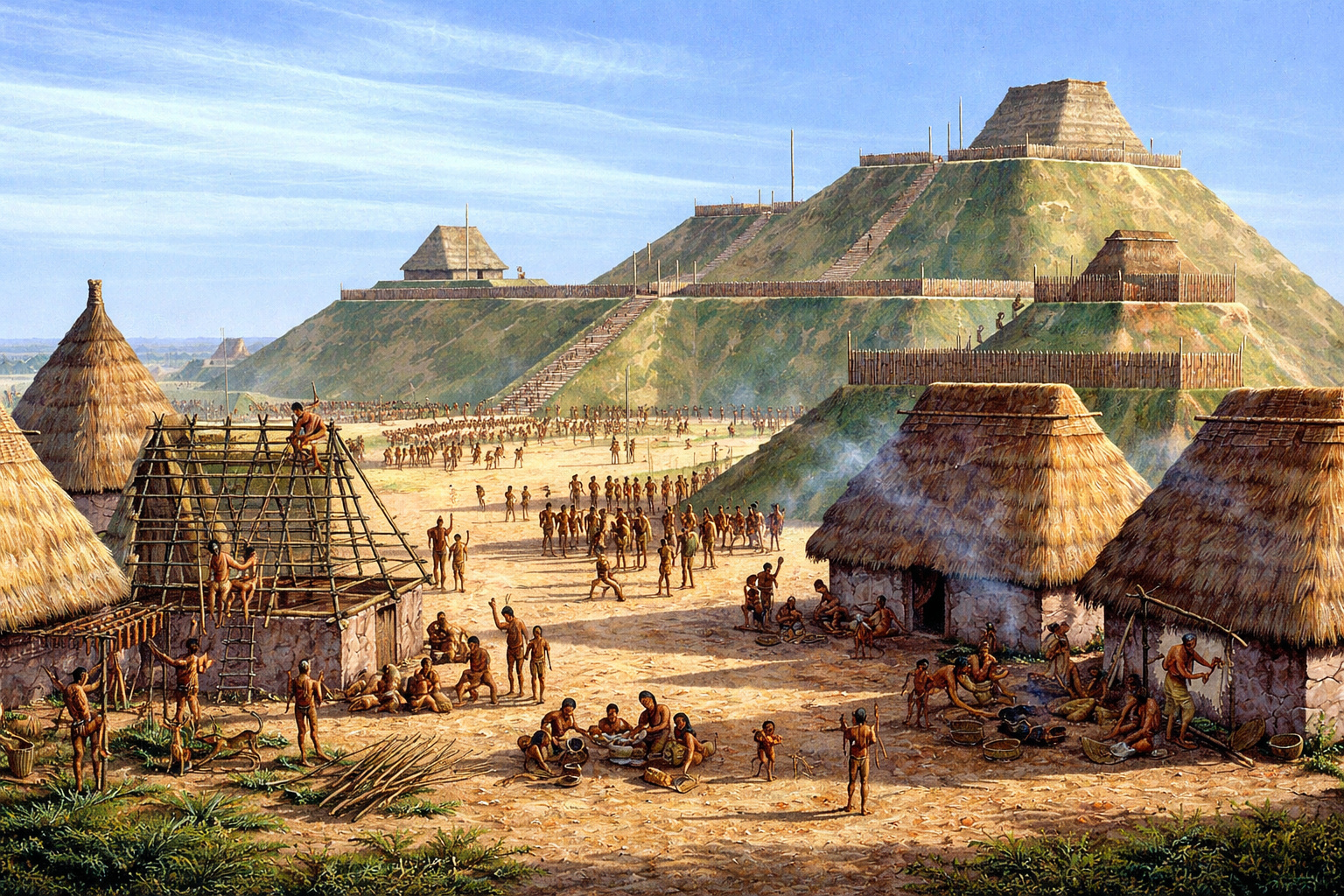
With over 14 million baskets of earth moved, an ancient North American metropolis built a monumental pyramid of 30 meters and established a city with 20,000 inhabitants nearly a thousand years ago.
-
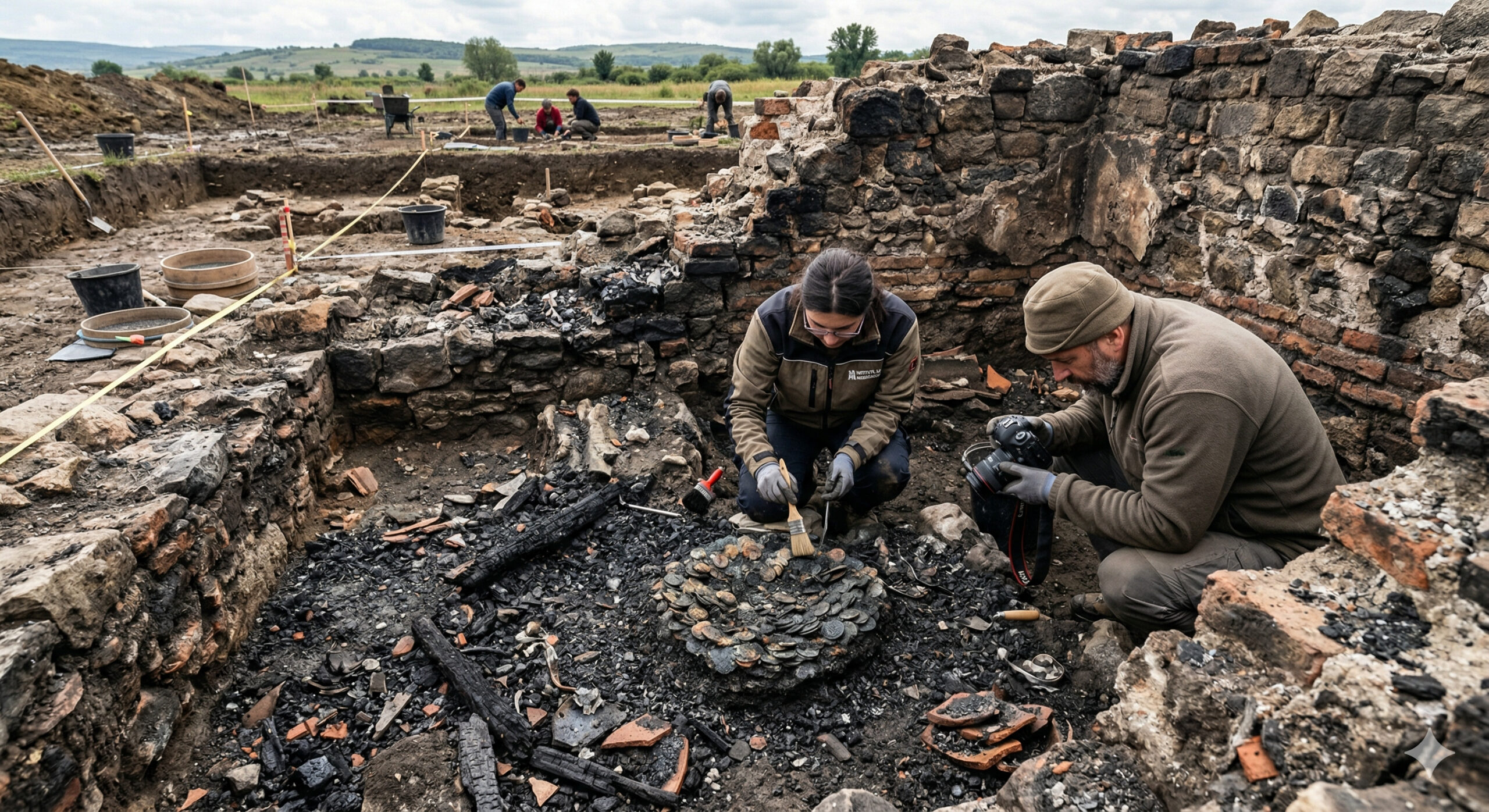
A 1,900-year-old treasure emerges from a Roman house destroyed by fire and sealed since antiquity in Romania, with coins and metals fused among the ashes.
-
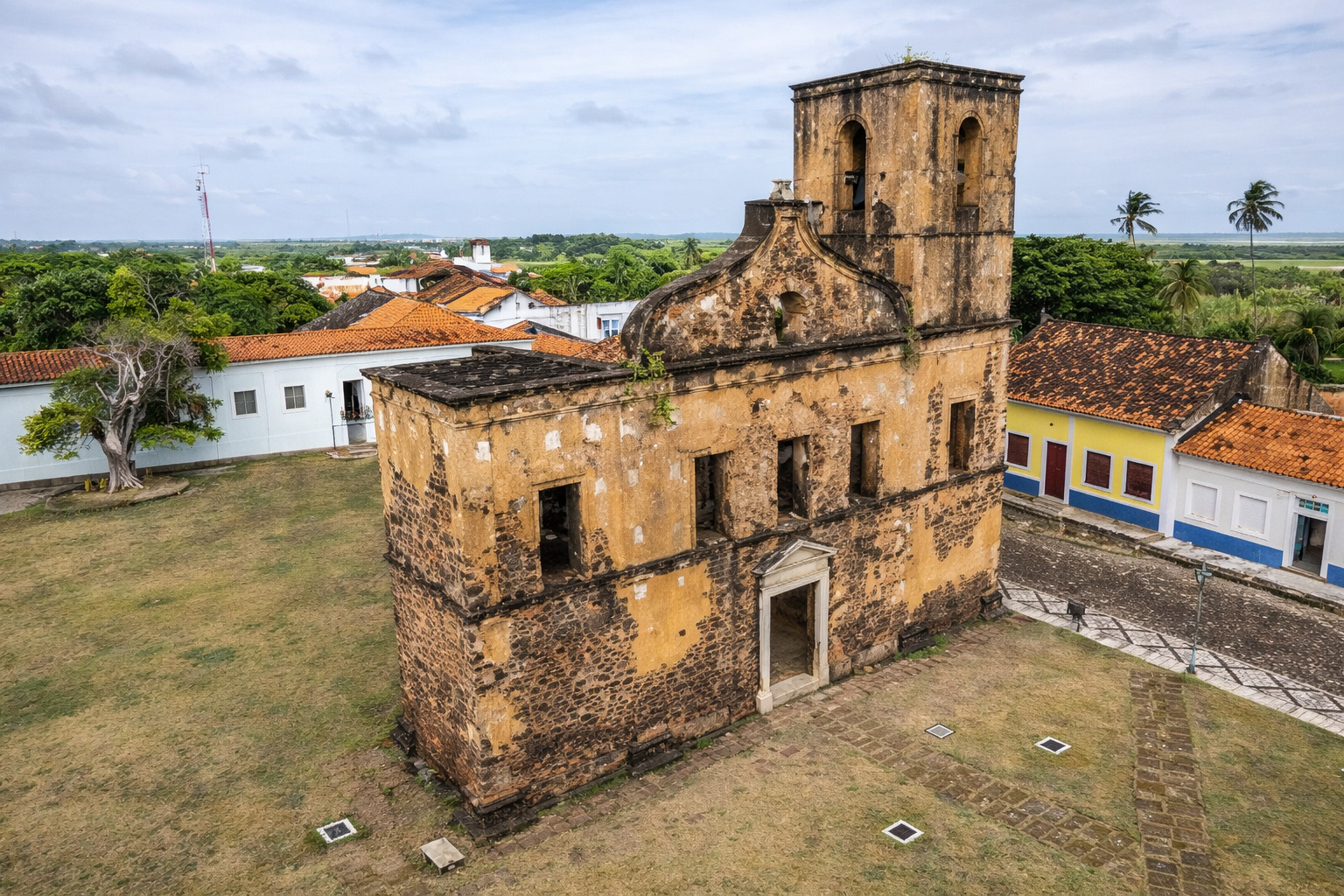
The Brazilian colonial city that stopped in time and shares territory with a rocket launch base.
-
79-year-old woman challenges limits, visits 193 countries in the world after 56 years of planning and reveals the behind-the-scenes of a global journey that few have managed to accomplish.


The project includes a double tunnel excavated beneath Morro do Vieira, a solution that avoids urban and environmental impacts while ensuring smoother traffic on the BR-280, one of the most important highways in the state.
A Tunnel That Challenges Geography and Values Technique
The main technical highlight of the project is undoubtedly the double tunnel beneath Morro do Vieira.
The structure, unprecedented in projects in the region, has 1,060 meters in one direction and 1,005 meters in the other, with separate corridors for each direction and multiple traffic lanes.
The excavation technique used is the NATM (New Austrian Tunneling Method), which turns the rock mass itself into part of the supporting structure.
This requires surgical precision and a rigorous sequence of steps: application of shotcrete, use of metal anchors, steel bars, and an effective drainage system to prevent leaks.
According to engineers involved in the project, the use of low-intensity explosives helps preserve the stability of the hill and minimize vibrations in the surrounding area.
This technical care ensures safety and durability while reducing impacts on the region’s flora and fauna.

New Artery for Northern Santa Catarina
The construction integrates the duplication of BR-280, an essential highway that connects the interior to the Santa Catarina coast.
The road ends at the port of São Francisco do Sul, considered one of the most relevant in the country for cargo movement.
Jaraguá do Sul, besides being the passage point of the project, is also a robust industrial hub.
The city stands out in the metallurgical, textile, and technology sectors, with production geared toward export.
Thus, the improvement of the road infrastructure serves both logistical interests and the well-being of the urban population.
According to the DNIT (National Department of Transportation Infrastructure), about 50,000 vehicles are expected to circulate daily through the new bypass.
This estimate reinforces the project’s potential to alleviate urban traffic and separate heavy vehicles from local flow.


Monumental Engineering in Numbers
The total length of the road bypass reaches 23.8 km and includes 18 special engineering works, such as viaducts, bridges, and elevated passages.
Each structure has been designed to support heavy loads, with foundations reaching up to 30 meters deep.
The pavement also follows rigorous technical standards.
The final coating will be made with CBUQ (hot-mixed bituminous concrete), ensuring resistance to intense traffic and long-term durability.
The project has been divided into three large lots:
- Lot 1: earthmoving and grading; 26% completed.
- Lot 2.1: responsible for viaducts and paving; already reached 79% completion.
- Lot 2.2: where the double tunnel is located; 68% physical advancement and a budget of R$ 977 million.
All sections are part of the 73.9 km of the duplication of BR-280, included in the new Growth Acceleration Program (PAC) relaunched by the federal government in 2023.

Comparisons That Reinforce the Importance of the Project
The Jaraguá do Sul bypass joins the ranks of the largest infrastructure projects in Brazil in recent years.
Unavoidable comparisons arise with projects like the Florianópolis bypass on BR-101, whose investments exceeded R$ 3.7 billion.
Another notorious example is the Petrópolis bypass (BR-040/RJ), where tunnels traverse the Serra dos Órgãos, aiming to protect the Atlantic Forest and ease metropolitan traffic in Rio de Janeiro.
There, the budget exceeded R$ 8 billion, with significant delays.
In Jaraguá do Sul, the expectation is more optimistic.
According to the official schedule of DNIT, part of the work is expected to be delivered in December 2025, with progressive release of the already completed sections.
The total delivery is planned for 2026, if the stages progress as expected.
Future of Mobility and Regional Competitiveness
Much more than a new road, the bypass represents a structural transformation for the region.
By separating urban traffic from industrial flow, the city gains in quality of life, while the productive sector reduces logistical bottlenecks.
The fluidity in the flow of goods increases the competitiveness of the local industry, while ensuring more safety and comfort for drivers and pedestrians.
The risk of accidents, travel time, and even fuel consumption are reduced.
Additionally, the project contributes to urban sustainability by decreasing noise and air pollution in the city center, strengthening a more balanced and modern development model.

Symbol of Engineering and Vision for the Future
The Jaraguá do Sul bypass is more than an infrastructure project: it is a symbol of how Brazil can combine quality engineering, planning, and respect for the environment.
With advanced technical solutions, the construction shows that it is possible to invest in mobility without compromising the landscape or urban life.
If the schedule is maintained and the execution proceeds without major setbacks, the project has everything to become a national reference.
It could inspire similar projects in other regions of the country, especially in areas that suffer from logistical bottlenecks.
And you, do you think projects like this can change how Brazil develops regionally?
What impact can this structure have on the country in the coming years? Leave your opinion in the comments!






-

Uma pessoa reagiu a isso.