





 Portuguese
  English
  Spanish
  2 min of reading
  0 comments


Discover How China Excels in Aquatic Bridge Construction, Combining Technological Innovation and a Unified Planning Approach
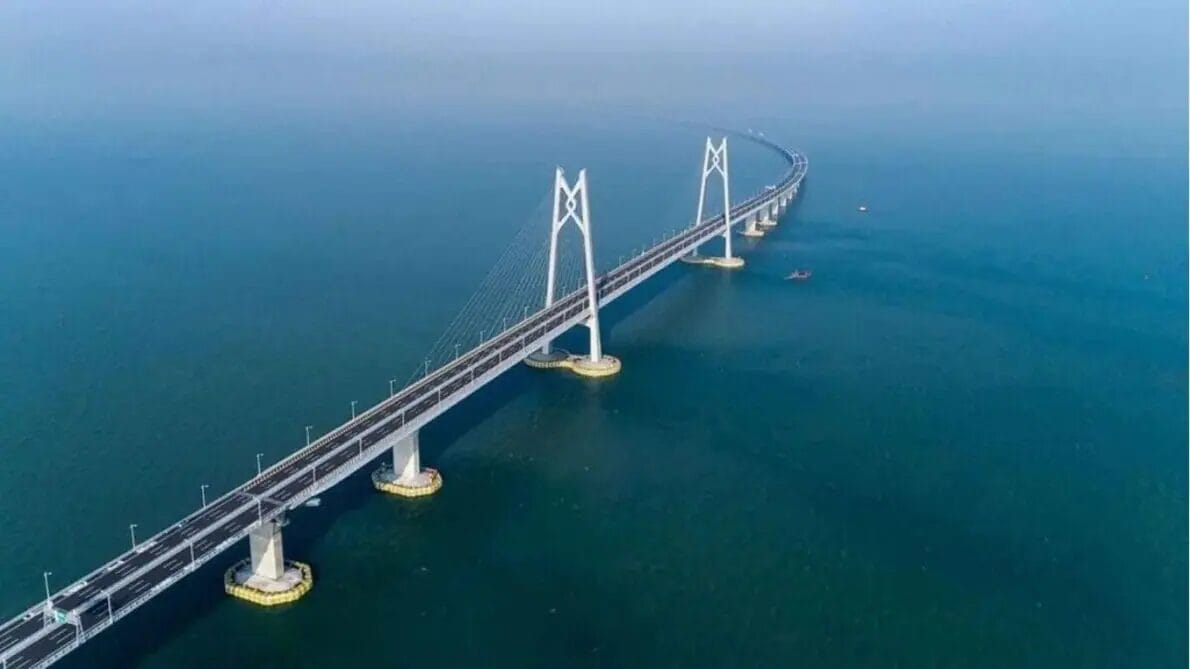
China, with its vast land area and a population of 1.4 billion people, is known for its impressive transportation infrastructure. Among its most notable achievements is the construction of aquatic bridges, which have drawn global attention for their speed and precision, according to a video from the Construction Time channel.
Methods of Aquatic Bridge Construction
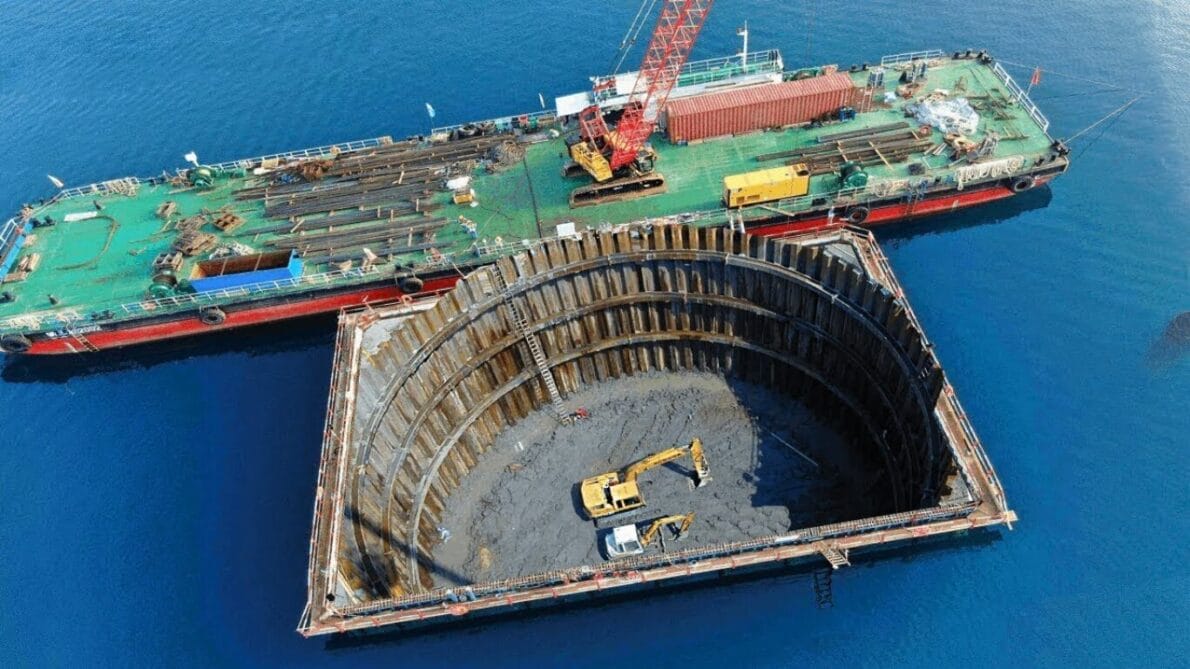
The construction of aquatic bridges presents unique challenges, such as the need to securely anchor submerged foundations. Four main methods are used globally:
- Caissons: Hollow structures that are lowered to the bottom of the body of water, allowing water to be pumped out and the space to be filled with concrete.
- Dewatering: Temporary barriers that create a dry area for construction around the bridge foundation.
- Pile Driving: Metal tubes are driven into the riverbed or seabed and filled with concrete.
- Prefabricated Structures: Parts of the bridge are built off-site and then transported and assembled in situ.
Chinese Innovations in Bridge Construction
China, however, has stood out for its application of innovations that accelerate the construction process and reduce costs:
-
A startup backed by OpenAI has started selling a $20,000 robot for household tasks, but when the robot doesn’t know what to do, an employee puts on a virtual reality headset, sees the inside of the house through a camera, and operates each movement. The CEO said that without this, he cannot improve the product.

-
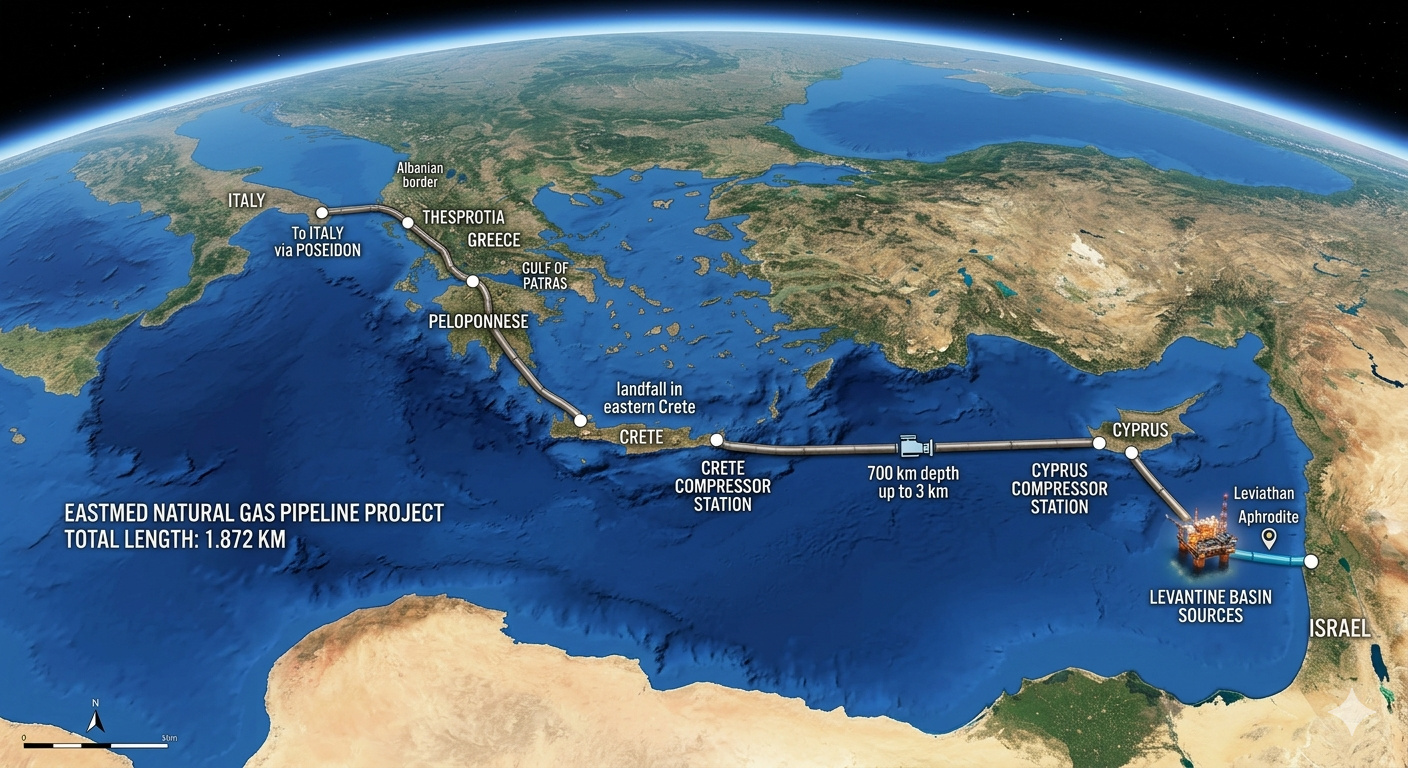
Israel, Greece, and Cyprus signed an agreement in 2020 to transport gas from the Mediterranean to Europe via a 1,872 km pipeline, but Turkey claimed sovereignty over part of the maritime route, and the project never materialized.
-
Scientists create a semiconductor that mimics the human brain using hydrogen and boost a new generation of smart chips with learning capabilities and the potential to revolutionize artificial intelligence applications.

-
The radio has been in more than half of Brazilian households for decades, and in 2024, for the first time in history, the number of households without a device surpassed those with a device, with a decrease of 2.3 million in just one year.


- Continuous Multiple Spans: To cover large areas of water and improve navigation, as seen in the Taison River Bridge, which utilizes two large spans and three towers to span the river.
- Three-Cable Plane Structure: Allows the construction of multifunctional bridges that support traffic for railways, subways, and expressways, exemplified by the Tianxianzhou River Bridge.
- Rotating Construction: Structures are assembled on land and then rotated into position, as applied in the Wuhan Rotating Bridge.
- Prefabricated General Assembly: Use of prefabricated segments for quick assembly, increasing the load-bearing capacity of bridges.
- SLJ900: Equipment that assembles bridge segments with precision and speed, reducing construction time by up to 60%.


Political and Economic Factors
The political landscape in China, with a centralized government and the Communist Party in power, allows for a rapid and efficient execution of large infrastructure projects. The lack of bureaucracy and the ability to plan long-term are crucial advantages for completing works in record time.
China continues to lead the world in aquatic bridge construction, thanks to its technological innovations and a political approach that facilitates the execution of large projects. While the country faces challenges such as the “zero COVID-19” policy and its economic implications, the efficiency in infrastructure construction remains a strongpoint.




Seja o primeiro a reagir!