





 English
  Francês
  Alemão
  Italiano
  Japonês
  Norueguês
  Portuguese
  Spanish
  3 min of reading


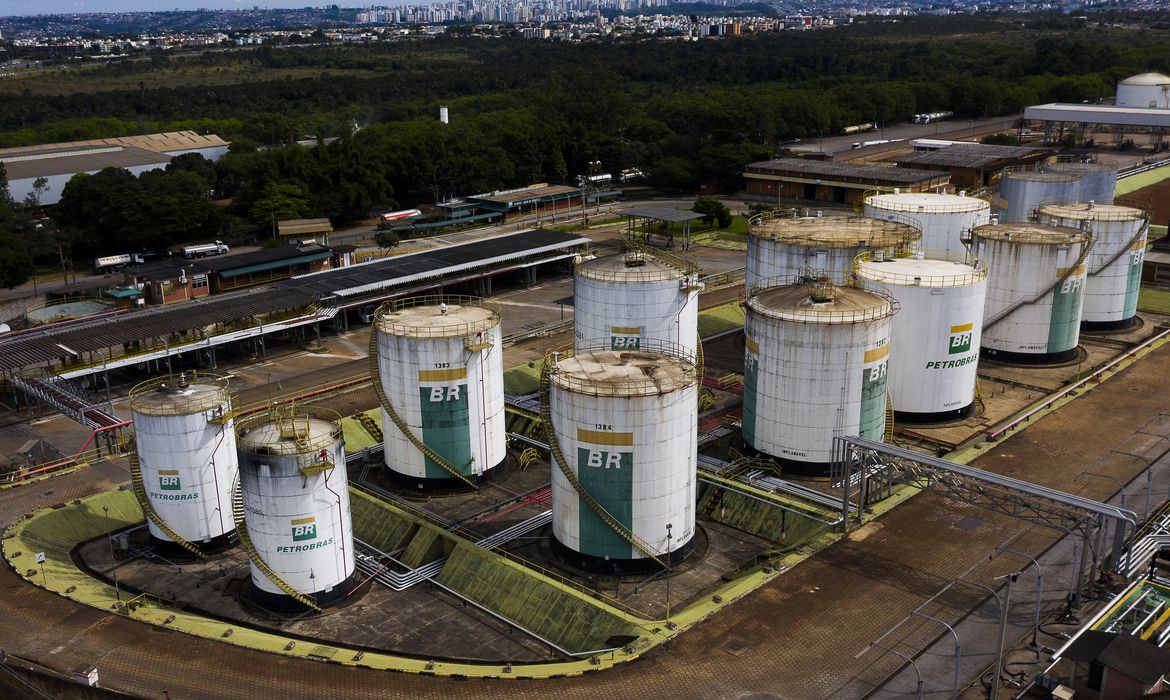
Even In The Face Of Global Tension Affecting The Price Of Oil And Its Derived Fuels, Petrobras Plans To Follow Its Pricing Policy
The price of oil faced strong instability last week, following the Russian invasion of Ukrainian territory. On February 23, Wednesday, the price of Brent crude oil managed to surpass US$ 105 but ended up falling again. By Friday, February 25, its price closed at US$ 94.12, taking into account predictions that Western allies’ decisions regarding Russia would preserve the country’s energy and fuel sector. However, everything related to the geopolitical issue between the two European countries remains very uncertain, except for what seems to be Petrobras’s decision.
Related Articles:
- For US$ 544 million, Petrobras Announces Signing Of The Sale Of Four Production Fields In Espírito Santo To Seacrest Petróleo SPE Norte Capixaba Ltda
- Oil Production Increases Significantly At The Beginning Of The Year And Returns To Over 3 Million Barrels Per Day, According To ANP Data
- Raízen Will Hold The Second Edition Of Timão De Ouro, A Program That Awards Fuel Transport Crews
According to information released by the newspaper O Estado de S. Paulo, the instability in oil prices is also expected to affect fuel prices in Brazil, but Petrobras claims that this should not affect the decision to keep its prices linked to those of the international market. The state-owned company’s justification is that, if it does not follow oil and derived fuel prices, the national fuel market and internal supply may be adversely affected in the future, considering the statement by Cláudio Mastella, director of Marketing and Logistics at the company, made during a teleconference with analysts to detail last year’s record profit.
Petrobras uses the Import Parity Price (IPP) to set any adjustments to fuel prices at its refineries. As a result of this policy, domestic prices should increase in line with rising oil and derived fuel prices in the most important global trading markets, such as the Gulf of Mexico in the U.S. and London, for example.
-
Petrobras finds high-quality oil in the pre-salt at 113 km from RJ and reignites expectations about strategic reserves in the Campos Basin.

-
Chinese giant worth nearly R$ 4 billion that manufactures cables for electric cars, solar energy, and robotics wants to open a factory in SC.

-
Many employers do not know, but the law guarantees domestic workers a 25% increase in salary during trips, 50% for overtime, 20% for night shifts, and 17 additional benefits that can lead to labor lawsuits if not paid.

-
Gasoline prices soar and the question arises: is ethanol more advantageous? The 70% rule reveals the limit with gasoline.
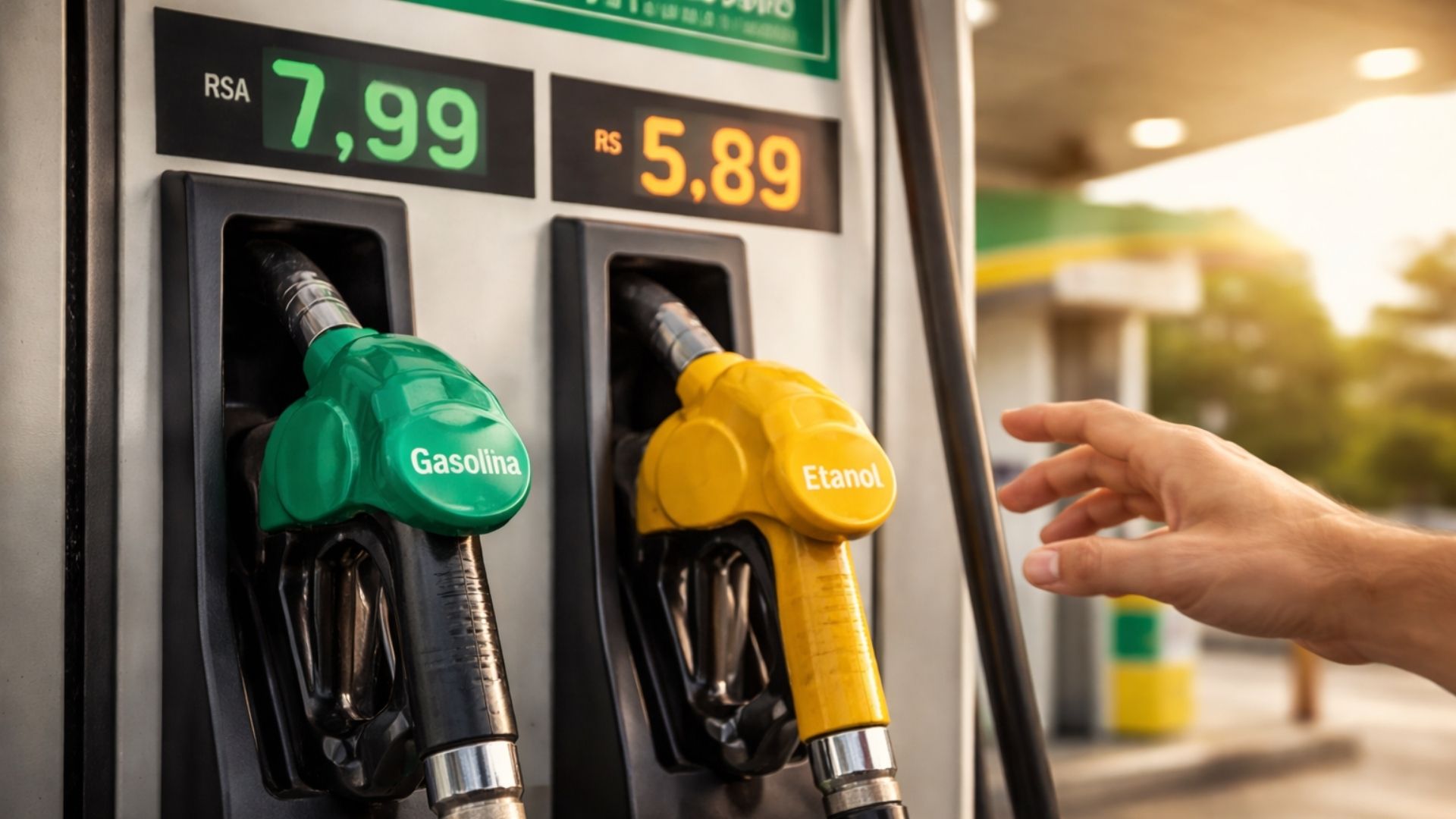

Besides the commodity, Petrobras also takes into account the exchange rate and the costs of conducting imports. This is due to the fact that the main competitors in the oil market are currently importers, and Petrobras’s goal is to keep its prices similar to theirs.
In reality, the price of oil has been rising for some time due to tensions caused by the threats of invasion from the Russian government under Vladimir Putin. However, the prices set by Petrobras in Brazil have remained the same since January 12 of this year. The company’s position is quite complicated, seeing that the continuation of the IPP and the implications for domestic prices generate a negative reaction among consumers and directly affect Brazilian President Jair Bolsonaro’s intention to be reelected in the elections scheduled for October 2022.
“We have observed price increases in recent weeks and, at the same time, the dollar has been devaluing. With these two movements in contrast, we have been able to keep our prices (unchanged),” said the director of Marketing and Logistics, adding that the volatility of the barrel has been greater, and Petrobras is analyzing the oil market scenario to study possible price adjustments.
Mastella’s opinion is that, even with international tensions, Petrobras is competitive and remains aligned with the global market while avoiding passing on to consumers the inconsistencies of the prices.
One of the reasons Petrobras maintains the IPP is the interest in attracting investors for the refineries that are for sale. The concern is that if it complies with Bolsonaro’s request for freezing fuel prices to reduce inflation, it may deter companies with potential interest in the business, and there is no intention to be part of a government-managed action.
Watch the video below that explains a little more about the price of one of Petrobras’s fuels, diesel: Diesel Price Petrobras.









Seja o primeiro a reagir!