





 Portuguese
  English
  Spanish
  4 min of reading
  0 comments


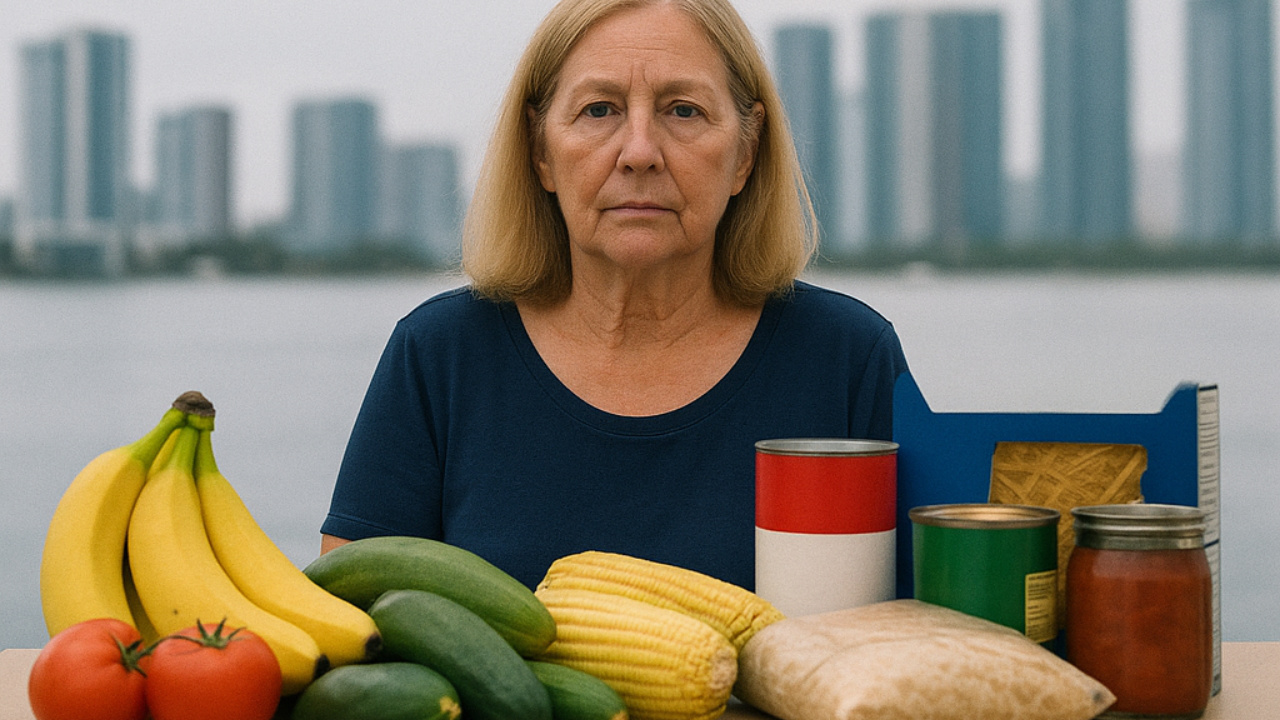
The Sudden Poverty Affecting Millions in the U.S. Shows How Illness, Unemployment, and High Prices Drive Families to Hunger.
What happens when a financial setback turns a stable life into extreme vulnerability?
The answer to this question comes from millions of Americans who, like retiree Ilona Biskup, have come to rely on assistance programs and food banks.
The drastic change is occurring now in the United States, where the cost of living has risen rapidly and shaken the financial security of different social groups.
-
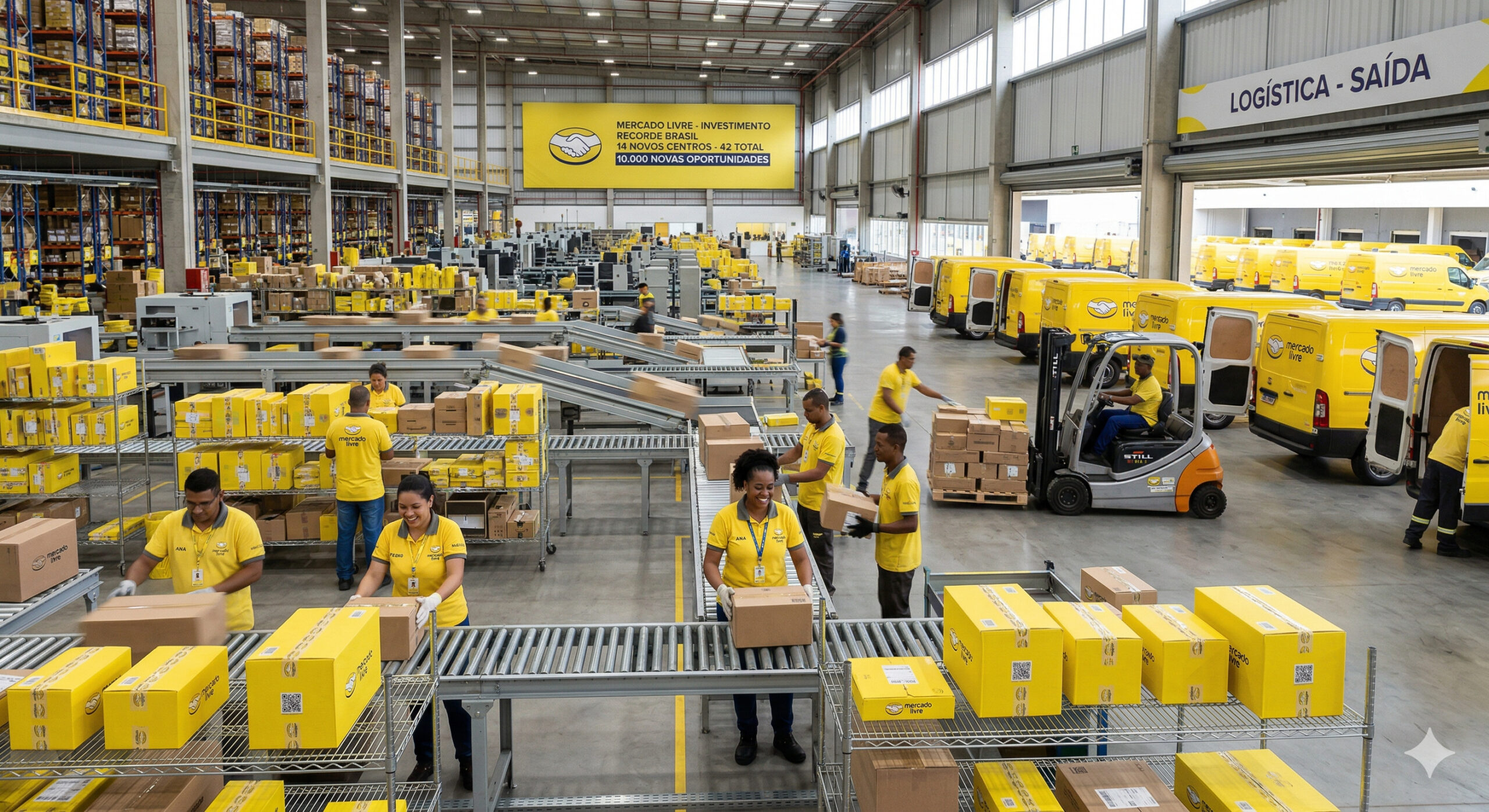
Mercado Livre “opens the vault” and announces a record investment of R$ 57 billion in Brazil in 2026, a value 50% higher than the previous year, with an expansion plan that includes 14 new logistics centers, totaling 42 units in the country and hiring an additional 10,000 employees.
-
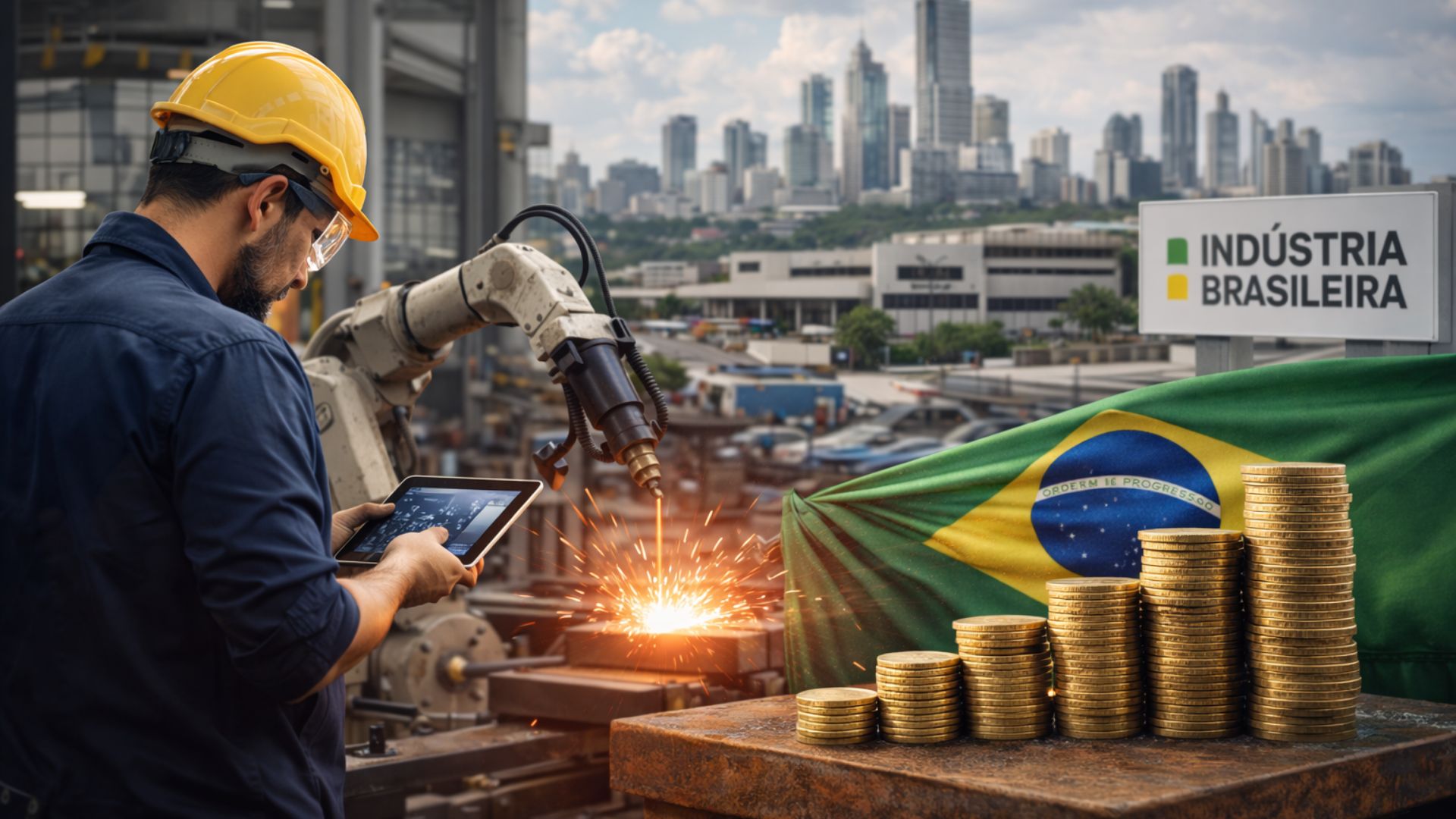
How investment in technology can revolutionize the national economy and enhance industrial gains, according to a study that highlights the direct impact on productivity, innovation, and wealth retention within Brazil.
-
The largest food company on the planet, JBS, has just opened a 4,000 square meter laboratory in Florianópolis to develop customized proteins that modulate muscle mass gain, immune response, and metabolic performance.

-
After nearly 30 bids and competition among industry giants, a Spanish company purchases one of the largest airports in Brazil for almost R$ 3 billion and takes over the management of Galeão in a concession that will last until 2039.


In cities like Miami, where Biskup lives, the sudden poverty that drives millions in the U.S. to depend on help to avoid hunger has become a growing phenomenon, resulting from unexpected illnesses, loss of income, and a social safety net considered fragile.
Biskup, 62, turns to Feeding South Florida, the largest food bank in the southern state, after decades of work and planning.
Thus, her story highlights why so many Americans have abruptly crossed the line between stability and need. Furthermore, it reveals how structural factors explain this scenario.
When Financial Setbacks Push into Sudden Poverty
The retired flight attendant built her professional life over 32 years, always paying taxes, saving, and ensuring what seemed like a peaceful retirement.
However, two cancer diagnoses and a recent case of Parkinson’s have consumed her savings, forcing her to face the sudden poverty that drives millions to rely on help to avoid hunger in the U.S.
“After having such success, I now depend on free food,” she said from the window of her apartment in Miami Beach. Although she receives $2,000 a month, which is above the official U.S. poverty line, her basic costs—housing, health, and services—exceed her financial capacity.
Her reality reflects a national problem.
According to sociologist Mark Rank, almost 60% of American adults will live at least one year below the poverty line, and 75% will experience poverty or something very close to it.
For him, the explanation is clear:
“Basically, there are three pathways to poverty in the United States: losing a job, a health emergency, or family separation.”
“It’s a structural problem, mainly due to two factors: its very weak social safety net and the creation of low-wage jobs.”
Fragile Structure Increases Sudden Poverty That Makes Millions Depend on Food Assistance
Research reinforces this warning. A survey by the Pew Research Center shows that 27% of Americans had difficulty paying for medical assistance in the past year, and 20% had to turn to a food bank.
In addition, 68% of Black adults and 67% of Hispanics report not having any financial reserves for emergencies—a situation that contributes to the rise of sudden poverty that drives millions to depend on help to avoid hunger.
Among the elderly, the situation is even graver. A study by the NCOA indicates that people with fewer resources live, on average, nine years less than those in better economic situations.
The Search for Food Reveals the Impact of the Social Crisis
Four months ago, Biskup entered Feeding South Florida for the first time.
There, she picked up fruits, vegetables, rice, cereals, and canned goods, always paying close attention to the nutritional information, a habit acquired after her cancer treatments.
The organization serves 25% of residents in the area, expanding shifts and teams to cope with the increasing number of beneficiaries, especially after the temporary suspension of payments from the SNAP, a food assistance program equivalent to Bolsa Família.
Food prices rose 2.7% in a year, with much larger increases for items like ground beef, bananas, and coffee.
This, according to food economist David Ortega, is a consequence of tariff policies and the targeting of immigrants working in agriculture.
SNAP: The Plan That Prevents Sudden Poverty from Leaving Millions Without Food
The SNAP serves 42 million Americans, providing an average monthly benefit of $187. Biskup receives $225, a crucial amount to supplement her food.
The program, however, requires beneficiaries to work 30 hours per week with exceptions for the elderly, disabled individuals, or caregivers.
During the recent federal government shutdown, payments were frozen by order of President Donald Trump, increasing demand for emergency assistance.
A Reconstructed Routine in the Face of Sudden Poverty
Amid medical appointments, Biskup tries to reorganize her life and maintain the dignity she built over decades of work.
Determined to fight for stability, she sums up her new phase with serenity:
“I just wanted to find a new place to close this chapter of my life.”
Her story stands as a clear symbol of the sudden poverty that drives millions in the U.S. to rely on help to avoid hunger.








-

-

3 pessoas reagiram a isso.